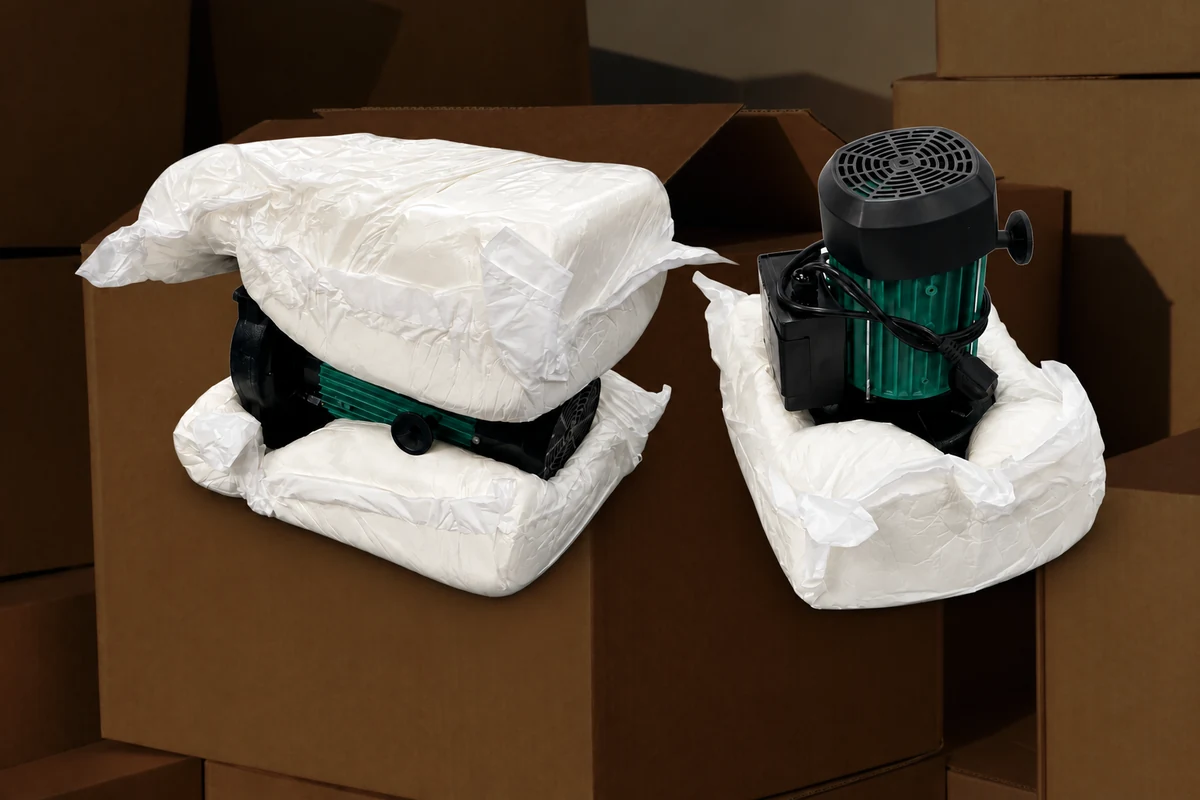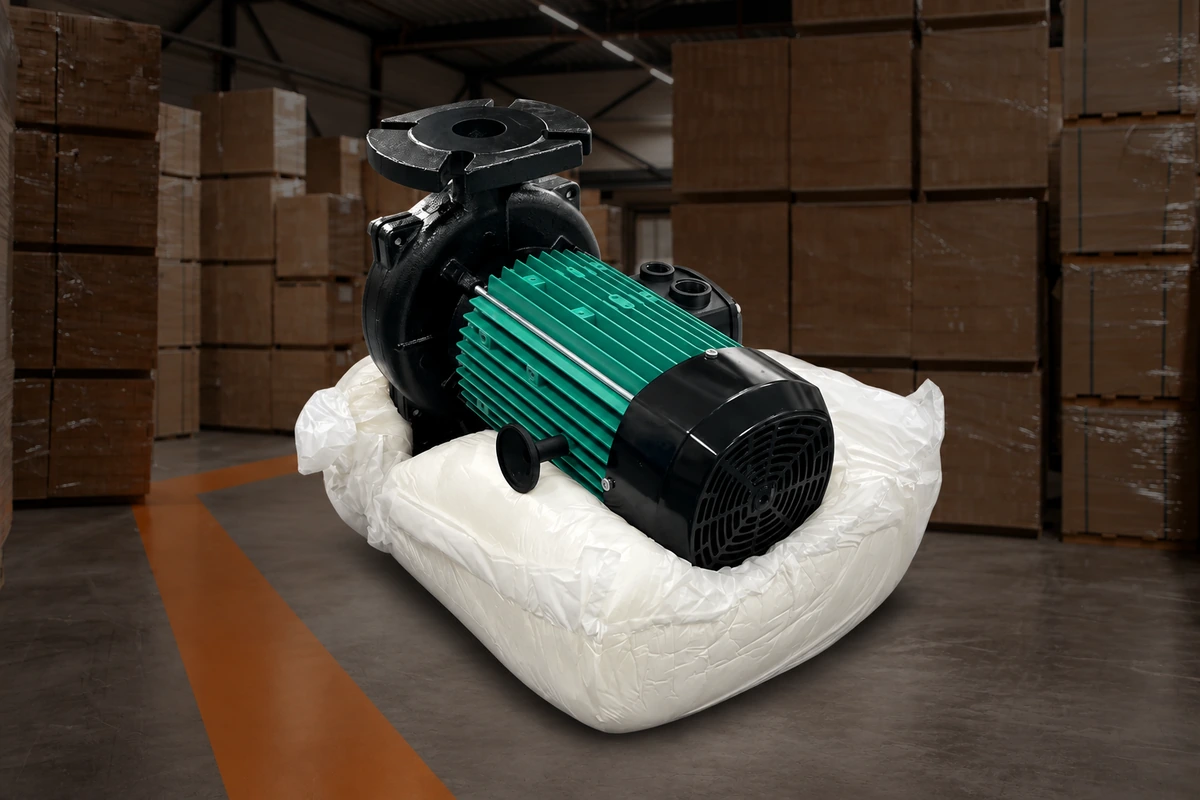
For a foam-in-place cushion formed around the product inside a carton, position the product during the forming stage specified for that system. Waiting until the cushion has hardened prevents it from forming around a newly placed part. Close the carton according to the same packing method, distinguishing any use of the flaps to shape the top cushion from the final shipping closure.
There is no single waiting time for every foam formulation, bag format and product. A usable packing instruction identifies when the timing starts, when each placement happens and what the finished arrangement must look like. A saved bag length and foam amount alone do not control what happens between dispensing and placement.
These decisions apply to in-box forming. A separately molded cushion that is made and set before packing has a different sequence; do not apply its waiting instructions to a cushion intended to form against the product.
Start the Clock at a Defined Event
Foam-in-place packing timing needs a named starting event. “Place the product after dispensing” is incomplete if one operator starts counting when the machine begins dispensing and another starts when the finished bag reaches the packing position.
The chemical reaction starts when the components mix. That event is not necessarily the same as the operator receiving a bag. A bag already contains reacting material when it is released, and carrying it to another station adds time before placement.
For an operator instruction, use an event that the operator can reliably identify and that the equipment supplier has related to the forming process. Examples include the release of a machine-made bag or a specified step in a direct-dispensing sequence. Do not open equipment to observe the mixing point. Prefilled bags require their own activation instructions rather than the timing of a machine-fed system.
Record both the event and the elapsed interval. Two records that both say “placement time” are not comparable if they measure different parts of the cycle.
Position the Product While the Cushion Can Form Around It
In an in-box forming process, the product must reach its intended position while the cushion can still take the required shape. The method also needs to establish how the product is supported during that stage; placement timing cannot compensate for an unsuitable bearing area or a missing support.
As the foam expands and sets, its ability to change shape changes. Moving the product after the intended placement stage is therefore different from positioning it correctly at the outset. A late adjustment can leave the final cushion shaped around an earlier position rather than the approved one.
Review the result against the intended product position, especially:
- Whether the product remains at the specified height and orientation.
- Whether the lower cushion supports the intended surfaces.
- Whether fragile projections remain clear of unwanted contact.
- Whether the upper cushion fits without shifting the product.
An incorrect result is not proof of a timing fault. Bag size, material quantity, product orientation and carton dimensions also affect the shape. Use the foam-in-place packaging problems guide when the result departs from the reference instead of simply shortening or extending a delay.
Do not use squeezing, puncturing or opening a reacting bag as a timing test. The supplier’s process instructions should define observable stages and permissible handling. For direct dispensing, the handheld foam-in-place guide explains the wider placement and operator-control requirements.
Separate Forming the Top Cushion From Final Carton Closure
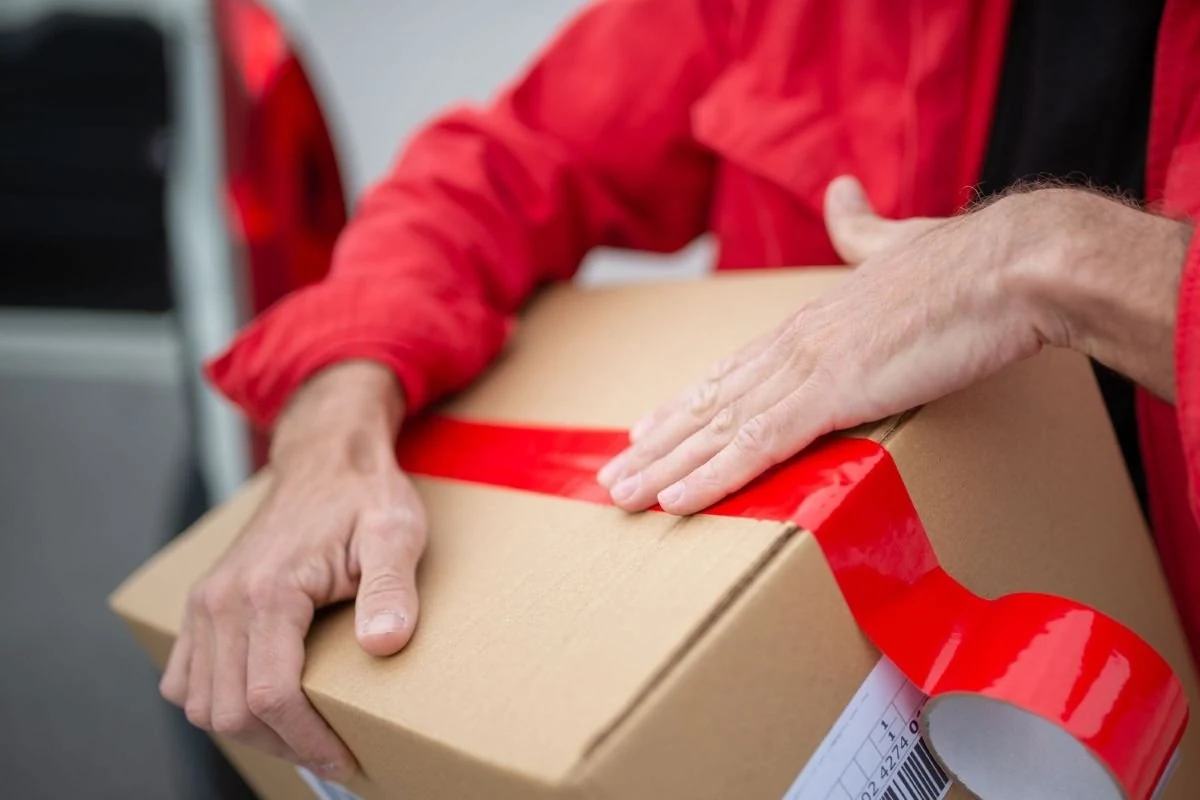
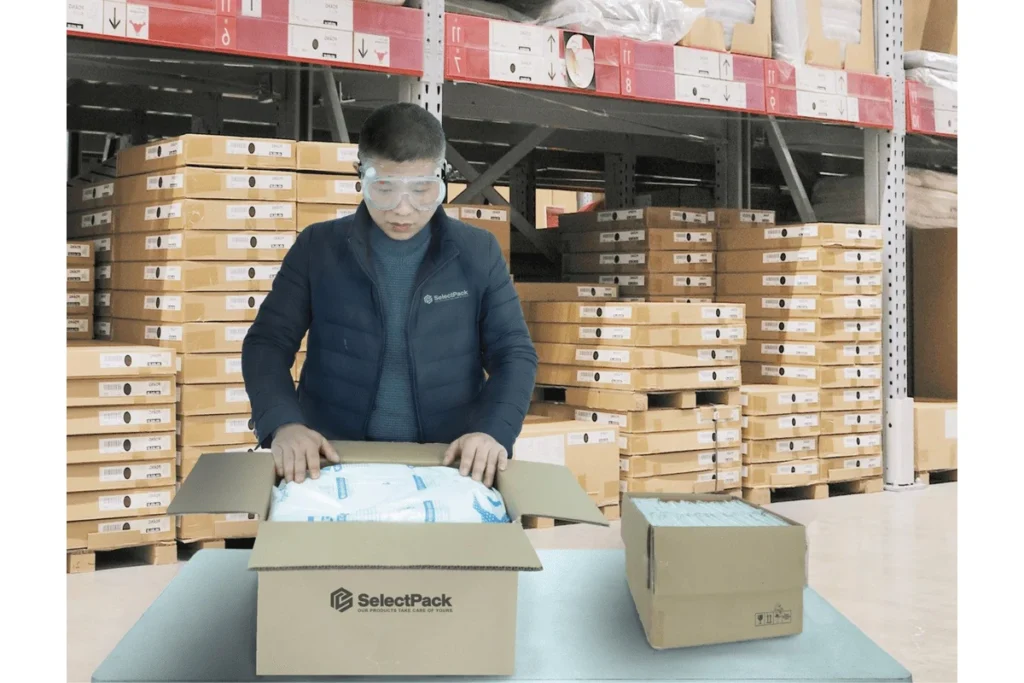
Closing the flaps to help form a cushion and sealing the carton for shipment are different actions. A packing instruction must say which action is intended, even when the approved process places them close together.
There are three separate closures to keep clear:
- Making or sealing the foam bag: part of the specified bag-production process.
- Positioning the carton flaps during forming: applicable only where the system’s packing method uses them to establish the cushion shape.
- Completing the shipping closure: applying the specified tape or other closure at the prescribed stage.
A method that uses the flaps during top-cushion formation cannot be replaced with a blanket instruction to leave every carton open until the foam has set. Equally, that forming method is not permission to tape every carton shut immediately after adding the upper bag.
Ask the supplier to identify the purpose and timing of each closure in the proposed pack. If the product has moved, the flaps will not meet as specified or the carton is bulging, forcing the box shut hides a failed fit rather than correcting it. Keep that pack out of the shipping flow while the cause is reviewed.
Remove Delays That the Machine Program Cannot Control
Prepare the product, carton and required contact materials before starting the forming sequence. Time spent finding an accessory or clearing a work surface still counts while the foam is reacting.
Consider a station handling mixed repair parts. The first product is ready beside the carton before its bag is made. For the next product, the operator receives the bag and then searches for the correct separator. Even with the same dispensing program, these are different placement sequences.
An equipment demonstration should therefore include the actual receiving and positioning work. A machine’s bag-output rate does not by itself establish the station’s completed-carton rate. Compare the bag production cycle with the time needed to receive it, place the product, add the remaining cushioning and complete the pack.
Where several operators share a machine, define who receives each bag and where the product is waiting. If the forming sequence repeatedly outruns the packing task, review the station arrangement or system choice with the supplier. Producing a queue of reacting bags is not a substitute for a workable packing sequence.
Build a Trial Timeline for One Product Configuration
Use a single identified configuration to establish the placement sequence before comparing different products or programs. Record the machine and material codes, bag format, program, product revision, carton and relevant operating conditions with each trial.
The timeline below is a recording structure, not a universal operating sequence. Include only the steps used by the selected system and its instructions.
| Event | Timing reference | Result to record |
|---|---|---|
| Bag released or specified dispensing step completed | Agreed starting event | Correct bag or dispensing program |
| Lower cushion placed | Elapsed time from that event | Position within the carton |
| Product positioned | Same starting event | Orientation and intended support |
| Upper cushion positioned | Its own identified production event | Fit around the intended surfaces |
| Flaps positioned for forming, if specified | Reference required by the method | Product position and flap fit |
| Shipping closure completed | Specified closure stage | Final carton condition |
Give each newly produced cushion its own event reference. Measuring every action from the lower bag’s release obscures how long the upper bag waited before use.
When the engineering team assesses a timing change, keep the other relevant variables identifiable. Changing the foam amount, carton size and placement interval together will not show which change corrected the result. Observe repeated packs under the trial plan rather than treating one well-shaped cushion as an established operating window.
Do Not Use Waiting Time as a Shortcut Around Heat Sensitivity
Product heat tolerance needs a separate assessment. A part that cannot tolerate the proposed contact conditions is not automatically protected by placing it later in the forming cycle.
Delaying placement changes the forming condition as well as the potential heat exposure. Assess the actual contact temperature and duration against the product’s limits, then review any revised sequence for fit and cushioning. The sensitive-finish and heat-exposure checks cover the product-side evidence needed for that decision.
Neither a machine temperature setting nor a bag that feels cooler establishes the exposure at a sensitive coating, adhesive or component. Do not set a universal cooling delay in place of the product and process review.
Turn the Trial Into a Repeatable Packing Instruction
Release a timing instruction only for the configuration evaluated. State the starting events, permitted intervals or observable stages, product positions and final-pack checks clearly enough that another trained operator can reproduce them.
The formed pack still needs validation for its shipping task. ISTA distinguishes screening tests from transport simulation procedures; choose the relevant evaluation with the packaging team. A consistent-looking cushion at the station does not establish performance through the distribution environment.
Revisit the timing when the material, bag format, dispensing program, product, carton or relevant operating conditions change. The old sequence may remain suitable, but the unchanged SKU name alone does not establish that.
For a SelectFoam system review, send the configuration and trial timeline together. Identify the exact point where the operator waits, rushes or loses the intended product position. That gives the equipment and packaging teams a specific process question to resolve instead of an ambiguous request for the “right number of seconds.”