Foam-in-place packaging problems should first be separated into foam formation, bag integrity, and package design. A cushion that looks too small, a leaking bag, and a bulging carton need different investigations. Appearance alone does not establish a chemical ratio fault or justify increasing a machine setting.
Hold affected packs under your site’s quality procedure, identify the first point where the result differs from the approved pack, and record what changed. For leaks, exposed liquid, or material in an unknown condition, follow the product instructions and site response procedure before attempting further inspection. Keep problem identification separate from equipment repair.
Start With the Visible Symptom
Record what you can observe safely, without opening bags or touching suspect material. Compare like with like: the same product, carton, bag format, packing method, and specified inspection stage. A cushion observed early in the process is not a valid comparison with a finished reference pack.
| Symptom | Record first | Review area | Escalation trigger |
|---|---|---|---|
| Cushion has not reached its approved shape | Inspection timing and missing support area | Formation and packing sequence | Result remains outside the approved criteria |
| Bag is torn or leaking | Location and stage first noticed | Bag integrity and product contact | Any exposed material or uncertain containment |
| Carton bulges or will not close | Product position and cushion arrangement | Pack geometry and method version | Closing requires force or damages the pack |
| Same SKU produces different cushions | Frequency, station, and approved program | Process consistency | Variation continues within the approved method |
| Machine stops with an alarm | Exact code and time of occurrence | Model-specific alarm procedure | Manual requires service or gives no operator action |
These are investigation routes, not confirmed causes. A tear found beside a product edge, for example, does not prove that the edge caused it. The bag may already have been damaged before placement.

Separate Foam Formation, Bag Damage, and Pack Design
The most useful distinction is when the departure first becomes visible. A defect visible before product placement points to a different review than a pack that changes only when the product or top cushion is positioned.
When the cushion does not form as expected
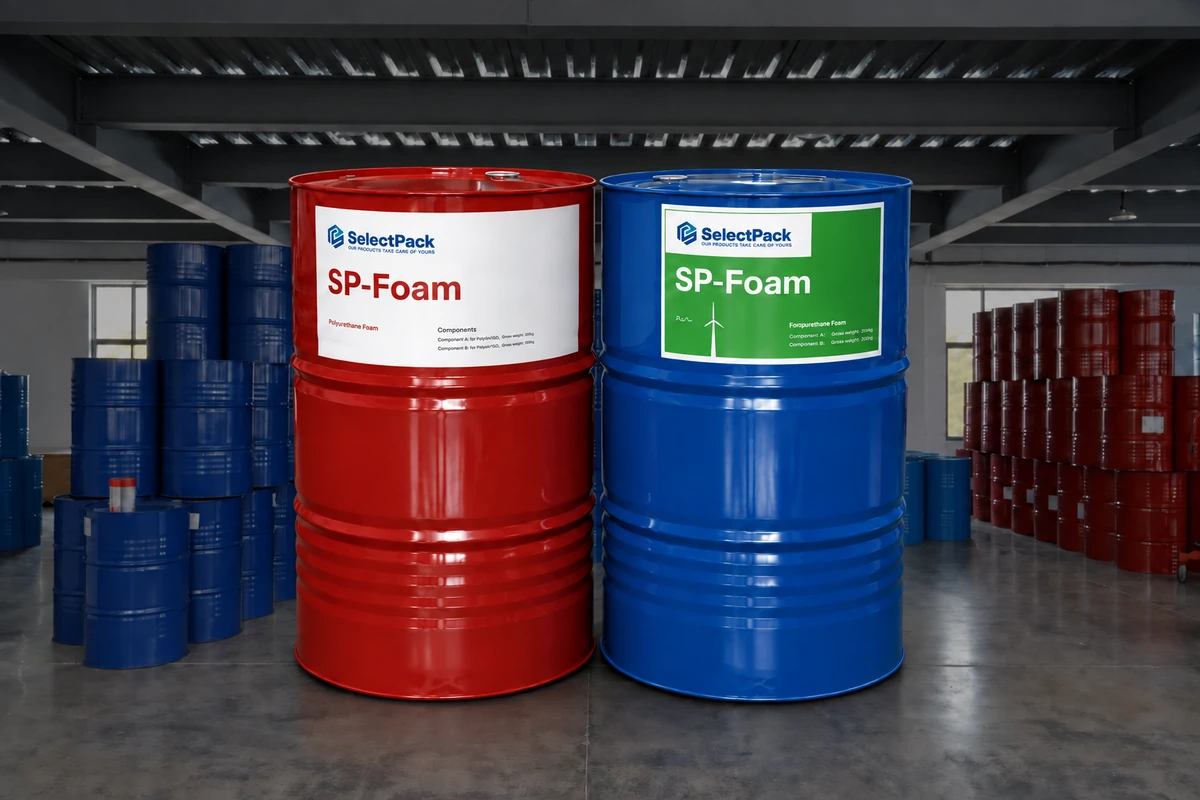
Check the identity of the materials and the documented sequence before judging the foam itself. Record the product code, lot, approved bag or film format, and selected program where applicable. Compare the observation time with the supplier’s specified process timing; do not invent a universal waiting period.
Describe the result precisely: one area lacks the expected shape, the cushion differs from the reference, or visible material appears abnormal. Do not squeeze, cut, or open a suspect bag to classify its contents. An impression such as “too soft” is not a measurement of density or proof of an incorrect component ratio.
For prefilled expandable bags, record the activation and placement sequence that was followed. Machine alarm and dispensing records do not apply to a no-equipment bag workflow.
When a foam bag leaks or tears
A leak requires containment handling under the applicable instructions before further troubleshooting. Do not tape a leaking bag and use it as a finished cushion, or move suspect liquid through an improvised collection process.
From existing observations, distinguish a seam opening, a localized puncture, and damage first seen after placement. Note whether the problem appeared on one bag or several, and whether the bags shared a roll, product code, or lot. This information helps the support team separate material, bag-making, handling, and pack-contact questions without assuming which one is responsible.
When the carton bulges or the product sits incorrectly
Review the approved pack geometry before increasing or decreasing foam output. Confirm the carton code, product revision, accessory position, bag count, and cushion arrangement against the work instruction. A carton that looks similar can still be a different size.
Record whether the problem existed before closing. Do not force the lid shut to conceal an unacceptable fit. If cushion formation appears consistent but the package still fails its fit checks, packaging engineering should review the combination of product, cushion, and outer container.
For a direct-dispensing operation, use the documented placement and inspection controls in the handheld foam-in-place packaging guide as the baseline for comparison.
Record What Changed Before the Problem Appeared
A timeline narrows the investigation more effectively than a list of guessed causes. Mark the last known acceptable pack, the first observed defect, and any changes between them.
Capture:
- Material lot, bag size, or film-roll changes.
- SKU, carton, accessory, or pack-instruction revisions.
- Shift change, startup, pause, or restart timing.
- Selected program and any recorded setting changes.
- Existing alarms and safely accessible display readings, including units.
- Recorded storage or room conditions relevant to the supplier’s instructions.
Use the production record to count affected packs within a defined interval. Write “four rejected packs among the twelve checked after restart” rather than “occasionally bad.” Do not treat the timing of a material change as proof that the new material is defective.
Avoid changing several variables during the investigation. If an authorized correction is made, record exactly what changed and keep its results separate from the original incident. Otherwise, an improved pack provides little evidence about which action mattered.
Where Operator Checks End
Operator checks end at the limits of the model’s instructions and the site’s authorization. Reading an accessible display and checking a material label are different tasks from opening a guarded section, disconnecting a line, or servicing dispensing equipment.
Do not bypass an interlock, repeatedly reset an unexplained fault, or copy temperature, pressure, component-ratio, or cleaning instructions from another system. In U.S. workplaces, OSHA’s control of hazardous energy guidance addresses protection during servicing and maintenance where unexpected startup or stored energy presents a hazard. Applicable work belongs under the site’s procedures and trained personnel.
Keep affected finished packs identifiable while the equipment or material question is resolved. Restarting a machine does not release previously rejected packaging for shipment.
Send a Support Report That Can Be Acted On
A useful report identifies the workflow, the defect, and the comparison. Send the following in one message so the support team does not have to reconstruct the event across several emails:
System: manufacturer, model, serial number, and machine-made bag, direct dispensing, or prefilled bag workflow.
Materials: product codes and lots; film or bag identification where applicable.
Package: SKU, carton code, and approved pack-instruction revision.
Observed problem: location, inspection stage, frequency, and difference from the accepted pack.
Timeline: last acceptable result, first defect, and intervening changes.
Machine evidence: exact alarm text and existing readings, without opening equipment.
Actions already taken: authorized actions and their observed results.
Current status: equipment status, affected packs on hold, and the person coordinating review.
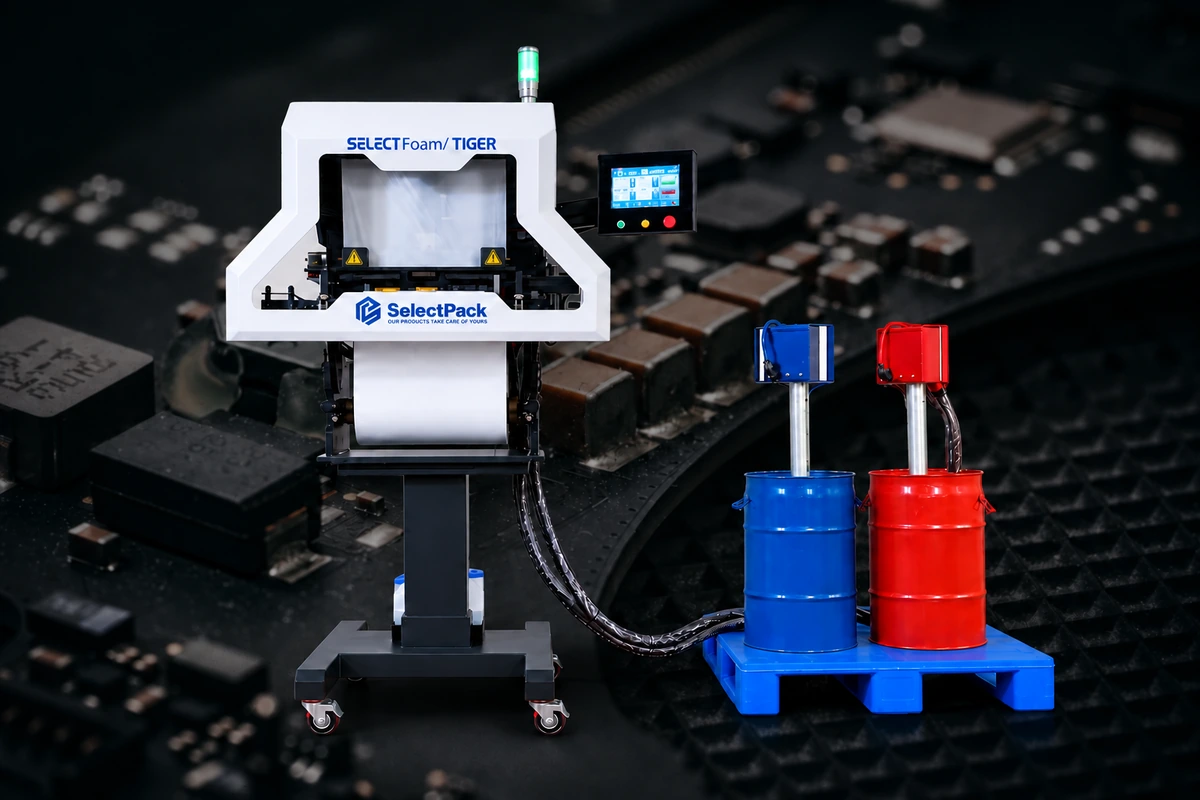
For a SelectPack installation, identify the relevant equipment or bag format in the SelectFoam product range when submitting the report. Include the actual machine identification; a broad description such as “foam machine” is not enough to select the correct instructions.
Confirm the Pack Before Returning It to Use
Resume packing only after the authorized equipment or material action is complete and the package meets its approved acceptance criteria. Check the corrected result against the same product, carton, and method used to define the problem.
Record the check results, the person approving release, and the disposition of held packs. A single good-looking cushion is not evidence that an intermittent problem has ended; use the site’s defined restart checks to assess repeatability.
If the corrective action changes the material, cushion geometry, or complete pack design, packaging engineering must determine what additional validation is needed. The foam-in-place shipping guide explains when route and outer-package risks require more than a packing-station inspection. Successful formation and successful transit protection are separate acceptance questions.