
Furniture Packaging Solutions for Manufacturers
Furniture manufacturers, exporters and distribution teams manage vulnerable corners, finished surfaces, irregular profiles and changing shipment sizes. SelectPack helps teams evaluate protective packaging around the actual furniture, outer pack and handling workflow.
Request a Furniture Packaging Review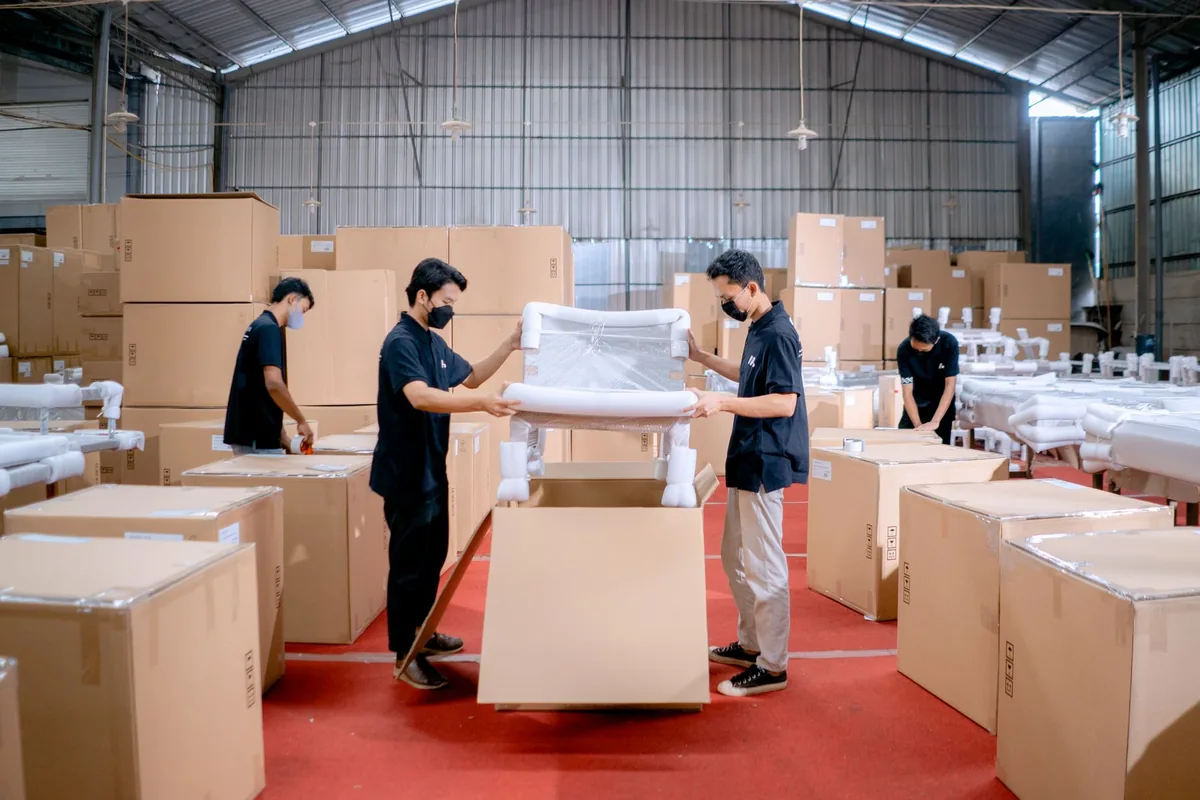
Protect the places furniture is most likely to suffer damage.
Furniture may move through production, staging, loading, export handling and final delivery. The pack design should focus protection where the product is exposed—not simply add more material everywhere.
Hard corners and projecting edges
Table corners, cabinet edges, chair arms and decorative projections can become concentrated impact points inside a carton or crate.
Finished and appearance-critical surfaces
Painted, veneered, polished and upholstered areas require a deliberate contact plan. Surface compatibility and heat tolerance should be checked with the actual product.
Mixed shapes and partial assemblies
Furniture parts, replacement components and assembled products may need different top, bottom, side or corner cushion layouts.
High-mix production and export orders
When product dimensions and cartons change frequently, the packaging method must adapt without creating excessive insert inventory or operator variation.
Build the packaging approach around the actual furniture.
Start with the product, its vulnerable areas, the outer pack and the handling route. Then define which roles must be handled by cushioning, surface separation, restraint and structural support.
Assess the furniture
Record dimensions, weight, finish-sensitive surfaces, protrusions, contact areas and the intended outer pack.
Define the protection roles
Separate local cushioning and surface protection from the restraint, base support and stacking strength required from the outer pack.
Select and validate the solution
Choose the packaging technology for those roles, then refine the layout and material use through representative samples and required shipment tests.
Foam-in-place cushioning for variable furniture SKUs
For furniture with changing shapes, carton sizes and vulnerable contact points, foam-in-place cushioning can be produced on demand around selected corners, edges and support areas.
Foam-in-place cushioning
Evaluate it for vulnerable corners, edges, irregular profiles and selected support points inside a suitable carton, crate or other outer pack.
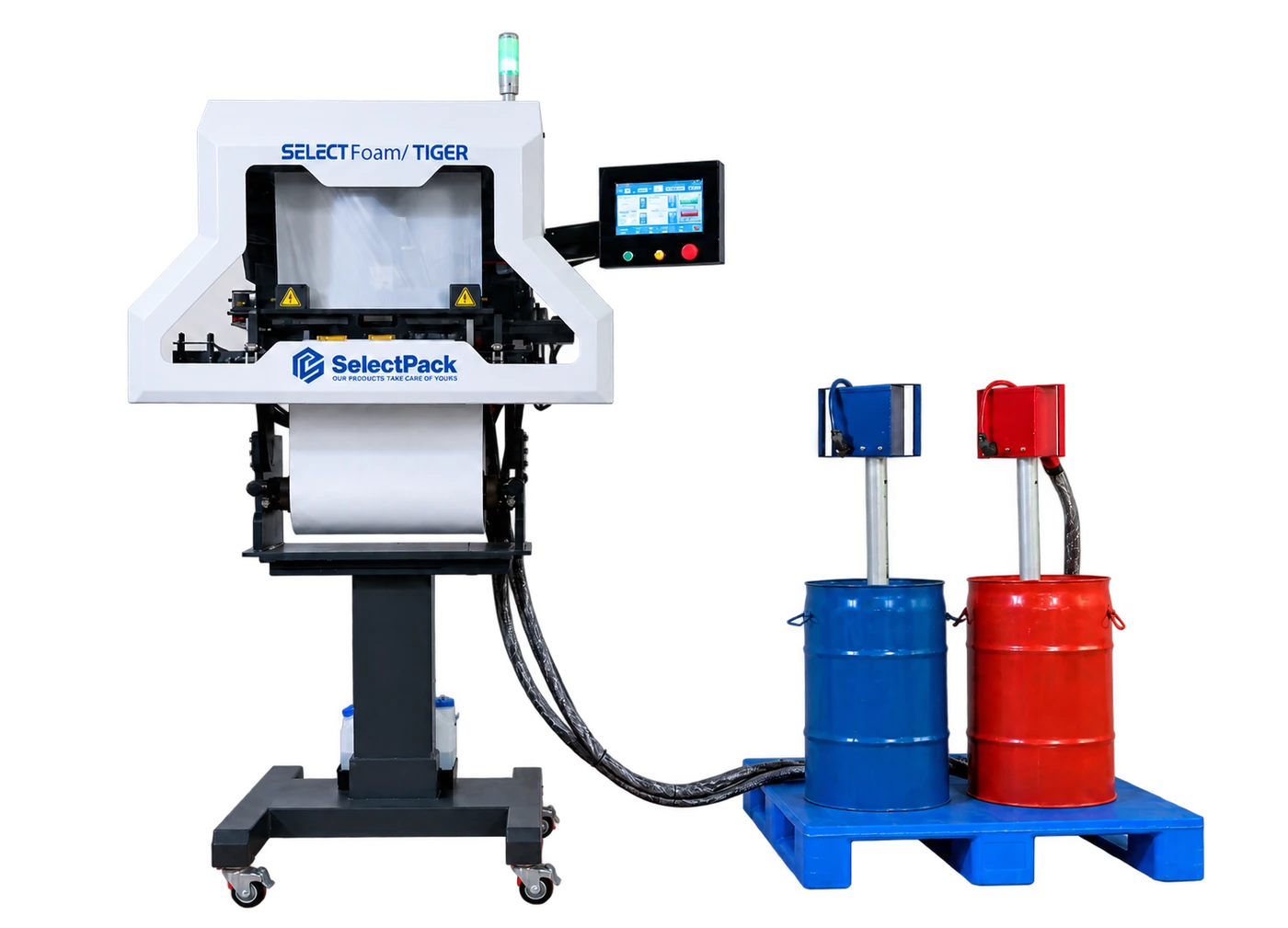 View Tiger Gen 2 details →
Tiger Gen 2 for furniture applications
Tiger Gen 2 produces foam cushions on demand for furniture packing stations where product sizes, cartons and cushion patterns change.
- Use it for
- On-demand foam cushions around corners, edges, irregular profiles and selected support points.
- Useful when
- Furniture SKUs and outer packs vary enough that stocking many fixed insert shapes becomes difficult.
- Confirm first
- Representative products, carton or crate layout, cushion placement, utilities, film and A/B material requirements.
Final foam density, output settings, bag count and cushion layout must be established through engineering review and representative pack testing.
Where foam-in-place fits in the complete packaging system.
Foam-in-place provides local cushioning and restraint inside a shipper, crate or other outer pack. It does not replace the primary load-bearing structure required for very heavy furniture or equipment.
A practical fit
- Chairs, tables, cabinets and furniture components with vulnerable corners or edges.
- Mixed-SKU orders where shapes and pack dimensions change.
- Irregular profiles that are difficult to match with a small set of fixed inserts.
- Local restraint or surface-separated cushioning inside a suitable outer pack.
Needs additional structure
- Loads that require a crate, pallet or base to carry the product weight.
- Packages relying on foam alone for stacking strength or load containment.
- Projects without confirmed carton, crate, handling or storage conditions.
- Finish-sensitive products that have not completed surface and temperature compatibility checks.
A practical route from equipment selection to packaging trials.
SelectPack combines factory-direct equipment manufacturing, OEM project support, packaging materials and application testing to help furniture manufacturers establish a workable packing process.
Learn about SelectPackFactory-direct manufacturing and OEM support
Work directly with the equipment manufacturer to evaluate machine specifications, system configuration and project requirements against the intended packing workflow.
Application and sample testing
Representative products, photos and outer-pack information can support packaging trials, performance review and equipment recommendations.
Equipment and materials considered together
The machine, film and foam materials are reviewed as parts of one operating system rather than as isolated components.
International project communication
International sales and technical communication help coordinate equipment selection and project requirements for overseas buyers.
Request a furniture packaging review.
Start with one representative product. The review identifies required protection roles, checks whether foam-in-place cushioning is appropriate and shows where the outer pack must provide structural support.
Request a Furniture Packaging ReviewFurniture packaging solutions FAQ
These questions cover the featured foam-in-place path and the information needed to evaluate a complete furniture pack.
What packaging method works best for furniture with irregular shapes or mixed SKUs?
The best method depends on product weight, vulnerable areas, finish sensitivity, outer-pack structure and handling route. Foam-in-place cushioning is a practical option when changing shapes and carton sizes need cushions formed on demand around selected contact points.
Can foam-in-place replace a wooden crate or pallet?
No. Foam can cushion and restrain the product inside an appropriate shipper or crate, but it should not replace structural support required to carry heavy loads, enable stacking or contain the product during handling.
Will the foam touch or mark a finished furniture surface?
The foam is contained by the appropriate film rather than applied directly as exposed liquid foam to the product. Even so, surface finish, allowable contact pressure and temperature sensitivity should be checked on representative samples before approval.
Is Tiger Gen 2 suitable when furniture SKUs change?
It is intended for projects that need repeatable settings while product sizes, cartons and cushion patterns vary. The correct workflow still depends on how many pack patterns operators must manage and how the station will be configured.
What should we provide for an initial packaging review?
Provide product dimensions, weight, photos, finish-sensitive areas, carton or crate information, current packaging method, shipping route, packaging volume and representative samples when possible.