Air cushion film compatibility depends on the exact machine, the film structure and the complete roll format. Matching roll width alone is insufficient. A roll must fit the holder and feed path, present its inflation channel correctly and work with the machine’s specified processing requirements.
Confirm compatibility in writing for the proposed film specification and machine version, then qualify a representative sample roll. A roll that fits on the shaft or produces a few inflated sections has passed only part of that check.
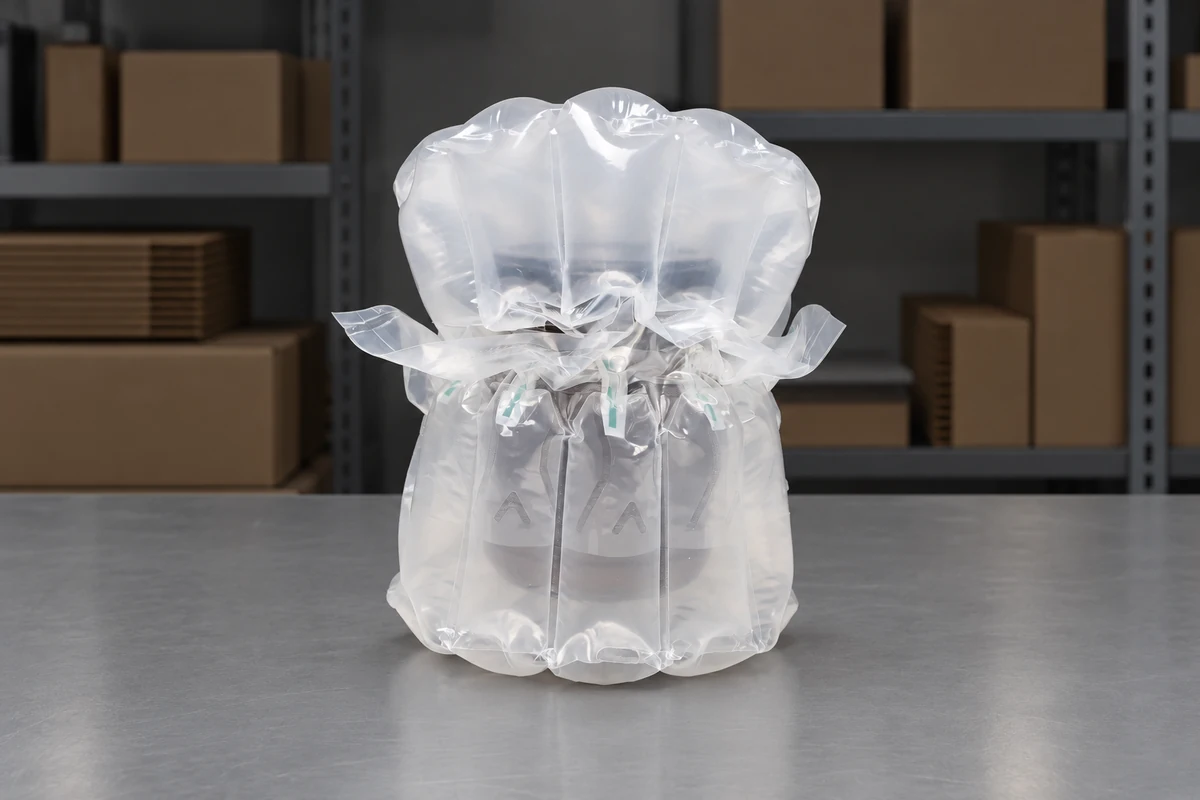
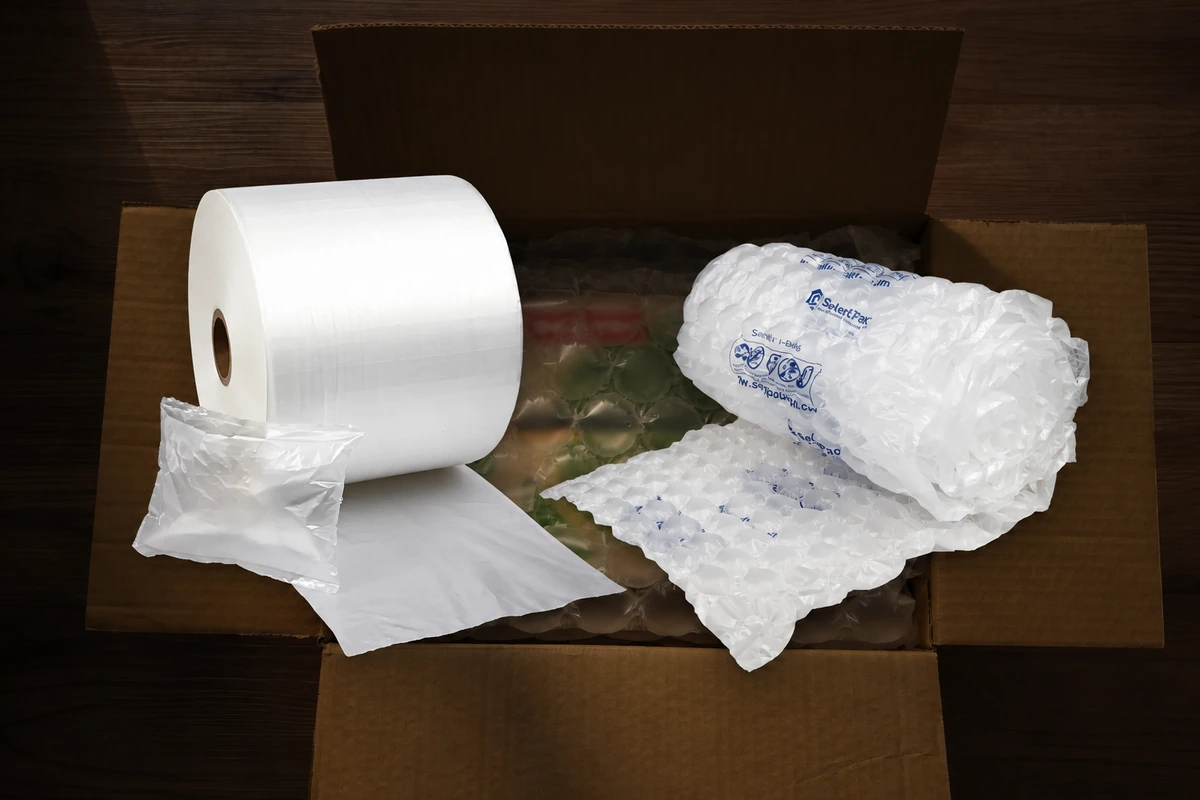
This distinction matters when ordering replacement consumables or changing suppliers. “Air cushion film” covers different material routes; pillow and bubble-film rolls must not be treated as interchangeable with valve-based air column material.
Air Cushion Film Compatibility Starts with the Exact Machine
Use the machine model, version and serial-number information to request approved film specifications. A family name or a supplier’s generic description leaves too much uncertainty for a production order.
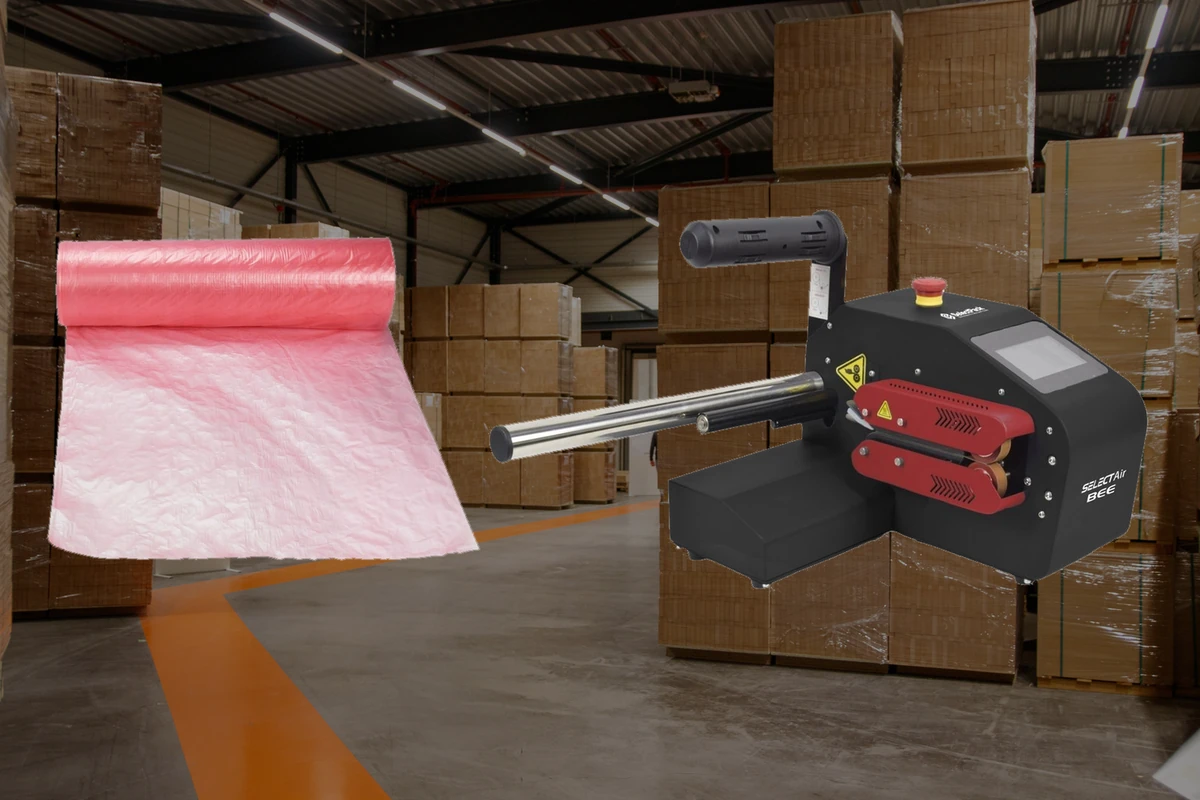
SelectPack’s Bee product page lists on-demand production of pillows, bubbles and tubes. Approval of a particular roll still depends on the machine supplied and its specified consumables. Air column inflation follows a separate equipment route, with its own material and utility requirements.
For an installed machine, use the nameplate, operating manual and current approved film record. For a new machine, ask the supplier to include the proposed consumable in the quotation or configuration record. Record any optional holder or attachment that changes the accepted roll format.
Do not use a related-product list as a compatibility table. A manufacturer might sell several film and machine types without every material fitting every machine.
Build a Film Specification That Covers Fit and Processing
A useful compatibility record describes physical fit, material construction and processing together. Omitting one group leaves room for a roll that fits mechanically but performs differently in production.
| Specification group | Information to confirm | What it controls |
|---|---|---|
| Film construction | Material grade, layers, thickness and tolerance | Approved processing behavior |
| Finished format | Pillow, bubble or tube geometry; section pitch | Usable output and separation |
| Roll dimensions | Width, outside diameter, length and roll weight | Holder fit and replenishment |
| Roll mounting | Core inside diameter, core length and mounting method | Correct support and rotation |
| Presentation | Winding direction and inflation-channel position | Correct loading and feeding |
| Processing | Approved inflation and sealing requirements | Repeatable finished cushions |
Ask which specifications are limits and which describe a currently offered roll. A product-page example is not automatically the machine’s full operating range. Similarly, a maximum outside diameter does not establish an acceptable roll weight unless that requirement is confirmed.
Why does material grade matter if thickness is the same?
Equal thickness does not establish equal film behavior. Different material constructions require their own approval for the proposed equipment and application.
Identify the actual grade rather than ordering only “PE film” or a nominal thickness. Request the supplier’s specification reference and revision. If a printed, colored, recycled-content or other specialized film is proposed, confirm that exact construction instead of transferring approval from the standard transparent film.
Material claims are separate from machine compatibility. A claim about recyclability, electrostatic properties or another special function requires its own applicable evidence. A machine successfully inflating the roll does not verify those properties.
Why does winding direction matter?
Winding direction determines how the film presents its inflation channel and other features to the feed path. A roll with the right width can still require an unsupported loading arrangement.
Have the supplier identify the roll orientation with a specification or loading drawing. Confirm which edge carries the inflation channel and how the roll unwinds when installed as instructed. Do not twist the material or improvise an alternative path to make an unfamiliar roll run.
Perforation position matters too. Check the finished section pitch and how operators separate the output. A different pitch changes piece count, useful wrapping length and handling at the station even if the roll processes successfully.
Qualify a Sample Roll Before Switching Production Supply
Qualify the proposed roll against the approved baseline under documented conditions. The goal is to determine whether the roll works consistently in the intended process, not merely whether the machine starts.
First agree what the sample represents: material grade, production batch, thickness, dimensions, winding arrangement and finished format. A hand-prepared short sample does not establish the behavior of the production roll’s diameter, weight or full winding quality.
Use trained operators and the machine manufacturer’s loading and operating instructions. Record the approved settings, then evaluate feeding, inflation, finished sections and separation. Do not compensate for an unknown material by experimenting outside the manufacturer’s operating limits.
Include the routine events that expose practical differences:
- Start the intended job using the specified loading procedure.
- Produce and inspect sections during the run, not just at startup.
- Use the normal pause and restart procedure.
- Separate and handle material as operators do at the packing station.
- Confirm the required roll-change process and inspect material near the usable end of the roll.
Agree the trial duration and acceptance criteria according to the production risk. No universal number of meters or sample sections proves compatibility for every operation.
What Counts as a Passing Result?
A passing result covers consistent processing and usable output for the defined task. Physical fit, inflated appearance and packaging performance are separate decisions and should be recorded separately.
Mechanical checks establish that the approved roll can be mounted and fed as instructed. Process checks examine repeatable inflation, section separation, visible defects and any interruptions. Application checks establish that the output works in the approved pack layout.
Include any waiting period relevant to the operation. Material produced for immediate packing presents a different requirement from material held in a station buffer. If sections lose air during that period, follow the air-pillow deflation investigation rather than treating extra inflation as a substitute for diagnosis.
Record rejected sections and the reason for each rejection. A trial that excludes scrap from the result hides material use and operator intervention. Approval should identify the machine, settings, film specification and production conditions under which acceptable output was obtained.
Keep Reorders and Changes Under Control
Reorder against the approved specification, not a photograph or a description such as “the same roll as last time.” Preserve the material reference and revision, roll format, machine identity and sample-approval record in the purchase specification.
Ask the supplier to flag changes to material construction, thickness tolerance, winding, core or finished geometry before shipment. Decide which changes require another trial. A new film grade at the same width is still a change; a different roll format on the same grade can also affect the operation.
On receipt, check identification and roll dimensions against the order. Keep batch traceability through production so a suspected issue can be associated with the material used. Avoid mixing unidentified remainder rolls into a qualification run.
When discussing the SelectAir material range, provide the machine identity, existing approved roll specification, proposed change and finished cushion format. Request a matched machine-and-film recommendation and representative sample roll. That gives consumable procurement a defined approval route before a bulk purchase.