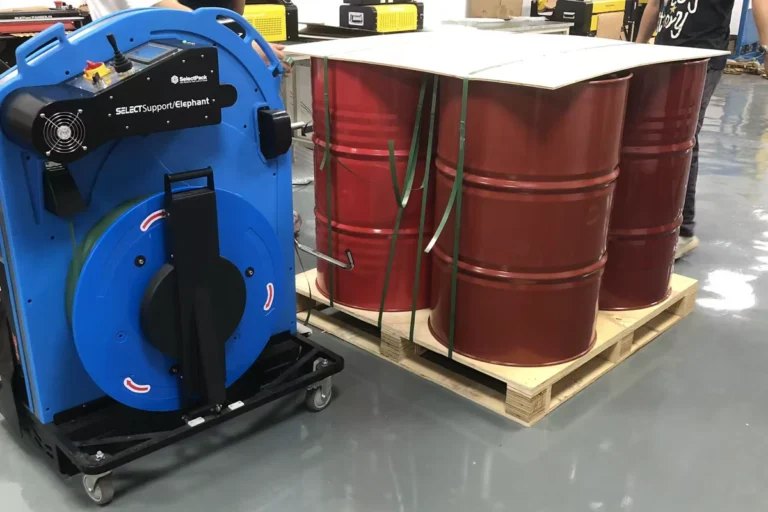
A mobile pallet strapping machine is a practical option for drum pallet strapping when the pallet has an accessible underside channel and the drum arrangement provides a controlled route for

A mobile pallet strapping machine is a practical option for drum pallet strapping when the pallet has an accessible underside channel and the drum arrangement provides a controlled route for
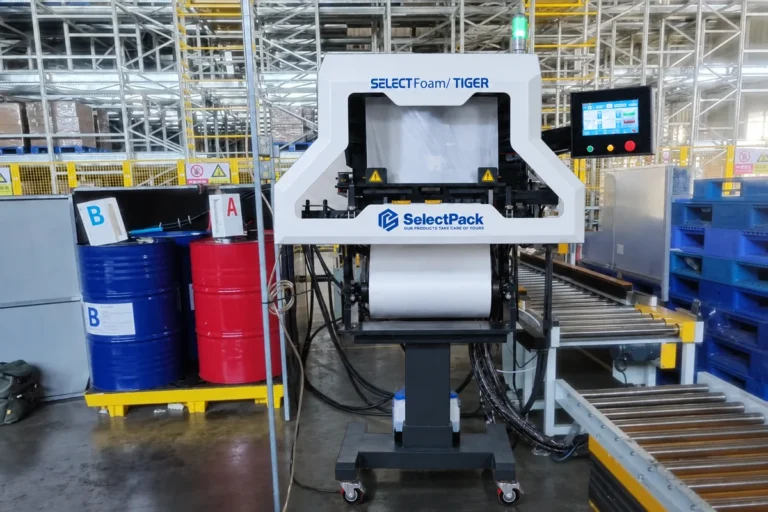
To investigate suspected foam-in-place packaging condensation, establish where the moisture first appears and compare the affected surface temperature with the dew point of the air reaching it. A cold part
For a foam-in-place cushion formed around the product inside a carton, position the product during the forming stage specified for that system. Waiting until the cushion has hardened prevents it
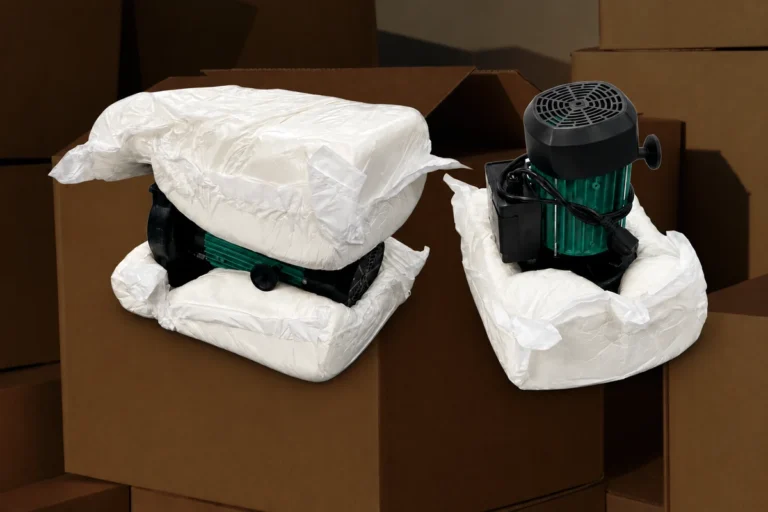
A product does not always need to be fully surrounded by foam-in-place cushioning. Top-and-bottom cushions or localized supports are valid candidates when they bear on suitable product surfaces, control movement,
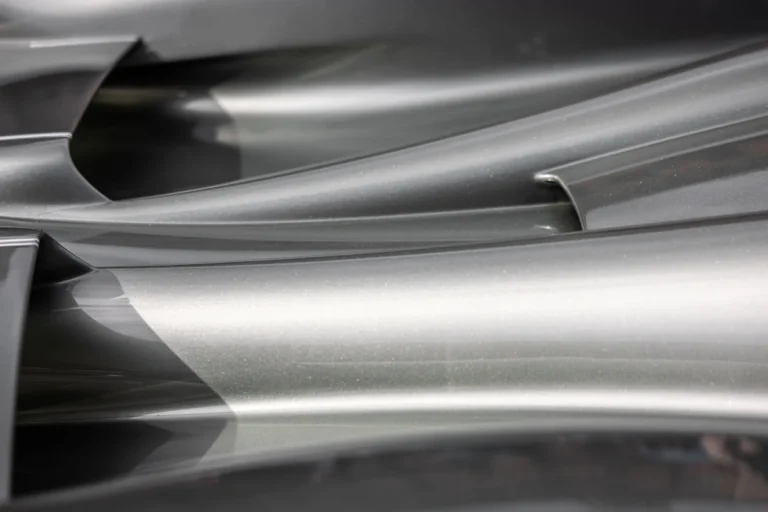
Foam-in-place packaging for sensitive finishes needs a contact assessment as well as a cushioning assessment. Holding a product securely does not establish that its coating, decorative film, or polished surface
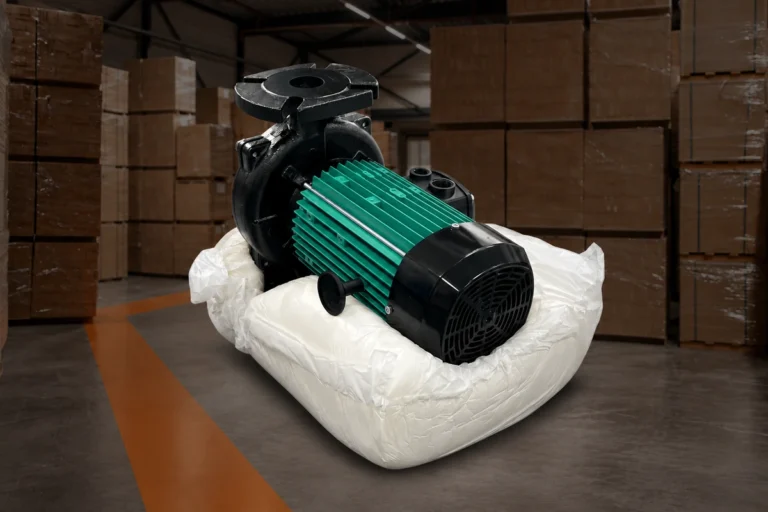
Reuse foam-in-place cushions for a return shipment only when the packaging approval covers that reuse and the actual product, cushions, and outer package meet its acceptance conditions. Cushions that still
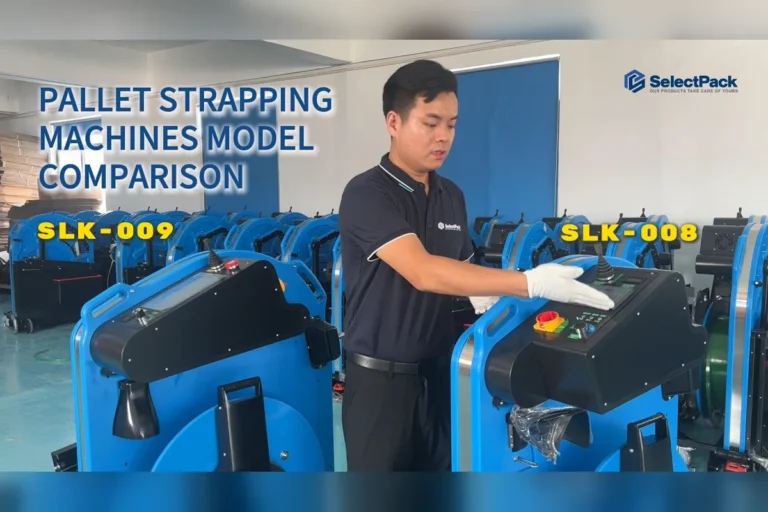
The practical difference between the SLK-008 and SLK-009 is their machine configuration and service-parts architecture—not a performance advantage established by the model number alone. The SLK-008 has one motor and
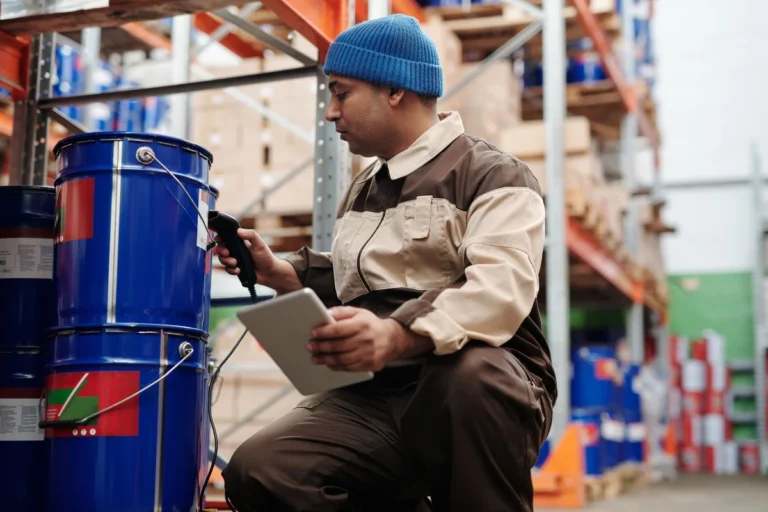
A replacement foam-in-place chemical or film is ready for production only when its suitability for the specified equipment and material combination has been confirmed and the resulting package meets its
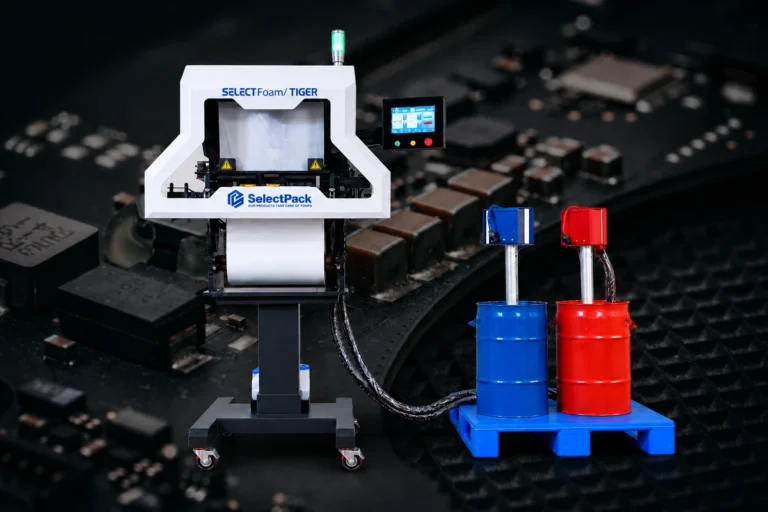
Foam-in-place cushioning does not establish electrostatic discharge (ESD) protection. Before approving foam packaging for electronics, identify the product’s ESD requirements, the packaging materials responsible for meeting them, and the evidence
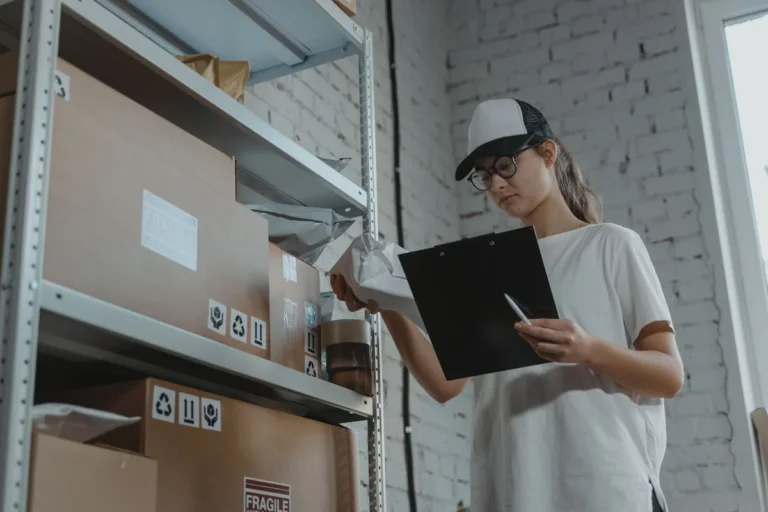
To reduce foam-in-place packaging waste, first separate material used in accepted packs from material lost during startup, rejected cushions, and rework. Measure the same SKU and packaging configuration before changing