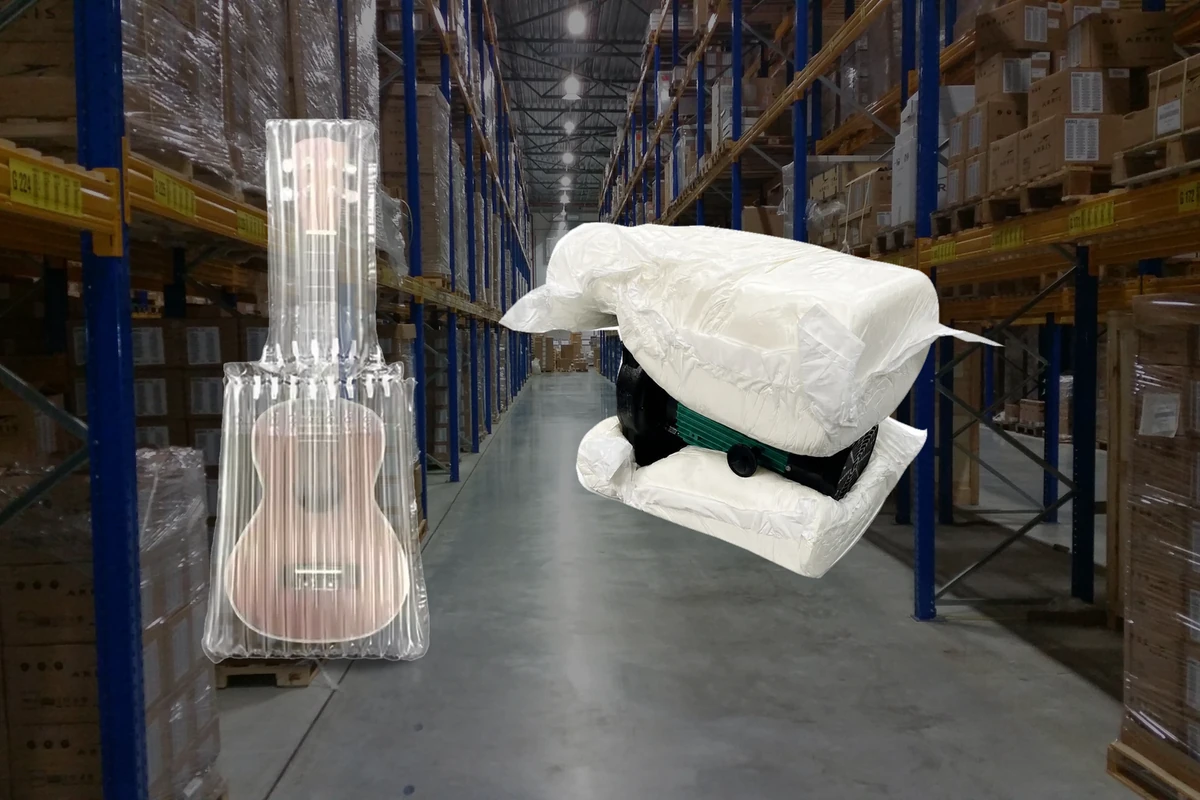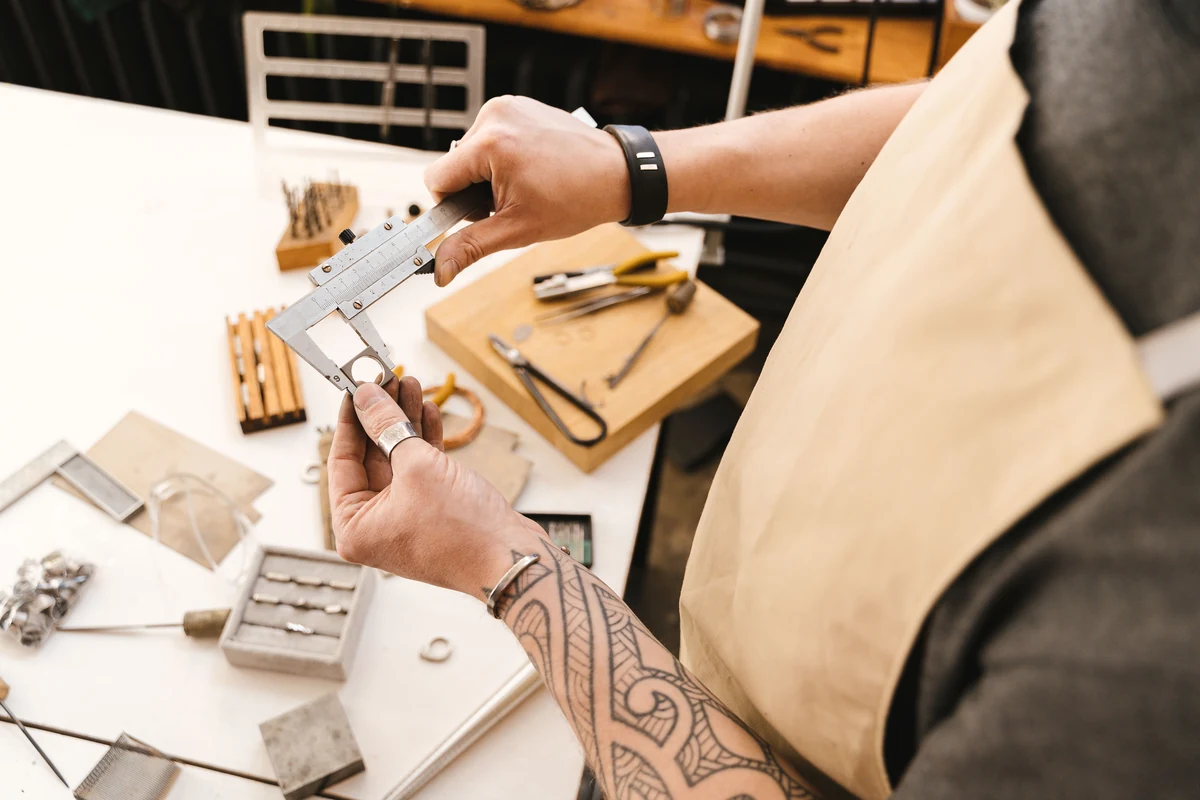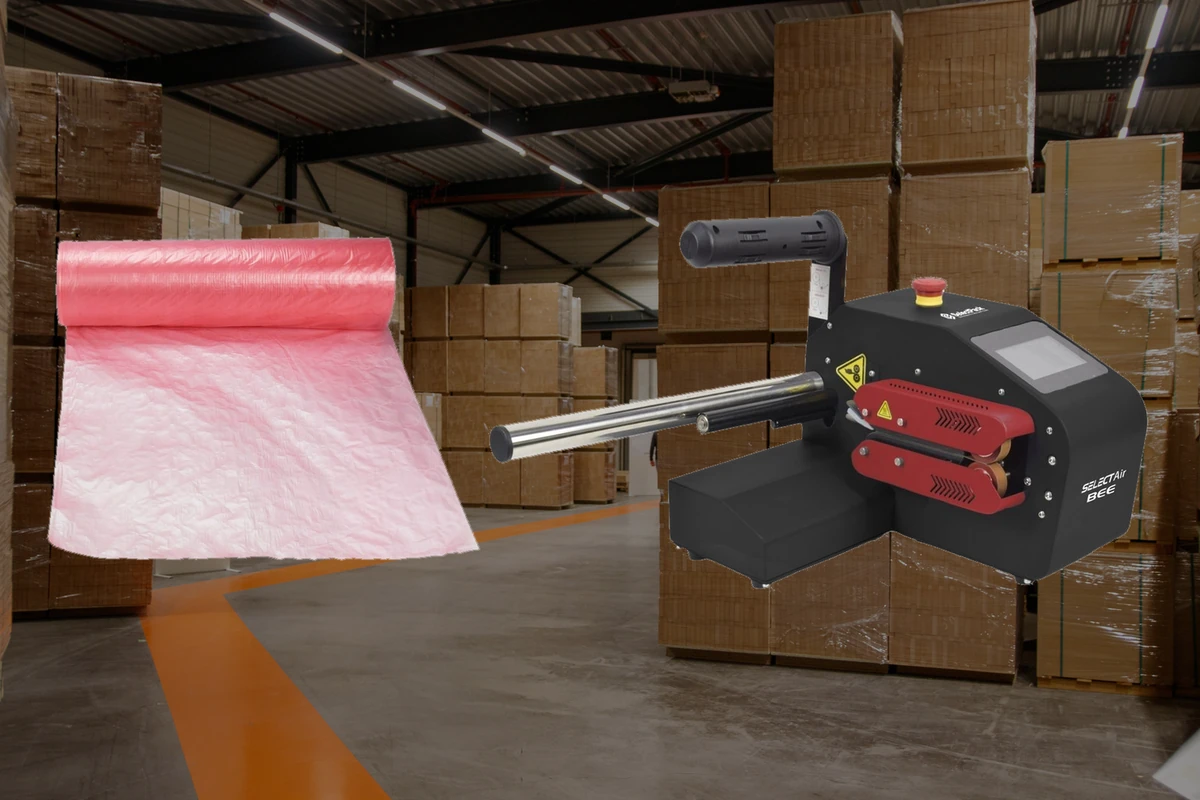
Compare air column bags vs foam in place by the way each complete package fits and supports your product. Shortlist an air column bag when an available or specified inflated cavity suits the product and outer carton. Shortlist foam-in-place when an approved cushion layout needs to form around selected support areas and your packing station can carry out that workflow.
Neither product weight nor an irregular outline settles the comparison. Both routes need suitable contact locations, clearance around vulnerable parts and a package that meets the actual shipping requirements. A correctly chosen material with a poor layout can still leave the product exposed or difficult to unpack.
Compare two workable packing methods for the same product and shipping task. Give each route a suitable carton and layout, then assess protection, operating effort and recurring supply requirements together.
What Are You Comparing?
An air column bag is an inflatable packaging format with a specified shape and internal fit. Foam-in-place is a process that forms foam cushioning at the packing station. The comparison is therefore between a bag-and-inflation workflow and a cushion-forming workflow, not simply between two loose materials.
Air column packaging includes shaped bags and column material formats. The selected bag needs the right insertion opening, usable inflated dimensions and arrangement around the product. Air pillows used as loose void fill are a different format and should not be substituted for the air column bag candidate in this comparison.
Foam-in-place systems form expanding foam cushioning through the specified equipment, materials and packing method. In foam-in-bag workflows, the forming cushion remains within a film bag. Other dispensing methods have their own containment and operating requirements. Select the actual proposed workflow rather than assuming all foam equipment works the same way.
Pre-cut solid foam inserts are a separate purchasing route. Their inventory and manufacturing considerations do not automatically describe foam-in-place.
| Decision factor | Air column bag candidate | Foam-in-place candidate |
|---|---|---|
| Fit | Inflated cavity and bag shape | Formed layout and suitable support areas |
| Vulnerable features | Bag contact and insertion clearance | Cushion contact and keep-clear regions |
| Operator task | Inflate, insert and place the assembly | Produce or activate cushions and position them |
| SKU change | Confirm another bag or format is suitable | Confirm the layout and material/process settings |
| Supply control | Bag or roll specification and inflation equipment | Compatible film/bags, foam materials and equipment |
| Recipient experience | Bag removal and product access | Cushion separation and removal sequence |
The table identifies the next checks. It does not rank one route above the other for every product.
Can the Bag or Cushion Contact the Product in the Right Places?
Evaluate contact locations before deciding which route fits. A bag that surrounds the product and a foam cushion that follows its outline still need to avoid pressure on fragile components and provide support at suitable surfaces.
Check the air column bag’s usable cavity
Measure the actual product, including protruding handles, connectors and offset parts. Confirm the bag opening, insertion direction and internal space after inflation. Flat bag width and length are insufficient to establish the complete fit.
Examine the packed assembly inside its proposed carton. A bag that accepts the product outside the box still needs room for its inflated structure when packed. Check whether the assembly moves, whether contact shifts toward a vulnerable feature and whether the carton closes without forcing the package into an unsuitable position.
The air column bag sizing guide develops the measurements and sample-fit checks for that route.
Check the foam support layout
Identify permitted bearing surfaces, regions that must remain clear and the movement the cushions must control. A full surrounding shape, top-and-bottom arrangement and local supports create different contact conditions.
For an illustrative product with a sturdy housing and a projecting shaft, either candidate needs to protect the shaft from unwanted contact while supporting suitable parts of the housing. Calling the product “irregular” does not establish that foam is the better solution or that a shaped air bag will fit.
The foam-in-place cushion design guide explains how layout, support points and removal paths affect the decision. Foam density or the amount dispensed should not be treated as a substitute for that layout review.
Which Packing Workflow Can Your Station Repeat?
Choose a route your operators can reproduce with the specified product, materials and station arrangement. Equipment output is only one part of the complete packing cycle.
For the air column candidate, observe material retrieval, inflation, product insertion, carton placement and closure. Confirm the bag or roll format with the proposed inflation equipment. A machine suitable for another inflatable format does not establish compatibility with the selected air column material. Record any external air, electrical or storage requirements for the actual configuration.
For the foam candidate, observe cushion production or activation, placement, forming, remaining packing steps and closure. Follow the material and equipment instructions for handling and timing. Do not transfer a forming time or operating setting from a different foam system to the proposed one.
For machine-based foam-in-bag production, include compatible A/B materials and dedicated bag film, consumable replenishment and the specified cleaning work in the station plan. Prepackaged expanding foam bags use a separate activation method and do not require an installed dispenser. Follow the handling instructions and safety data for the materials in the selected route.
Record acceptable completed packs rather than only machine cycles. Include material changes, replenishment, rejected packs and the interventions needed to keep the method consistent. If a sample relies on an experienced demonstrator repeatedly correcting the layout, identify how the normal production team will achieve the same result.
Consider unpacking as part of the workflow. The recipient should be able to reach the product and remove the protective material without dragging it across vulnerable features. A package that is easy to assemble but difficult to open needs further review.
How Does a Mixed SKU Range Change the Comparison?
Map the SKU range to approved packaging configurations. Neither a stock of similar-looking bags nor a flexible foam process establishes that every new product is covered.
For air column bags, identify which products share an approved bag specification and which require another size, shape or packing orientation. Include the purchasing and storage consequences of those distinct materials. Do not approve a new product simply because it can be pushed into an existing bag.
For foam-in-place, identify the approved layout, film or bag format and materials for each product family. A changing outline can require a new support arrangement or keep-clear region even when the same equipment is used. The operator needs controlled packing instructions rather than a general instruction to fill the space.
Review low-volume and awkward SKUs alongside repeat orders. They often reveal a material selection, training or changeover task that a high-volume reference product does not show.
How Should You Compare Protection and Cost Fairly?
Compare complete candidate packages against the same product acceptance criteria and distribution task. Allow each route a suitable outer package; forcing both into an unsuitable shared carton can distort the result.
Keep the comparison record specific:
| Record | What to retain for each candidate |
|---|---|
| Product and task | Same SKU/revision, shipping route and required condition on arrival |
| Complete package | Carton specification, material grade, arrangement and orientation |
| Packing process | Operator steps, equipment configuration and material consumption |
| Validation | Agreed method, observations, damage and functional results |
| Operating result | Acceptable packs, time, waste, replenishment and rework |
Use an appropriate transport validation method for the distribution environment. ISTA’s test procedure framework distinguishes screening from simulation of different shipment environments. A material label or a visually convincing sample is not a substitute for the completed package’s result.
Compare costs only with those results attached. Include material usage, outer packaging, labor, equipment and maintenance, inventory and recurring handling tasks. Keep any trial figures identified as trial results; do not present a supplier’s maximum equipment output as the packing rate used in a cost calculation.
Cushioning and restraint requirements should be assessed together. A validated fitted foam layout can help limit movement, but neither an inflated bag nor a formed cushion should be assumed to replace any specified rigid blocking, bracing or load-securing components. A cushioning change by itself also does not repair an inadequate carton. Establish any separate load-securing requirements before comparing the internal protective material.
What Should You Provide for a SelectPack Comparison?
Provide the product and its permitted contact areas before requesting either material. Include dimensions, mass, packing orientation, fragile features, proposed carton, SKU mix, packing demand and shipping requirements.
Use the SelectAir packaging range to discuss bag and inflation options, and the SelectFoam equipment and material range to discuss a specific cushion-forming workflow. Ask for two defined sample packing methods with their material and equipment requirements, then choose using the complete package and operating results.