Foam packaging machine suppliers should be compared by how well they diagnose the packaging problem, not only by whether they sell a machine. A strong supplier asks about products, cartons, damage modes, volume, consumables, site constraints, and training before recommending equipment.
Use the scorecard below when comparing foam packaging machine suppliers. It helps purchasing, operations, packaging engineering, and warehouse teams evaluate supplier quality with the same criteria instead of relying on a price-first conversation.
This is not a supplier directory. It is a buying tool for teams evaluating foam-in-place equipment, handheld dispensing, expandable foam bags, or a combined protective packaging workflow.
If the immediate question is quote structure rather than supplier screening, start with the foam packaging machine price factors first.
Supplier Scorecard
Score each supplier from 0 to 3 in each area.
| Score | Meaning |
|---|---|
| 0 | Not addressed or only answered with generic sales language. |
| 1 | Mentioned, but without enough detail to support a buying decision. |
| 2 | Addressed with useful detail, but still needs confirmation. |
| 3 | Clear, application-specific, and tied to your products and workflow. |
| Evaluation area | What a strong answer should include |
|---|---|
| Application diagnosis | Supplier asks about product dimensions, weight, surfaces, damage history, carton style, and shipping route before recommending equipment. |
| Workflow fit | Supplier can explain whether the operation fits automated foam-in-bag output, handheld foam-in-place dispensing, expandable foam bags, or another material. |
| Consumable transparency | Supplier explains foam, film, bags, liners, expected usage, storage, shelf life, reorder process, and cost-per-pack assumptions. |
| Sample-pack support | Supplier can support sample packs using real products or representative products before the system is standardized. |
| Site readiness | Supplier asks about station space, operator reach, utilities, storage, maintenance access, and safety documentation needs. |
| Training and maintenance | Supplier defines startup training, operator instructions, maintenance routines, spare parts, and troubleshooting support. |
| Quote clarity | Supplier separates equipment, consumables, installation, service, optional items, exclusions, and assumptions. |
| Boundary honesty | Supplier can say when foam is not the right first option, especially for low-risk goods or heavy freight requiring structural restraint. |
Add the scores. A supplier does not need to score 3 in every area, but weak application diagnosis or vague consumable planning should slow the purchase.
How to Read Supplier Answers
A good supplier answer is specific to your packaging problem. Listen for concrete language:
- “For this weight range and carton size…”
- “This product family may need a top and bottom cushion…”
- “This application looks more like handheld dispensing than automated bag output…”
- “Foam can cushion this load, but it will not replace blocking or bracing…”
- “We need sample products before confirming the foam amount…”
Generic answers are weaker:
- “This machine works for most warehouses.”
- “It will improve protection.”
- “The material cost depends.”
- “You can use the same system for everything.”
- “Testing is optional.”
The difference matters because foam packaging is application-specific. The supplier should be able to explain why the recommended workflow fits the product and packing station.
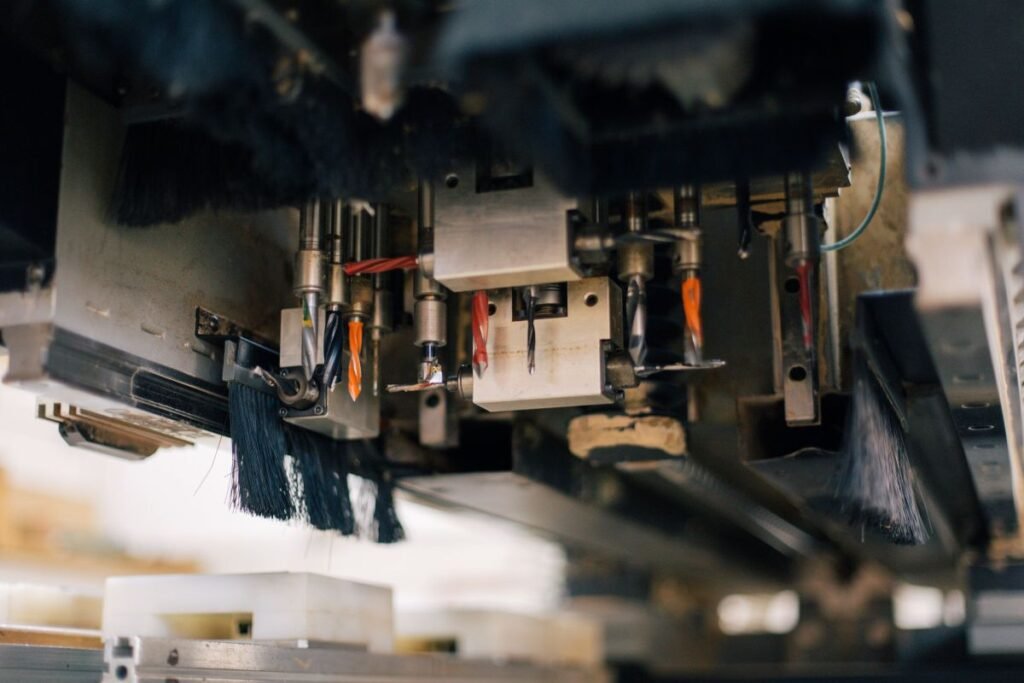
Workflow Range: Why It Matters
Supplier capability is not only about having one machine. Buyers should understand whether the supplier can discuss multiple routes:
- Automated foam-in-bag output for repeated packs and controlled bag production.
- Handheld foam-in-place dispensing for mixed products and placement control.
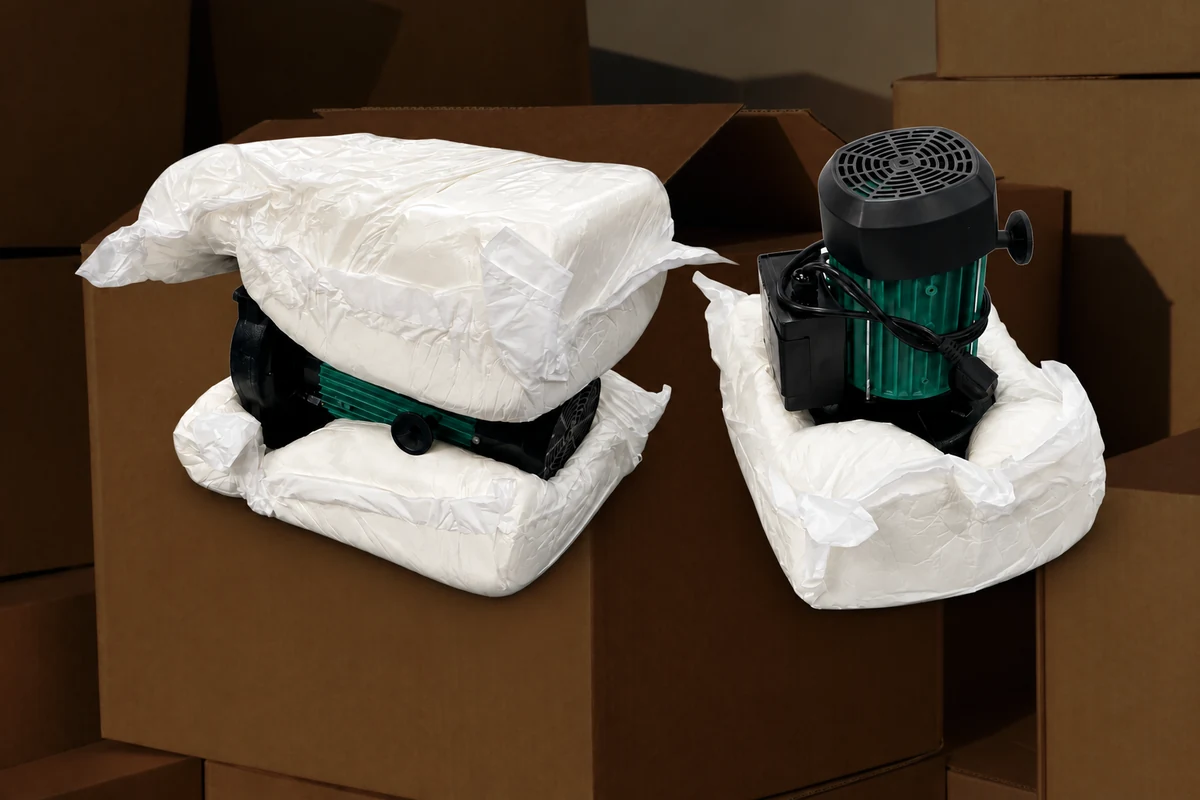
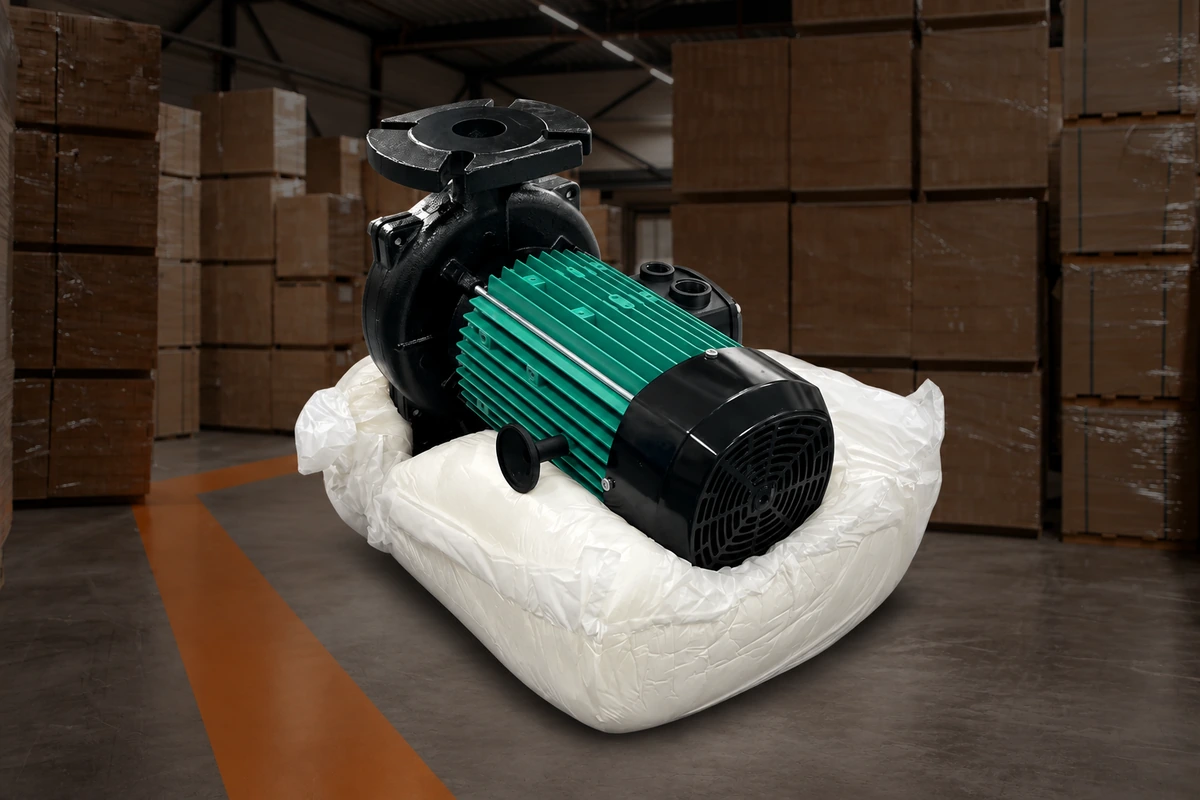
- Expandable foam bags for lower-volume or no-equipment use.
- Foam as one part of a larger package that may also need cartons, crates, blocking, or inserts.
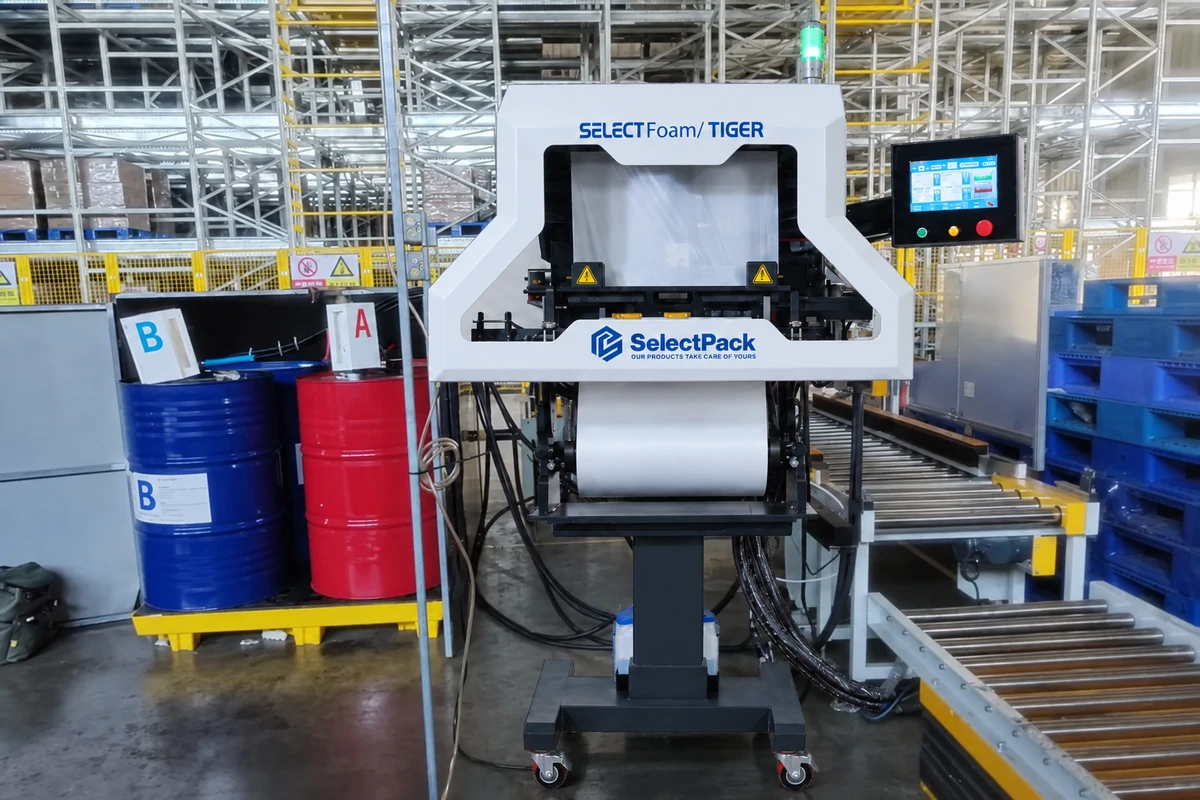
For example, the SelectPack foam-in-place workflow options can be evaluated across automated foam bag output, handheld foam-in-place dispensing, and expandable foam bags. The supplier discussion should still start with the product and workflow, not with a preset answer. For machine shortlisting, use the foam-in-place packaging machine selection guide; for workflow comparison, use the foam-in-bag packaging system guide.
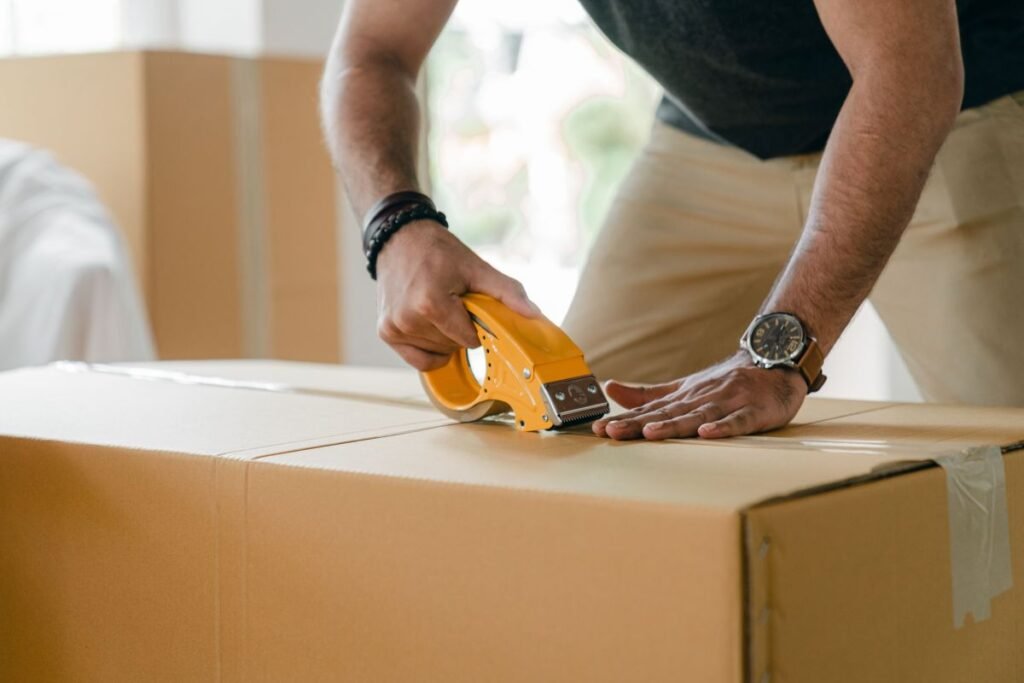
RFQ Pack: What to Send to Every Supplier
Send the same RFQ pack to each supplier so the answers are comparable:
- Product list with dimensions, weight, and photos.
- Current carton sizes and current packaging method.
- Damage history or the specific protection problem.
- Daily and peak foam-protected pack volume.
- SKU variation and changeover frequency.
- Shipping route: parcel, LTL, palletized, export, returns, or internal transfer.
- Packing station layout and available space.
- Desired support: sample pack, startup, training, spare parts, service, and consumable supply.
Do not send one supplier detailed information and another supplier a short price request. The comparison will not be meaningful.
Red Flags That Should Lower the Score
Lower the supplier score when the supplier:
- Recommends a machine before reviewing products and cartons.
- Cannot explain consumable usage or reorder planning.
- Treats foam as a replacement for structural bracing on heavy freight.
- Gives no practical plan for sample packs or operator training.
- Provides a quote without assumptions or exclusions.
- Avoids discussing storage, SDS, maintenance, or spare parts.
- Pushes a single workflow even when your product mix suggests another route.
One red flag does not always disqualify a supplier, but repeated vague answers usually lead to poor quote quality.
Decision Rule
Choose the supplier that gives the clearest application-specific path, not automatically the lowest equipment price. A better supplier should help you decide whether to buy a machine, use expandable foam bags, change the carton, test another material, or run a sample-pack trial before committing.
If the supplier can explain the tradeoff in plain operational terms, the quote is more likely to support a real packaging decision.