When a buyer searches for strapping machine price, they are usually not looking for a simple catalog number. They are trying to understand what a realistic quote should include and why one machine can cost more than another. For North American warehouses, manufacturers, distribution centers, and e-commerce operations, the purchase decision is rarely just about the equipment price. It is also about labor, throughput, pallet flow, material compatibility, service expectations, and whether the machine fits the packaging operation.
This guide explains the main cost factors behind a strapping machine quote without inventing price ranges. The goal is to help buyers compare proposals more intelligently and prepare the information SelectPackTech needs to recommend a practical solution.
Why There Is No Single Strapping Machine Price
A strapping machine is part of a packaging workflow. Two buyers may use the same keyword but need very different solutions. One facility may need a mobile machine for pallet loads moving through a staging area. Another may need a semi-automatic machine for cartons or bundles. A higher-volume operation may be evaluating automatic strapping equipment as part of an end-of-line system.
Because those applications are different, the quote should be built around the work being done. A useful price conversation starts with the load type, strap material, daily volume, operator workflow, and automation target. Without that context, a low equipment price can hide a poor fit, while a higher quote may include capabilities that the buyer does not actually need.
Automation Level Is the First Cost Driver
The biggest price difference usually comes from automation level. Manual tools, battery-powered tools, semi-automatic machines, mobile pallet strapping machines, and fully automatic systems all solve different labor and workflow problems.
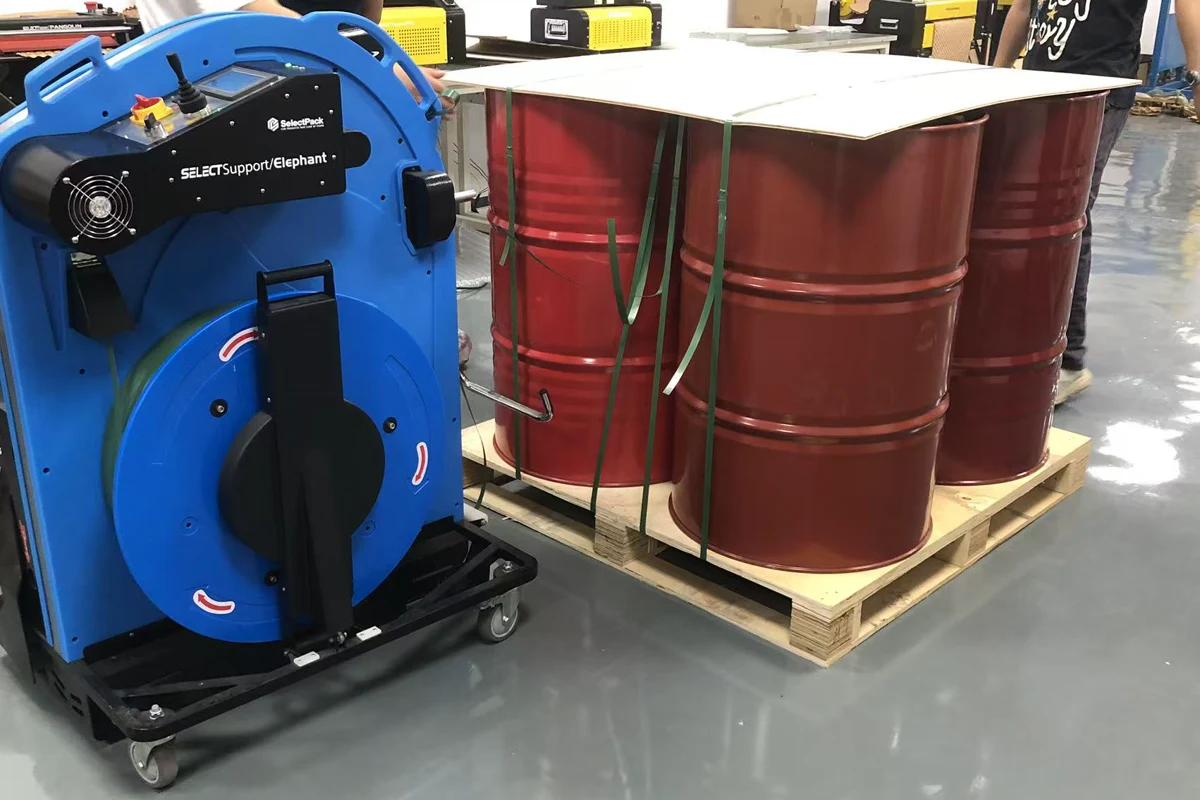
Manual and battery-powered tools may fit lower-volume or highly flexible environments. They can be useful when pallets, cartons, or bundles vary widely and the operator needs mobility. Semi-automatic machines can improve consistency when the package can be brought to the strapping station. Mobile pallet strapping equipment can reduce the need to move heavy pallets to a fixed machine. Automatic systems can reduce manual involvement when load flow, pallet dimensions, and throughput justify integration.
The right automation level is not always the most advanced one. A packaging line with consistent loads may benefit from automation, while a warehouse with mixed pallet sizes may need flexibility more than speed. A price comparison should always identify what labor or workflow issue the buyer is trying to solve.
Load Type, Size, and Packaging Workflow
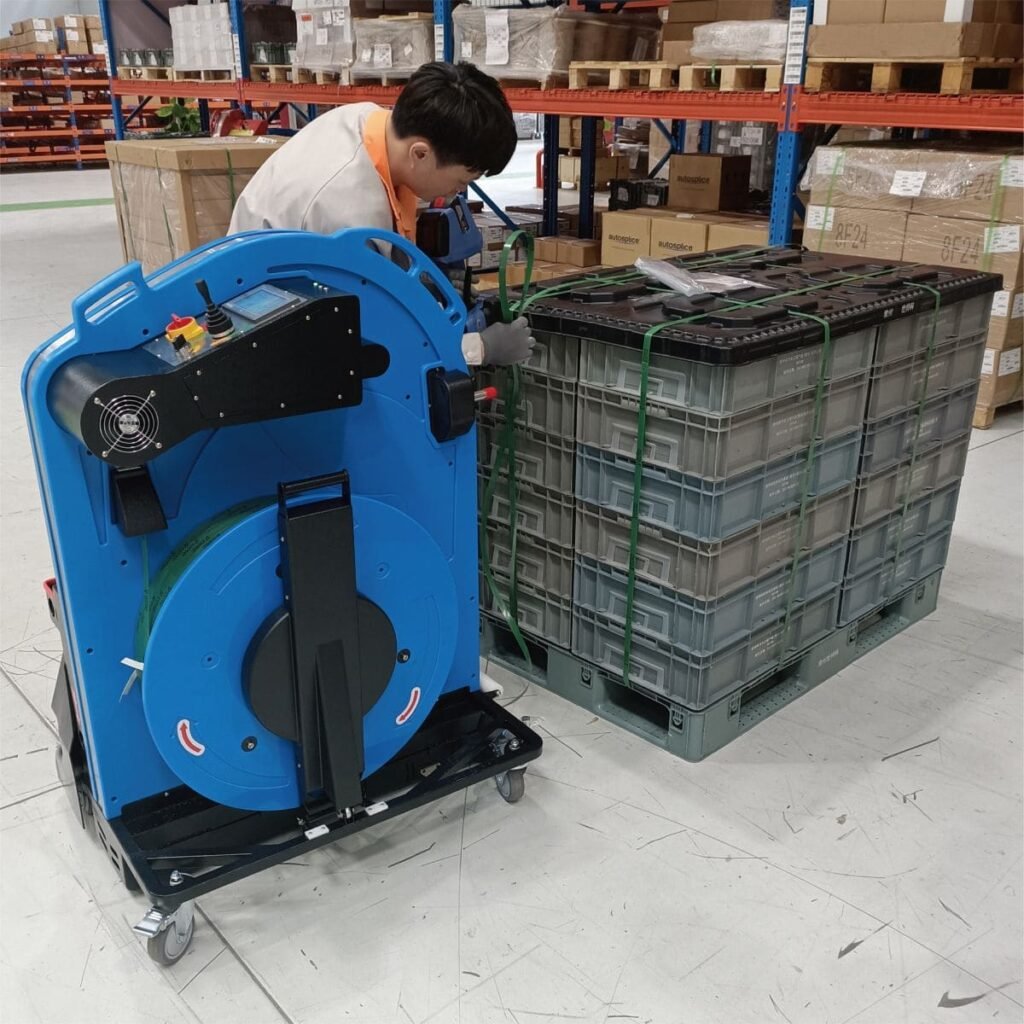
Pallets, cartons, bundles, and heavy industrial goods place different demands on strapping equipment. Pallet loads may require attention to load stability, operator movement, and strap placement. Carton or bundle strapping may focus more on package consistency, speed, and strap tension. Heavy goods can require more careful evaluation of strap material and equipment compatibility.
Workflow also matters. If pallets are staged in multiple areas, a mobile solution may fit better than a fixed station. If products move on a conveyor or packaging line, the buyer may need a more integrated approach. If operators are repeatedly bending, walking, or threading straps around pallets, ergonomic and workflow factors should be included in the cost comparison.
Strap Material and Compatibility
Strap material can influence both machine choice and long-term operating cost. Buyers may compare PP, PET, or other packaging strap options depending on the load, handling conditions, and shipping requirements. The machine must be compatible with the material and the application.
Buyers should not assume that every strapping machine handles every material, width, or tension requirement. These details should be confirmed with the supplier before purchase. In a quote request, include the type of product being strapped, the expected strap material, package dimensions, load weight range when available, and any sealing or tension expectations.
Throughput, Labor, and Total Cost
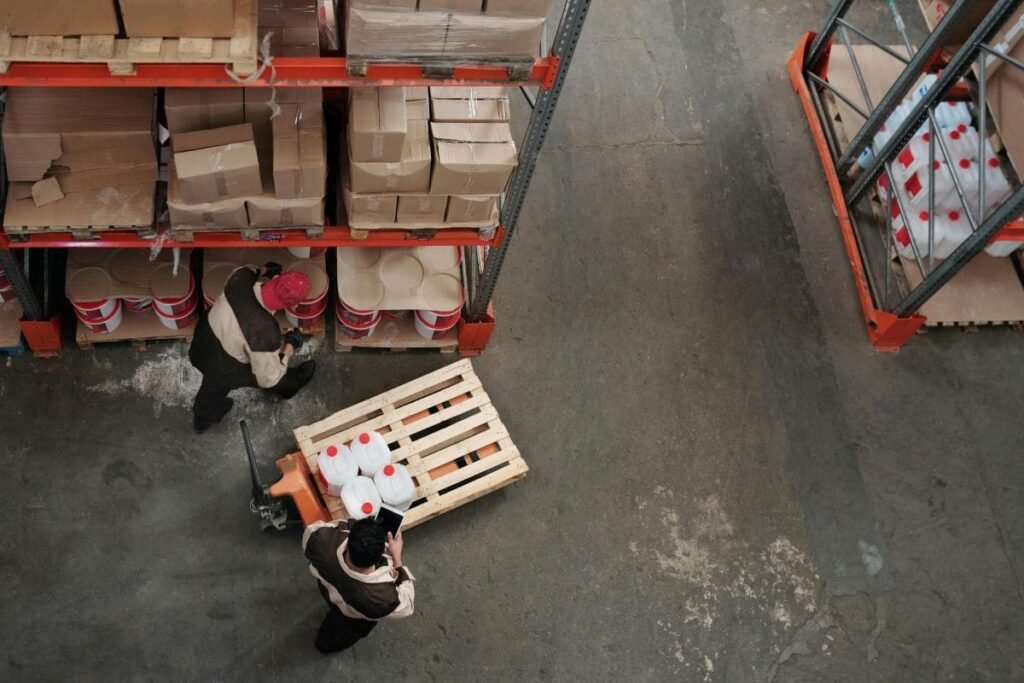
Equipment price is only one part of total cost. A machine that improves labor efficiency, reduces unnecessary pallet movement, or improves consistency may create value beyond the initial purchase price. On the other hand, overbuying automation can add complexity if the operation does not have the volume or consistency to justify it.
Buyers should compare how each option affects operator time, package flow, maintenance needs, and training. For example, a lower-cost option may still require more manual handling. A more automated option may require more planning for layout, installation, and support. A good supplier should help the buyer understand those tradeoffs rather than pushing one machine type for every application.
Service, Parts, and Support
Support expectations should be part of every quote comparison. Buyers should ask what documentation is provided, what training is available, how spare parts are handled, and what information is needed for troubleshooting. These details may not appear in a simple price search, but they affect long-term ownership.
For B2B buyers, service clarity is especially important when equipment supports production, shipping, or fulfillment. If a strapping machine becomes a key point in the packing process, downtime can affect the operation. That is why buyers should evaluate supplier communication and support process along with equipment pricing.
Practical Buying Guidance
Before requesting a strapping machine quote, prepare a short application summary. Include the products or pallets being strapped, approximate load sizes, daily or hourly volume, strap material preferences, available floor space, operator workflow, and whether the goal is flexibility, speed, labor reduction, or consistency.
When comparing quotes, do not only compare the machine name and price. Compare what is included, what assumptions were made, whether the machine fits the application, and what facts still need confirmation. If two quotes look very different, ask each supplier to explain the workflow assumptions behind the recommendation.
SelectPackTech strapping machine solutions can use this information to help match the equipment discussion to the packaging operation, especially when the buyer is choosing between mobile, semi-automatic, and more automated strapping approaches. For a broader equipment overview, review the company’s strapping machine types guide before comparing quotes.
If you are comparing strapping machine prices, start with the application rather than the number. Contact SelectPackTech with your load type, packaging workflow, material expectations, and throughput goals so the team can help evaluate the right equipment direction.
FAQ
How much does a strapping machine cost?
The cost depends on automation level, application, load type, strap material, throughput needs, and support requirements. A useful quote should be based on the actual packaging workflow rather than a generic number.
Why do automatic strapping machines usually cost more?
Automatic systems often involve more controls, integration planning, safety considerations, and throughput requirements. They may be appropriate for consistent, higher-volume workflows, but they are not always the best fit for every operation.
What should I include in a quote request?
Include package or pallet type, approximate dimensions, volume, strap material, current workflow, labor concerns, available space, and any automation goals. Photos or short workflow descriptions can also help.
Should I choose the lowest-price machine?
Not automatically. The lowest equipment price may not provide the best fit if it increases labor, slows packaging, or lacks the support needed for the operation.