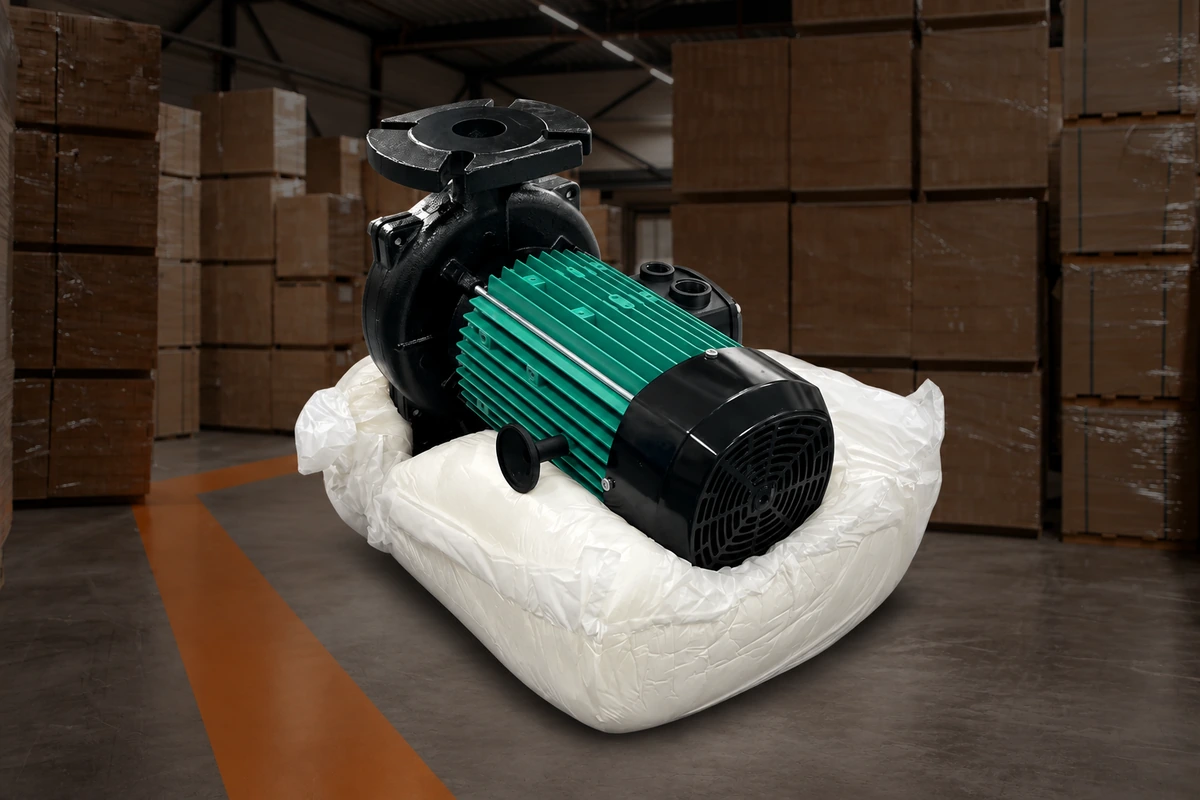
Reuse foam-in-place cushions for a return shipment only when the packaging approval covers that reuse and the actual product, cushions, and outer package meet its acceptance conditions. Cushions that still fit the product have passed a fit check; their remaining protective performance has not been established by appearance alone.
There is no universal number of return trips that a formed cushion should be assigned. The decision belongs to a defined package design and its use conditions. For a return without an approved reuse method, ask the packaging owner to specify replacement packaging or review the proposed return pack before dispatch.
For customer service and warehouse teams, the practical task is to reach one of three recorded outcomes: reuse under the approved instruction, replace specified components, or hold for engineering review.
Confirm That the Original Package Still Matches
The original cushions are a candidate for reuse only if they match the returning product and the specified package configuration. A similar-looking product or a box of approximately the same size is insufficient.
Start with the SKU and product revision. Confirm the returned configuration, including fitted accessories, removable parts, protective covers, and any change in weight or support points. A service return with a module removed or a bracket bent might no longer sit on the support areas used in the original design.
Next, identify the complete cushion set. Match each piece to its location and orientation: top, bottom, side, or another designated position. Keep matched pieces together. Do not borrow a cushion from another shipment because the product outline looks close.
Check the outer package independently. Record its specified dimensions, construction, and closure method, together with any required pallet attachment or structural restraint. Replacing a damaged carton with an approved equivalent is different from choosing whatever box is available. A different internal dimension changes the relationship between the product, cushions, and carton walls.
The foam-in-place shipping guide explains the wider relationship between cushioning, the outer package, and the transport route. For reuse, the immediate question is whether that previously defined combination can be reconstructed accurately.
Screen Out Damaged or Uncertain Cushion Sets
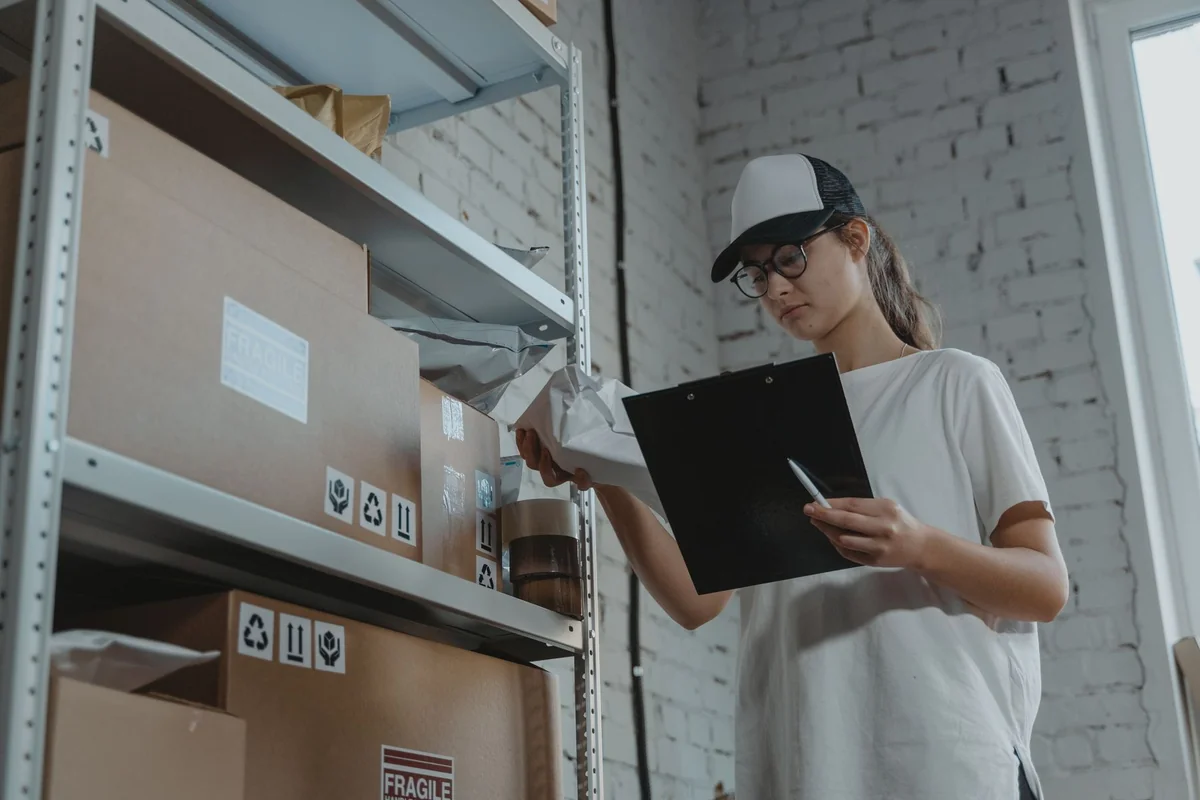
Visible damage, missing pieces, contamination, or an unresolved mismatch prevents routine release for reuse. This inspection screens out problems; it does not certify the cushion’s remaining performance.
Use the package owner’s acceptance criteria wherever available. The following table identifies reasons to stop the normal repacking process and request a disposition.
| Finding | Why it matters | Required disposition |
|---|---|---|
| Cracked, split, or crumbling foam | Cushion structure has changed | Remove from routine reuse |
| Permanent flattening or distorted shape | Support geometry no longer matches | Replace or obtain engineering review |
| Torn bag or damaged separating layer | Original containment or contact barrier is disrupted | Hold for specified replacement |
| Oil, moisture, debris, or unknown residue | Material or product-contact condition is uncertain | Isolate and refer to the responsible team |
| Missing piece or uncertain set identity | Complete support arrangement cannot be confirmed | Obtain the correct approved set |
| Product cannot seat in its specified position | Product, cushion, or orientation differs | Resolve the mismatch before packing |
| Reported severe handling event | Visual inspection cannot establish residual protection | Hold for packaging review |
Do not use squeezing, pressing, or a shake check as an improvised performance test. Do not trim, tape together, or patch damaged cushioning to make the product fit unless that repair is explicitly part of an approved packaging instruction.
A customer who cannot identify the cushion set or describe its storage and handling history should receive a clear next step, such as a specified replacement kit. Asking the customer to make an unsupported judgment that the foam is “still good” transfers the decision without supplying the criteria.
What If Everything Looks Undamaged?
An undamaged appearance supports continued review, but reuse still requires approval for the return conditions. Check whether the original qualification covered one outbound shipment, a planned outbound-and-return sequence, or another defined use pattern.
An outbound test using newly formed cushions does not, by itself, establish protection after the cushions have experienced transport, unpacking, storage, and repacking. Those stages are part of the proposed reuse duty and need to be addressed in its evaluation.
Compare the return route with the approved route. A product delivered on a pallet and sent back as an individual parcel faces a different handling arrangement. A changed carrier mode, box, product configuration, or repacking method is a reason to review the package approval rather than assume it carries over.
ISTA’s test procedure guidance distinguishes screening tests from simulation procedures and describes procedures for different distribution environments. Use that guidance with the packaging engineer or laboratory to choose an appropriate validation approach. The public guidance does not provide a pass/fail rule for an individual used foam cushion.
For a proposed return program, define the use sequence before testing: outbound exposure, unpacking method, storage conditions, inspection, repacking, and return exposure. Ask the reviewer to identify representative cushion conditions, sample quantities, and product acceptance checks. Record any departures from a standard procedure accurately; a customized sequence should not be described as an unmodified standard test.
Approval should identify the package version, permitted product configuration, reuse conditions, rejection criteria, and responsible owner. An informal successful return is useful field evidence, but it does not establish an unlimited reuse policy.
Give the Customer an Executable Return Instruction
A reuse program needs an instruction that a customer or service technician can follow without access to the original packing station. Define which parts to retain when the package is first opened, how to identify them, and what to do if anything is missing or damaged.
The return instruction should specify:
- The product configuration and accessories to include or remove.
- The required cushion set and its orientation.
- The approved separating layers, covers, and other protective components.
- The order of placing cushions and seating the product.
- The correct outer package and closure method.
- The checks required before dispatch and the contact for exceptions.
Make the stop conditions explicit. If the product will not seat correctly, if the carton requires force to close, or if a required piece is absent, the customer should stop and request instructions. Adding loose packing material or forcing the package closed changes the arrangement being relied upon.
Separate the condition decision for each component. A suitable cushion set does not approve a wet or crushed carton, and a new carton does not restore damaged cushions. Replacement parts must still belong to a compatible, approved complete package.
Record the Decision for This Return
Attach the packaging disposition to the return authorization so the sender and receiving team can identify what was approved. A compact record needs the return ID, product revision, package instruction version, cushion-set identity, condition findings, return route, selected action, and decision owner.
Use precise outcomes:
- Reuse approved: cite the applicable instruction and confirm its conditions were met.
- Replacement specified: identify the components or complete pack to supply.
- Engineering review required: record the unresolved mismatch or missing evidence.
If frequent returns reveal missing cushion sets or repeated repacking errors, reassess the return packaging design. A dedicated insert or another return package deserves comparison when retention and repeatable assembly dominate the workflow. The custom foam versus foam-in-place comparison helps frame that choice without assuming either format is automatically reusable.
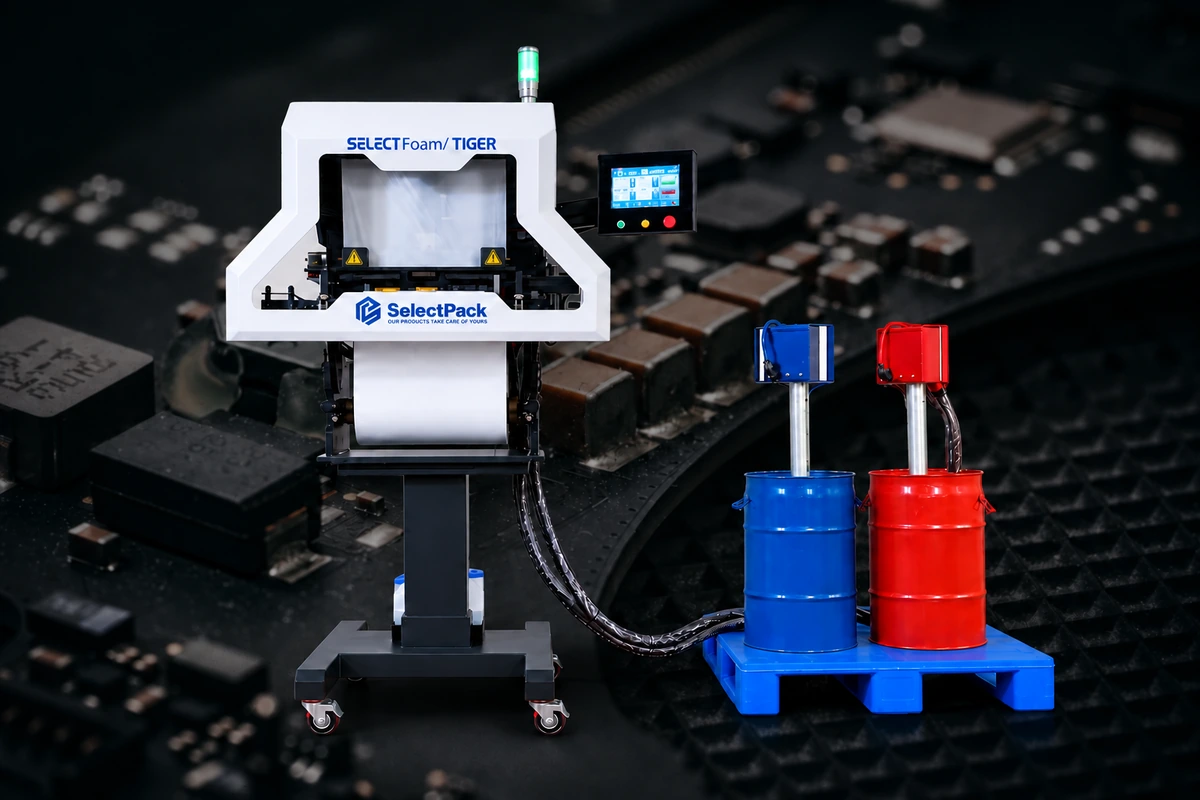
For a SelectPack review, provide the product configuration, existing package specification, observed cushion condition, and planned return route. Review the SelectFoam systems and materials when discussing replacement cushioning or a proposed return pack. The useful outcome is a defined packaging method for the return operation, with clear acceptance conditions and a replacement path when those conditions are not met.