A strapping sealer tool is usually the better choice when your team only needs to close straps in a flexible manual process, the daily volume is low, and the main

A strapping sealer tool is usually the better choice when your team only needs to close straps in a flexible manual process, the daily volume is low, and the main
Plastic strapping equipment should be chosen as a system, not as a single machine or tool. The right setup depends on the load, strap material, seal method, operator movement, pallet
A heavy duty strapping machine is worth considering when building material pallets are dense, repeated, difficult to move, or hard to secure consistently by hand. It is not the first
Strapping machine troubleshooting works best when you identify which step failed first: feed, position, tension, seal, cut, or reset. A jam is not always a machine defect, a loose strap
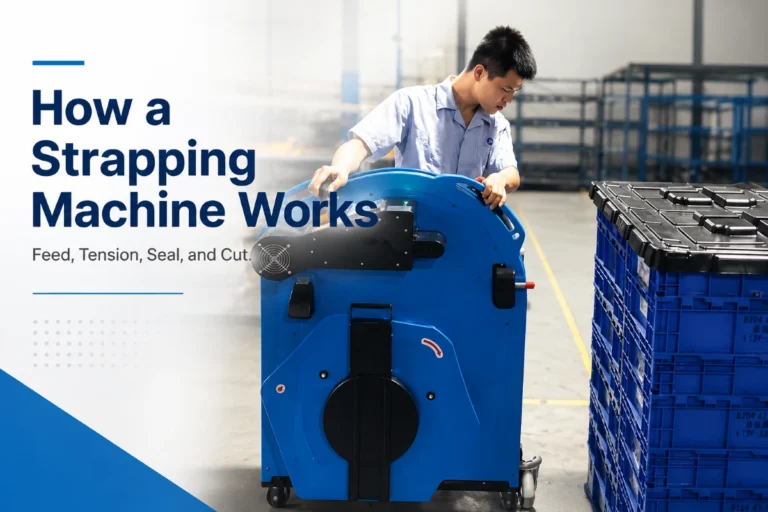
A strapping machine works by feeding strap from a coil, guiding it around a carton, bundle, or pallet, pulling the strap to the required tension, joining the strap ends, cutting
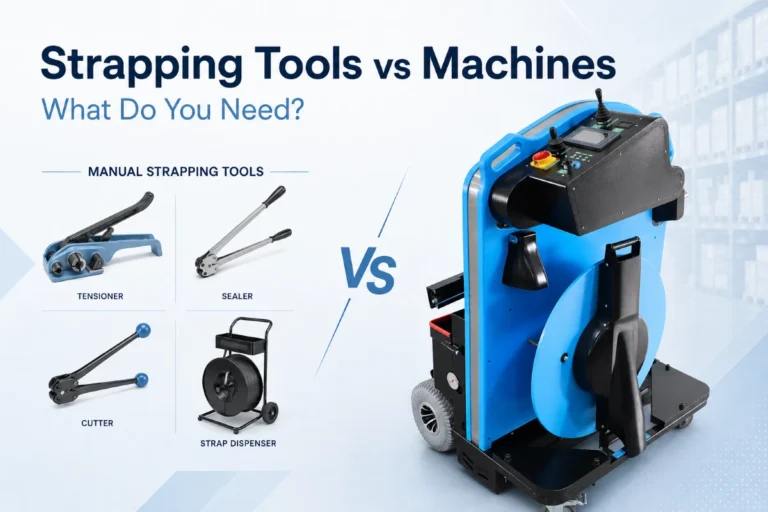
If your team straps a few cartons, bundles, or pallets and the work changes from job to job, manual strapping tensioners, sealers, cutters, and a dispenser may be enough. If
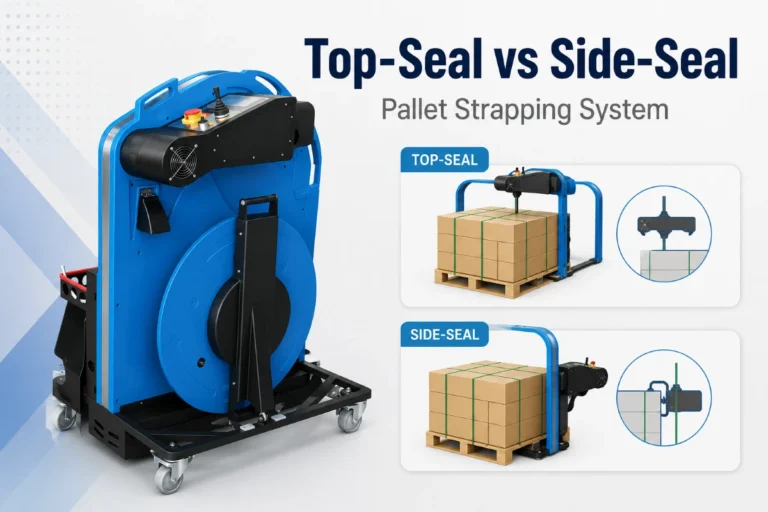
A side-seal strapping machine is usually the better starting point when pallet heights vary, technicians need floor-level access to the sealing head, or the upper area around the load is
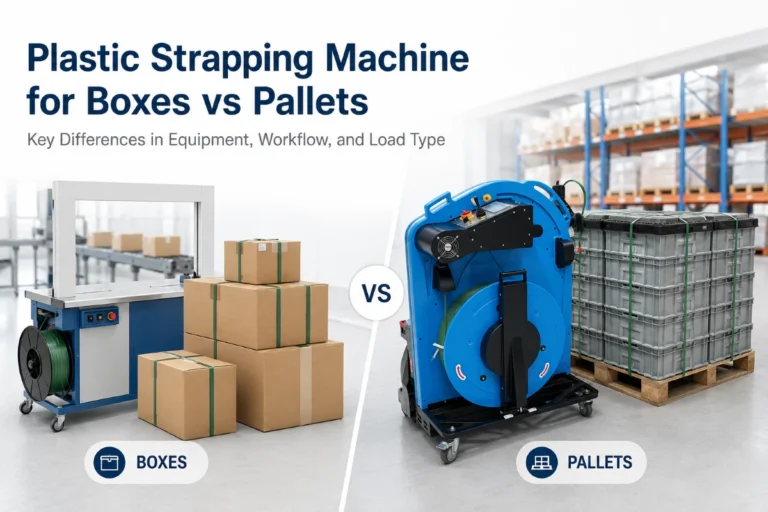
Buying a plastic strapping machine only by the phrase “plastic strapping machine” can lead to the wrong choice. A machine that works well for cartons at a packing bench may
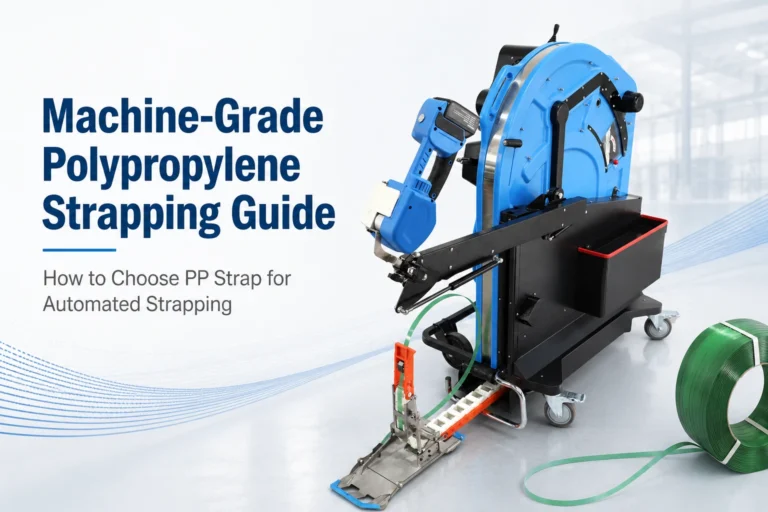
Machine grade polypropylene strapping is not just a consumable line item. It is part of the strapping system. If the strap is inconsistent, too narrow, too thick, too soft, or
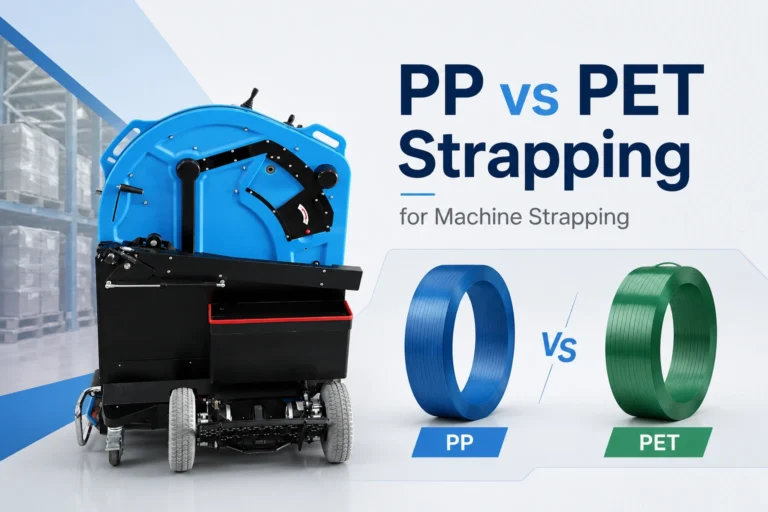
Most teams compare polypropylene strapping and PET strapping after something practical happens: straps loosen during transport, seals fail after a material change, operators complain that the strap is too stiff,