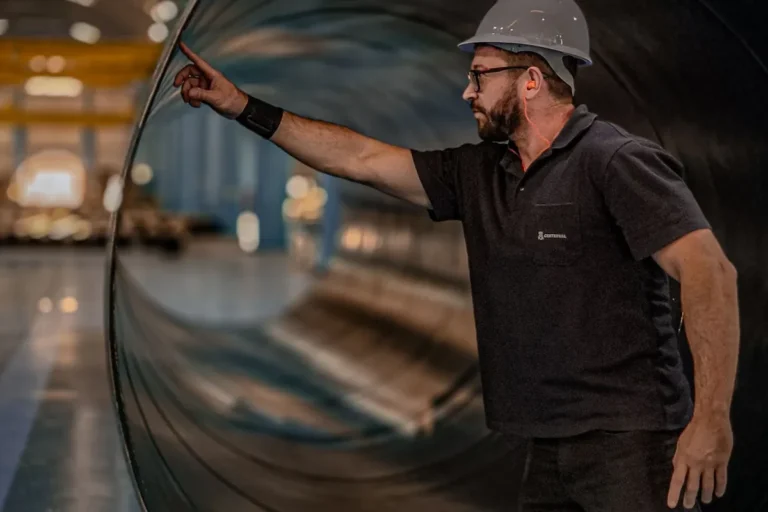
Shrink wrap machine sizing is a physical-fit decision. Build an envelope from every product that could limit the sealer, film path, tunnel opening, conveyor or transfer—not just the SKU with

Shrink wrap machine sizing is a physical-fit decision. Build an envelope from every product that could limit the sealer, film path, tunnel opening, conveyor or transfer—not just the SKU with
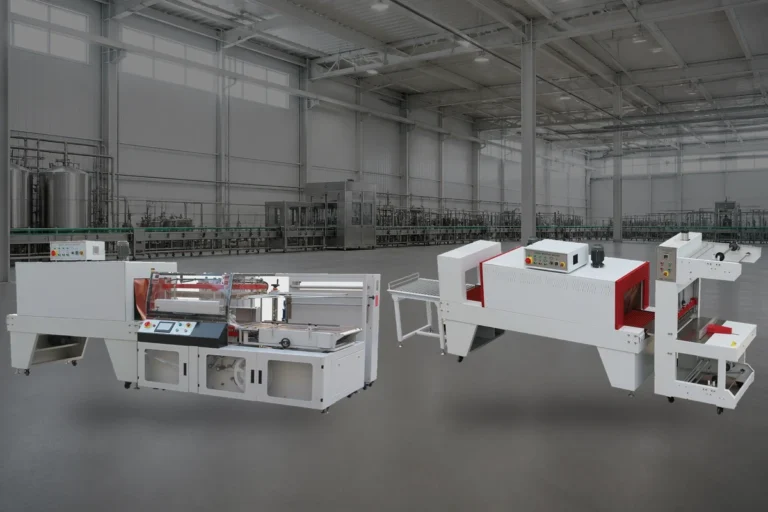
Choose an L-bar sealer when the required result is a more enclosed film package. Choose a sleeve sealer when an open-ended sleeve is acceptable and the objective is to retain
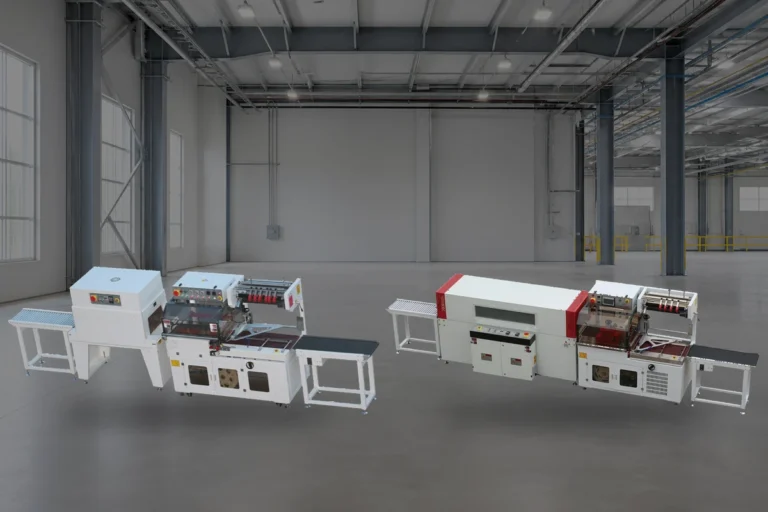
Choose an L-bar sealer when products fit a defined intermittent sealing envelope and the operation values a straightforward enclosed-pack process. Choose a side sealer when continuous flow or long and
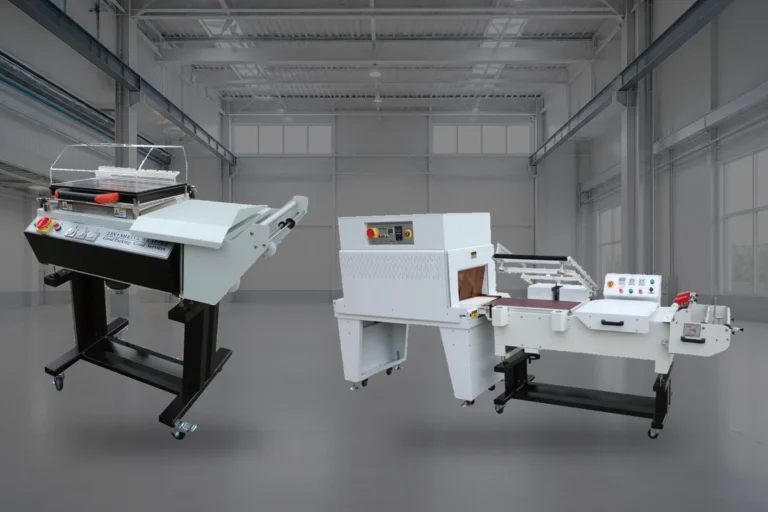
A chamber shrink wrap machine fits compact, operator-led, lower-output work where the product and seal fit comfortably inside one chamber cycle. An L-bar system fits operations that need a separate
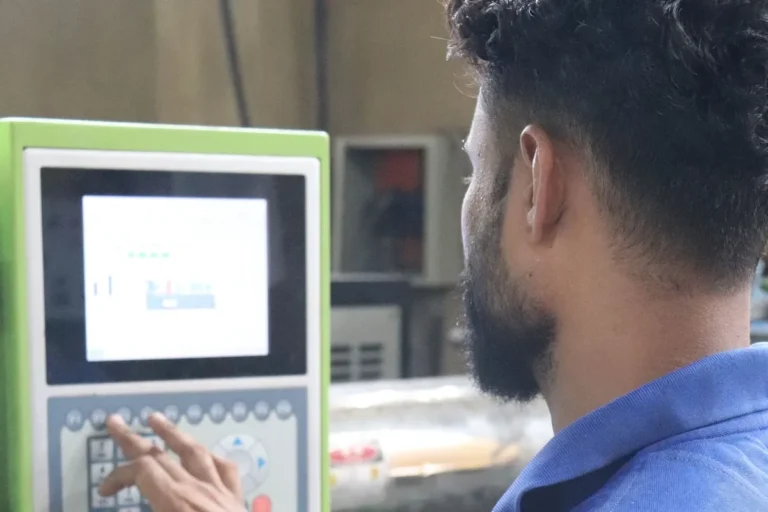
Choose a semi-automatic shrink wrap machine when the validated process assigns one or more repeatable cycle tasks to an operator and that labor fits the required output. Choose an automatic
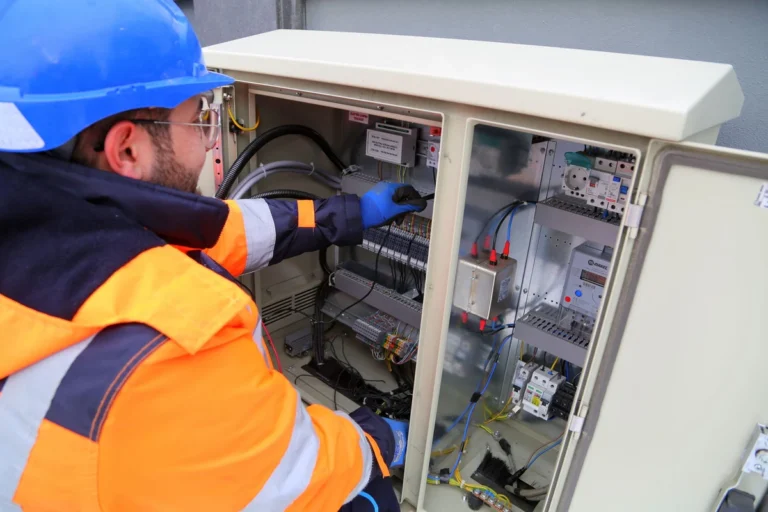
Effective shrink wrap machine troubleshooting starts by separating a machine abnormality from a package-quality problem. Capture the exact alarm, failed motion, affected machine state and last known good cycle before
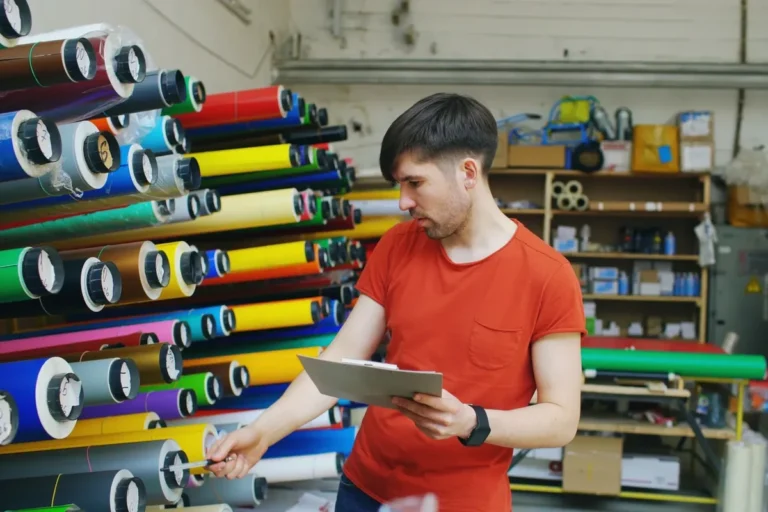
POF, PVC and PE identify broad shrink-film families, not interchangeable machine consumables. POF is often evaluated for clear enclosed overwrap, PVC can remain part of an established customer specification, and
Shrink wrap machine cost cannot be estimated responsibly from the machine label alone. The quote changes with package style, product envelope, sustained output, automation boundary, tunnel duty, utilities and the
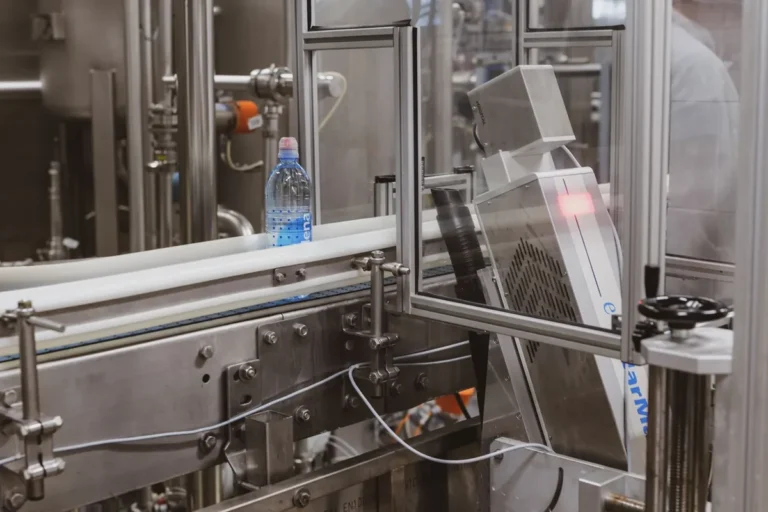
The main types of shrink wrap machines are chamber machines, L-bar sealers with shrink tunnels, continuous side sealers with tunnels, and sleeve sealers with tunnels. The right type is determined
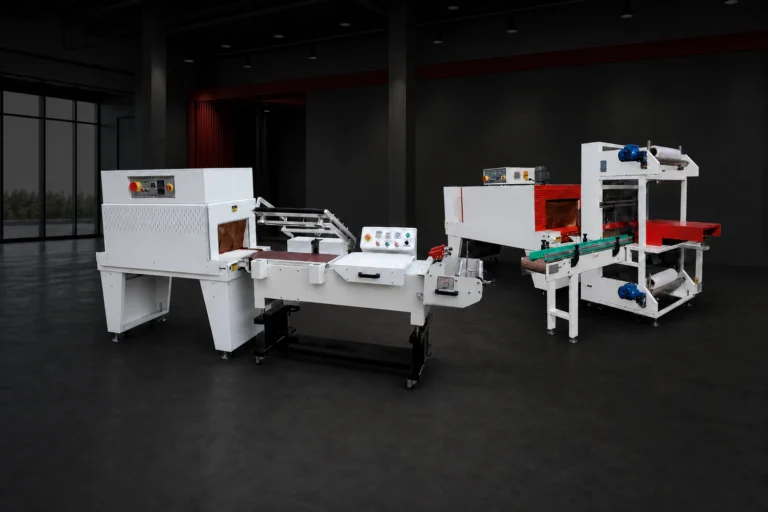
A shrink wrap machine is packaging equipment that places heat-shrinkable film around a product or group of products, creates the required seal or cut, and applies controlled heat so the