Businesses shipping products face a critical decision when selecting protective packaging materials. Two increasingly popular options are paper bubble machines and honeycomb paper machines—both produce protective cushioning from kraft paper, yet they differ significantly in structure, performance, and application.
Understanding the differences between these two technologies is essential for making an informed packaging investment. This comprehensive guide compares paper bubble machines and honeycomb paper machines across performance, cost, applications, and long-term business impact.
Understanding the Technology: How They Work
Paper Bubble Machines
A paper bubble machine converts kraft paper rolls into protective cushioning through an embossing and shaping process. The machine applies pressure and heat to create regular, uniform bubble formations across the paper surface. These bubbles are typically spherical or semi-spherical in shape, creating air pockets that absorb impact and vibration during shipping.
The process is straightforward: kraft paper enters the machine, undergoes embossing to create the bubble structure, and exits as finished cushioning material ready for immediate use at the packing station. Operators can cut or tear the material to the exact length needed for each package.
Honeycomb Paper Machines
Honeycomb paper machines produce cushioning with a distinctly different structure. Instead of individual air bubbles, honeycomb machines create a hexagonal cell pattern throughout the paper. These cells are formed by gluing multiple layers of kraft paper together and then expanding them, creating a structure similar to natural honeycomb.
The honeycomb structure provides structural rigidity and load-bearing capacity. Unlike the bubble structure, honeycomb paper maintains its shape and can support weight without collapsing, making it suitable for stacking and structural applications.
Material Structure and Cushioning Performance
Bubble Structure vs Honeycomb Structure
The fundamental difference between these technologies lies in their structural design:
Paper Bubble Cushioning:
•Regular, uniform bubble formations
•Air-filled pockets that compress upon impact
•Flexible and conformable to product shapes
•Provides excellent shock absorption for fragile items
•Thickness typically ranges from 3-8mm
Honeycomb Paper:
•Hexagonal cell pattern throughout the material
•Rigid structure with load-bearing capacity
•Maintains shape under compression
•Provides structural support and stacking capability
•Thickness typically ranges from 10-25mm

Impact Absorption Comparison
Paper bubble cushioning excels at absorbing sudden impacts and vibrations. When a product experiences shock during shipping, the air bubbles compress and dissipate the energy gradually. This makes paper bubble particularly effective for protecting fragile items like electronics, glassware, and ceramics.
Honeycomb paper provides different protection characteristics. Its rigid structure resists compression and distributes loads evenly across the material. This makes it ideal for protecting products from sustained pressure rather than sudden impacts. Honeycomb is particularly effective when products are stacked or when the package experiences continuous pressure during storage or transportation.
Cost Analysis: Equipment and Operating Expenses
Equipment Investment
Paper Bubble Machine:
•Desktop models: $3,000-$8,000
•Industrial models: $8,000-$20,000
•Compact footprint requiring minimal space
•Lower power consumption (typically 1-2 kW)
Honeycomb Paper Machine:
•Desktop models: $5,000-$12,000
•Industrial models: $15,000-$35,000
•Larger footprint and more complex machinery
•Higher power consumption (typically 2-4 kW)
Paper bubble machines generally have lower initial equipment costs, making them more accessible for small to medium-sized businesses. However, honeycomb machines may be justified for operations with specific structural protection requirements.
Material Costs Per Package
Paper Bubble Cushioning:
•Material cost: $0.15-$0.35 per package
•Material consumption: 0.5-1.5 meters per package (depending on product size)
•Kraft paper roll cost: $30-$60 per roll (500-1000 meters)
Honeycomb Paper:
•Material cost: $0.25-$0.50 per package
•Material consumption: 0.3-0.8 meters per package (more efficient due to structural strength)
•Pre-made honeycomb rolls: $50-$100 per roll
For high-volume operations, paper bubble typically offers lower material costs due to its lighter weight and thinner profile. However, honeycomb’s structural efficiency means less material may be needed per package in certain applications.
Storage and Logistics Costs
Paper bubble machines require only compact kraft paper rolls for operation, significantly reducing storage requirements. A single pallet of kraft paper rolls can produce a large volume of finished cushioning material.
Honeycomb paper, whether pre-made or machine-produced, requires more storage space due to its thicker, more rigid structure. The expanded honeycomb cells create a bulkier final product compared to paper bubble cushioning.
For businesses operating in space-constrained warehouses, paper bubble machines offer a clear advantage in storage efficiency and logistics costs.
Performance Characteristics: When to Use Each
Paper Bubble Machines: Ideal Applications
Paper bubble cushioning excels in specific scenarios:
E-commerce and Fulfillment Centers: E-commerce operations frequently ship fragile items like electronics, cosmetics, and glassware. Paper bubble’s superior shock absorption makes it ideal for protecting these products during transit.
Fragile Product Protection: Items prone to damage from impact—such as ceramics, glass, electronics, and delicate instruments—benefit from paper bubble’s flexible, conformable cushioning.
High-Volume Operations: Businesses shipping hundreds or thousands of packages daily benefit from paper bubble’s on-demand production capability and lower material costs.
Sustainable Packaging Goals: Companies emphasizing environmental responsibility appreciate paper bubble’s recyclability and reduced plastic dependency.
Honeycomb Paper Machines: Ideal Applications
Honeycomb paper serves different business needs:
Heavy Product Protection: Manufacturing operations shipping heavy machinery, metal components, or industrial equipment benefit from honeycomb’s load-bearing capacity.
Structural Support: Products requiring structural support during stacking or storage—such as automotive parts, industrial equipment, or heavy appliances—perform better with honeycomb’s rigid structure.
Multi-Layer Packaging: Honeycomb’s structural integrity makes it suitable for creating protective layers that maintain their shape throughout the supply chain.
Long-Term Storage: Products stored for extended periods benefit from honeycomb’s resistance to compression and structural degradation.
Operational Efficiency and Workflow Integration
Packing Station Integration
Paper bubble machines integrate seamlessly into existing packing workflows. Operators can generate cushioning material on-demand at the packing station, eliminating the need to retrieve pre-made rolls or manage multiple SKUs. This streamlines the packing process and reduces interruptions.
Honeycomb machines, while capable of on-demand production, require more space and more complex setup. The expanded honeycomb structure also requires more handling space at the packing station.
Labor and Training Requirements
Paper bubble machines are simpler to operate. Operators need minimal training—typically just understanding how to feed paper rolls and cut material to the required length. Understanding how paper bubble machines work requires only basic familiarity with the equipment.
Honeycomb machines require more technical knowledge. Operators must understand the expansion process, cell formation, and structural properties to optimize material usage and product protection.
Customization and Flexibility
Paper bubble machines offer greater flexibility in material thickness and bubble size. Operators can adjust machine settings to create different bubble sizes for different product types, allowing customization within a single machine.
Honeycomb machines typically produce a standard cell structure with limited customization options. Different cell sizes require different machine configurations or separate equipment.
Environmental Impact and Sustainability

Recyclability
Both paper bubble and honeycomb paper are recyclable through standard paper recycling streams. However, paper bubble’s lighter weight and simpler structure make it easier to recycle in many municipal systems.
Honeycomb paper, while recyclable, sometimes requires separation of adhesive layers before recycling, which can complicate the recycling process in some regions.
Plastic Reduction
Both technologies significantly reduce plastic packaging compared to traditional plastic bubble wrap. However, paper bubble machines typically consume less kraft paper per package due to their lighter weight, resulting in lower overall material consumption and reduced carbon footprint.
Corporate Sustainability Goals
Companies pursuing environmental certifications or sustainability targets benefit from both technologies. However, warehouses switching to paper bubble machines often cite the combination of superior environmental performance and cost savings as the primary driver.
Return on Investment Comparison
Paper Bubble Machine ROI
For a typical e-commerce fulfillment center shipping 500 packages daily:
•Equipment cost: $10,000
•Material savings vs. bubble wrap: $43,750 annually
•Storage space savings: $2,000-$5,000 annually
•Labor efficiency gains: $5,000-$10,000 annually
•Total annual savings: $50,750-$58,750
•ROI period: 2-3 months
Honeycomb Machine ROI
For a manufacturing facility shipping 300 heavy packages daily:
•Equipment cost: $20,000
•Material cost reduction: $15,000-$20,000 annually
•Damage reduction (fewer returns): $10,000-$15,000 annually
•Storage efficiency: $3,000-$5,000 annually
•Total annual savings: $28,000-$40,000
•ROI period: 6-9 months
Paper bubble machines typically achieve faster ROI due to lower equipment costs and higher material savings. However, honeycomb machines may provide better long-term value for operations with specific structural protection requirements.
Making the Right Choice for Your Business
Decision Framework
Choose a Paper Bubble Machine if:
•You ship primarily fragile or lightweight items
•You operate an e-commerce fulfillment center
•You prioritize fast ROI and cost savings
•You have limited warehouse space
•You emphasize environmental sustainability
•You need flexibility in cushioning thickness and bubble size
Choose a Honeycomb Machine if:
•You ship heavy or structural products
•You require load-bearing protection and stacking capability
•You operate a manufacturing facility
•You prioritize product protection over cost savings
•You need long-term storage protection
•You can justify higher equipment investment for specific applications
Hybrid Approach
Many businesses maintain both systems during operations. Choosing the right paper bubble machine for your primary application while keeping honeycomb options available for specialized needs provides maximum flexibility.
For detailed guidance on selecting the optimal solution, consider your specific product types, shipping volumes, storage constraints, and sustainability goals.
For detailed guidance on selecting the optimal solution, consider your specific product types, shipping volumes, storage constraints, and sustainability goals.
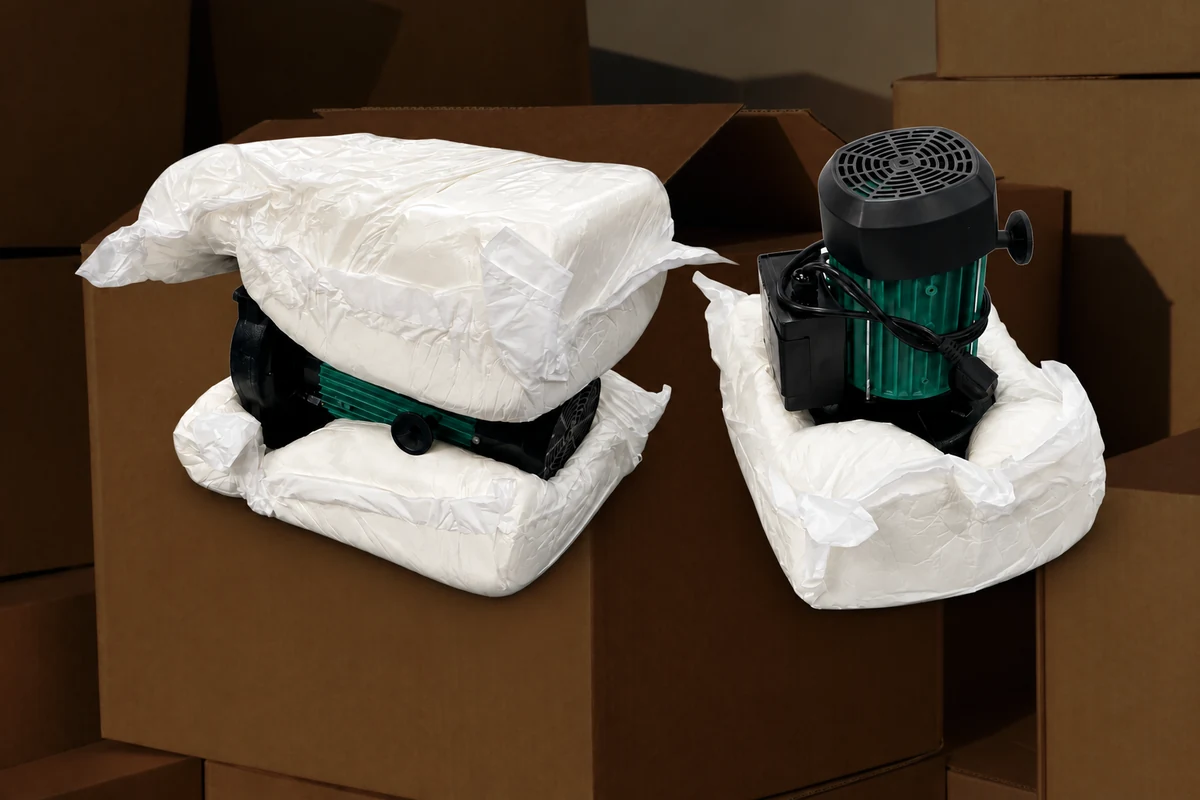
Application scenarios: E-commerce fulfillment using paper bubble wrap for fragile items (left), manufacturing using expanded honeycomb paper for heavy machinery protection (center), and retail using paper bubble for premium product packaging (right).
FAQ
Q: Can paper bubble cushioning protect heavy items?
A: While paper bubble excels at protecting fragile items, it can protect moderate-weight products (up to 10-15 kg per package) when properly layered. For heavier items, honeycomb paper’s structural rigidity is more appropriate.
Q: Is honeycomb paper more durable than paper bubble?
A: Honeycomb paper is more structurally rigid and maintains its shape under sustained pressure. Paper bubble is more flexible and better at absorbing sudden impacts. “Durability” depends on your specific protection requirements.
Q: Can I switch between paper bubble and honeycomb machines?
A: Yes, but they require different equipment. Some businesses maintain both systems for different product types. Switching between them requires separate machine investments.
Q: Which option is more sustainable?
A: Both are more sustainable than plastic bubble wrap. Paper bubble typically has a lower environmental footprint due to reduced material consumption per package. For detailed cost and sustainability comparisons, see our comprehensive analysis.
Q: What is the typical payback period for each technology?
A: Paper bubble machines typically achieve ROI within 2-3 months for e-commerce operations. Honeycomb machines typically require 6-9 months for manufacturing applications. For detailed ROI calculations, see our financial analysis guide.
Q: Can I use paper bubble for stacking products?
A: Paper bubble is not designed for structural stacking. If your products require stacking protection, honeycomb paper is the better choice. However, paper bubble works well for void fill and impact protection in single-layer packaging.
Related Articles
•What Is a Paper Bubble Machine: Complete Guide
•How Paper Bubble Machines Work: Technical Overview
•Paper Bubble vs Plastic Bubble Wrap: Comprehensive Comparison
•Why Warehouses Are Switching to Paper Bubble Machines
•Paper Bubble Machine Applications in E-commerce and Fulfillment
•Paper Bubble Machine Maintenance and Troubleshooting
•How to Choose the Right Paper Bubble Machine
•Paper Bubble Machine ROI: Financial Analysis and Payback Period
External Resources
•EPA Sustainable Packaging Guidelines
•Packaging Dive: Industry News and Analysis
•American Packaging Association: Packaging Standards and Best Practices