企业纸板碎纸机常见问题:常见问题解答

目录

Cardboard waste has become a visible and ongoing challenge in modern business operations, directly affecting costs, space utilization, and packaging efficiency. As shipping volumes grow and sustainability expectations rise, many businesses are re-evaluating how cardboard is handled within their daily workflows.

Cardboard Waste as a Growing Operational Challenge

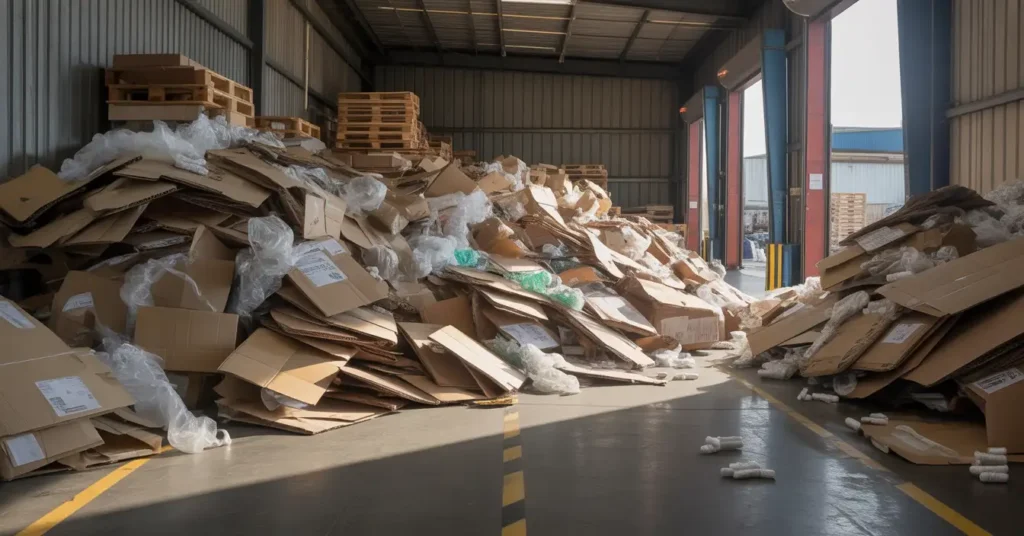
In warehouses, fulfillment centers, and production facilities, used cardboard accumulates quickly as part of normal operations. Without on-site processing, flattened boxes occupy valuable floor space, require repeated handling, and disrupt efficient packaging and storage workflows. As operations scale, unmanaged cardboard waste increasingly affects productivity and organization.

Rising Packaging Costs and Disposal Pressures

Businesses are facing higher costs on both ends of the packaging cycle. Purchased void fill and protective materials continue to increase in price, while waste collection, recycling, and transportation fees add ongoing operational expenses. Managing cardboard purely as waste often results in higher long-term costs and limited flexibility as packaging demand fluctuates.

Sustainability Expectations Driving Smarter Material Use

Sustainability is no longer a secondary consideration in packaging decisions. Customers, partners, and regulatory frameworks increasingly expect businesses to reduce landfill waste and improve material efficiency. Reusing cardboard through on-site shredding allows companies to minimize waste, lower environmental impact, and align packaging operations with broader sustainability goals.

What Is a Cardboard ShredderHow Does It Work?

A cardboard perforator is a machine designed specifically to cut corrugated cardboard into smaller, reusable forms. Unlike standard office paper shredders, cardboard perforators are built to handle thicker, tougher materials without damaging internal components or overloading the motor.

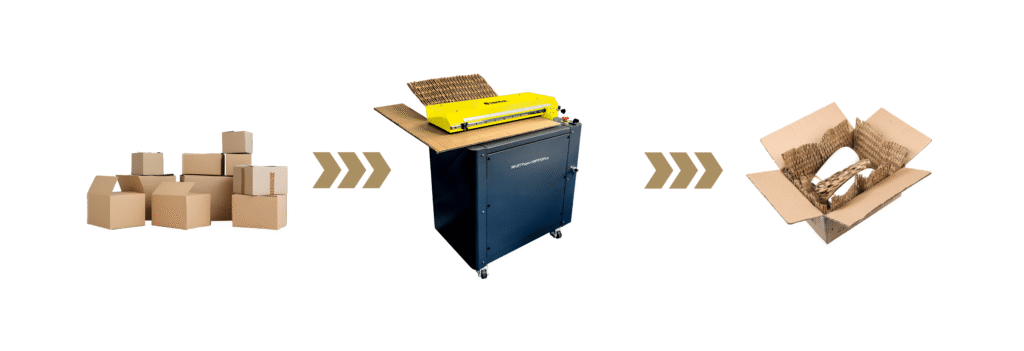
At a basic level, the machine feeds cardboard sheets through hardened cutting shafts or blades. These blades are engineered to tear, perforate, or slice the cardboard into a consistent output. Depending on the machine design, the result may be strip-cut material, perforated cardboard, or expanded cushioning suitable for void fill.

One key distinction between cardboard perforators and paper shredders lies in torque and blade construction. Cardboard perforators use stronger motors and reinforced cutting systems to manage resistance from corrugated layers. Attempting to shred cardboard with a standard paper shredder often leads to jams, overheating, or permanent damage.

Output type varies by application. Some businesses prefer long strips for wrapping and separation, while others require perforated or mesh-style material that expands to fill empty space in cartons. Understanding these differences is essential when selecting a machine that matches packaging requirements.

Piles of cardboard in warehouse
Cardboard shredder converting waste cardboard boxes into protective packaging material

Who Should Use a Cardboard Shredder? Common Business Applications

Cardboard perforators are used across a wide range of industries, particularly where packaging volume and material flow are significant.

Warehouses and distribution centers generate large amounts of cardboard from inbound shipments. Shredding allows these facilities to process packaging waste on-site and reuse it for outbound orders, reducing both disposal volume and packaging material purchases.

E-commerce and fulfillment operations benefit from the ability to create void fill on demand. With fluctuating order sizes and seasonal peaks, on-site shredding offers flexibility and reduces reliance on pre-made packaging materials.

Manufacturing and logistics companies often deal with bulky cardboard waste that accumulates quickly. Shredders help maintain cleaner work areas and support internal reuse for product protection during transport.

Retail backrooms and packaging stations face space constraints. Compact shredding solutions allow cardboard to be processed immediately rather than stored for later removal, improving organization and safety.

Frequently Asked Questions About Cardboard Shredders

企业真的需要纸板碎纸机吗?

如果经常产生纸板废料,并且定期购买包装材料,那么纸板打孔机就显得尤为重要。

以下是部分国家的废物管理和回收政策:
a. 美国
b. 加拿大
c. 欧洲联盟
d. 英国
e. 澳大利亚

同时支付垃圾清理和空隙填充费用的企业实际上是为相同的材料支付了两次费用。碎纸将纸板转化为资源,有助于平衡成本并减少低效。

哪些类型的纸板可以粉碎?

Most cardboard perforators handle single-wall and double-wall corrugated cardboard. Light tape and labels are typically acceptable, though excessive staples or reinforced materials must be removed. Moisture content also matters; dry cardboard produces better output and reduces wear on cutting components.

普通碎纸机可以碎纸板吗?

普通碎纸机不是为瓦楞纸设计的。纸板的厚度和结构对电机和刀片造成了过大的压力,增加了机械故障的风险。专用的纸板打孔机可安全、稳定地处理这种负荷。

哪些材料绝对不能粉碎?

不得加工塑料、金属部件、厚层压板和非纸复合材料。这些物品会损坏刀片并危及安全。遵循制造商的指导原则有助于延长机器的使用寿命并保持稳定的输出质量。

碎纸板可以用来做什么?

碎纸板通常用作保护性空隙填充物、运输过程中易碎物品的缓冲以及纸箱内产品的分隔。在某些操作中,根据当地的规定,还可以将其用于回收或堆肥。

企业应从纸板碎纸机中寻找哪些功能?

主要特点包括吞吐能力、进料宽度、可调输出尺寸、安全机制和易于维护。机器应符合日常产量要求,不会造成瓶颈。方便用户使用的设计可减少培训时间,最大限度地缩短停机时间。

是否有法规或合规方面的考虑?

虽然纸板粉碎本身一般不受管制,但企业应遵守当地的废物处理和工作场所安全准则。适当的培训和机器防护有助于确保遵守内部安全标准。

Key Benefits of Using a Cardboard Shredder

Cost Reduction

On-site shredding reduces the need to purchase external void fill materials and lowers waste disposal expenses. Over time, these savings can offset the initial investment in equipment.

Sustainability and Environmental Impact

Reusing cardboard supports waste reduction and resource efficiency. By keeping materials in use longer, businesses reduce landfill contributions and demonstrate measurable progress toward sustainability goals.

Operational Efficiency

Processing cardboard immediately frees up space and simplifies workflows. Packaging teams gain faster access to cushioning material, and storage areas remain more organized.

How to Choose the Right Cardboard Perforator for Your Business

Selecting the right shredder starts with understanding volume. Small operations may need compact machines, while high-throughput environments require industrial-grade equipment. Budget considerations should include long-term savings and reliability, not just upfront cost.

For a deeper discussion of cardboard perforator selection criteria, see the article below for a detailed buying guide.

Maintenance and Safety Best Practices

Routine inspection, cleaning, and proper loading help maintain performance. Operators should be trained to recognize signs of overload and follow safe operating procedures. Preventive maintenance reduces downtime and extends machine life.

结论

Cardboard perforators offer businesses a practical way to rethink how packaging waste is managed. By converting cardboard into usable material, companies can reduce costs, improve efficiency, and support sustainability objectives. Understanding how these machines work and where they add value helps decision-makers make informed choices.

For businesses exploring on-site cardboard processing, working with experienced packaging equipment providers such as 塞莱克SelectPack can help ensure the solution aligns with operational needs and long-term goals. 联系我们的团队 to discuss requirements, evaluate options, and identify the right cardboard shredding solution for your business.

分享本帖:

大家好,我是 SelectPack 团队的 Cosima,主要负责保护性包装和仓库效率。

在过去的 16 年中,SelectPack 为 30 多个国家的客户提供了支持,包括 3PL 提供商、履行中心和出口包装团队,帮助他们减少损坏、节约成本并简化运营。

本文将分享实用的见解,帮助企业选择更智能的包装系统,建立更高效的出货工作流程。

保护性包装专家

你好,我是这篇文章的作者。

在过去的 16 年里,我们为世界各地的数百家客户提供了支持,从 面向全球出口商的 3PL 和履行中心-帮助他们减少损坏,提高包装效率。

如果您计划升级包装或需要帮助选择合适的系统,请联系我们获取免费产品指南和系统建议。

立即获取报价

我们希望为您节省预算,提高质量,
并比以往更快地完成硬件任务。

下载产品手册

请输入您的电子邮件以获取产品手册和证书的下载链接