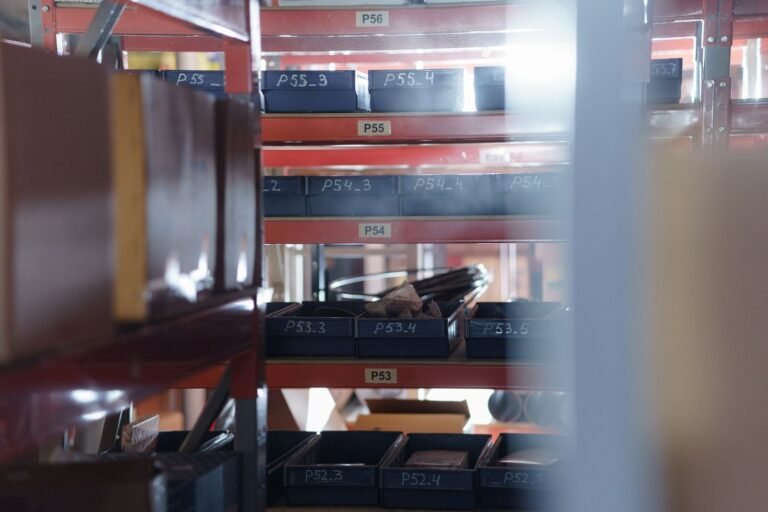
A cardboard shredder for 3PL operations is useful only when the resulting material is approved for the specific client, SKU, carton, and distribution route being packed. A 3PL should not

A cardboard shredder for 3PL operations is useful only when the resulting material is approved for the specific client, SKU, carton, and distribution route being packed. A 3PL should not

Do not build cardboard shredder operator training from a generic internet start-up sequence. Start with the exact machine model, the current manufacturer-approved manual, the installed configuration, and the employer’s site-specific

If a shipment uses too much void fill, do not begin by adding a faster filler or producing more packaging material. First determine whether the shipping box is unnecessarily large.

A safe cardboard shredder maintenance schedule must come from the operating and service documents for the exact model and serial configuration. There is no reliable universal interval for lubrication, cutter

A tabletop cardboard shredder is enough when suitable cartons arrive gradually, one local work area can process them without a persistent queue, the prepared material fits the selected machine’s documented

Choose a cardboard shredder when the operation has a reliable stream of suitable used corrugated cartons and can accept the sorting, preparation, and variable output that come with that feedstock.

A cardboard shredder demo should answer one purchasing question: can the exact quoted configuration process representative corrugated cardboard into usable packaging material through a repeatable workflow? A polished run with
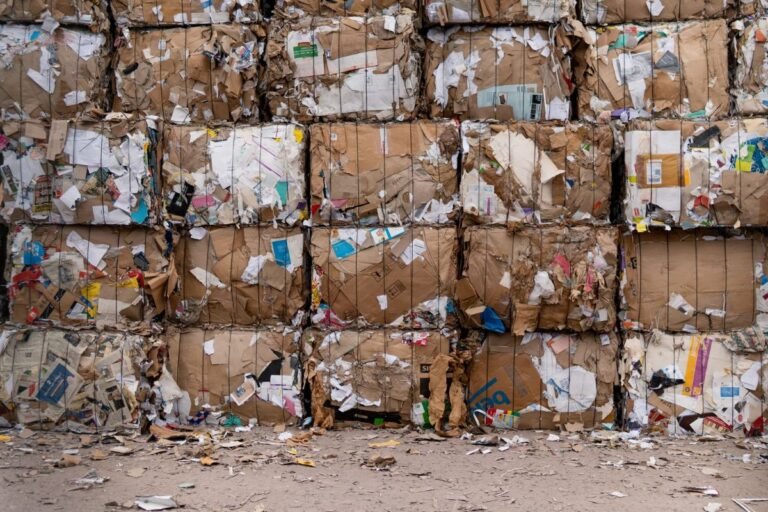
A cardboard shredder, baler, and compactor send cardboard to different destinations. Choose a packaging cardboard shredder when suitable corrugated boxes can become void fill, wrapping, or layering material that your

The practical answer to how to use perforated cardboard for packaging is to assign it one job: fill open space, wrap a product, create a layer above or below it,
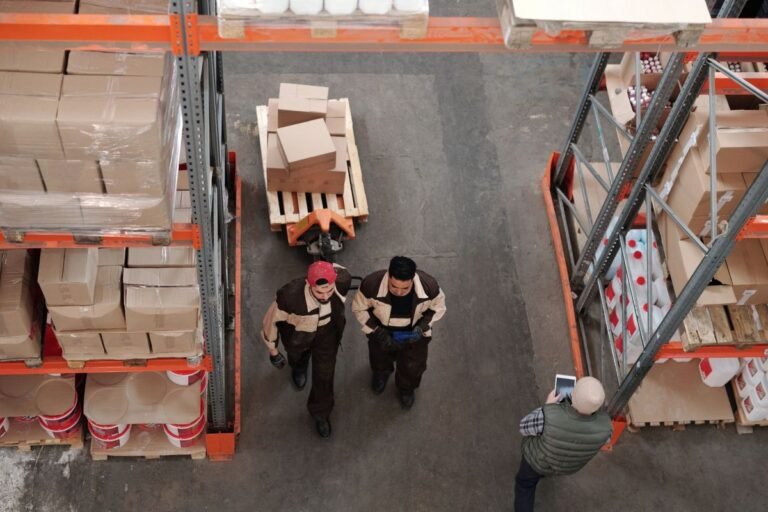
A cardboard shredder installation should pass a site-readiness review before the delivery date is released. The exact machine, electrical supply, operating envelope, cardboard route, output collection method, and responsible people