A cardboard shredder installation should pass a site-readiness review before the delivery date is released. The exact machine, electrical supply, operating envelope, cardboard route, output collection method, and responsible people must all match. A unit can fit on a floor plan and still create blocked aisles, awkward feeding, insufficient service access, or an output-handling bottleneck.
Obtain the approved installation and operating documents for the quoted model, then compare them with the proposed site. Send unresolved conditions to the supplier in writing. Voltage, phase, frequency, plug or disconnect arrangement, machine weight, feed width, clearance, and permitted material are model-specific facts. Do not infer them from a similar machine or a product-family page.
If you are still reviewing the wider equipment decision, use the complete cardboard shredder guide for businesses to compare output types, suitable cardboard, machine formats, capacity, installation, cost, and model families before working through this site checklist.
Set the Installation Basis Before Marking the Floor
Start with the job the machine must perform. A packing bench that occasionally converts small cartons has a different installation basis from a centralized area processing cardboard from several receiving lanes. The site plan should state:
- Which cardboard sources will feed the machine.
- Whether the output will be strip-cut material, expanded mesh, or both.
- Where operators will prepare and stage flattened cartons.
- Where processed material will be collected.
- Which packing stations will consume the output.
- When processing occurs: continuously at the point of use, in scheduled batches, or during receiving peaks.
These decisions establish the operating envelope. They also prevent the installation checklist from becoming a generic list of electrical and floor-space questions.
If the equipment type or capacity is still uncertain, first use a cardboard shredder selection framework to define the application and a sizing review to document volume and peak demand. Installation planning should verify a selected configuration, not compensate for an unresolved selection decision.
Cardboard Shredder Installation Requirements to Confirm
Use the following gate before approving the delivery date.
| Site item | What to confirm | Why it matters |
|---|---|---|
| Exact model | Model, options, output type, and document revision | Confirms power, weight, controls, and clearances |
| Electrical interface | Voltage, phase, frequency, rated input, connection, protection, and site work | A nominal voltage match is not enough |
| Machine support | Floor or bench rating, level, anchoring or mobility, and wheel locks if fitted | Prevents movement during normal feeding |
| Operating envelope | Footprint, staging, operator and output zones, door travel, guard access, and service clearance | Working space exceeds the machine footprint |
| Feed path | Maximum approved width, carton size, preparation area, and safe inlet approach | Prevents oversized input and poor staging |
| Output path | Container size, change frequency, expansion space, and route to packing | Prevents output backup |
| Housekeeping | Offcuts, dust, cleaning owner, waste location, and shift check | Keeps controls, walkways, and vents clear |
| People and process | Authorized operators, supervisor, training, stop rules, commissioning owner, and service contact | Assigns responsibility before use |
| Commercial scope | Delivery, unloading, positioning, connection, commissioning, training, and acceptance | Prevents scope gaps and site delays |
Do not approve a line item with “standard power,” “enough space,” or “normal cardboard.” Replace those phrases with a verified value, drawing, material description, or named responsible person.
Verify Power from the Nameplate Back to the Facility
Cardboard shredder electrical requirements should be confirmed for the exact machine configuration and destination market. Ask the supplier for the approved electrical data, then have the facility’s qualified personnel verify the proposed connection and local requirements.
Record at least:
- Supply voltage, phase, and frequency.
- Rated current or input power shown in the approved documentation.
- Plug, receptacle, hard-wired connection, or local disconnect arrangement.
- Required circuit protection and whether other loads share the circuit.
- Cable route and protection from carts, pallets, moisture, sharp edges, and foot traffic.
- Location and accessibility of normal stop controls and any emergency-stop device provided for the model.
- Who is authorized to connect, inspect, isolate, and service the equipment.

Do not treat a voltage option shown for a product family as proof that the delivered unit is wired for that supply. The purchase order, machine nameplate, and site connection should agree before energization.
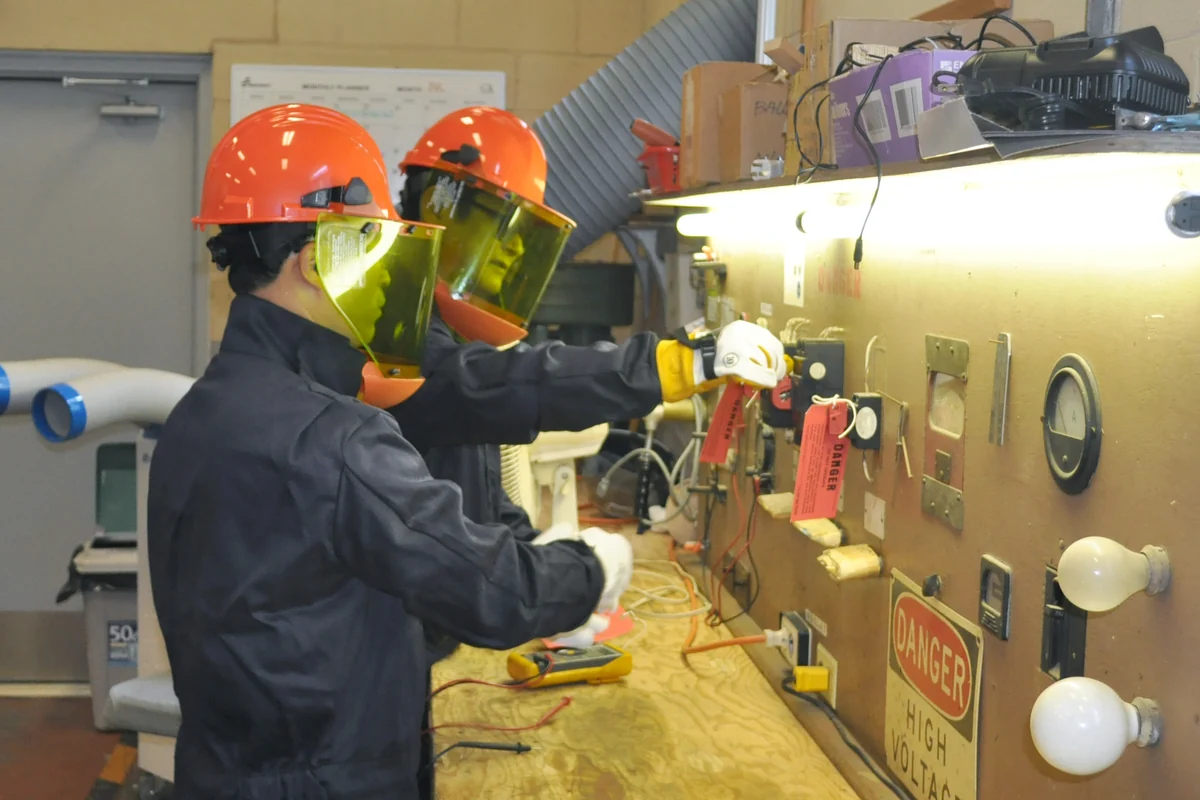
For U.S. workplaces, servicing activities can involve hazardous-energy controls. OSHA’s lockout/tagout overview explains the need to shut down equipment, isolate energy sources, and prevent unexpected startup during covered servicing and maintenance. The facility must determine which rules apply, create its own energy-control procedures, and train the appropriate employees. A Blog checklist is not a substitute for the approved manual, a site risk assessment, or local legal requirements.
Draw the Operating Envelope, Not Just the Footprint
Mark the proposed location at full scale. Add the zones that disappear from a product-dimension table:
- Cardboard approach zone. An operator needs space to carry or slide flattened cartons to the inlet without twisting around pallets or traffic.
- Preparation zone. Cartons may need to be flattened, separated, or checked for materials not permitted by the model instructions.
- Operator zone. Controls and stop devices must remain visible and reachable during normal feeding.
- Discharge zone. Expanded or strip-cut output needs a container or work surface that does not block the machine.
- Service zone. Authorized personnel need the access specified by the manufacturer without moving racks or dismantling the packing station.
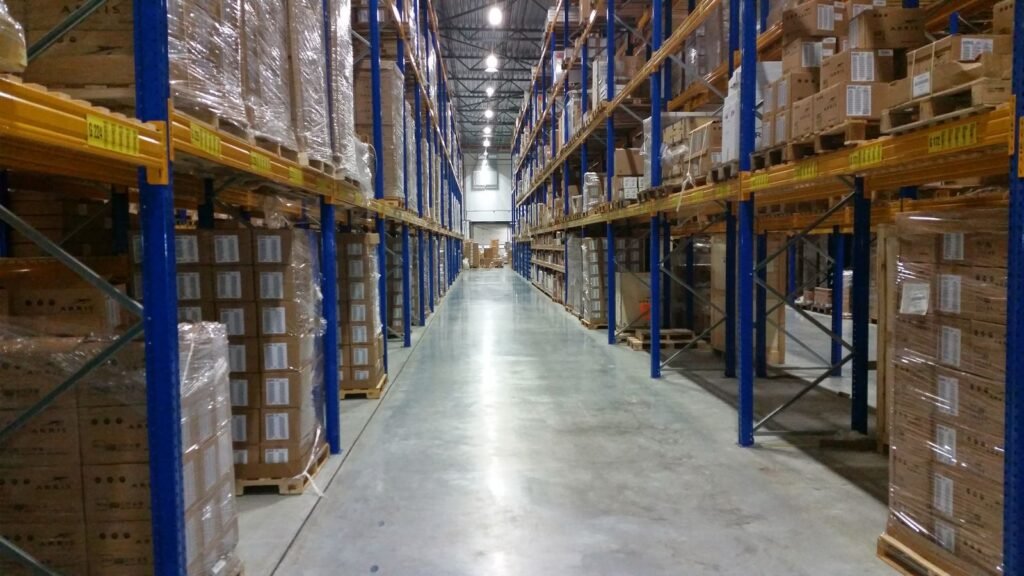
- Traffic separation. The position should not push the operator or staged cardboard into emergency routes, forklift paths, doors, or conveyor interfaces.
A desktop unit also needs this analysis. Placing a machine on an existing bench is suitable only if the bench can support it, the controls remain accessible, the feed path is comfortable, and the output has somewhere to go. “Tabletop” describes a form factor; it does not prove that any available table is acceptable.
Map Cardboard from Receiving to the Packing Station
A commercial cardboard shredder setup should make the material route shorter and clearer. The machine should not become another storage point.
Sketch four flows:
- Inbound cartons: where empty cartons originate and how they reach the preparation area.
- Rejected material: where wet, contaminated, heavily damaged, or otherwise unapproved cardboard goes.
- Converted output: how the packaging material is collected, identified, and delivered to users.
- Residual waste: how offcuts and housekeeping waste leave the area.
Then walk the route during a representative shift. Carry the largest recurring flattened panel through the proposed approach path and move the planned output container to its destination without energizing the machine. This simple dry run can expose narrow turns, door conflicts, lifting demands, and traffic crossings that are missing from a drawing.
Look for double handling: flattening boxes in one area, moving them to a second staging point, processing them in a third area, and carrying output back past the original station. A centralized machine may still be appropriate, but the labor and traffic must be visible in the decision.
The output container deserves particular attention. Mesh material can expand after conversion, while strips behave differently when collected and dispensed. Confirm the container shape, location, change-out method, and how packers will draw material without scattering it or compressing it unnecessarily.
Decide What “Ready for Use” Means
Delivery is not acceptance. Create a short acceptance record with responsibilities on both sides of the purchase.
Before shipment
- Approved model and options match the purchase order.
- Electrical and dimensional documents have been received and reviewed.
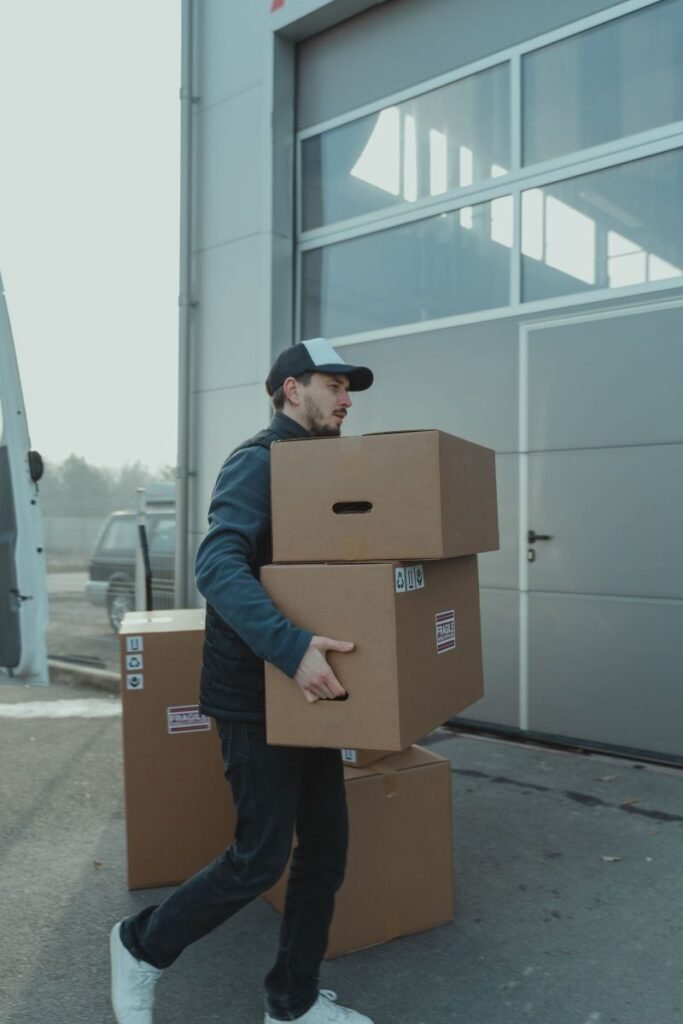
- Delivery route, doorways, elevators, dock access, and handling equipment have been checked against the packed shipment information.
- The final location, support surface, connection point, and operating envelope are prepared.
- The facility has named the installation owner, training owner, and service contact.
- The order states who unloads, positions, connects, commissions, and accepts the machine.
At receipt
- Check the shipping package and machine for visible damage before internal movement.
- Verify the model, serial information, electrical nameplate, ordered accessories, and documents against the purchase order.
- Record shortages, substitutions, or damage before installation proceeds.
- Use handling points and methods stated in the supplier’s documents; do not lift by guards, controls, or feed openings.
- Keep the machine out of production until the required site and commissioning checks are complete.
Before production release
- Qualified personnel have completed the required connection and site inspection.
- Guards, covers, controls, warnings, and any emergency functions provided for the model are present and checked according to the approved procedure.
- The discharge container and housekeeping method are in place.
- Operators have been trained on normal feeding, permitted material, stop conditions, and escalation.
- A controlled trial uses representative cardboard within the model’s approved limits.
- The owner signs the release record and stores the applicable manuals and service details where the team can retrieve them.
An acceptance trial should confirm correct setup and normal operation. It should not involve defeating guards, reaching into the feed or cutting area, or experimenting with unapproved material.
Information to Send with a Cardboard Shredder RFQ
A useful cardboard shredder RFQ checklist gives the supplier enough context to identify installation conflicts before the quote becomes an order. Send:
- Destination country and installation address.
- Available electrical supply and the facility contact who will verify it.
- Typical flattened carton dimensions and the largest recurring width.
- Cardboard construction and condition, including variation across suppliers.
- Average and peak volume, with the time window in which it arrives.
- Desired output and how that output will be used at the packing station.
- Proposed bench or floor location, available envelope, and layout drawing.
- Photos or a simple sketch of the feed, discharge, and traffic areas.
- Delivery constraints such as dock access, doorway dimensions, stairs, or elevator limits.
- Required manuals, declarations, training information, spare-parts information, and acceptance documents.
- Questions about installation responsibility, commissioning, warranty conditions, and service escalation.
Use SelectPack’s cardboard shredder product hub to identify the exact desktop or floor-standing configuration under consideration. Attach that model designation to the RFQ and ask for its current electrical, dimensional, handling, clearance, and commissioning information in writing.
When the Proposed Site Is Not Ready
Delay installation approval if the power configuration is unverified, the delivery route is unknown, the support surface has not been checked, operators would feed across a traffic path, output would block access, or the service clearance exists only after moving permanent equipment.
Reconsider the layout when cardboard is generated far from the packing area, when the proposed machine would create repeated long carries, or when several stations compete for output without a replenishment method. The decision may be between a centralized processing point, point-of-use units, or a staged material route, not simply where an available electrical outlet is located.
Release the delivery date only after the facility, supplier, qualified electrical personnel, safety team, and operations owner have reviewed the same model, location, scope, and workflow. Record every open item with an owner and due date. Commissioning can then verify an agreed installation instead of discovering missing space, power, or responsibility after the machine arrives.