
A replacement foam-in-place chemical or film is ready for production only when its suitability for the specified equipment and material combination has been confirmed and the resulting package meets its

A replacement foam-in-place chemical or film is ready for production only when its suitability for the specified equipment and material combination has been confirmed and the resulting package meets its
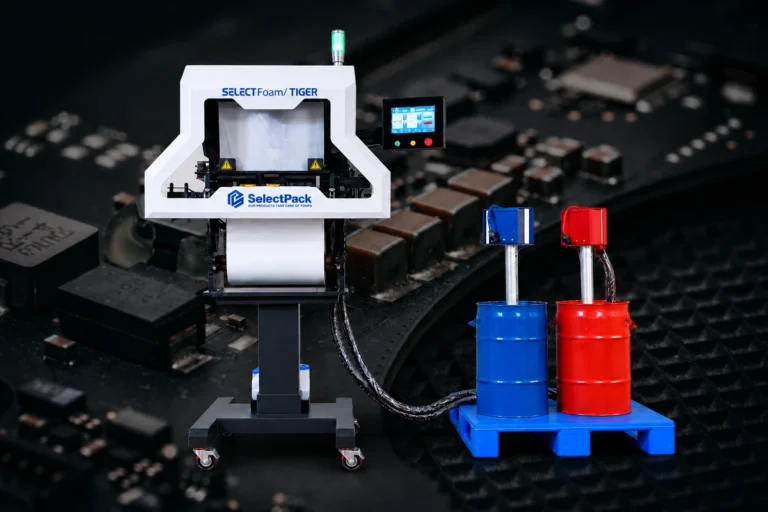
Foam-in-place cushioning does not establish electrostatic discharge (ESD) protection. Before approving foam packaging for electronics, identify the product’s ESD requirements, the packaging materials responsible for meeting them, and the evidence
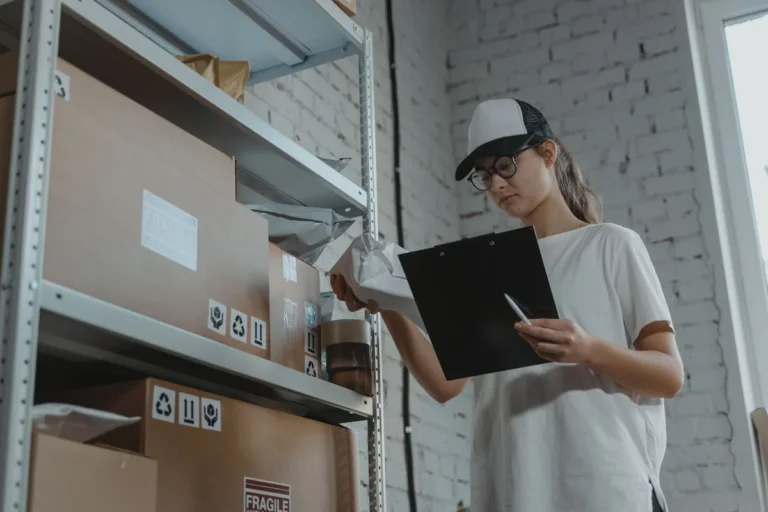
To reduce foam-in-place packaging waste, first separate material used in accepted packs from material lost during startup, rejected cushions, and rework. Measure the same SKU and packaging configuration before changing
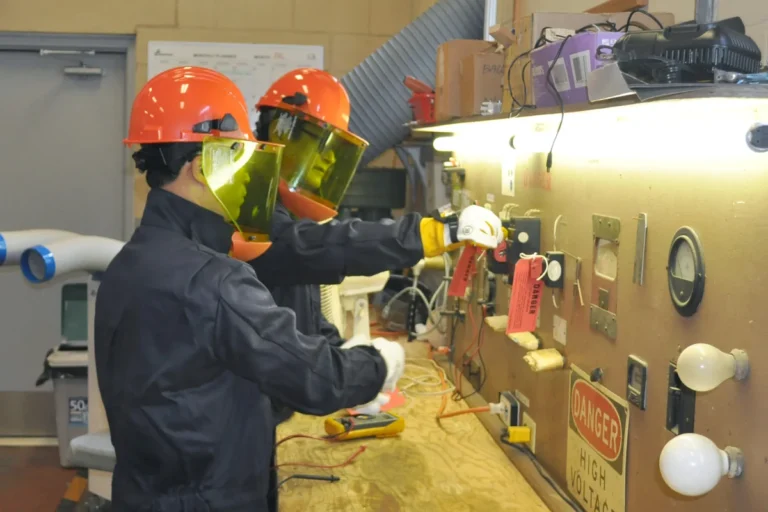
Foam-in-place packaging problems should first be separated into foam formation, bag integrity, and package design. A cushion that looks too small, a leaking bag, and a bulging carton need different
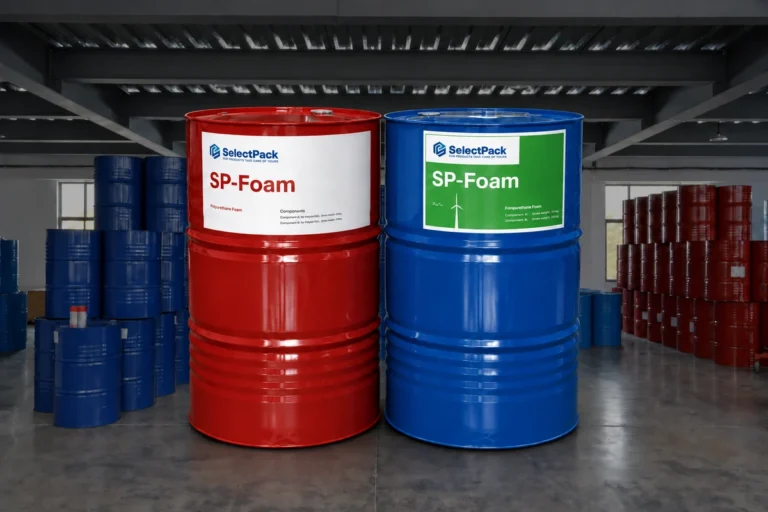
Different foam-in-place density grades are used for different product loads. Within a matched material range, a lower-density grade is normally softer and suited to lighter loads, while a higher-density grade
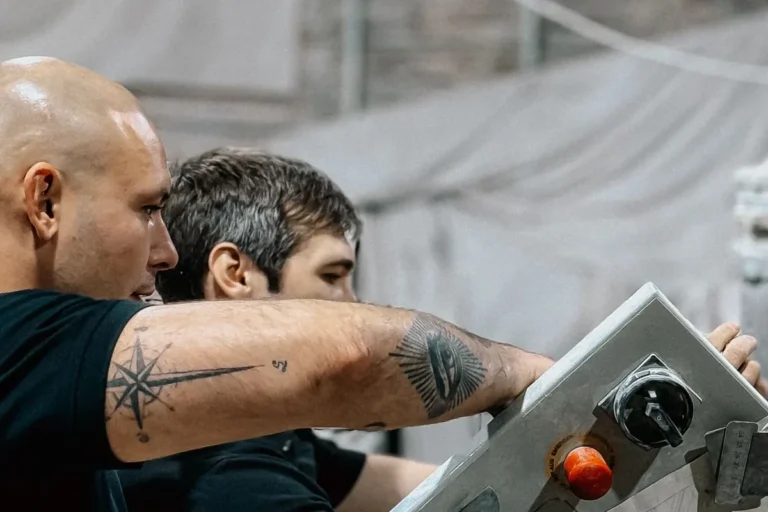
A shrink wrap machine changeover is complete only after the previous run is cleared, the approved product and film are verified, model-specific setup references are restored, required guards and safety
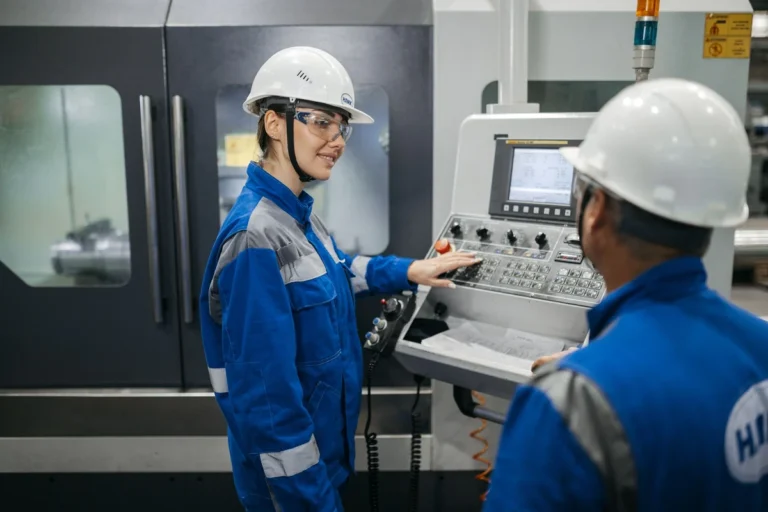
Shrink wrap machine safety training must define the task boundary for each person, not merely list hazards. An operator should know the approved production tasks, the conditions that prohibit start-up,
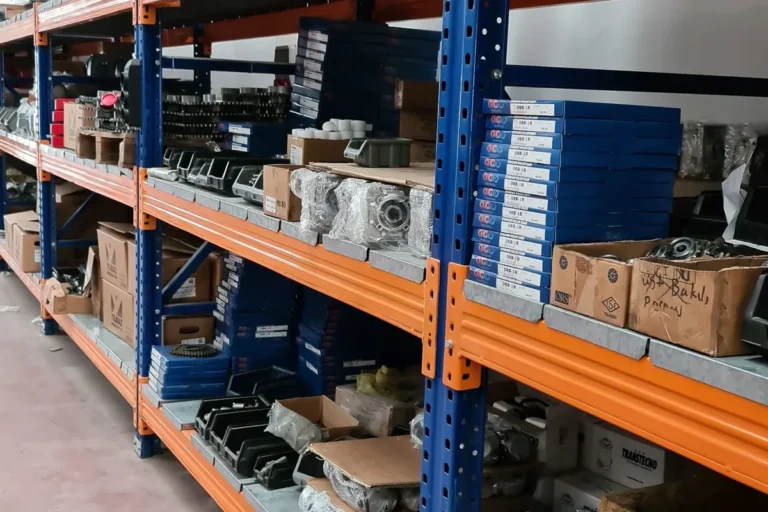
Shrink wrap machine wear-parts planning starts by separating three different inventory decisions: wear consumables replaced through routine authorized work, critical spares stocked because a failure could stop production, and qualified-repair components that require diagnosis and controlled
A shrink wrap machine maintenance schedule must be specific to the installed model, configuration, runtime and site conditions. Build it from the current machine manual and approved site procedures, then

Shrink wrapping line integration succeeds when every mechanical transfer and control state has a defined owner and response. The line must present each product within the wrapper’s approved orientation and