The main types of shrink wrap machines are chamber machines, L-bar sealers with shrink tunnels, continuous side sealers with tunnels, and sleeve sealers with tunnels. The right type is determined first by the package you need—fuller enclosure or open-ended bundling—then by product dimensions, sustained output, labor, film, and line layout.
Do not select from the machine name alone. Two systems can both wrap the same box but create different labor requirements, seal patterns, speed limits, floor-space demands, and paths for future automation. If you need a basic process explanation before comparing equipment, start with what a shrink wrap machine is and how it works.
Four Main Machine Types
| Machine type | Package result | Best starting fit | Main constraint to check |
|---|---|---|---|
| Chamber machine | Enclosed pack in one chamber cycle | Lower-output, operator-led work | Chamber and seal dimensions |
| L-bar sealer + tunnel | Enclosed retail-style pack | Boxes and repeatable products | L-bar opening, product pitch and tunnel |
| Side sealer + tunnel | Continuous longitudinal seal | Long or variable-length products | Width/height envelope and film tracking |
| Sleeve sealer + tunnel | Open-ended sleeve or bundle | Multipacks, trays and grouped products | Bundle stability and film-load process |
These are equipment families, not automation levels. Chamber systems are commonly manual or operator-led, while L-bar and sleeve systems can be semi-automatic or fully automatic. Side-seal systems are commonly selected for continuous product flow. The final configuration still depends on the specific model and product test.
Chamber Shrink Wrap Machines
A chamber machine combines sealing and shrinking in one work area. The operator positions the film and product, closes the chamber, and the machine completes the cycle. This compact arrangement reduces conveyor and tunnel requirements.
Choose a chamber system when batches are modest, products fit the chamber comfortably, and an operator can manage loading and unloading without becoming the bottleneck. Reconsider it when output must increase substantially, products approach the chamber limits, or the package needs to connect to an automated line.
The detailed decision between a compact chamber and a separate sealing line belongs in the chamber vs L-bar comparison.
L-Bar Sealers with Shrink Tunnels
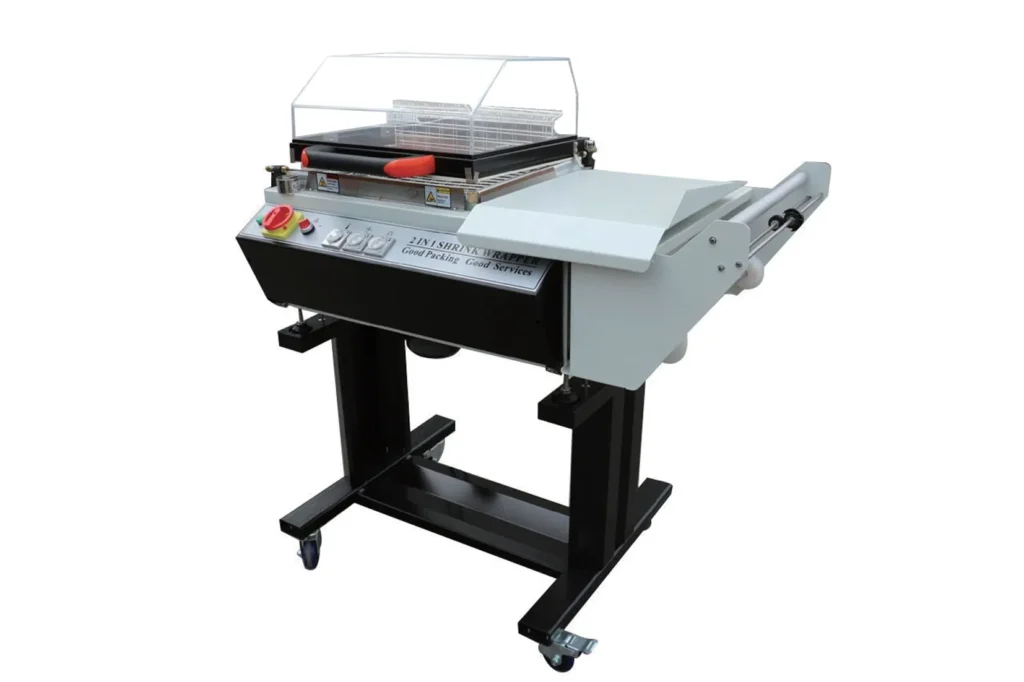
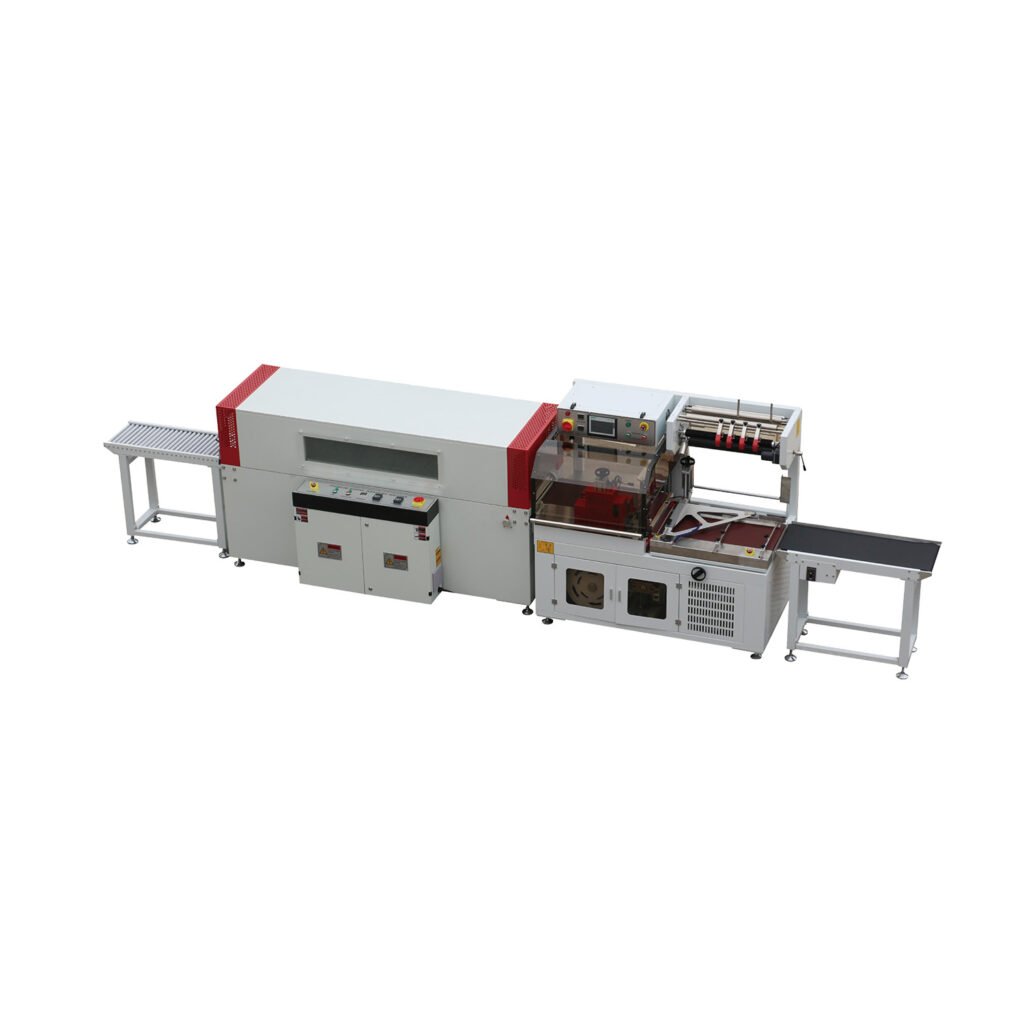
An L-bar sealer closes film along two sides of the package before the product enters a shrink tunnel. This family supports operator-fed and automatic configurations and is widely used for individual boxed or rigid products that need a neat film enclosure.
An L-bar is a strong starting point when the product range fits a defined sealing envelope, package length is manageable within the cycle, and the desired result is more enclosed than an open-ended sleeve. Check seal-bar clearance, maximum product height, tunnel opening, film fold, conveyor transfer, and the smallest unstable SKU—not only the largest box.
Continuous Side Sealers
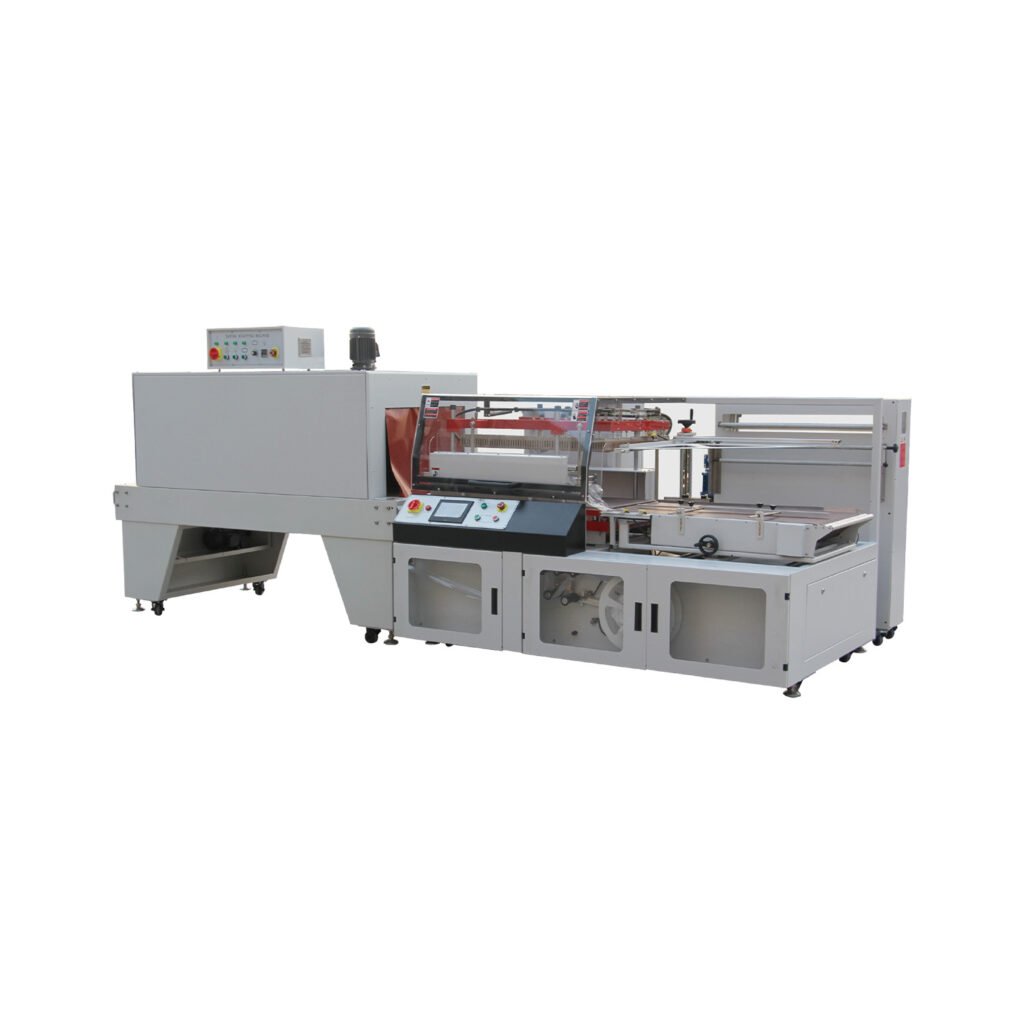
A side sealer forms a longitudinal seal as products move through the line. Because the sealing path is continuous, product length is less restrictive than with an intermittent L-bar cycle. The system is useful for long products, varying lengths, and higher-flow applications.
Continuous flow does not remove every constraint. Product width and height, film tracking, spacing, sensor detection, tunnel capacity, and downstream accumulation still limit usable output. Use the L-bar vs side-sealer guide when product length or flow pattern is the deciding issue.
Sleeve Sealers and Bundling Systems
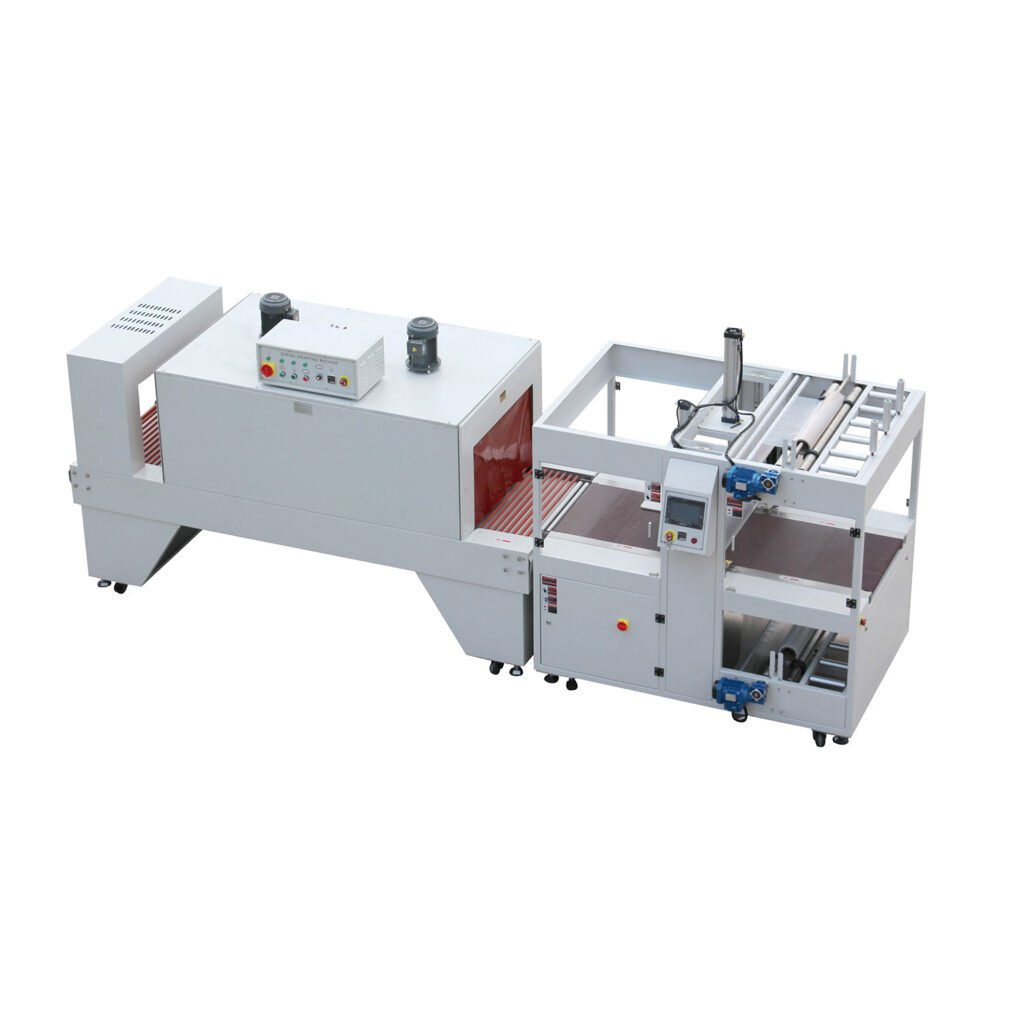
A sleeve sealer places a film sleeve around a product or group and sends it through a shrink tunnel. The package commonly remains open at two ends. This is often the intended result for bottles, cans, cartons, trays, and grouped industrial products.
Choose a sleeve system when bundle integrity matters more than full film enclosure. Confirm whether the pack needs a tray, whether individual units remain stable during transfer, how openings are allowed to appear, and whether the proposed film grade and tunnel are matched to the load. For the package-style decision, see L-bar vs sleeve sealer.
Separate Machine Type from Automation Level
“Automatic” does not describe the seal geometry. An automatic L-bar, automatic side sealer, and automatic sleeve wrapper solve different packaging tasks. Automation instead determines who loads, spaces, detects, transfers, and unloads products and how the machine communicates with the line.
Compare staffing, product presentation, changeovers, fault recovery, and upstream control in automatic vs semi-automatic shrink wrap machines.
Move from Type to Configuration
Use four decisions to leave the overview and enter the correct detailed evaluation:
- Define whether the pack needs fuller enclosure or an open-ended sleeve.
- Choose the seal geometry that supports that package and product flow.
- Set the automation boundary around the work operators and conveyors can perform reliably.
- Validate physical fit and sustainable output as separate requirements.
Use shrink wrap machine sizing for product clearance, seal range and tunnel opening. Use speed and throughput planning for the sustainable line rate. Those checks belong in the configuration stage rather than in this machine-type overview.
SelectPack’s industrial shrink wrap machine range includes chamber, L-bar, side-seal and sleeve configurations. Begin an inquiry with the required package result and representative products; those inputs determine which family deserves a detailed trial.