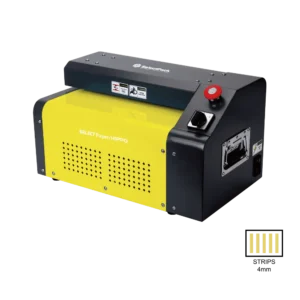
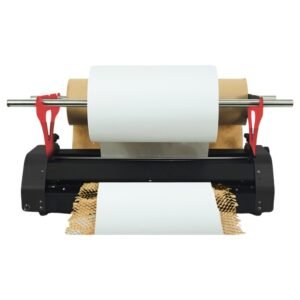
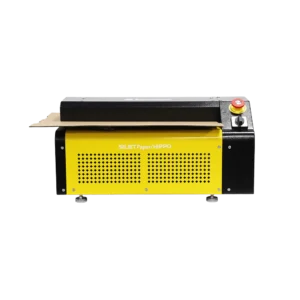
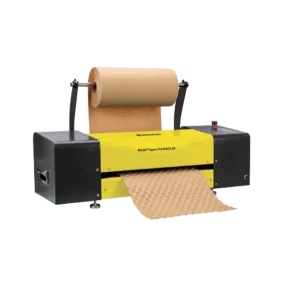
* 纸板碎纸机 Hs 编码: 8441100000
Packing Zone
DCs / Fulfillment Centers
Exporters with in-house packing
Multi-site packaging standards
| 模型 | SelectPaper/HippoPlus P80 |
|---|---|
| 切割速度 | 12 米/分钟 |
| 进纸宽度 | 550 毫米 |
| 电压 | 110 / 220 / 380V |
| 电源 | 2200W |
| 尺寸 | 767 x 590 x 971 mm |
| 净重 | 208.5kg (110V) / 205kg (220V) |
| Max Cardboard Thickness | 20 mm |
| 机器尺寸 | 767 x 590 x 971 mm |
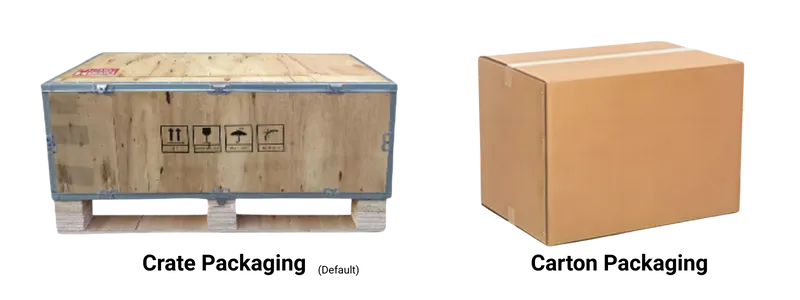
| Weight (Carton Packaging) | N.W. / G.W. (110 V): 208.5kg / 233kg N.W. / G.W. (220 V): 205kg / 230kg |
| 包装尺寸 | 890 x 610 x 1020 mm |


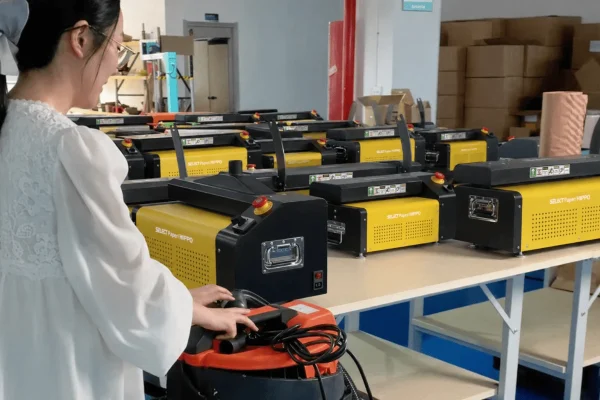
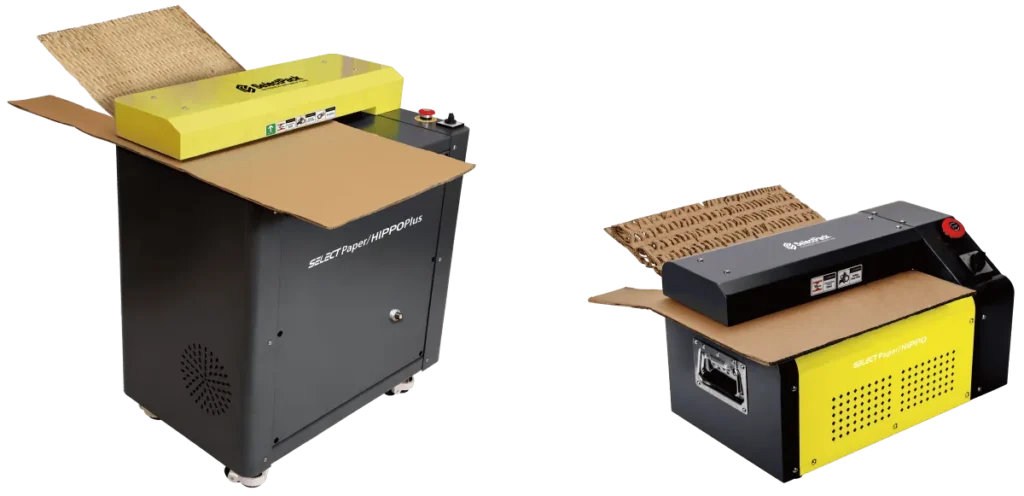
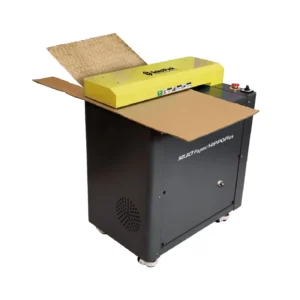
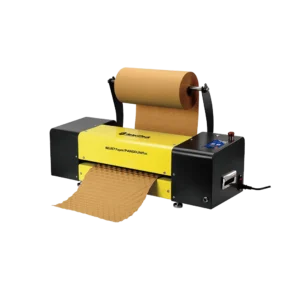
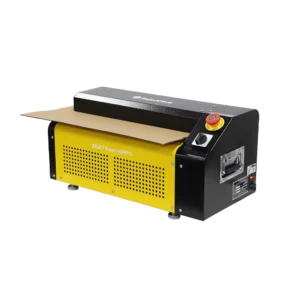
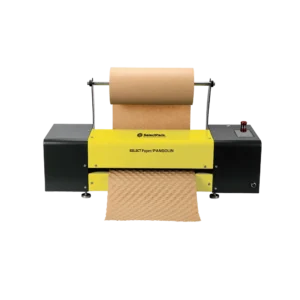
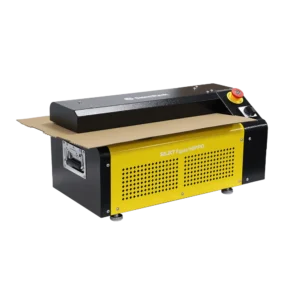
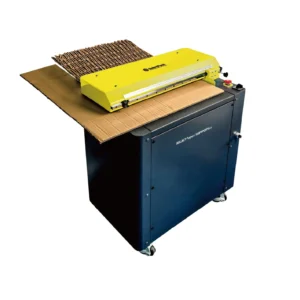
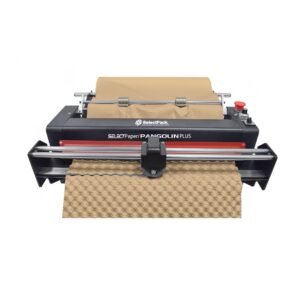
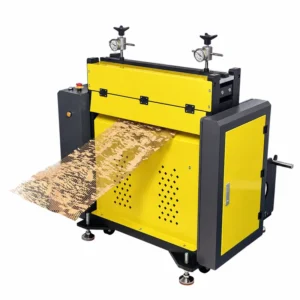
使用 SelectPar/HippoPlus P50/P80 简单高效。只需将一个用过的纸箱压平,然后将其插入 550 毫米宽进料槽. .机器自动将纸板拉入并通过重型刀片进行处理,将材料切割并穿孔成柔韧的网状填充物。生产出的产品可立即用于填充空隙、包裹或缓冲装运箱内的货物。.
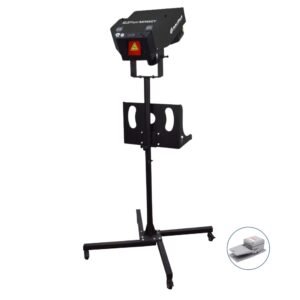
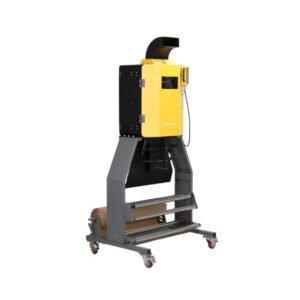
得益于其强劲的电机和落地式设计、, 选择纸张/HippoPlus 可轻松处理多层和较大的纸箱,是有持续需求的繁忙包装站的理想之选。.
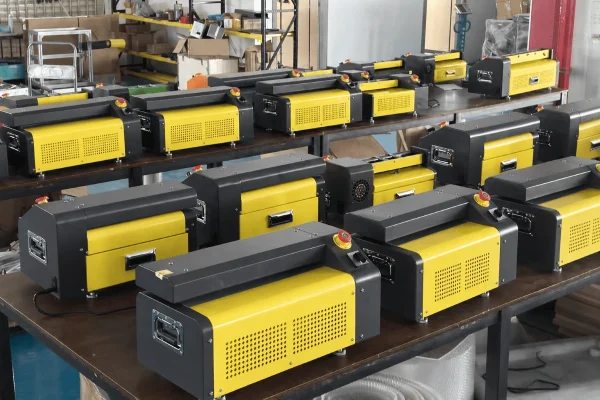
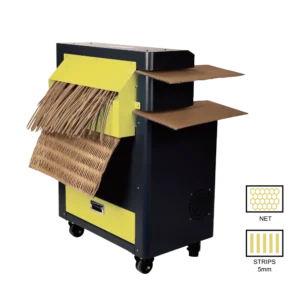
Built for demanding packaging environments, the Hippo P80 heavy-duty cardboard shredding machine is designed to handle sustained, high-volume cardboard processing. Its increased feed width and heavy-duty cutting system allow it to continuously process wide and thick corrugated cartons, making it well suited for intensive daily operations. Designed to operate as a stand-alone machine, the P80 integrates smoothly with established packing lines and supports businesses seeking a more robust and expandable approach to in-house cardboard reuse.
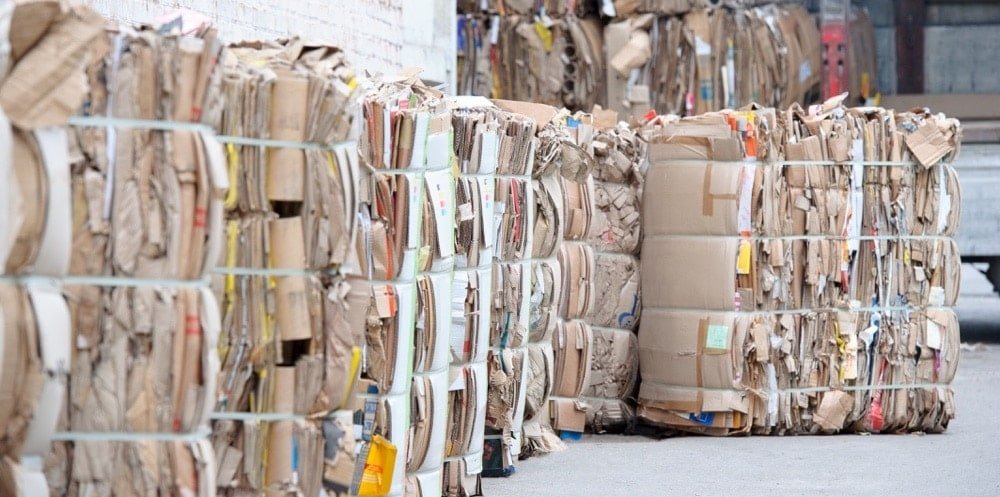
Cardboard waste is a daily reality for warehouses, fulfillment centers, and packaging operations of all sizes. While cardboard boxes are essential for shipping and storage, disposing of used cartons efficiently—and cost-effectively—has become an ongoing challenge for many businesses.
There are several ways to handle waste cardboard, from external recycling services to purchasing ready-made void fill materials. However, one increasingly practical solution is the use of a cardboard perforator, which allows businesses to process used cartons on-site and reuse them as protective packaging material.
In this guide, we’ll take a closer look at how corrugated cardboard shredders work, why they are used in packaging operations, and what factors matter most when selecting the right machine for your business.
You’re in the right place—let’s take a closer look.
A cardboard processing machine is a packaging machine designed to process used corrugated cardboard into flexible, protective packaging material. Instead of treating cardboard cartons as waste that must be disposed of or sent for external recycling, businesses can convert them on-site into void fill, wrapping, or cushioning material for outbound shipments.
Unlike standard paper shredders, which are intended for thin office paper, cardboard shredders are engineered to handle the structure and resistance of corrugated board. They typically use reinforced cutting shafts, hardened blades, and higher torque motors to perforate, cut, or expand cardboard sheets without jamming or overheating. The resulting output maintains structural integrity while becoming flexible enough for packaging use.
For businesses with consistent carton usage, cardboard shredders represent a practical method of reusing materials already available on-site, transforming packaging waste into a functional resource rather than an operational burden.
Cardboard is one of the most common materials used across logistics, warehousing, and e-commerce operations. While cartons are essential for shipping and storage, managing used cardboard often presents recurring challenges. Disposal fees, handling labor, storage space, and dependence on external recycling services all add ongoing costs to daily operations.
Using a cardboard shredding machine allows businesses to address these challenges directly. By processing cardboard in-house, the volume of waste requiring disposal is significantly reduced. In many cases, cartons that would otherwise be flattened, stacked, and removed from the facility can be immediately repurposed as packaging material.
From a cost perspective, this approach helps offset the expense of purchasing void fill materials such as paper padding, air cushions, or foam. Instead of buying packaging consumables repeatedly, companies generate packaging material on demand using cardboard they already own. Over time, this can lead to measurable reductions in packaging and waste-handling costs.
Operational efficiency is another key factor. With a cardboard perforator positioned near the packing bench, operators can produce void fill as needed without interrupting workflow. There is no need to wait for packaging material deliveries or allocate storage space for bulky consumables. This supports a more streamlined and responsive packing process.
Environmental considerations also play a role. Reusing cardboard internally reduces waste output and supports sustainable packaging practices without requiring major changes to existing operations. For many businesses, a corrugated cardboard shredder offers a balanced solution that combines cost control, operational efficiency, and responsible material use.
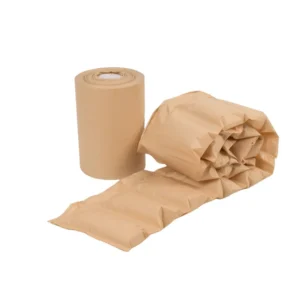
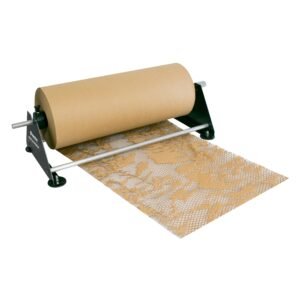
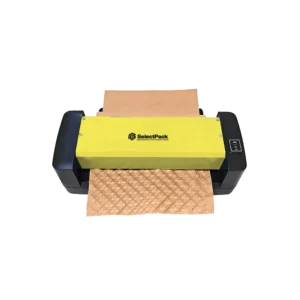
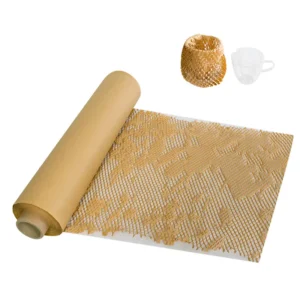
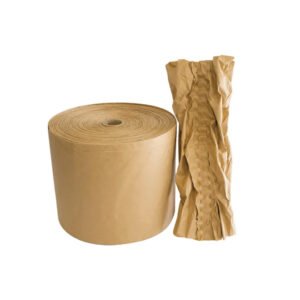
Inside the machine, rotating shafts equipped with blades or cutting elements engage the cardboard. By cutting a regular pattern into the cardboard, they allow the material to stretch and expand, creating a three-dimensional structure that absorbs impact and fills empty space in cartons.
The processed cardboard exits the machine ready for immediate use. Because the process is mechanical and continuous, packaging material can be generated on demand, matching the pace of packing operations. This eliminates the need to pre-produce or store large quantities of void fill.
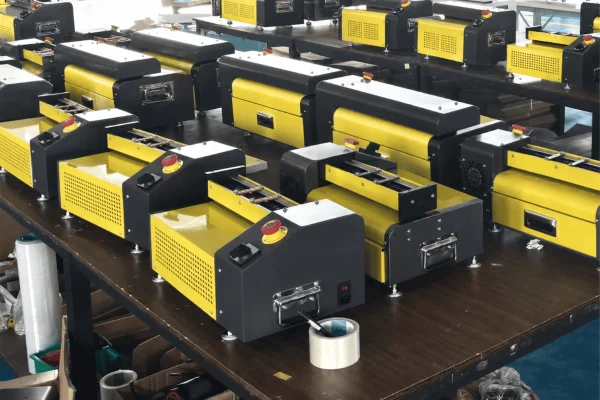
Importantly, cardboard shredders are designed with safety and reliability in mind. Features such as emergency stop buttons, enclosed cutting areas, and controlled feed mechanisms help ensure safe operation in busy packaging environments.
Cardboard shredders are available in several configurations, each suited to different operational needs and volumes.
Desktop or tabletop cardboard shredders are designed for small packing stations, e-commerce studios, and low-volume environments. These machines are compact, easy to install, and typically operate on standard power supplies. They are ideal for businesses that process a limited number of cartons per day but want to reduce waste and packaging costs.
Heavy-duty cardboard shredders are built for higher throughput. With wider feed openings and more robust cutting systems, they can process larger and thicker cartons continuously. These machines are commonly used in warehouses, fulfillment centers, and manufacturing facilities where packaging volume is consistent and predictable.
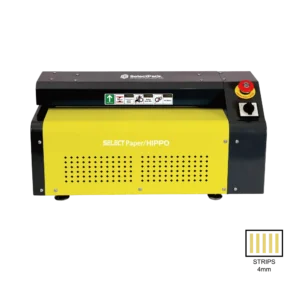
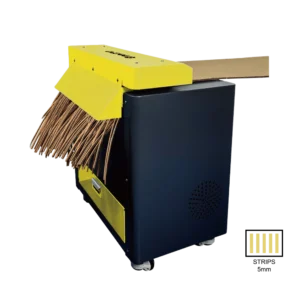
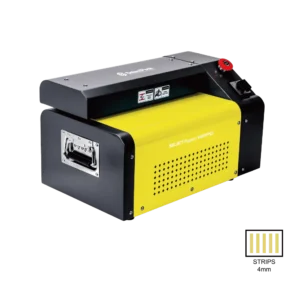
Some models are optimized for specific output types, such as strip-cut material for wrapping or expanded mesh for void fill. Others offer adjustable settings, allowing operators to tailor the output to different packaging requirements.
Choosing the right type of cardboard processing machine depends on factors such as daily carton volume, available space, and how the output material will be used within the packaging process.
Not all cardboard is the same, and compatibility is an important consideration when using a cardboard perforator. Most machines are designed to process standard corrugated cardboard, including single-wall and certain double-wall cartons. Thickness, material quality, and moisture content can all affect performance.
High-quality corrugated board produces the best output for packaging purposes. Clean, dry cardboard expands evenly and maintains structural strength after shredding or perforation. Heavily contaminated, wet, or laminated cardboard may not be suitable for processing.
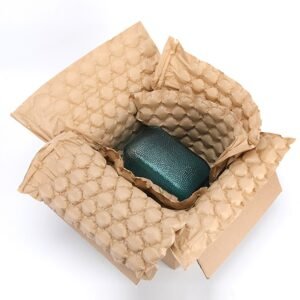
The output material generated by a corrugated cardboard shredder can be used in several ways. Expanded cardboard is commonly used as void fill to prevent movement inside shipping cartons. Strip-cut material can be wrapped around products or used as a separator between items.
Selecting the right cardboard shredder begins with understanding operational needs. One of the most important factors is daily carton volume. Small-scale operations may only require a compact machine, while high-volume environments benefit from more powerful, floor-standing models designed for continuous use.
Feed width and maximum cardboard thickness should also be considered. The shredder must be capable of handling the largest cartons commonly used in the operation without excessive pre-cutting or manual preparation.
Workspace layout plays a role as well. Desktop machines fit easily beside packing benches, while larger units require dedicated floor space. Noise level, power requirements, and ease of maintenance may also influence the decision.
Finally, businesses should consider how the output material will be used. Operations that primarily need void fill may prioritize perforation and expansion, while those focused on wrapping or separation may prefer different cutting styles.
大多数纸板打孔机都能处理单层和双层瓦楞纸板。虽然必须去除过多的订书钉或加固材料,但通常可以接受轻薄的胶带和标签。水分含量也很重要;干燥的纸板产量更高,并能减少切割部件的磨损。.
普通碎纸机不是为瓦楞纸设计的。纸板的厚度和结构对电机和刀片造成了过大的压力,增加了机械故障的风险。专用的纸板打孔机可安全、稳定地处理这种负荷。.
不得加工塑料、金属部件、厚层压板和非纸复合材料。这些物品会损坏刀片并危及安全。遵循制造商的指导原则有助于延长机器的使用寿命并保持稳定的输出质量。.
碎纸板通常用作保护性空隙填充物、运输过程中易碎物品的缓冲以及纸箱内产品的分隔。在某些操作中,根据当地的规定,还可以将其用于回收或堆肥。.
主要特点包括吞吐能力、进料宽度、可调输出尺寸、安全机制和易于维护。机器应符合日常产量要求,不会造成瓶颈。方便用户使用的设计可减少培训时间,最大限度地缩短停机时间。.
虽然纸板粉碎本身一般不受管制,但企业应遵守当地的废物处理和工作场所安全准则。适当的培训和机器防护有助于确保遵守内部安全标准。.
无需特殊安装。Hippo 台式机即插即用,可直接放置在包装台旁边,并连接标准电源。落地式型号以整机形式交付,使用前只需进行基本定位和电源连接。.
Hippo 台式型号专为空间有限的包装站而设计,占地面积最小。落地式型号需要额外的地面空间,以保证进料和物料处理的安全,但不需要专门的房间或结构改造。.
在许多操作中,是的。河马碎纸机生产的膨胀纸板通常用于替代纸垫、气垫或泡沫,以填充空隙和分离产品。替代程度取决于纸箱尺寸和产品要求。.
根据型号的不同,SelectPack 纸板碎纸机可产生不同的输出格式,如冲孔网或条状切割材料,适用于缓冲、包装或空隙填充应用。.
日常维护工作很少,主要包括保持进料区清洁、定期检查切割部件以及遵守标准清洁准则。正确使用材料有助于确保长期性能。.
是的,标准印刷纸箱通常在不影响碎纸性能或输出质量的情况下进行处理。.
Hippo 型号专为活跃的包装环境而设计。噪音水平经过控制,仍然适用于仓库和履行区,使操作员在附近工作时不会受到严重干扰。.
台式型号适用于间歇性至中等程度的日常使用,而 Hippo Plus 落地式型号则适用于大批量包装环境中的连续重复操作。.
是的,SelectPack 对纸箱尺寸、日产量、可用空间和包装工作流程进行评估,为每个操作推荐最合适的 Hippo 型号。.
请输入您的电子邮件以获取产品手册和证书的下载链接