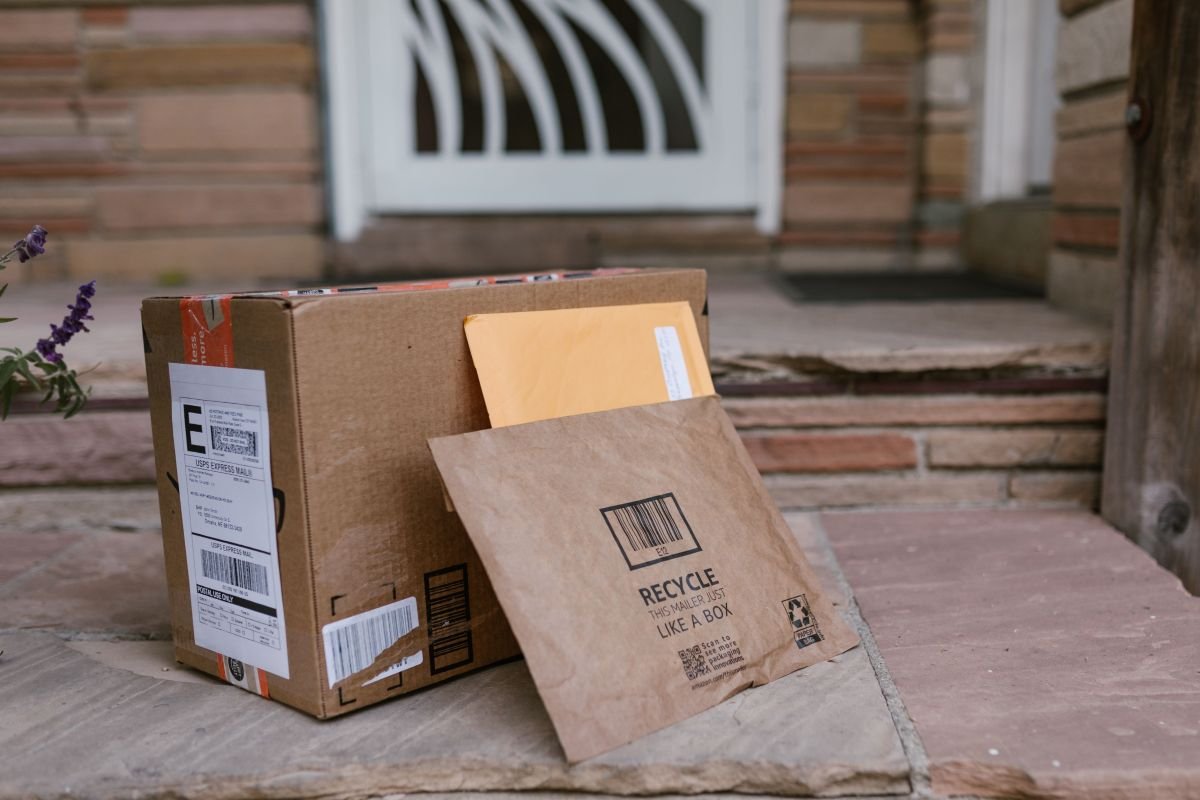
If a shipment uses too much void fill, do not begin by adding a faster filler or producing more packaging material. First determine whether the shipping box is unnecessarily large. More fill may reduce visible movement, but it cannot make an inefficient carton assortment economical, remove dimensional-weight exposure, or correct a package that needs structural cushioning rather than empty-space fill.
The right sequence is to diagnose the outer container first, then the interior protection task. Right-size the box when excess cube is the main problem. Improve void fill, wrapping, blocking, or cushioning when the box is appropriate but the product can still move or experience damage. Some shipments need both changes; others should not use loose or perforated cardboard as the primary protective system at all.
This framework helps packaging, fulfillment, and procurement teams determine whether the next investment should address carton selection, interior protection, or both. A packaging-material or equipment decision should come only after that distinction is clear.
Start With Two Different Packaging Jobs
The shipping box and the material inside it do related but different work.
The box contains the product, supports stacking and handling, provides surfaces for closure and labels, and defines the external shipping dimensions. Interior packaging manages movement, contact, abrasion, shock, vibration, and other product-specific risks. Void fill occupies open space; it is not automatically the same as cushioning, wrapping, separation, or blocking and bracing.
That distinction matters because the same symptom can have different causes. A product moving in a box could mean the carton is too large, the amount or placement of fill is inconsistent, the product is too heavy for the chosen fill, or the package lacks a restraint component. Adding material without identifying the cause can increase pack time and weight while leaving the real failure unchanged.
Use this first split:
| Observation | Primary question | Likely first investigation |
|---|---|---|
| Large open volume around a durable product | Is the carton larger than the product and required protection zone? | Carton assortment and right-sizing |
| Appropriate carton but product shifts | Is fill amount, placement, or restraint inconsistent? | Interior packaging method |
| Product is damaged without obvious movement | Does the package need cushioning, surface protection, or structural support? | Damage mechanism and package design |
| High shipping charge with a light product | Is billed weight driven by package dimensions? | Current carrier DIM rules and carton cube |
| High material use across many SKUs | Is one box size being used for products with very different dimensions? | SKU-to-carton assignment |
Diagnose the Box Before Changing the Fill
Begin with actual shipped packages, not catalog carton dimensions or general impressions from the packing line.

Compare product size, protection space, and box cube
Measure the packed product or product group, including any primary packaging that must remain around it. Then measure the finished shipping box externally. Separate necessary protection space from unused space created by a poor carton match.
Do not assume the smallest possible box is automatically correct. Fragile products, sharp edges, liquids, heavy items, and products that require separation may need additional space for a validated protective system. The diagnostic question is whether each area inside the carton has a defined protective purpose.
Mark unexplained space. If packers routinely compensate for it with large handfuls of fill, a smaller or differently proportioned carton may be the higher-value correction.

Check billed weight, not just scale weight
Parcel carriers may charge using dimensional weight when package volume is high relative to actual weight. FedEx explains that the chargeable basis can be the greater of actual weight and DIM weight, and that oversized packaging can require extra cushioning while consuming unnecessary transport cube. Review the current FedEx dimensional-weight guidance, but calculate costs using the buyer’s current carrier agreement, service, measurement rules, and surcharges.
For each representative shipment, record:
- External packed dimensions.
- Actual packed weight.
- Carrier-calculated dimensional weight.
- Billed weight and relevant surcharge.
- Box SKU selected.
- Product SKU or order profile.
- Interior material type and measured amount.
- Packing time.
Do not build a business case from a published divisor alone. Carrier terms and negotiated pricing can differ. The useful comparison is the actual invoice result for the current package against a validated alternative.
Look for carton-assignment problems
Common system-level signs include packers choosing the same familiar box for many product sizes, frequent stockouts of better-fitting cartons, a box list designed around purchasing convenience rather than the order mix, and manual rules that do not account for multi-item combinations.
These are carton-management problems. A cardboard shredder can create useful material from approved corrugated waste, but it does not select a better box or reduce the external dimensions of an oversized package.
Then Diagnose the Interior Protection Task
Once the carton is reasonably matched to the product and its required protection space, examine what the interior material must do.
Void fill
The purpose is to occupy unused space and limit free movement. The material should be placed consistently enough that normal handling does not create a new open path around the product. More volume is not always better; excessive fill can distort a carton, slow packing, add weight, or create an inconsistent customer experience.
Wrapping and surface separation
These jobs place a material around a product or between products to limit direct contact. Rough, dusty, or variable recycled material may not be appropriate in direct contact with a polished, coated, clean, or otherwise surface-sensitive item. A separate primary wrap may be necessary even when perforated cardboard is suitable for the remaining void.
Cushioning
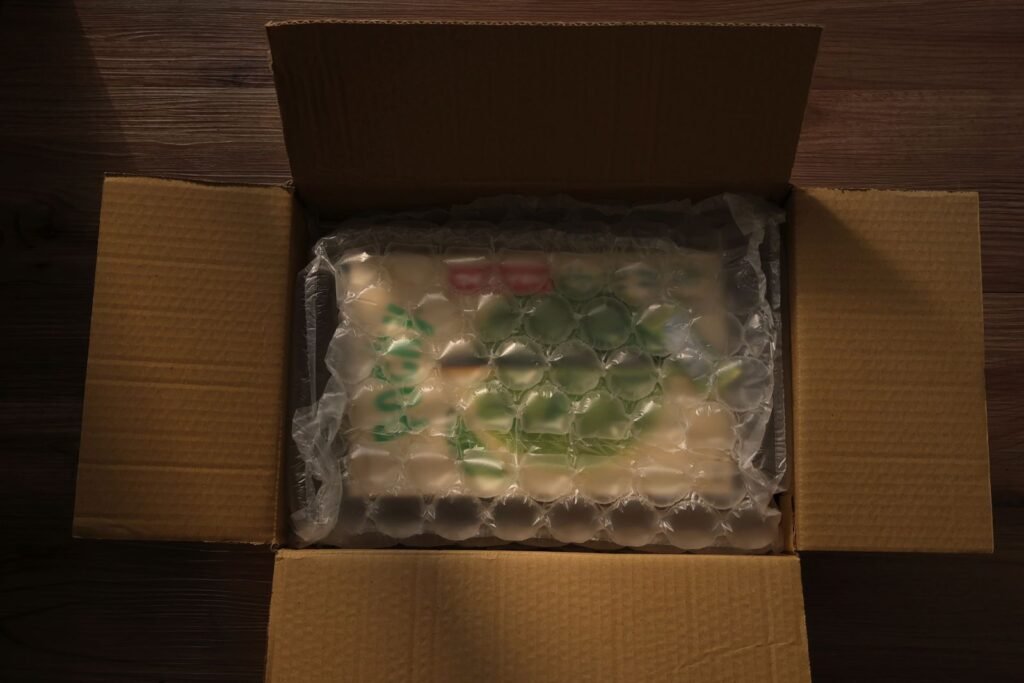
Cushioning manages shock and vibration by deforming or absorbing energy. A material that fills space does not automatically provide the required cushioning response for a fragile or heavy product. Protection has to be evaluated as part of the complete packaged product.
Blocking, bracing, and structural support
Heavy, dense, or irregular items may need engineered restraints, inserts, partitions, or other components that prevent movement and distribute loads. Loose fill should not be expected to replace these functions without validation.
UPS also distinguishes among packaging materials and their appropriate applications in its current packaging tips. Use carrier guidance as a starting point, then apply the product’s own damage criteria and distribution risks.
Right-Sized Boxes vs Void Fill: Four Diagnostic Outcomes
Do not optimize box and fill at the same time without a baseline. Classify the current package first.
Scenario A: The box is too large, but the protection method is otherwise suitable
Symptoms include high unexplained cube, excessive filler consumption, and DIM-driven billed weight without a corresponding product-protection need.
First action: test a better-fitting carton while keeping the protective method comparable. Recalculate packed dimensions, material amount, packing time, and cost. Do not purchase equipment primarily to manufacture enough fill for avoidable empty space.
Scenario B: The box is appropriate, but the product still moves
The external carton may be efficient, yet the interior material can be underfilled, poorly placed, inconsistent, or wrong for the product weight and shape.
First action: define the required interior job and compare placement or material methods. If perforated cardboard is a candidate, the practical guide on using perforated cardboard for packaging explains the difference among void fill, wrapping, layering, and interleaving. Product protection still requires an appropriate validation plan.
Scenario C: Both the box and interior method are wrong
An oversized carton can coexist with inadequate protection. Adding more of the same fill may only increase cost.
First action: establish the right carton and protection space, then redesign the interior method. Change one controlled variable at a time where practical so the team can see which improvement affects cube, labor, movement, and damage.
Scenario D: The product needs engineered protection
Fragile, heavy, high-value, sharp, ESD-sensitive, surface-sensitive, or regulated products may require a designed system beyond general void fill.
First action: involve packaging engineering or another qualified resource. Do not treat a cardboard converter as the solution until the complete packout has been evaluated for the actual product and distribution route.
Run a Controlled Box-and-Fill Comparison
A useful trial compares the current packout with one or two controlled alternatives using representative orders. Keep the product condition and acceptance criteria consistent, and document each configuration well enough for another packer to reproduce it.
| Comparison field | Record for each packout | What it reveals |
|---|---|---|
| Product or order profile | SKU group, dimensions, weight, fragility, and multi-item pattern | Whether the alternatives were tested under comparable conditions |
| Box | Box SKU and finished external dimensions | Changes in carton cube and dimensional-weight exposure |
| Weight | Actual packed weight and carrier-billed weight | Whether a smaller packout changes the shipping basis |
| Interior protection | Material type, measured quantity, and placement | Whether the difference comes from the material or the packing method |
| Packing work | Packing time and major operator touches | Labor or handling tradeoffs |
| Handling result | Product movement, carton condition, and product acceptance | Whether the complete packout performs as required |
| Decision | Accept, retest, or reject, with the reason recorded | A traceable basis for procurement or packaging approval |
Test the current packout first, then change one controlled variable at a time where practical: the carton, interior material, material quantity, or placement. If the carton changes, document the interior configuration. If the fill method changes, keep the box and product conditions comparable.
Do not generalize from one easy SKU. Include orders that reflect the operation’s actual range of size, weight, fragility, and multi-item patterns. A carton strategy that works for a durable, regular product may fail for an irregular order or a product that needs engineered protection.
When a Cardboard Shredder Fits the Corrected System
After box right-sizing removes avoidable cube, a cardboard shredder or perforator may fit when the operation has a reliable stream of approved corrugated input and a recurring need for a compatible output form.
The decision should connect three facts:
- The remaining void, wrap, layer, or separation task is legitimate.
- The selected cardboard output is operationally usable for that task.
- The product-and-package combination passes the buyer’s required validation.
Output behavior varies. Review the differences among cardboard shredder output types and request samples from the exact configuration under consideration where the supplier supports that evaluation.
A machine is a poor fit when its main purpose would be to compensate for chronically oversized boxes, when the site lacks suitable clean cardboard, or when the required protection depends on a different engineered material. It may also be only one part of a mixed workflow rather than a complete replacement for purchased interior packaging.
Do not begin the supplier discussion with a model name. Begin with a corrected-box trial brief: the selected carton, the remaining protection space, representative corrugated samples, required pack method, daily material demand, and acceptance criteria. The SelectPack cardboard shredder range can identify candidate output formats, but the useful next step is a sample that addresses this defined packaging task—not a promise to create more filler.
Document the Decision and Recheck It
For each product or order family, record the selected carton, the remaining interior-protection job, the approved material and placement, the validation result, and the condition that would trigger review.
After implementation, track billed weight, material use, pack time, damage, returns, and packer feedback. Reopen the decision when product dimensions, box suppliers, carrier terms, interior materials, packing equipment, or distribution routes change.
For the first review, choose a small but representative order family and produce a one-page decision record. Show the baseline box and billed weight, the corrected box, the remaining interior job, the candidate material quantity, and the package acceptance result. That record gives procurement a specific answer—change the carton, change the interior method, evaluate a cardboard output sample, or escalate the package design—without turning a site-wide equipment purchase into the first experiment.