Choose a cardboard shredder by matching the machine to four things: the corrugated board your site can accept, the packaging output the pack needs, peak-period material demand, and the installed workflow. Do not shortlist a machine from motor power, nominal feed speed, or daily box counts alone.
Start with representative cardboard and finished-pack samples. Confirm the permitted board construction and thickness, feed width, output mode, operating pattern, power, clearances, safety documentation, maintenance support, and the criteria the finished pack must pass.
A tabletop model can fit intermittent point-of-use conversion, while a floor-standing model can fit centralized processing for higher material flow. The final choice should be based on observed site data and the documentation for the quoted configuration. For a broader explanation of the equipment category, start with the cardboard shredder guide.
Define the Packaging Job Before Comparing Machines
A cardboard shredder is useful only when its output has a defined job in the pack. Begin with the product and shipment, not the equipment catalog.
Record the products, carton sizes, current packaging materials, and reasons those materials are used. Separate the functions that the pack must perform:
- fill open space so the product does not move excessively;
- wrap or separate compatible surfaces;
- create layers between products or between the product and outer carton; or
- support an approved internal-handling pack method.
Then define the conditions the finished pack must withstand. Product weight, shape, fragility, finish, carton strength, closure, orientation, route, handling method, and customer requirements all affect the result. Converted cardboard is one component of the pack; it is not a protection rating by itself.
| Packaging question | Evidence to collect | Effect on selection |
|---|---|---|
| What must the material do? | Current pack method and failure mode | Determines the output form to test |
| Which products will use it? | Representative SKUs, weights, shapes, and finishes | Defines trial samples and acceptance limits |
| Which cartons are involved? | Common sizes, empty-space patterns, and closures | Shows how output must be placed |
| What must the pack pass? | Handling, customer, quality, or test requirements | Defines approval criteria before purchase |
If the packaging task is unclear, equipment comparison is premature. A machine that converts cardboard successfully can still be unsuitable if packers cannot place the output consistently or the finished package does not meet its acceptance criteria.
Verify Which Cardboard the Machine May Process
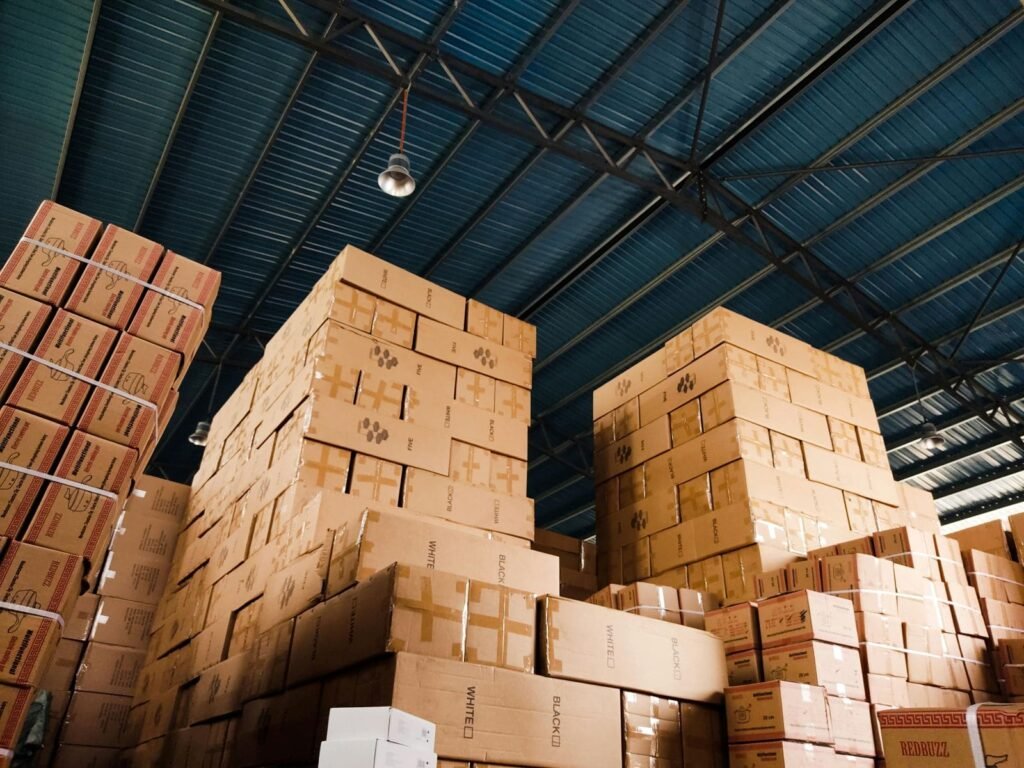
The usable input is not the total number of discarded boxes. It is the portion of corrugated board that meets the machine supplier’s documented limits and the site’s own cleanliness and quality rules.
Collect representative samples from receiving, production, returns, and any other proposed source. Include normal variation rather than presenting only the easiest carton to process. For each sample, record:
- board construction and measured thickness;
- flattened length and width;
- folds, crushed areas, and existing damage;
- tape, labels, staples, clips, or other attachments;
- moisture, oil, dirt, mold, coatings, or unknown residues; and
- how the material will be sorted, prepared, stored, and moved to the machine.
Ask the supplier to classify the samples in three groups: approved input, input requiring review or preparation, and excluded input. The quoted model’s manual and technical documentation should define the final rules. Do not assume that a general statement about single-wall or double-wall board applies to every machine or every board construction.
An input acceptance standard should also identify who inspects the material and where rejected cardboard goes. Without a controlled process, unsuitable board can create inconsistent output, unnecessary interruptions, or avoidable wear.
Measure Peak Cardboard Supply and Packaging Demand
Selection requires two separate measurements: how much acceptable board becomes available and how much approved packaging output the operation needs. A high cardboard-disposal volume does not prove that the site has enough usable material, and a large packaging budget does not prove that converted cardboard can replace the current material.
Observe representative shifts and include seasonal or production peaks. Record:
- accepted cardboard by weight or another consistent unit;
- where and when the board is generated;
- preparation and transport time;
- packaging demand by station and time period;
- the share of demand covered by approved applications; and
- the highest sustained processing window the machine must support.
Daily averages can hide a short receiving surge or a concentrated outbound packing period. The machine, operator, staging area, and material movement must work during the same peak window. If cardboard supply and packaging demand occur at different times, include buffer storage and replenishment work in the proposed layout.
Use the cardboard shredder sizing guide when you are ready to convert these observations into a capacity requirement. This page should guide the shortlist; the sizing calculation should determine the required throughput and operating window.
Choose Mesh-Cut, Strip-Cut, or Both
Cardboard shredders do not all produce the same material. Select the output form from the packaging task and a representative packout trial.
| Output | Form | Tasks to evaluate | Trial question |
|---|---|---|---|
| Mesh-cut | Connected sheet that expands into a lattice | Wrapping, layering, and separation | Does it open, cover, and stay in position consistently? |
| Strip-cut | Separate corrugated strips | Filling open carton space | Do the strips limit movement without excessive settling? |
| 2-in-1 | Mesh and strip modes | Operations with approved uses for both forms | Are mode changes, output identification, and work instructions clear? |
Neither mesh nor strips are automatically better. Mesh behaves as a connected sheet, while strips behave as loose fill. Product geometry, material placement, quantity, carton space, and distribution hazards determine whether either output works.
The detailed guide to strip-cut and mesh-cut cardboard explains the handling differences and trial questions. Use that comparison to select the output to test, not as a substitute for testing the finished pack.
Choose Point-of-Use or Centralized Conversion
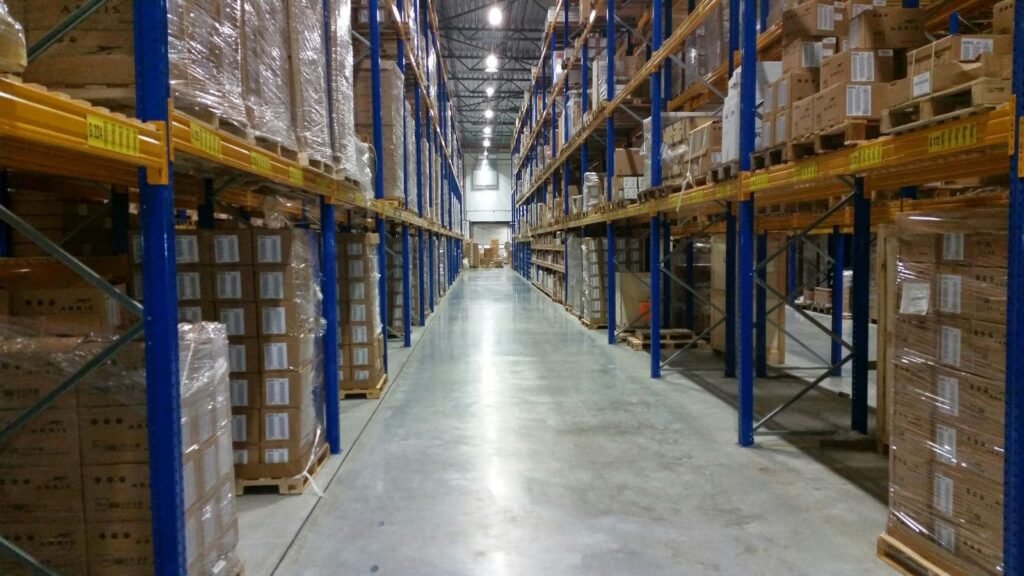
Machine format should follow material flow. A compact machine beside a packing area and a floor-standing machine serving several stations create different labor, storage, and replenishment requirements.
| Workflow | Fits when | Check before selection |
|---|---|---|
| Point-of-use | Demand is intermittent and one or a few nearby stations use the output | Workbench capacity, safe clearances, noise, dust, input staging, and operator time |
| Centralized | Several stations need material or accepted board is collected in one area | Collection routes, peak processing window, output containers, replenishment, floor space, and ownership |
| Hybrid | Local demand varies or different areas need different outputs | Which material is produced where, buffer rules, backup supply, and clear responsibilities |
Map the complete route from empty carton to accepted input, machine, output staging, packing station, and rejected material. Include operator position, feed and discharge space, pedestrian and vehicle traffic, electrical connection, housekeeping, and maintenance access. The machine footprint alone is not the installed-space requirement.
Compare Documented Machine and Site Requirements
Compare the quoted configurations using the same evidence. Marketing labels such as desktop, commercial, heavy-duty, or industrial do not define a standard capacity class.
| Requirement | What to confirm for the quoted configuration |
|---|---|
| Approved cardboard | Board constructions, thickness range, attachments, condition, and preparation rules |
| Feed opening | Usable feed width and any orientation or pre-cutting requirement |
| Output | Mesh-cut, strip-cut, or both; output width and relevant adjustment method |
| Observed throughput | Result with representative board, including preparation and handling time |
| Operating pattern | Permitted run/rest pattern or documented continuous-duty conditions |
| Site utilities | Voltage, frequency, plug or connection, and any other service requirement |
| Installed space | Machine, operator, feed, discharge, staging, guarding, and service clearances |
| Workplace fit | Noise information, dust or loose-fiber controls, mobility, and housekeeping needs |
| Safety documentation | Manual, guarding, emergency controls, warnings, and training requirements |
| Service support | Warranty scope, wear parts, spare-parts route, maintenance tasks, and technical response path |
Do not use motor wattage as a shortcut for usable capacity. Cutting geometry, board condition, feed width, operating limits, controls, and the complete workflow affect performance. Likewise, nominal feed speed is not the same as finished packaging output per hour because sorting, preparation, feeding, collection, expansion, placement, and interruptions all consume time.
Request the current datasheet and manual for the exact electrical and mechanical configuration being quoted. If a requirement is important but not documented, treat it as unresolved until the supplier confirms it in writing or demonstrates it with representative material.
Run a Representative Cardboard and Packout Trial
A demonstration should test both conversion and packaging use. Send or bring samples that represent routine board, difficult-but-permitted board, common products, common cartons, and expected peak work.
During the trial, record:
- how the cardboard is inspected and prepared;
- whether each approved sample feeds and exits consistently;
- the observed output form, width, expansion, and handling characteristics;
- interruptions, rejected material, noise, dust, and housekeeping observations;
- the time and operator steps required to create and replenish usable material;
- how packers place the output for each product and carton family; and
- whether the finished pack meets the predefined acceptance criteria.
Use the cardboard shredder demo and sample-test checklist to keep supplier demonstrations comparable. Record the machine configuration and sample description with every result; otherwise, the trial cannot support a defensible purchasing decision.
A basic handling check may support early screening, but it does not predict every shipping result. Where the distribution risk or product value requires formal packaged-product testing, select an appropriate method for the actual route and objective. The ISTA test-procedure overview distinguishes screening procedures from general and enhanced simulation approaches.
Build the RFQ and Supplier Shortlist
A useful request for quotation gives each supplier the same operating evidence and asks for the same deliverables. Include:
- representative cardboard samples, photos, dimensions, and acceptance rules;
- accepted supply and packaging demand during normal and peak periods;
- required output mode and the approved or proposed packaging tasks;
- products, cartons, pack methods, and trial acceptance criteria;
- proposed location, available utilities, and installed-space drawing;
- required operating schedule and number of stations served;
- documentation, training, warranty, spares, maintenance, and service expectations; and
- delivery location, commissioning scope, and target schedule.
Ask the supplier to identify the exact configuration, documented limits, included accessories, exclusions, installation requirements, and unresolved assumptions. Compare total installed scope and support, not just purchase price.
The SelectPack cardboard shredder supplier page shows the current equipment path for mesh-cut, strip-cut, and combined output. Use the RFQ data and material trial to narrow the range to a configuration that fits the site.
When a Cardboard Shredder Is Not the Right Choice
Do not buy a cardboard shredder solely because the facility discards cartons. Another route is more appropriate when:
- the site cannot maintain a reliable supply of accepted corrugated board;
- direct carton reuse or the current recycling route has greater operational value;
- approved packaging demand is too small or too irregular to justify the workflow;
- products require cleanliness, surface protection, cushioning, or compliance controls that recovered cardboard cannot meet;
- the converted material fails the representative packout or package test;
- collection, preparation, operation, housekeeping, and replenishment labor cannot be assigned;
- the proposed site lacks safe space, utilities, or service access; or
- a right-sized carton or another engineered packaging system addresses the problem more effectively.
A hybrid arrangement is often more realistic than complete replacement. Converted cardboard can serve approved routine applications while purchased material remains available for unsuitable products, demand peaks, or contingency coverage.
Make the Final Selection from Evidence
The right cardboard shredder is the configuration that processes the site’s approved board, produces an output packers can use consistently, supports peak demand in the installed workflow, and comes with the documentation and service the operation requires. The decision is complete only after the representative packout meets its acceptance criteria.
To request a configuration review, contact SelectPack with your cardboard samples, output requirement, peak demand, site utilities, available space, and trial criteria. The recommendation should confirm the quoted model and its limits rather than rely on general model labels or unverified production assumptions. decision comes down to two categories: desktop units and floor-standing systems.