Incorrect sizing is one of the most common mistakes businesses make when purchasing a cardboard shredder. Many buyers focus on machine dimensions or motor power alone, only to discover later that the shredder cannot keep up with demand—or that they paid for capacity they rarely use.
In practice, size does not simply refer to the physical footprint of the machine. Proper sizing is a combination of throughput requirements, usage patterns, output type, and how the shredder fits into the overall packaging workflow.
This guide explains how to size a cardboard shredder based on real operational needs. By evaluating cardboard volume, duty cycle, output requirements, and layout constraints together, packaging operations can select equipment that performs reliably without unnecessary cost or complexity.
Start with Your Cardboard Volume
Average Daily Cardboard Volume
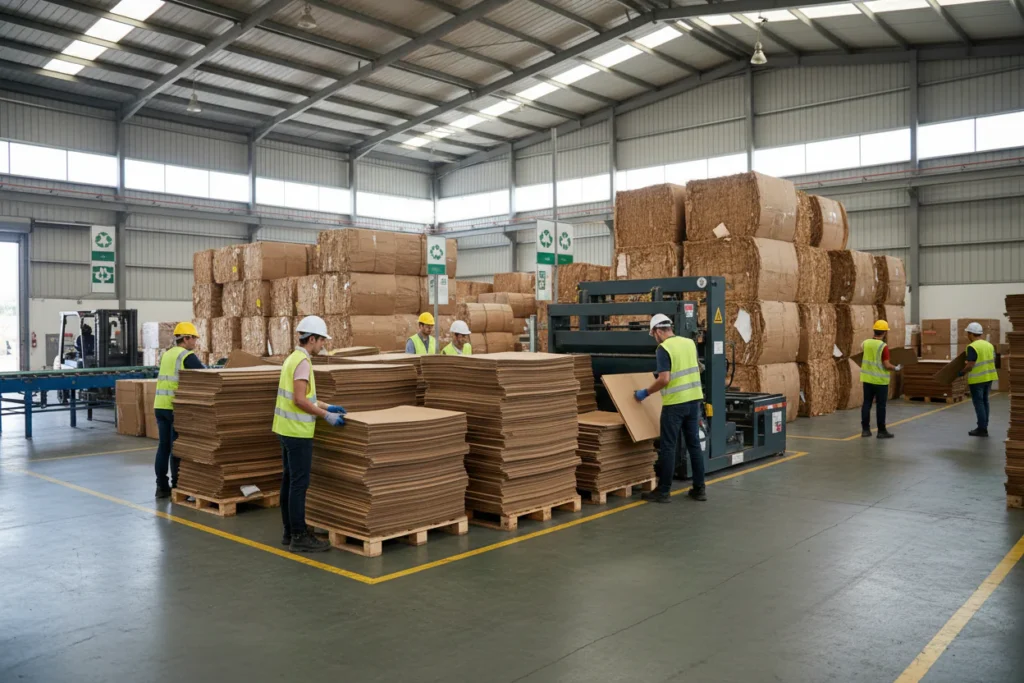
The first step in sizing a cardboard shredder is understanding how much material you process on a typical day. This includes:
- The number of boxes unpacked or broken down daily
- Average box dimensions
- Cardboard thickness (single-wall or double-wall)
Underestimating daily volume often leads to bottlenecks at packing stations. Operators may need to pause packing to wait for void fill, or cardboard may accumulate faster than it can be processed. Over time, this reduces efficiency and creates frustration on the floor.
Peak Periods and Seasonal Spikes
Average volume alone is not enough. Most packaging operations experience peaks—seasonal surges, promotions, or large inbound shipments.
Sizing a shredder only for “normal” days often results in downtime during peak periods. Machines may overheat, jam more frequently, or require frequent rest periods. A realistic sizing decision should account for both average demand and predictable peak loads.
Understand Duty Cycle: Light, Medium, or Continuous Use
Intermittent vs Continuous Shredding
Duty cycle describes how often and how long a shredder operates during the workday.
- Intermittent use: Short bursts at individual packing stations
- Continuous use: Ongoing operation at a centralized shredding point
Intermittent use places less thermal stress on motors and blades, allowing smaller machines to perform effectively. Continuous shredding, by contrast, requires more robust components designed for sustained loads.
Why Duty Cycle Matters More Than Speed
A common misconception is that higher cutting speed automatically means higher performance. In reality, duty cycle has a greater impact on long-term reliability.
Machines designed for continuous use manage heat buildup more effectively and experience slower blade wear. Choosing a shredder based on speed alone can lead to premature failures if the duty cycle is underestimated.
Output Type Affects Shredder Size Requirements
Strip-Cut Cardboard Output
Strip-cut output is commonly used for:
- Void fill
- Box lining
- Simple cushioning
Strip cutting generally offers lower resistance during processing, allowing lighter-duty machines to perform efficiently. For operations focused on basic void filling, strip-cut output often enables smaller shredder sizes.
Perforated / Mesh-Cut Cardboard
Perforated or mesh-cut cardboard requires more cutting force. The process involves expanding the cardboard structure, which increases resistance during shredding.
As a result, mesh output typically demands stronger motors, reinforced cutting rollers, and more rigid frames. Selecting mesh output without adjusting shredder size accordingly is a common cause of underpowered installations.
Choosing Output Based on Packaging Needs
Output choice should be driven by application, not appearance. Cushioning, wrapping, and interleaving each place different demands on the shredder.
Oversizing a machine purely to achieve a specific output style can increase costs without delivering proportional operational benefits. Learn more about output type selection.
Cardboard Characteristics That Influence Machine Size

Cardboard Thickness and Ply
Cardboard thickness has a greater impact on shredder load than width. Double-wall and heavy-duty cartons significantly increase resistance during cutting.
Operations handling a mix of light and heavy cardboard should size machines based on the thickest material processed regularly, not the most common one.
Box Preparation Practices
How cardboard is prepared before shredding also affects sizing requirements:
- Flattened cartons feed more evenly
- Staples, tape, and labels increase cutting resistance
- Unflattened boxes create inconsistent loads
Poor preparation increases mechanical stress and may require a larger shredder to maintain consistent output. See our cardboard preparation guide for best practices.
Centralized vs Decentralized Packaging Layout
Centralized Shredding Systems
In centralized systems, one shredder supplies multiple packing lines. These setups typically require:
- Higher throughput capacity
- Continuous-duty performance
- Larger, floor-standing machines
Centralized shredding reduces redundancy but concentrates demand on a single machine, making proper sizing critical.
Decentralized / Station-Based Shredding
Decentralized layouts place smaller shredders at individual packing stations. Benefits include:
- Shorter material flow
- Reduced handling
- Greater flexibility
Because each machine serves a limited area, overall capacity requirements are lower, allowing compact units to perform effectively.
How Layout Decisions Affect Sizing
Choosing between fewer large machines and multiple smaller units affects not only shredder size but also labor flow and material handling efficiency. The optimal approach depends on space availability, staffing patterns, and workflow design.
Space, Power Supply, and Installation Constraints
Available Floor or Table Space
Physical constraints often limit viable shredder sizes. Desktop machines fit well on packing tables, while floor-standing units require clearance for feeding and output handling.
Insufficient space around the machine can reduce efficiency and compromise safety.
Electrical Requirements
Power availability can cap maximum shredder size. Facilities limited to standard outlets may need compact or dual-voltage machines, while higher-capacity units may require dedicated circuits.
Ignoring electrical constraints can delay installation or force costly infrastructure upgrades.
Noise and Safety Considerations
Larger machines may generate more noise and require additional guarding. In shared workspaces, oversizing can create compliance challenges and affect worker comfort.
Once you have defined the required capacity and operating pattern, use the broader cardboard shredder guide to compare input limits, machine formats, installation, cost, and model families.
Avoid the Two Most Common Sizing Mistakes
Buying Too Small
Undersized shredders often result in:
- Frequent jams
- Operator frustration
- Reduced productivity
- Hidden downtime costs
What appears affordable upfront can become expensive over time.
Buying Too Large
Oversized machines may deliver impressive specifications but suffer from:
- Underutilized capacity
- Higher upfront investment
- Wasted floor space
Excess capacity does not automatically improve efficiency or ROI.
Matching Shredder Size to Typical Packaging Scenarios
Small to Medium Packing Operations
These operations typically involve:
- Low to moderate daily volume
- Intermittent shredding
- Limited space
Compact or desktop shredders often provide sufficient capacity without overinvestment. The Hippo P20 is an excellent choice for this segment, offering reliable performance for light-duty applications.
Medium to High-Volume Warehouses
Higher-volume facilities require:
- Continuous shredding
- Centralized void fill production
- Robust, floor-standing machines
Proper sizing ensures stable output during peak demand. The HippoPlus P50 is designed for this capacity range, delivering consistent performance in warehouse environments.
Growing Operations Planning for Scale
For growing operations, slight oversizing can be strategic if future volume increases are predictable. In other cases, modular expansion or additional compact units may offer better flexibility.
Conclusion:
Properly sizing a cardboard shredder is not about selecting the largest or fastest machine available. It is about matching capacity to workflow, usage patterns, output requirements, and facility constraints.
By evaluating cardboard volume, duty cycle, material characteristics, and layout together, packaging operations can select shredders that deliver consistent performance and long-term value. Before choosing a machine, assess how cardboard flows through your operation—and size accordingly.
Ready to find the right shredder for your operation? Contact SelectPack today for a personalized sizing consultation, or explore our complete cardboard shredder product line.
Related Resources
•Cardboard Shredder Troubleshooting: How to Prevent Jams
•Cardboard Shredder Output Types: Strip-Cut vs Mesh-Cut
•How to Prepare Cardboard for Shredding
•Cardboard Shredder vs Buying Void Fill: Cost & Sustainability Comparison
•Industrial Cardboard Shredder ROI Analysis
•How to Choose the Right Cardboard Shredder for Your Business