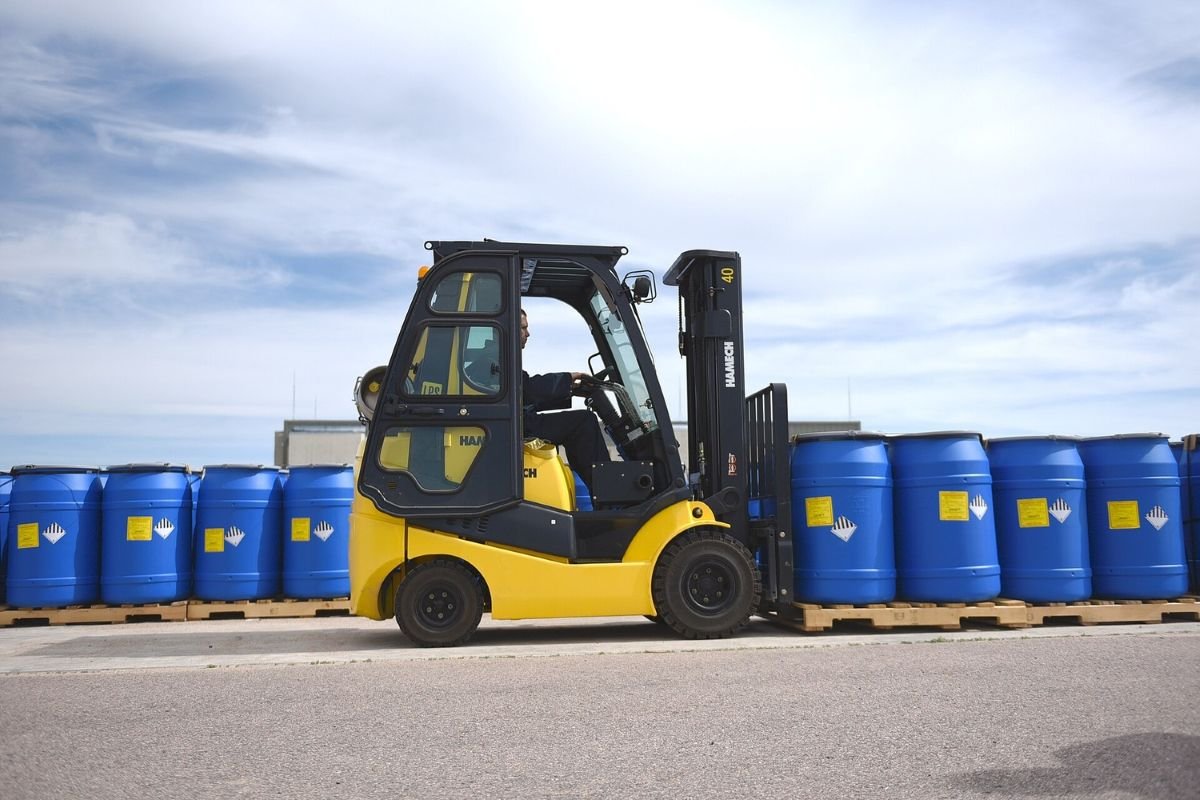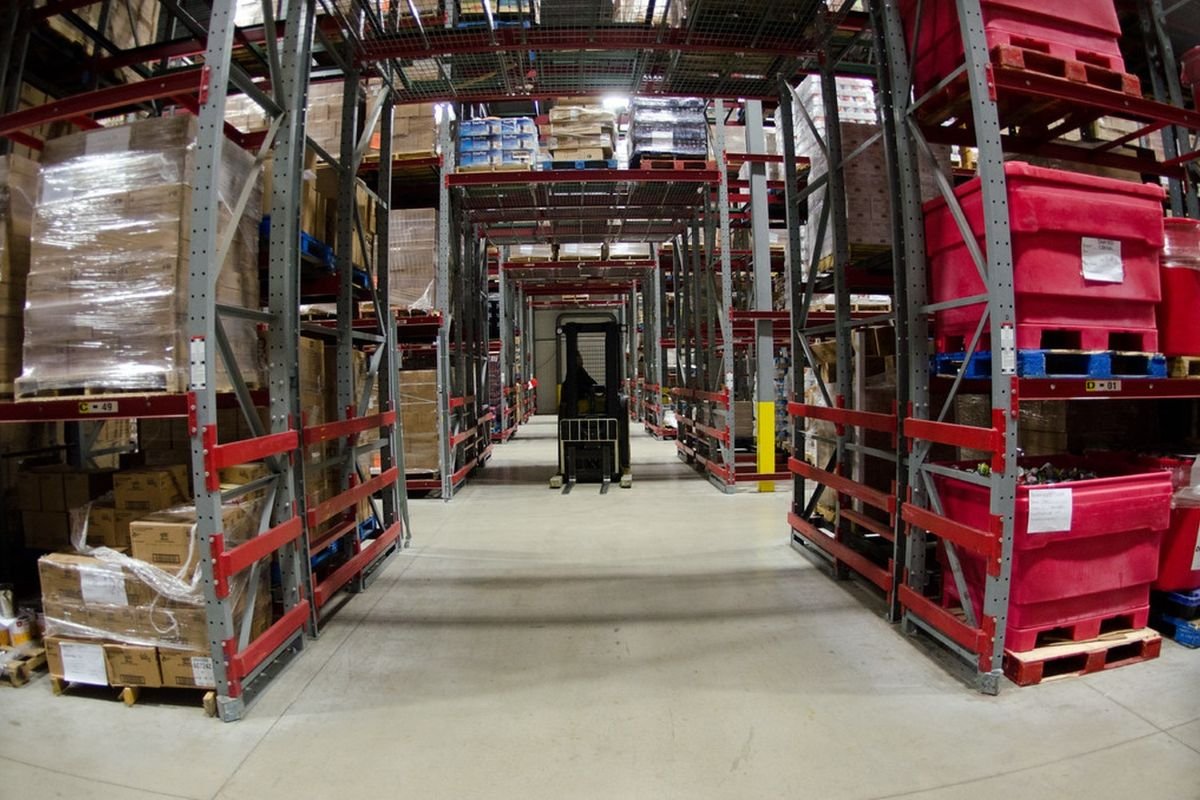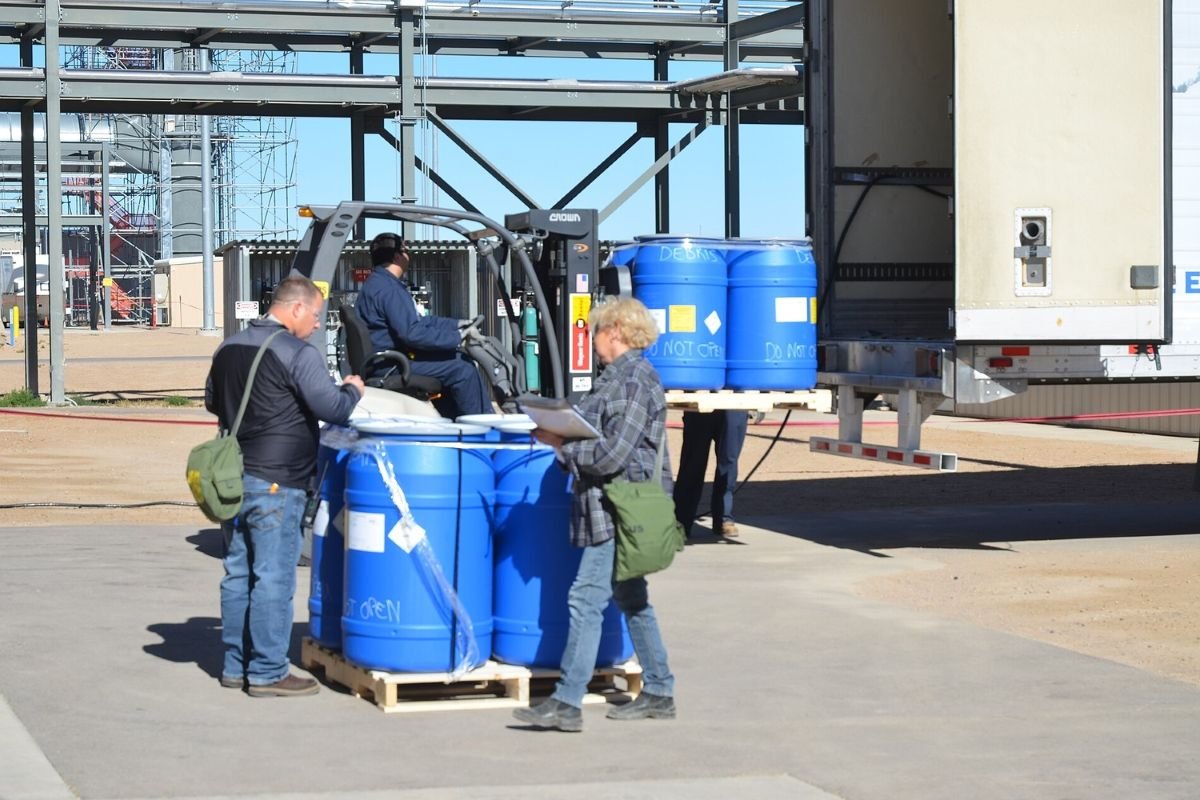
A side-seal strapping machine is usually the better starting point when pallet heights vary, technicians need floor-level access to the sealing head, or the upper area around the load is difficult to keep clear. A top-seal pallet strapping system is usually stronger when the line is controlled, load heights are predictable, top clearance is available, and upper maintenance access has been designed into the installation.
The choice is not about which layout is universally better. It is about which sealing head position fits the real pallet path, load envelope, operator visibility, maintenance access, forklift flow, and conveyor or staging layout in your facility.
Before comparing machine specifications, map the line. A layout that looks compact in a quotation can become a daily problem if operators cannot see the strap path, technicians cannot reach the sealing head, or forklifts block the service side of the machine.
Quick Layout Decision Framework
| Facility condition | Layout that usually deserves first review | Why it matters |
|---|---|---|
| Pallet heights vary by SKU, order, or stacking pattern | Side-seal strapping machine | The sealing head can stay accessible from the side while height changes above the load |
| Pallet heights are predictable and the line is controlled | Top-seal pallet strapping system | The upper area can be designed around a known load envelope |
| Maintenance team needs floor-level access | Side-seal strapping machine | Inspection, cleaning, strap threading, and wear-part checks may be easier |
| Side clearance is limited by conveyors, guards, pallets, or forklift lanes | Top-seal system may be easier to protect | Side access can disappear after installation if the floor layout is crowded |
| Floor area has pallet debris, stretch film tails, dust, or broken wood | Top-seal system may reduce floor-level exposure | The sealing area is farther from some floor-level contamination |
| Upper access requires ladders, platforms, or awkward reach | Side-seal strapping machine | Routine service should not depend on difficult access |
Use this table as a first screen, not a final answer. The final decision should be validated against the tallest, shortest, widest, most unstable, and most common palletized loads.
What A Side-Seal Strapping Machine Changes
A side-seal strapping machine places the sealing head on the side of the pallet path. This makes the layout easier to consider when the facility needs direct access from floor level.
Side-seal layouts often fit better when:
- Pallet heights change often.
- Operators or technicians need to see the seal area from the side.
- Upper clearance is limited by frames, conveyors, guarding, or product height.
- Maintenance access would be difficult above the load.
- The load profile is too variable for a top-focused layout.
- The line can reserve side clearance for doors, guards, panels, and service work.
The main risk is side access. A side-seal machine only helps if the side of the line stays open in real operation. If pallets queue too close to the machine, if forklift traffic blocks the service area, or if adjacent equipment prevents panels from opening, the advantage of side-seal can disappear.
When evaluating a side-seal strapping machine, ask the supplier for required service clearance, guard door swing, strap threading path, sealing head access, and the minimum distance needed from conveyors or pallet staging areas.
What A Top-Seal Pallet System Changes
A top-seal pallet strapping system places the sealing function near the upper machine area. This can work well in controlled lines where load dimensions are predictable and the system is engineered around a known height range.
Top-seal layouts often fit better when:
- Pallet height variation is limited.
- The upper area has enough clearance.
- The line has a repeatable conveyor or staging sequence.
- The facility wants the sealing area away from some floor-level debris.
- Technicians can reach the upper service area safely.
- Operators do not need frequent direct access to the sealing head from floor level.
The main risk is upper access. If technicians need a ladder, platform, or awkward reach for routine inspection, cleaning, or wear-part replacement, minor maintenance can become slower than expected. If loads are tall, unstable, or frequently overhanging, the top area can also become harder to inspect.
Compare The Layouts By Real Buying Factors
| Factor | Side-seal strapping machine | Top-seal pallet strapping system |
|---|---|---|
| Sealing head position | Side of the load path | Upper machine area |
| Best fit | Variable-height pallets and floor-level service access | Controlled line with predictable load envelope |
| Main clearance need | Side clearance for guards, access, and service | Top clearance and safe upper access |
| Maintenance access | Often easier from floor level | Depends on platform, guarding, and machine design |
| Debris exposure | More exposed to floor-level dust, film, and pallet debris | Usually farther from floor-level contamination |
| Layout risk | Forklift traffic or adjacent equipment blocks service side | Tall loads or poor upper access slow inspection |
| Buyer question | Can the side of the machine stay open every shift? | Can the top area stay clear and safely reachable? |
There is no universal winner. The better layout is the one that fits the facility after the machine is installed, guarded, connected, and surrounded by real pallet movement.
Start With The Full Load Envelope
Do not evaluate a pallet strapping system against the average pallet only. The problem pallet is usually the one that causes downtime.
Before selecting top-seal or side-seal, document:
- Tallest and shortest palletized load.
- Widest load and any product overhang.
- Most unstable stack pattern.
- Most common pallet size and type.
- Whether the strap path goes around the load, through a pallet opening, or under the pallet.
- Load condition before and after strapping.
- Conveyor height, stop position, centering method, and guide rails.
- Strap material, strap width, and required tension.
A shifting or badly centered pallet cannot be fixed only by moving the sealing head. If the load arrives unstable, the project may also need better pallet centering, guides, load containment, stretch wrapping, or upstream process control.
Access And Guarding Should Be Reviewed Early
Access is where many layout decisions fail. A machine may look suitable in a drawing, but the installed layout includes guards, doors, conveyors, pallets, forklift routes, electrical cabinets, and service panels.
Before choosing a layout, ask:
- Can operators see enough of the strap path to notice misfeeds or poor positioning?
- Can technicians reach the sealing head without unsafe posture or improvised access?
- Can guards, panels, and service doors open fully after installation?
- Is there enough room to clean debris from the strap path?
- Can operators inspect the seal area without entering a hazardous zone?
- Will adjacent pallets or machines block access during normal operation?
General machine guarding guidance from OSHA is useful when reviewing access, guarding, and exposure points around automated equipment. It will not choose the machine layout for you, but it helps keep access planning tied to safety instead of only footprint.
Conveyor, Forklift, And Staging Flow
A pallet strapping system becomes part of the material flow. It should not force the warehouse to move pallets only to satisfy the machine.
For a fixed automatic top-seal or side-seal system, confirm:
- How pallets enter the station.
- How the pallet is centered and stopped.
- Whether the strap path stays clear.
- Whether forklift traffic crosses the service area.
- How pallets queue before and after strapping.
- Where operators stand during normal operation.
- Where technicians stand during maintenance.
- Whether rejected or mispositioned pallets can be removed without blocking the line.
Forklift and pallet movement should be treated as part of the layout decision. Official powered industrial truck guidance from OSHA and workplace transport resources such as the HSE workplace transport guidance are useful references when reviewing traffic, pedestrian separation, and material movement around equipment.
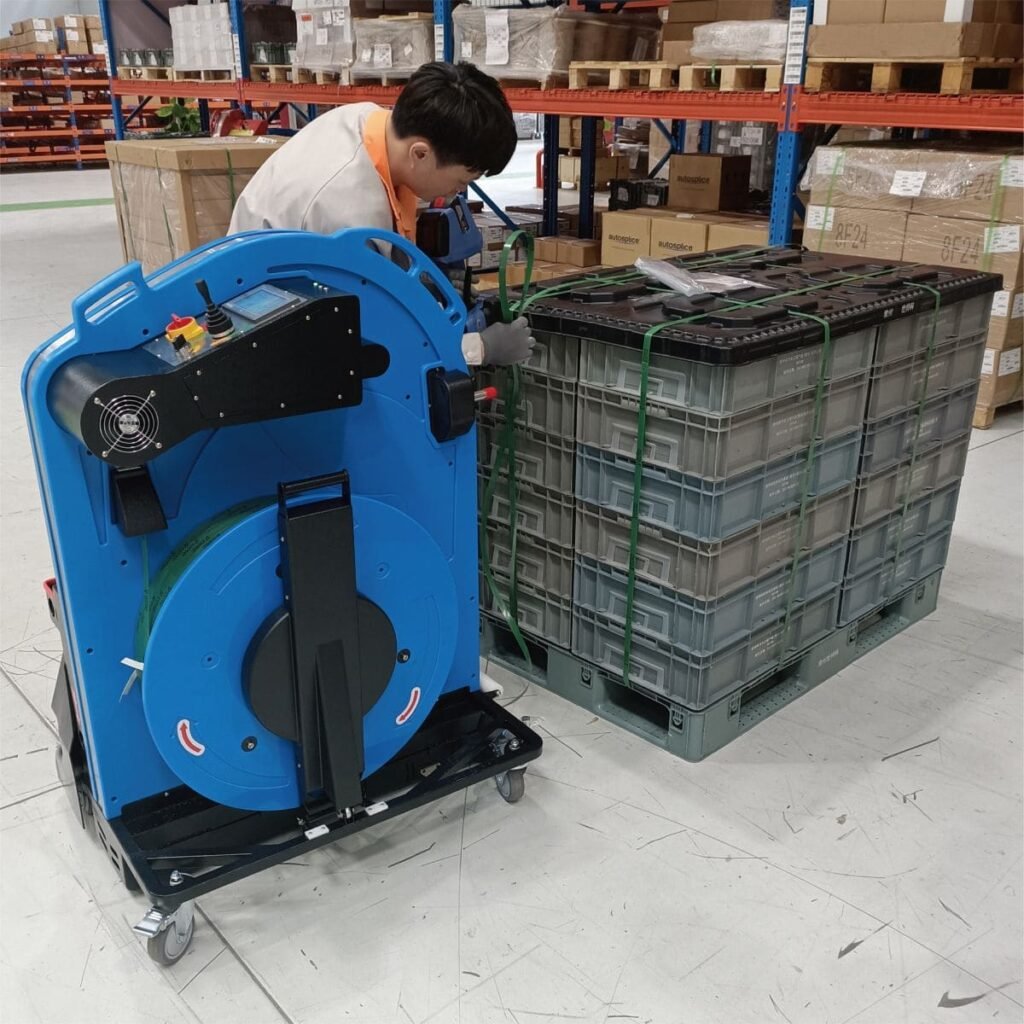
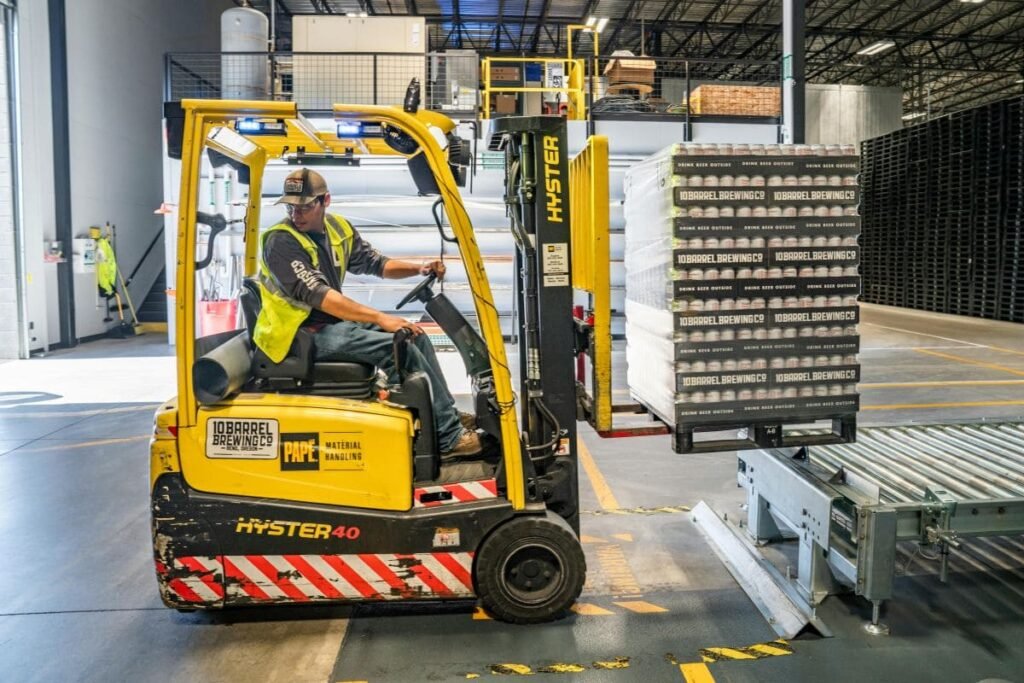
If pallets are completed in several warehouse zones, or if forklift traffic makes a fixed station inconvenient, a mobile semi-auto pallet strapping machine may reduce unnecessary pallet movement more effectively than a fixed top-seal or side-seal system.
Maintenance Reality After Installation
Maintenance access should be discussed before the purchase order, not after the machine is installed.
Review these details with the supplier:
- How operators thread strap through the system.
- Which wear parts are replaced most often.
- How technicians reach the sealing head.
- What cleaning is needed around the strap path.
- Whether debris collects near the sealing area.
- Whether service panels need clearance on one or both sides.
- How long basic inspection and restart tasks should take.
- What tools or platforms are required for routine service.
For side-seal layouts, the practical question is whether the side access stays open. For top-seal layouts, the practical question is whether upper access is safe and fast enough for routine work.
If maintenance access is inconvenient, operators may delay small inspections until they become downtime. That is a layout problem, not only a maintenance discipline problem.
When A Side-Seal Strapping Machine Is The Better Fit
Choose a side-seal strapping machine when the facility has variable pallet heights, usable side clearance, and a strong need for floor-level inspection or maintenance.
This direction is stronger when:
- Pallet heights change by order or SKU.
- Upper clearance is unreliable.
- Technicians need direct access to the sealing head.
- Operators need better visibility of the strap path.
- Side service space can be protected from pallet queues and forklift traffic.
- The line has enough housekeeping control to manage floor-level debris exposure.
Do not choose side-seal only because it sounds easier to maintain. If the side of the line will be crowded, the layout may become harder to service than expected.
When A Top-Seal System Is The Better Fit
Choose a top-seal pallet strapping system when the line is controlled, the load envelope is predictable, the upper area has enough clearance, and maintenance access is designed into the installation.
This direction is stronger when:
- Pallet dimensions are consistent.
- Conveyor flow is repeatable.
- Side clearance is limited.
- The facility wants the sealing area away from floor-level debris.
- Technicians have safe upper access.
- The process can be built around a fixed automatic station.
Do not choose top-seal only because it protects side floor space. If maintenance requires awkward reach, the machine may save footprint while adding service friction.
Pre-Purchase Test Cases
Before approving the layout, test or simulate more than one ideal pallet.
Use these cases:
- Tallest pallet.
- Shortest pallet.
- Widest pallet.
- Most unstable load.
- Most common load.
- Load with overhang.
- Load with loose stretch film or pallet debris.
- Load requiring the highest strap tension.
- Normal conveyor stop position.
- Normal forklift approach and removal path.
During the test, check visibility, access, strap path, sealing head reach, guard clearance, service panel opening, and whether the operator can recover from a misfeed without disrupting the rest of the line.
Conclusion
A side-seal strapping machine and a top-seal pallet strapping system solve the same broad task, but they create different facility constraints. Side-seal usually deserves first review when pallet heights vary and floor-level service access matters. Top-seal usually fits better when the line is controlled, load heights are predictable, and safe upper access is part of the layout.
The final decision should come from the real pallet path, full load envelope, maintenance access, forklift flow, and service space after installation. A well-matched layout should make daily operation easier, not force operators and technicians to work around the machine.