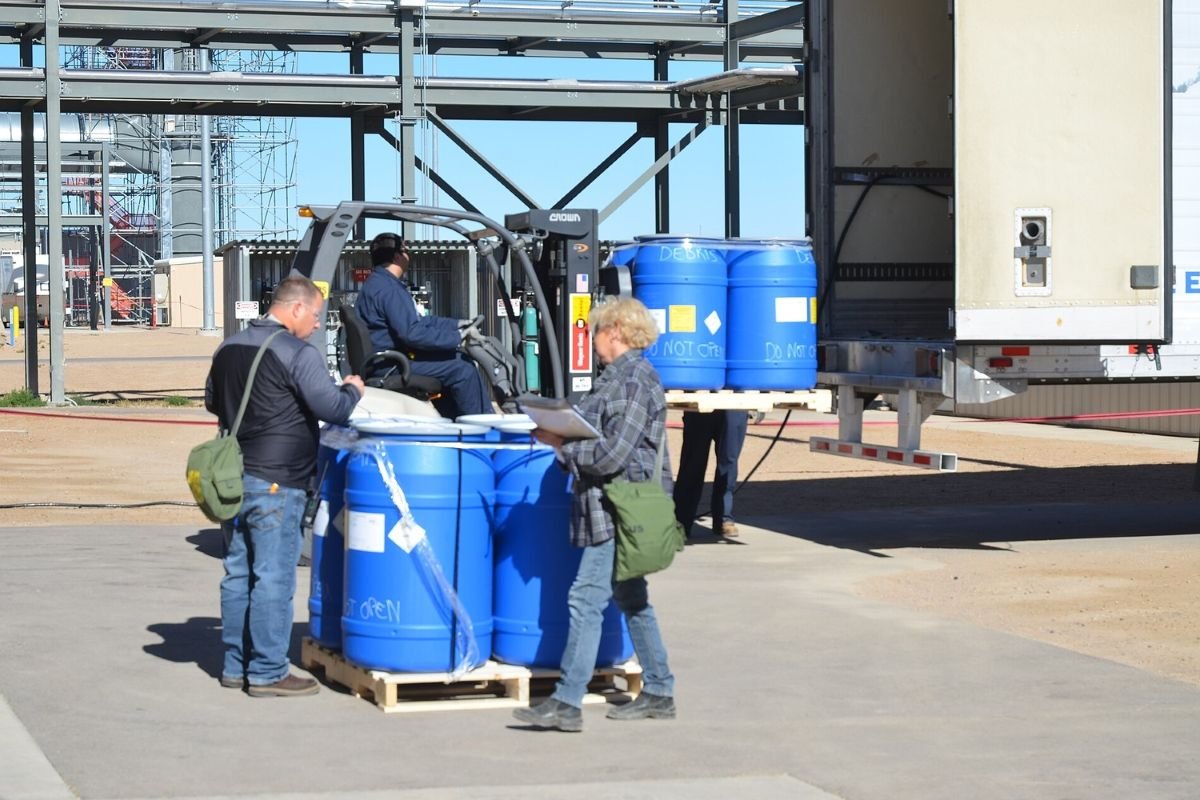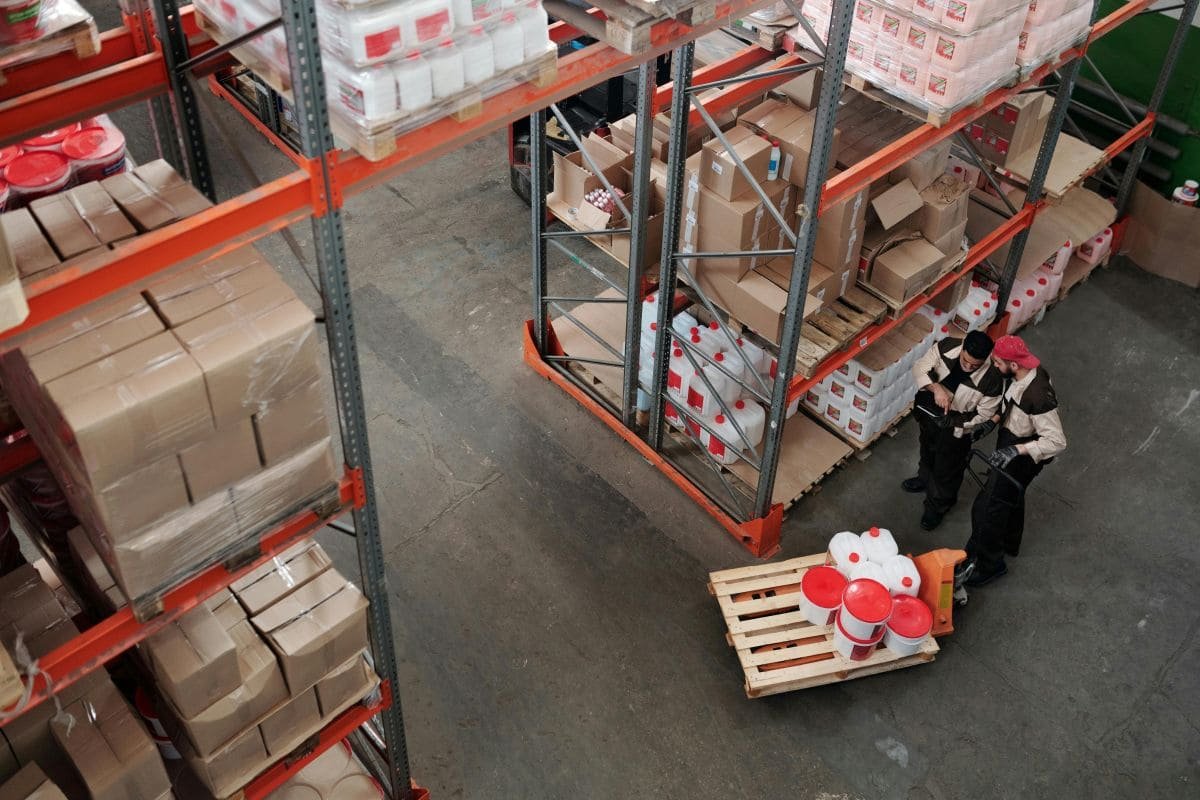
Plastic strapping equipment should be chosen as a system, not as a single machine or tool. The right setup depends on the load, strap material, seal method, operator movement, pallet or carton workflow, and the cost of a failed strap. A low-cost manual setup can be correct for occasional cartons. A semi-automatic carton machine can be correct for repeated bench work. A mobile pallet strapping machine can be correct when under-pallet feeding, bending, walking, or forklift movement is the real bottleneck.
Use this checklist before requesting quotes. If you can describe the load, strap specification, volume, working height, pallet access, failure history, and test requirement, suppliers can recommend equipment more accurately. If those details are missing, the quote often becomes a comparison of product names instead of application fit.
The goal is not to buy the highest-spec plastic strapping equipment. The goal is to apply the right strap consistently, without damaging the product, slowing the warehouse, or creating a maintenance burden the team cannot support.
Plastic Strapping Equipment Checklist: Quick Fit Map
Use this table as a first filter. The detailed checks below should confirm or challenge the first impression.
| Warehouse condition | Equipment that may fit | What to verify before buying |
|---|---|---|
| Occasional cartons, bundles, or light pallets | Manual tensioner, sealer, cutter, and dispenser | Strap width, seal type, operator reach, and whether tension variation is acceptable |
| Repeated carton strapping at one packing bench | Semi-automatic carton strapping machine | Carton size range, table height, strap tension, seal quality, and operator rhythm |
| Conveyorized carton flow | Automatic strapping system | Line speed, carton spacing, arch size, sensor position, and maintenance access |
| Pallets strapped in several warehouse zones | Mobile pallet strapping equipment | Pallet bottom opening, strap path, battery routine, aisle space, and forklift traffic |
| Heavy, settling, or export-bound pallets | Pallet-focused machine plus suitable PP or PET strap | Retained tension, edge protection, seal strength, and real handling test |
| Mixed cartons and pallets with changing locations | Tool set plus mobile or flexible equipment | Which load family creates the most rework, walking, or inconsistent results |
If the application spans several rows, split the decision by workflow. A machine that works well for cartons at a table may not solve pallet strapping in a staging lane.
Start With the Load, Not the Equipment
The load decides how much control the strapping process needs. Before looking at machines, document the items that will actually be strapped.
Record:
- Load type: carton, bundle, tray, pallet, crate, or mixed load.
- Product dimensions, weight, and height range.
- Whether the product is rigid, compressible, fragile, sharp-edged, or abrasive.
- Whether cartons can be crushed by high tension.
- Whether pallets settle after sitting or after forklift movement.
- Number and position of straps per load.
- Indoor, outdoor, cold-room, dusty, or wet handling conditions.
- Normal route after strapping: internal storage, local delivery, export shipment, container loading, or repeated transfers.
Weight alone is not enough. Two pallets can weigh the same but need different strapping equipment if one is square and rigid while the other contains compressible cartons that settle after tensioning. For higher-risk unit loads, buyers can use transport packaging test procedures to think beyond a short warehouse demonstration and define a more realistic validation path.
Match PP or PET Strap to the Load and Machine
Plastic strapping usually means polypropylene (PP) or polyester (PET). The material choice affects tension, feed reliability, seal quality, roll handling, and machine compatibility.
Check:
- Strap material: PP or PET.
- Strap width and thickness.
- Coil outside diameter and core size.
- Breaking strength and retained tension requirement.
- Embossed or smooth surface.
- Roll winding quality and edge condition.
- Seal method: heat seal, friction weld, metal seal, buckle, or another closure.
- Whether the machine, tool, cutter, and dispenser support the exact strap spec.
PP often fits cartons, bundles, light pallets, and cost-sensitive warehouse work where the load is stable. PET often deserves review for heavy pallets, dense products, settling loads, sharper edges, or longer transport routes. The PP vs PET strapping guide covers those material tradeoffs in more detail.
For formal discussions with suppliers, ASTM D3950 for nonmetallic strapping and joining methods is a useful reference when talking about strap properties, joint strength, breaking strength, elongation, and testing expectations. The standard does not choose the equipment for you, but it helps prevent vague requests such as “stronger plastic strap” without a defined performance target.
Decide Which Step Actually Needs Control
Different strapping equipment solves different parts of the cycle. Do not buy a machine until you know where the current process breaks down.
Map the current cycle:
- Bring the load to the work area.
- Position the strap roll or dispenser.
- Feed strap around or under the load.
- Pull tension.
- Seal or weld the strap.
- Cut the strap.
- Move or stage the load.
- Inspect or rework failed straps.
Then identify the weak step:
- If the roll tangles or runs across the floor, a dispenser or cart may solve more than a new tensioner.
- If the strap is loose, review tension, retained tension, load settling, and operator technique.
- If the joint fails, focus on the sealer, weld method, seal quality, and material compatibility.
- If operators bend or walk around pallets every cycle, the issue is pallet workflow, not only tool quality.
- If cartons are crushed, review tension setting, strap width, carton strength, and strap position.
- If every step is repeated at high volume, the process may need machine-level control.
For a deeper comparison of manual components and machines, use the strapping tensioner, sealer, cutter, dispenser, and machine guide before narrowing the quote list.
Choose the Equipment Level by Workflow
The equipment level should match volume, repeatability, and movement through the warehouse.
| Equipment level | Good fit | Poor fit |
|---|---|---|
| Manual tools and dispenser | Low volume, changing locations, varied load sizes, backup use | High repetition, inconsistent tension, frequent operator fatigue |
| Battery or powered hand tool | Flexible work where manual tension is inconsistent | Loads that still require awkward under-pallet feeding every cycle |
| Semi-automatic carton machine | Repeated cartons or bundles at a fixed bench | Pallets, very large loads, or workflows where the load cannot come to the machine |
| Automatic strapping system | Standardized cartons or unit loads moving through a controlled line | Highly variable sizes, low volume, or layouts without stable product flow |
| Mobile pallet strapping machine | Palletized loads in multiple zones, under-pallet feeding issues, reduced forklift movement | Closed-bottom pallets, mainly bench-level carton work, or steel strapping requirements |
The broader strapping machine types guide can help buyers define the category before comparing specific models.
Separate Carton Strapping From Pallet Strapping
Carton strapping is usually a station design problem. The load is often brought to the machine, so the main checks are carton size range, working height, strap tension, seal consistency, table layout, and whether the operator can keep pace with packing.
Pallet strapping is usually a movement and access problem. The load may already be heavy, tall, staged near a dock, or moving through forklift traffic. Operators may need to bend, walk, kneel, pass strap through a pallet opening, or reposition a pallet only to apply straps.
For carton equipment, verify:
- Minimum and maximum carton size.
- Carton strength and crush-sensitive areas.
- Table height and infeed/outfeed space.
- Whether the strap line crosses labels, barcodes, handles, or weak corners.
- How quickly the operator can position and remove the carton.
- Whether the process needs one strap, cross strapping, or multiple strap positions.
For pallet equipment, verify:
- Pallet length, width, height, and weight range.
- Pallet bottom opening and blocked strap paths.
- Broken deck boards, stretch film tails, loose dunnage, or debris.
- Whether operators can access both strap positions safely.
- Whether forklifts cross the strapping area.
- Whether the pallet must move only because strapping is fixed in one location.
SelectPack’s mobile semi-auto strapping machine is most relevant when plastic strap needs to be fed under or around palletized loads without moving every pallet to a fixed station. It is not a universal replacement for carton strapping machines, hand tools, or high-speed conveyorized systems.
Check Operator Effort and Ergonomics
Operator effort affects repeatability. If a strapping task is awkward, operators may create shortcuts: lower tension, skip a strap, use the wrong tool, leave the roll in a poor position, or avoid rework until a load fails.
Review:
- Bending below knee height.
- Reaching above shoulder height.
- Walking distance around each load.
- Tool weight and grip size.
- Strap roll lifting or dragging.
- Whether the strap must be pushed under pallets by hand.
- Whether operators twist while tensioning or sealing.
- Visibility of the strap path and seal area.
- Training needed for consistent tension and seal inspection.
General OSHA ergonomics guidance is useful when reviewing repetitive bending, pulling, reaching, and manual handling in warehouse tasks. This does not mean every operation needs automation. It means operator movement should be part of the buying decision, especially when strapping repeats across a shift.
Verify Site Constraints Before the Quote
Plastic strapping systems fail in practice when the equipment fits the load but not the site. Confirm the physical and utility constraints before approving a quote.
Check:
- Floor space for the machine, dispenser, cart, pallet, and operator.
- Working height and access from the correct side of the load.
- Aisle width and forklift turning path.
- Pallet staging space before and after strapping.
- Power supply, air supply, battery charging, or spare battery routine.
- Dust, temperature, moisture, and cleaning requirements.
- Noise or guarding requirements near operators.
- Access for maintenance panels, strap loading, and jam clearing.
- Where spare strap, seals, tools, cutters, and wear parts will be stored.
If the equipment creates a new traffic conflict or forces extra pallet movement, it may reduce performance even if the machine cycle is faster on paper.
Review Maintenance and Wear Parts
Before buying, ask what the team must clean, inspect, replace, and adjust. A good equipment choice should match the skill level and daily routine of the people who will maintain it.
Ask about:
- Feed rollers and guide wear.
- Cutter blades and cutting adjustment.
- Heater blade, friction weld parts, sealing jaws, grippers, or anvils.
- Strap dust and debris cleaning.
- Sensors and strap path access.
- Batteries, chargers, and charging schedule for mobile or powered equipment.
- Recommended spare parts.
- Tooling needed for routine service.
- Safe access for jam clearing and maintenance.
Also ask what symptoms usually appear before a part fails. If operators can recognize poor seal appearance, rough cut ends, feed hesitation, or strap dust buildup early, they can prevent downtime before it reaches shipping.
Test With Real Loads, Real Strap, and Real Operators
Do not approve plastic strapping equipment from brochure specifications alone. The trial should include the actual strap, the actual load range, normal operators, and the route the load follows after strapping.
Use this test sequence:
- Record the current process, strap spec, failure points, and cycle time.
- Test the easiest normal load to confirm basic setup.
- Test the heaviest, widest, tallest, and most fragile loads.
- Test the pallet or carton that usually causes rework.
- Use the intended PP or PET strap, not a supplier demo roll unless it is the final spec.
- Check feed reliability, tension, seal appearance, cut quality, and strap position.
- Let settling loads sit before judging tension.
- Move the load through normal forklift, pallet-jack, conveyor, or dock handling.
- Inspect strap condition, edge marks, product damage, and joint performance.
- Ask operators whether the process is repeatable without awkward movement.
The test should answer whether the equipment fits daily work, not whether it can complete one clean demonstration cycle.
Send Suppliers the Right Information
A useful quote depends on application details. Send the supplier enough information to recommend a configuration instead of guessing from a product category.
Include:
- Photos or short video of the current strapping process.
- Load type, dimensions, weight range, and fragile areas.
- Current strap material, width, thickness, roll diameter, and core size.
- Number of straps per load and strap positions.
- Daily or weekly strap count.
- Current failure points: loose straps, weak seals, feed jams, product damage, operator fatigue, or slow cycle time.
- Carton size range or pallet style and bottom opening.
- Site layout, working height, forklift path, and staging constraints.
- Power, air, battery, or charging requirements.
- Maintenance owner and spare-parts expectations.
- Test loads that must be proven before purchase.
If a supplier recommends equipment without asking about load behavior, strap specification, pallet access, or workflow, treat the recommendation as incomplete.
When Plastic Strapping Equipment Is Not the Right Fix
Plastic strapping equipment may not solve the problem when the load itself is unstable, the pallet is broken, the strap path is blocked, or the product edge cuts the strap. In those cases, the better fix may be pallet quality control, edge protection, stretch wrapping, better load stacking, a different packaging format, or a different material decision.
It may also be the wrong path when:
- Steel strapping is required for the application.
- The product cannot tolerate strap pressure.
- The pallet has a closed bottom and no practical strap path.
- The process needs a fully integrated line rather than mobile or semi-automatic equipment.
- Strapping volume is too low to justify a machine.
- The only issue is a worn tool, seal, cutter, or strap roll on an otherwise suitable process.
Being clear about poor-fit cases prevents overbuying and keeps the buying discussion focused on the actual workflow.
Final Buying Checklist
Before approving a purchase, confirm:
- The equipment matches the load type, dimensions, weight, and risk level.
- PP or PET strap is selected for the load and handling route.
- Strap width, thickness, coil size, and core size match the equipment.
- The seal method is proven with the final strap.
- Operators can apply or operate the equipment without awkward repeated movement.
- Carton or pallet access is verified, including the hardest normal load.
- The machine fits the floor layout, staging area, and forklift flow.
- Maintenance tasks and wear parts are clear.
- The trial includes real loads, real strap, real operators, and post-strapping handling.
- The supplier receives enough process information to recommend a configuration with reasons.
Plastic strapping equipment works best when it is selected around the complete packaging system: load, strap, equipment level, operator effort, site layout, maintenance, and validation. A structured checklist keeps the buying process connected to daily warehouse use instead of catalog specifications alone.