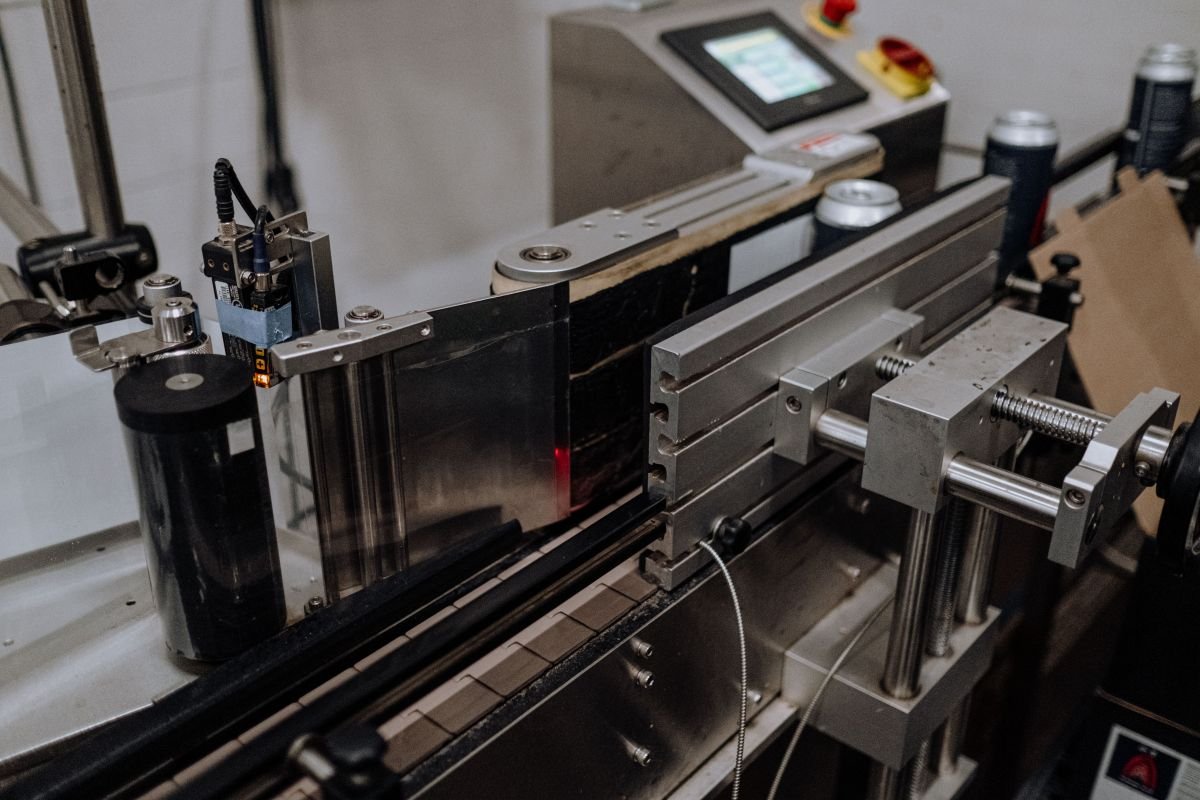
Machine grade polypropylene strapping is not just a consumable line item. It is part of the strapping system. If the strap is inconsistent, too narrow, too thick, too soft, or poorly wound, even a good strapping machine can suffer from feed errors, weak seals, uneven tension, and avoidable downtime.
For buyers, the goal is not to find the cheapest PP roll. The goal is to choose polypropylene strapping that matches the machine, runs through the feed path without hesitation, seals cleanly, and holds the actual carton or pallet through the handling route.
Machine Grade Polypropylene Strapping Must Match the Machine
Machine grade polypropylene strapping is designed to run through strapping equipment, not only to be pulled by hand. Compared with basic hand-use strap, it should have more consistent dimensions, cleaner edges, better winding, and predictable stiffness.
A machine feeds, tensions, seals, and cuts the strap automatically or semi-automatically. Small inconsistencies that seem minor on one cycle can turn into repeated stoppages over a full shift.
Before choosing strap, confirm the equipment type. A table-top carton machine, arch machine, pallet strapping system, and mobile semi-auto strapping machine do not always accept the same roll size, width, thickness, or material stiffness.
Start with the Machine Specification
Start with the machine specification before comparing suppliers. Important points include:
- Strap width.
- Strap thickness.
- Width and thickness tolerance.
- Core size.
- Roll outside diameter.
- Breaking strength.
- Elongation.
- Surface texture.
- Winding quality.
- Color or printing requirements.
- Seal method and tension range.
Width and thickness are the most visible numbers, but they are not the only ones that affect production. A roll with poor winding or rough edges can cause more problems than a strap that is slightly more expensive but stable.
For formal quality discussions, buyers can reference the nonmetallic strapping standard when asking suppliers about breaking strength, elongation, transverse strength, and joint strength.
If the application is still being defined, review equipment options with a strapping machine manufacturer before locking the strap spec. The strap should follow the equipment and load, not the other way around.
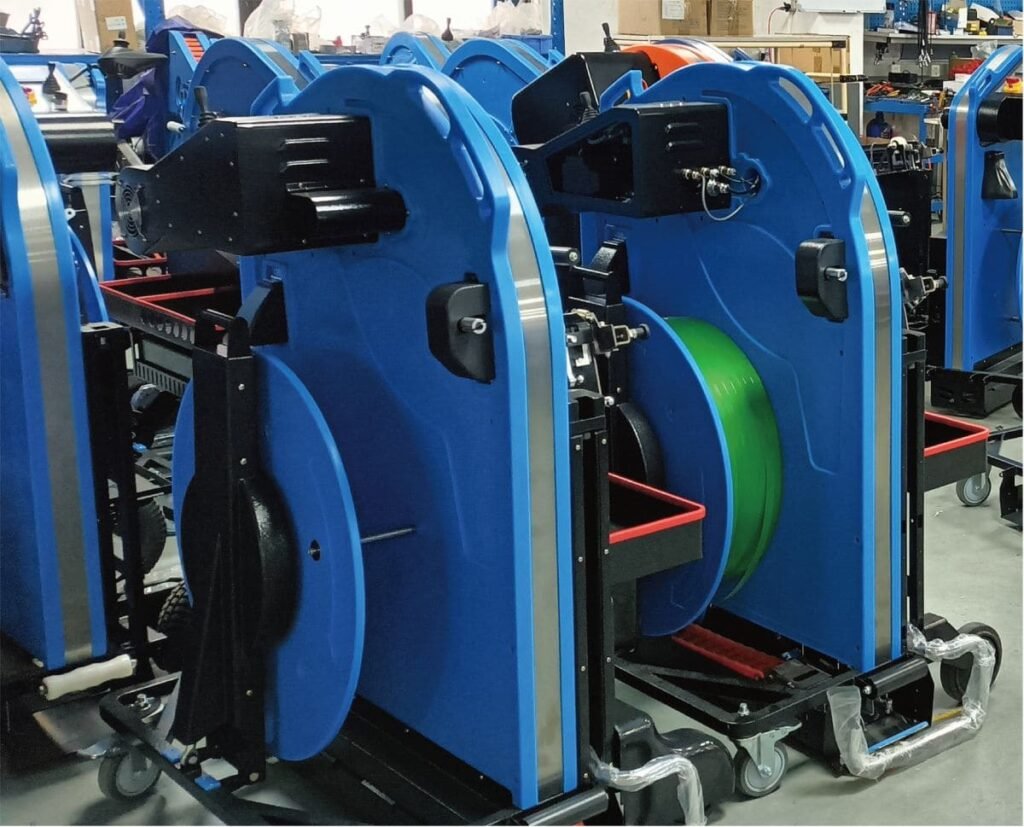
5mm vs 12mm Machine Grade Polypropylene Strapping
Narrow PP strapping, such as 5mm machine grade polypropylene strapping, is often used for lighter cartons, printed materials, bundles, and high-speed carton work where the product does not need heavy restraint.
Wider options, such as 12mm machine grade polypropylene strapping, are more common for heavier cartons, larger bundles, and some light pallet applications. A wider strap can spread force over more carton surface, but only if the machine is designed to run that width.
Do not choose width only by load weight. Also consider:
- Carton edge strength.
- Product shape.
- Strap contact area.
- Feed path clearance.
- Required tension.
- Whether the strap will be used on cartons, pallets, or both.
For a workflow that includes both boxes and pallets, the article on plastic strapping machines for boxes vs pallets can help define where the strap spec should split.
Thickness, Stiffness, and Seal Quality
Strap thickness affects strength, stiffness, feed reliability, and seal performance. A thicker strap may seem safer, but it can cause problems if the machine is not designed for it.
If a strap is too thick, the machine may struggle with:
- Feeding through guides.
- Heating or friction sealing consistently.
- Cutting cleanly.
- Holding repeatable tension.
If a strap is too thin, the load may not be secure enough, or the seal may become the weak point. The right thickness is the one that matches both the load and the machine tension range.
For buyers comparing PP with PET, do not assume thicker PP solves every problem. If the load needs stronger retained tension, compare the material choice in the PP vs PET strapping guide instead of forcing the wrong PP spec into the machine.
Roll Winding and Core Size Affect Downtime
Machine grade strapping should unwind smoothly. Poor roll winding can create twist, snags, uneven tension, or sudden feed resistance.
When evaluating a supplier, inspect:
- Whether the roll is wound evenly.
- Whether strap edges are clean.
- Whether the strap has warping or twisting.
- Whether the core is stable.
- Whether roll-to-roll dimensions are consistent.
- Whether the roll fits the machine’s core holder and brake.
A cheaper roll that creates stoppages can cost more than a stable roll with a slightly higher unit price. This is especially true in packing areas where one feed problem stops a whole station.
Supplier Questions Before Bulk Orders
Before placing a large order, ask the supplier practical questions:
- Is the strap made for machine use or hand use?
- What width and thickness tolerance is maintained?
- Which core sizes are available?
- What roll outside diameter can be supplied consistently?
- Has the strap been tested on similar machines?
- Can samples from the same production batch be tested first?
- What happens if roll winding or edge quality causes feed issues?
Generic “PP strapping band” is not enough information for machine strapping. The supplier should be able to discuss the machine, the roll, and the load.
Run a Line Trial Before Standardizing
Before ordering large quantities, test the strap on the actual machine.
For higher-risk shipping routes, transport packaging test procedures can help frame a more formal validation process beyond a short in-house machine trial.
Run the test under normal production conditions:
- Record the current strap width, thickness, core size, and supplier.
- Use real cartons, bundles, or pallets from normal production.
- Run enough cycles to show feed behavior, not just one sample.
- Check whether the strap feeds without hesitation.
- Inspect seal consistency and cut quality.
- Watch for dust, residue, edge wear, or curling.
- Compare operator feedback across a shift.
- Check the load after internal handling or shipment simulation.
This is especially important when changing width, thickness, supplier, or color.
When to Review the PP Strap Spec
Your current strap may be acceptable, but it should be reviewed if packaging conditions change.
Recheck the spec when:
- Carton size changes.
- Pallet weight increases.
- Shipping routes become longer.
- Damage claims increase.
- The machine is replaced or upgraded.
- Operators report feed issues.
- A new supplier is introduced.
Strapping is a small line item compared with equipment, but it has a large effect on line reliability.
Conclusion
Machine grade polypropylene strapping should be treated as part of the equipment system, not as a generic consumable. Width, thickness, stiffness, core size, roll winding, seal behavior, and supplier consistency all affect whether the machine can run without repeated intervention.
For B2B packaging teams, reliable PP strapping is defined by smooth feeding, repeatable sealing, clean cutting, and adequate load holding through the real handling route. The practical answer comes from matching the machine first, testing real loads, and standardizing only after the strap performs under normal production conditions.