To improve efficiency, more and more factories are adopting bagger machines to increase productivity. Compared with manual packing, a bagger machine can usually deliver faster output and lower long-term labor costs. But how much of a difference can it actually make?
To answer that question, our team took a close look at the issue. We hope this article helps clear up the common questions businesses have when comparing manual packing with bagging automation.
What Is a Bagger Machine?
Before getting into the comparison, let us first take a quick look at what a bagger machine is.
If you would like a more detailed introduction, please check out the previous article we published. In that post, we explain in depth what a bagging machine is and how it works.
Basic Definition
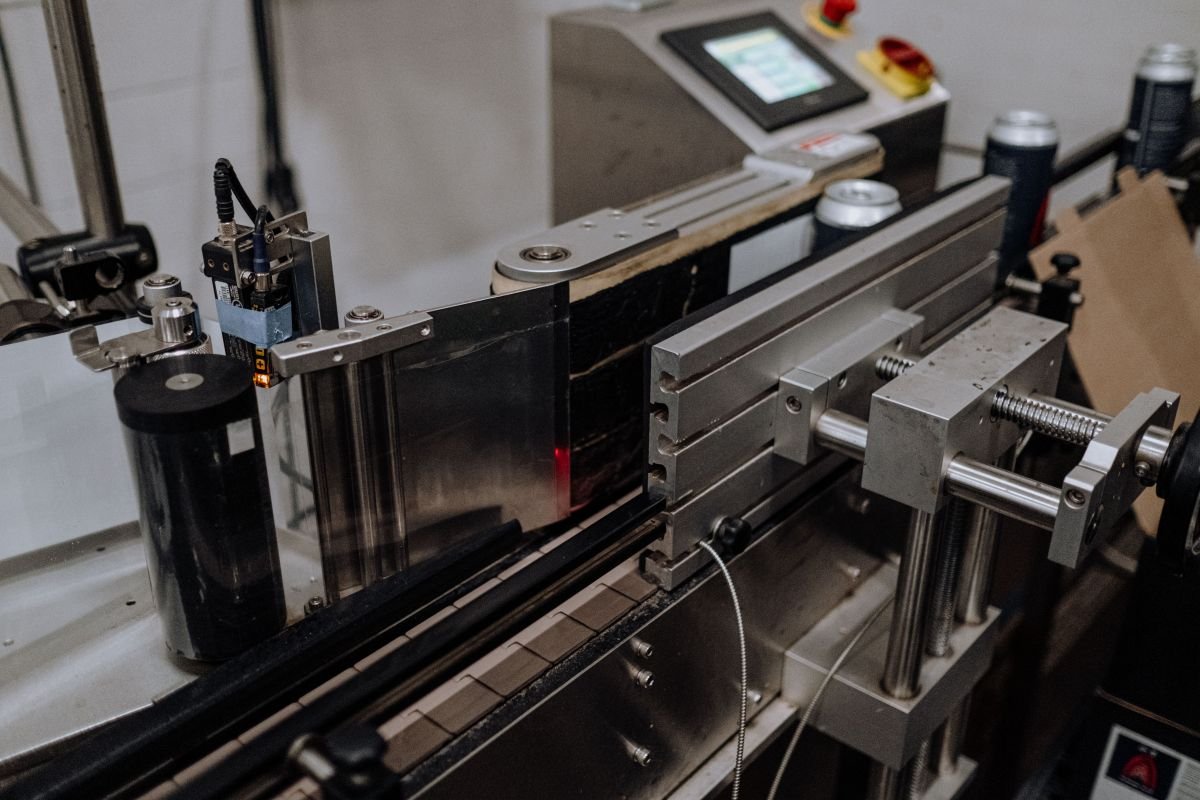
A bagger machine is a type of packaging equipment used to efficiently fill products into bags and seal them. It is widely used in food processing, industrial manufacturing, e-commerce fulfillment, and logistics operations.
In many applications, an auto bagging machine can help businesses improve throughput, reduce repetitive labor, and create a more standardized packing process.
How Does a Bagger Machine Fit into an Automated Production Line?
There are two main types of bagger machines: fully automatic models and semi-automatic models.
With a fully automatic bagger machine, you simply need to confirm the required parameters and specifications with the manufacturer before integrating it into your production line. A fully automatic bagger can complete feeding, bag opening, filling, sealing, and discharge in one streamlined process. All you need to do is prepare the products and place them into the loading area, and the machine handles the rest automatically.
A semi-automatic auto bagger is different in that it requires one operator to assist with the filling step. When setting up the line, you need to leave enough working space for that operator. Aside from that, the rest of the workflow is similar to a fully automatic system.
What Are the Limitations of Manual Packing?
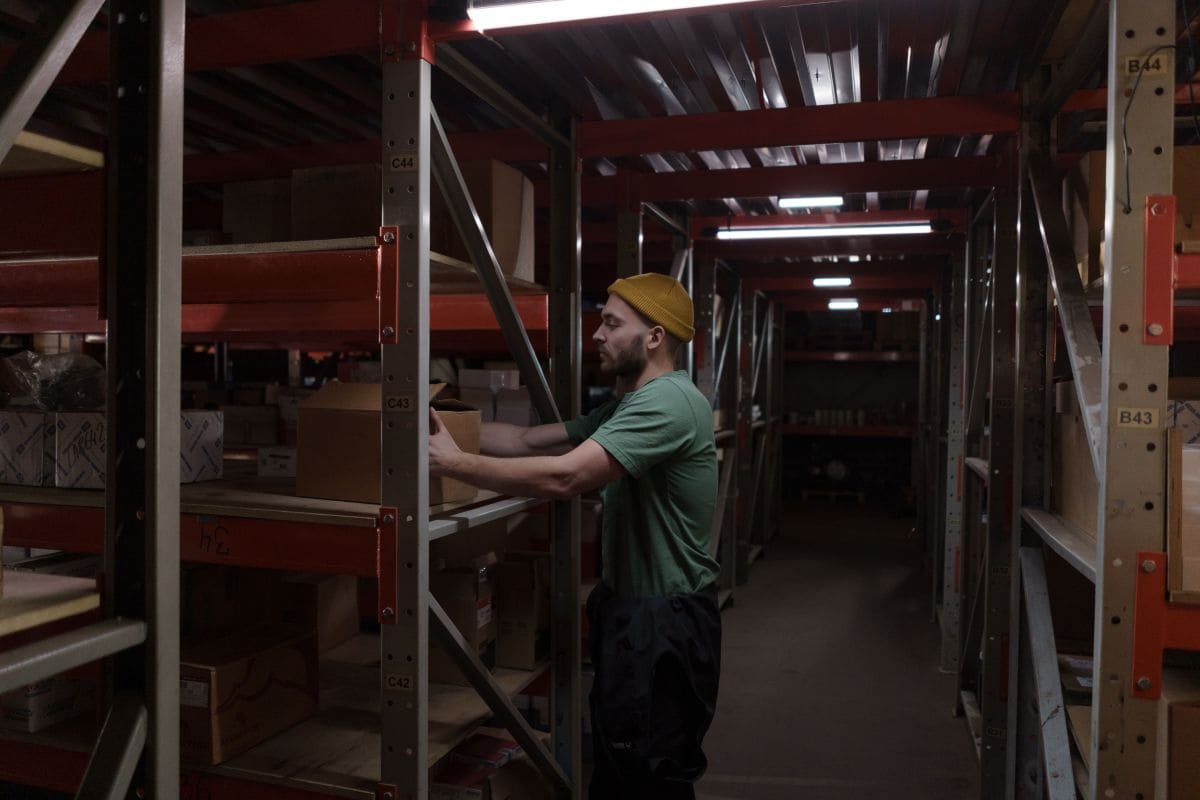
In many warehouses, fulfillment centers, and packaging operations, manual bagging is still common. It does have some advantages, such as lower upfront cost and easier setup. However, as order volume grows, the weaknesses of manual packing become much more obvious.
In operations where efficiency, consistency, and cost control matter, relying entirely on manual labor often makes it difficult to support long-term growth.
Longer Packing Time
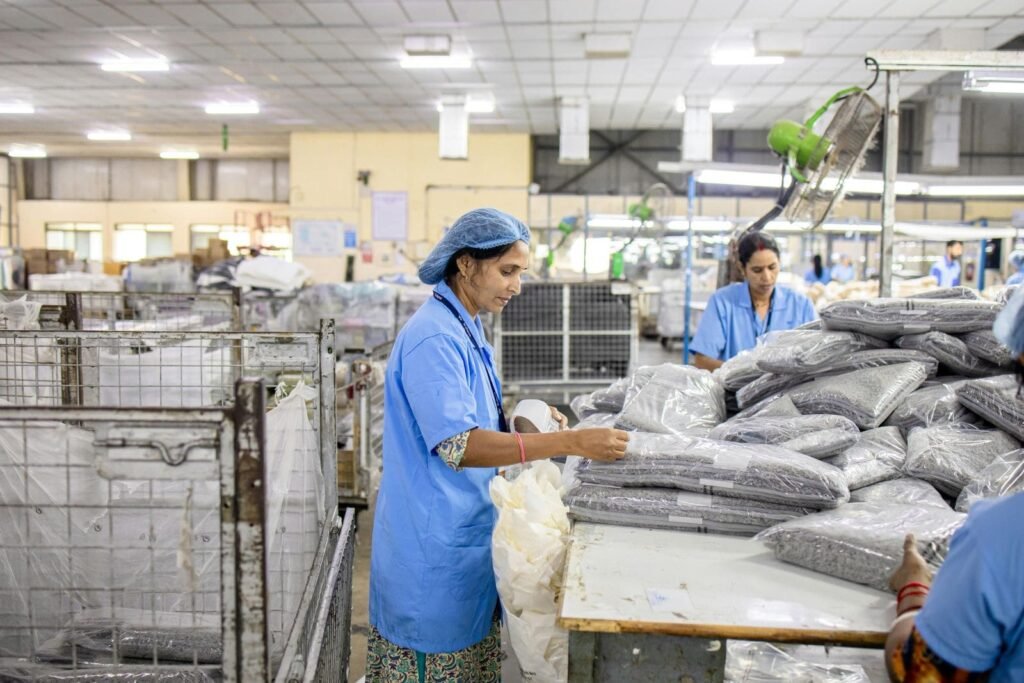
Manual packing usually involves several steps, including grabbing a bag, opening it, filling it, adjusting the bag opening, and sealing it. None of these steps seems complicated by itself, but repeated over and over again, they take up a great deal of time.
If products come in many different sizes or packaging requirements are not standardized, workers also need to spend extra time identifying the right bag type, size, and sealing method. That makes the packing time per item even longer.
By contrast, a bagger machine combines bag opening, filling, and sealing into a more standardized process. This significantly reduces pauses and transition time between tasks. As shipping volume increases, the speed limitations of manual packing become much more noticeable.
Greater Dependence on Labor
Manual packing depends heavily on worker skill, focus, and coordination on the floor. If staffing is short, turnover is high, or new employees are not fully trained, overall packing efficiency can fluctuate easily.
This dependence becomes even more obvious during peak season, overtime shifts, or rush orders, because businesses must add more labor just to maintain normal output.
More importantly, manual packing is difficult to keep consistent over the long run. Different workers often have different habits, packing speeds, and quality standards, which can lead to major differences in both packaging quality and efficiency.
Higher Labor Costs
When companies evaluate manual packing, they often focus only on base wages. In reality, labor costs go far beyond payroll alone. Businesses also have to account for recruiting, training, supervision, overtime, benefits, and replacement costs caused by employee turnover.
As order volume increases, companies usually have no choice but to add shifts or hire more workers to keep up. That means costs rise right along with business growth.
This kind of cost structure is not very flexible. The more your process depends on repetitive manual labor, the harder it becomes to improve efficiency while still keeping costs under control. That is one of the biggest reasons businesses turn to a bagger machine or auto bagging machine in the first place.
What Are the Advantages of Replacing Manual Packing with a Bagger Machine?
For businesses that handle ongoing bagging tasks, the value of a bagger machine is not just automation for its own sake. The real benefit is that it makes the packaging process faster, more stable, and easier to scale.
Whether the application is e-commerce fulfillment, parts packaging, or routine warehouse shipping, bagging equipment can improve performance in several important ways.
Faster Filling and Sealing
A bagger machine can automatically handle bag opening, positioning, filling coordination, and sealing, which reduces a large amount of repetitive manual work.
For products with a high degree of standardization, an auto bagging machine can continue running at a steady pace and significantly improve packaging speed per item.
This means businesses can complete the same order volume in less time. During busy shipping periods, an automatic bagger can also maintain higher throughput more easily and help prevent order backlogs.
Stable and Continuous Output
Manual packing is easily affected by fatigue, mood, skill level, and shift changes. One of the biggest advantages of a bagger machine is its ability to deliver more stable output.
As long as the material supply remains steady and the machine is set correctly, it can run continuously at a fixed rhythm while maintaining relatively consistent speed and sealing quality.
For companies that value standardized operations, that kind of continuity is extremely important. It not only increases total output, but also makes it easier for managers to estimate daily packaging capacity and production schedules.
Lower Labor Costs
A bagger machine does not eliminate labor completely, but it can significantly reduce the need for large amounts of repetitive manual work.
Tasks that once required several workers may now need only a smaller team for loading, inspection, and basic operation. This helps lower direct labor costs while also reducing the management pressure associated with training and employee turnover.
Over time, the larger the order volume and the more stable the packaging demand, the more obvious the cost advantage of an auto bagger becomes.
Reduced Risk of Workplace Injuries
When workers spend long hours performing repetitive tasks such as grabbing bags, opening them, filling them, and sealing them, fatigue can build up in the wrists, shoulders, and lower back. Over time, this can lead to repetitive strain injuries.
If the packaging station runs at a fast pace or is not ergonomically designed, bending, lifting, and heat-sealing can further increase the risk of injury.
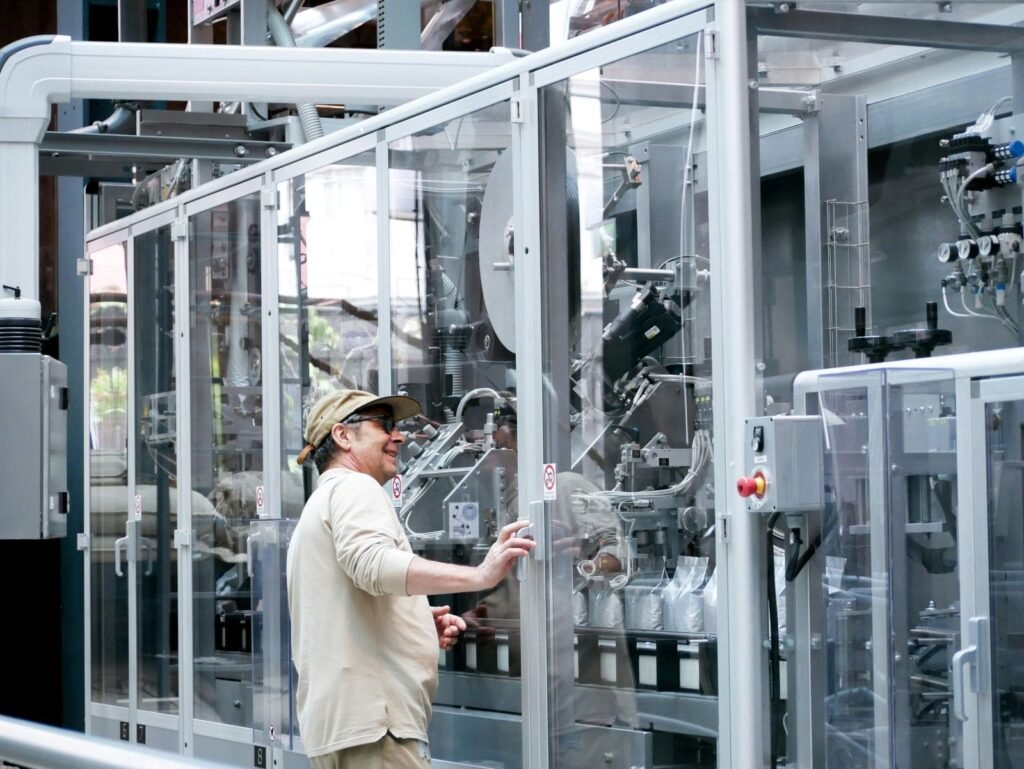
A bagger machine can take over many of these high-frequency repetitive motions, reducing direct manual involvement and lowering certain workplace injury risks. For businesses looking to improve working conditions and reduce safety concerns, this is another major advantage of bagging automation.
Easier Operation and Management
Modern bagger machines usually feature clear controls and relatively standardized workflows. With basic training, operators can typically learn how to use them quickly.
Compared with fully manual packing, equipment-based workflows are easier to standardize, supervise, and manage.
In addition, a bagger machine gives managers better visibility into packaging speed, equipment utilization, and output levels. That provides a stronger basis for staffing decisions, production planning, and process improvement.
What Kind of Improvements Can a Bagger Machine Actually Deliver?
For many businesses, the real question is not whether automation sounds more advanced. The real question is how much measurable improvement it can bring.
In most cases, the value of a bagger machine shows up in four main areas: speed, cost, packaging consistency, and working time utilization.
Comparison of Packing Speed
The speed of manual packing is heavily influenced by worker skill and physical condition. A skilled worker may be able to maintain a fast pace for a short time, but over a longer shift, speed usually drops.
Taking these factors into account, the average speed of manual packing is about 5 bags per minute.
By comparison, a bagger machine or auto bagging machine can maintain a more stable operating rhythm under the right product specifications and process conditions. It is especially well suited for medium- to high-frequency repetitive bagging tasks. In many cases, it can maintain a steady output of around 15 bags per minute.
Comparison of Costs
In the short term, manual packing appears to have a lower barrier to entry because it requires little or no equipment investment. But over the medium to long term, labor-related expenses such as wages, training, supervision, and overtime continue to add up, especially as the business expands.
A bagger machine does require an upfront investment, but it allows a company to shift from a labor-expansion model to an efficiency-driven model built around equipment performance. For businesses with steady orders and higher packaging volume, this shift is often much more effective for controlling long-term operating costs.
So the larger your operation is and the more consistent your packaging demand is, the faster an automatic bagger is likely to pay for itself. Based on feedback from many of our customers, most businesses are able to see payback within 3 to 6 months.
Comparison of Packaging Results
With manual packing, seal quality, bag appearance, and overall presentation often vary depending on the worker’s habits and technique. Some packages may have uneven seals, while others may look inconsistent in tightness or appearance. That can affect both brand image and the customer experience.
A bagger machine makes it much easier to produce more uniform packaging. As long as the machine is set up properly, bag size, seal quality, and overall appearance are usually more consistent.
This consistency not only improves packaging quality, but also helps businesses present a more professional shipping image.
Comparison of Working Time
Manual packing usually follows a standard work schedule, such as an 8-hour shift with breaks throughout the day. A bagger machine does not face the same limitation. As long as it is powered on and supplied with materials, it can keep running continuously.
In more technical terms, a bagger machine not only improves output per unit of time, but also increases the overall utilization of available working hours.
Conclusion
For operations with low packaging volume or highly variable products, manual packing still offers a certain level of flexibility. But once a business starts facing order growth, faster shipping demands, and rising labor costs, the efficiency bottlenecks and management pressure of manual packing become increasingly clear.
By comparison, a bagger machine can deliver more direct improvements in speed, stability, packaging consistency, labor cost control, and workplace safety. It does not simply replace workers. More importantly, it helps businesses upgrade their packaging process from one that depends on individual experience to one that is more standardized, sustainable, and scalable.
If your business is dealing with low packing efficiency, labor pressure, or limited peak-season capacity, replacing part of your manual process with a bagger machine, auto bagging machine, or automatic bagger can be a highly worthwhile upgrade.
Thank you for reading. That is the end of this article. If you still have questions about packaging, please feel free to contact us. We are a direct packaging machinery manufacturer with 20 years of experience and extensive expertise in packaging solutions. We would be happy to help you find the right solution for your packaging needs.