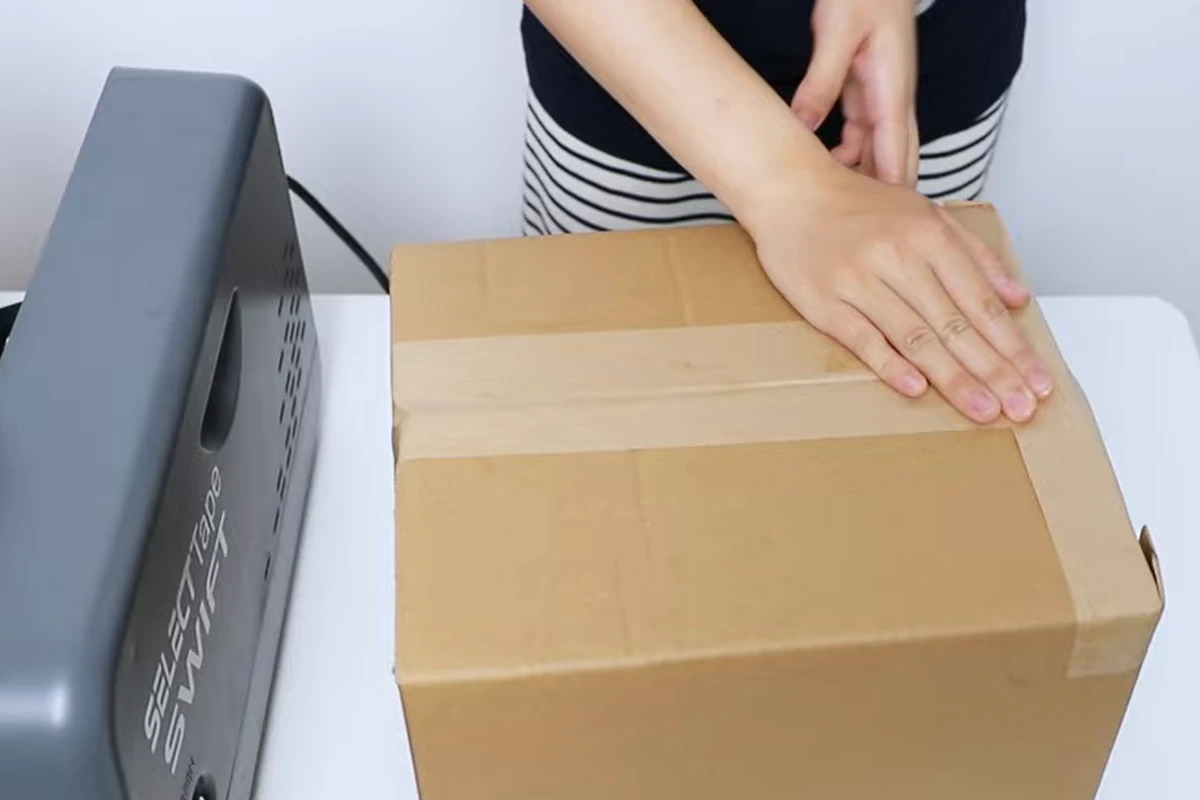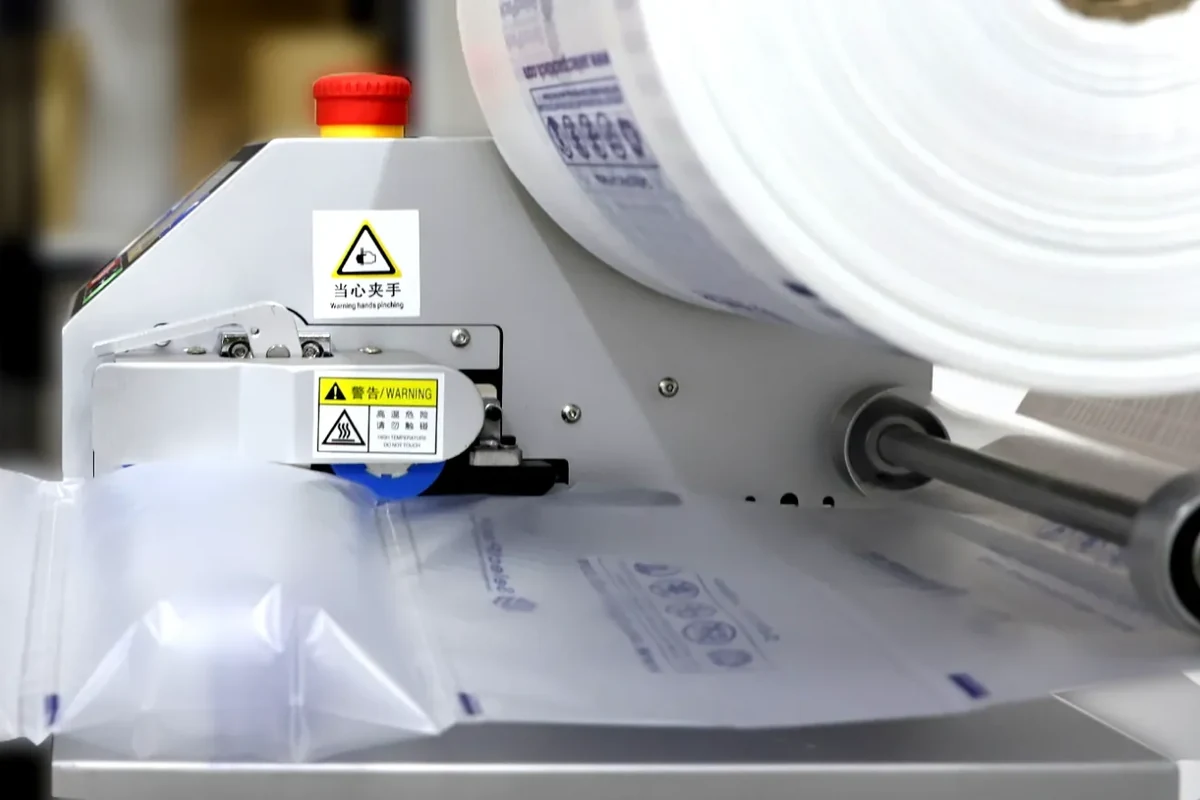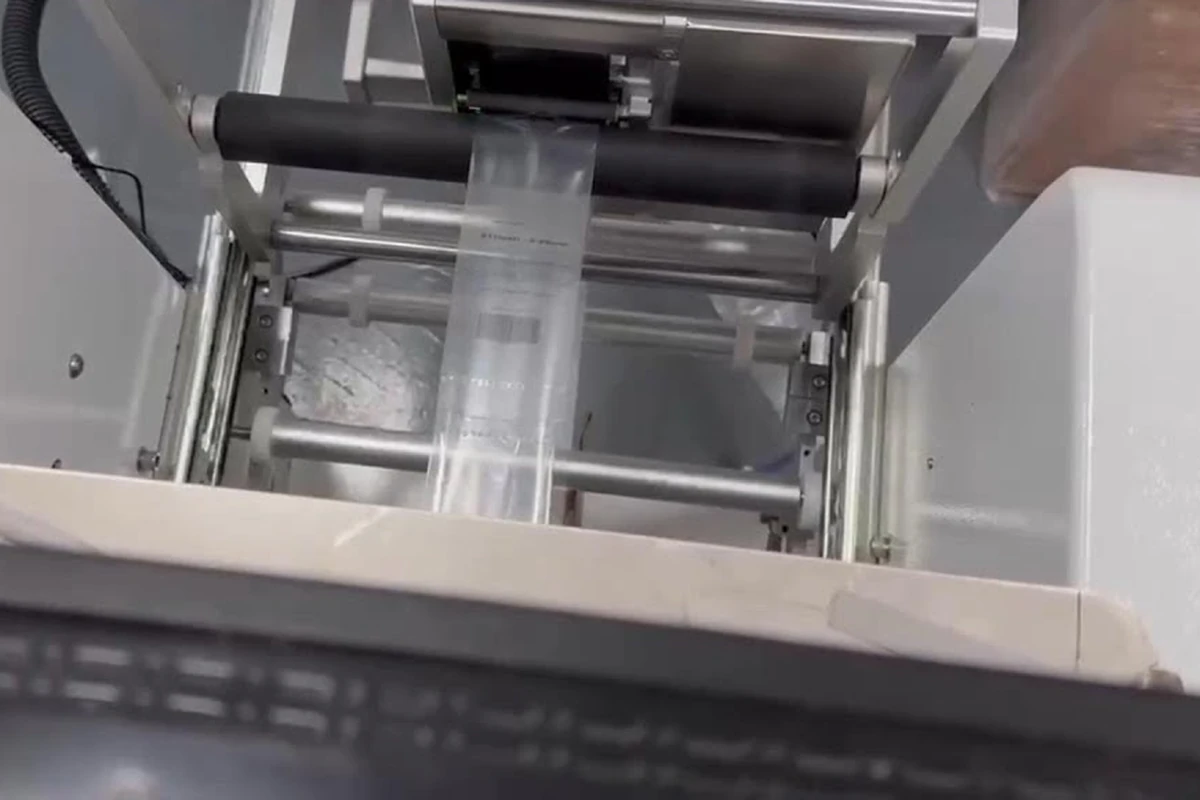
An air cushion packaging sample test should establish whether a defined product, cushioning arrangement and outer package meet the agreed packing and shipping requirements. Successful inflation, a product fitting inside the bag and a closed carton are useful early checks. They do not prove that the packaged product will arrive in acceptable condition.
Set the acceptance criteria first, document exactly what is being tested, then screen the packing method before transport validation. That sequence prevents an attractive sample from becoming a bulk-order approval with no defined protection requirement.
Use representative products and production-intended materials. Approving one easy SKU or one hand-prepared cushion does not automatically approve a product family, a different carton or a new film grade.
Define Acceptance Criteria for an Air Cushion Packaging Sample Test
Define acceptable product condition and the distribution task before selecting a test. The same item might require protection against breakage, surface marking, connector damage or loss of function, and each requirement needs an inspection method.
Agree which outcomes count as failure. A cosmetic scratch, dented retail box or bent fitting might be unacceptable even when the product still operates. Specify who inspects each requirement and how the product’s pre-test condition is recorded.
Describe the intended shipping route: individual parcel, mixed freight, palletized delivery or another defined distribution path. Include handling stages and any customer-mandated procedure. Record storage or environmental conditions that the package must accommodate rather than assuming one generic test covers them all.
Where necessary, involve the product owner or customer in defining functional and cosmetic criteria. Packaging approval should not depend on an operator deciding after the test that visible damage is minor.
Freeze the Sample Package Before Evaluating It
Identify the exact package version so the test result can be traced and reproduced. An approval belongs to that defined configuration and the scope of the agreed test.
Record the components and method together:
| Record | Details that identify the tested package |
|---|---|
| Product | SKU, revision, mass, orientation and initial condition |
| Cushioning | Material reference, format, batch and supplied dimensions |
| Inflation | Equipment identity and approved operating condition |
| Pack layout | Material quantity, placement, coverage and insertion method |
| Other components | Inner pack, separators, covers and accessories |
| Outer package | Carton specification, internal dimensions and closure |
| Acceptance plan | Damage criteria, inspection method and transport task |
Use a controlled packing instruction that an operator can follow. If several people prepare samples, confirm that they use the same material placement and quantity. Unrecorded additional fill turns nominally identical samples into different package versions.
For air column bags, finish the inflated-fit and sizing checks before interpreting transport performance. A product forced into a cavity or a bag distorted by an unsuitable carton already presents a design problem.
The material used for approval should represent the planned order. Identify when a prototype differs from production-intended film, printing, bag construction or roll format. Record that limitation and determine what remains to be confirmed with production material.
Screen the Packing Method at the Station
Station screening checks whether the package can be prepared correctly and repeatedly. It exposes loading and placement problems before a transport test, but it is not a substitute for that test.
Observe the product from material preparation to carton closure. For pillows, check that the assigned gaps are filled without leaving required contact protection untreated. For bubble film, check coverage and item separation. For fitted bags, check insertion, protected areas and the assembled carton fit.
Pay particular attention to vulnerable protrusions and product-to-product contact. A sample that appears secure from above might leave a connector against the carton or two items touching below the visible layer. Inspect the completed arrangement against the instruction rather than relying only on the final top view.
Include normal waiting and material transfer if they are part of the operation. A cushion used immediately beside the machine presents a different workflow from one collected in a bin and delivered to another station. Observe whether the material remains acceptable through that interval.
If pillows lose air before the planned transport evaluation, follow the deflation investigation. Identify the failure stage and preserve the batch evidence; adding extra fill to a failing sample creates an uncontrolled change.
Record preparation difficulties as well as completed packs. Repeated forcing, improvised protection or changes in placement indicate that the method is not yet controlled, even if an experienced person eventually closes every carton.
Select a Transport Test for the Distribution Task
Select the transport procedure from the packaged product, route and customer requirement. Do not choose a fixed drop height, sample count or procedure merely because the cushioning is inflatable.
The ISTA test-procedure guide distinguishes screening tests from procedures that simulate distribution environments. Its general simulation procedures include different shipment types, such as parcel delivery and less-than-truckload freight. A suitable laboratory or packaging engineer should confirm the applicable procedure and current requirements for the complete package.
Agree the tested configuration, sample selection, conditioning where required, test sequence and product inspections before starting. Use the specified method and equipment for a claimed procedure; an informal demonstration is not evidence that the complete procedure has been performed.
Select samples to address the risks within the approval scope. Product families differ in more than overall size: a protrusion, mass distribution, fragile surface or accessory arrangement can change the critical failure point. Ask the responsible engineer or laboratory to justify any representative-SKU approach and its limits.
A field shipment trial provides observations from that route and handling history. Keep its findings attached to those conditions and review them alongside the agreed validation plan. One uneventful delivery does not establish universal protection across every route or package variant.
Record Failures Without Changing the Evidence
Inspect the package and product against the agreed criteria before dismantling or repairing anything. Preserve the component positions and identify where damage or loss of function occurred.
Record carton condition, cushion condition, product displacement and product damage separately. A deflated pillow might be connected to the failure, but it does not by itself prove whether a seal issue, puncture or contact arrangement caused the damage. Conversely, intact cushions do not prove that sensitive product features were adequately protected.
When a sample fails, identify the proposed correction and create a new package revision. Changing the carton, adding a separator or moving the cushioning changes what is being evaluated. Retest the revised configuration as required by the agreed plan rather than combining results from different versions into one pass statement.
Record deviations from the plan, including substituted products or materials and incomplete inspections. A result with an unresolved deviation needs a defined decision by the approval owner, not a silent assumption that it applies to the original specification.
Release a Defined Package, Not a Material Category
Approval should state which products, pack components, method and distribution task it covers. “Air cushioning approved” is too broad to control a production order or future change.
The release record should include the accepted package revision, supporting results, remaining limitations and responsible approval. Carry its material references and dimensions into purchasing so the bulk order matches the tested supply.
Define the changes that trigger review. Relevant changes include product geometry or mass, carton construction, film grade, bag shape, cushion quantity, inflation condition and packing method. A supplier change that alters material construction is different from receiving another batch of the same controlled specification; decide the checks appropriate to each.
Also establish incoming and in-process checks that preserve the approved method. Confirm material identification, operator instruction and traceability to the production batch. Transport validation is a design approval; production still needs to make that design consistently.
When requesting samples from the SelectAir air cushion packaging range, send the product, carton, shipping route and unacceptable-damage criteria together. Ask for a proposed material and sample pack with traceable specifications, so the result supports a defined bulk-order decision.