Cardboard waste has become a visible and ongoing challenge in modern business operations, directly affecting costs, space utilization, and packaging efficiency. As shipping volumes grow and sustainability expectations rise, many businesses are re-evaluating how cardboard is handled within their daily workflows.
Cardboard Waste as a Growing Operational Challenge
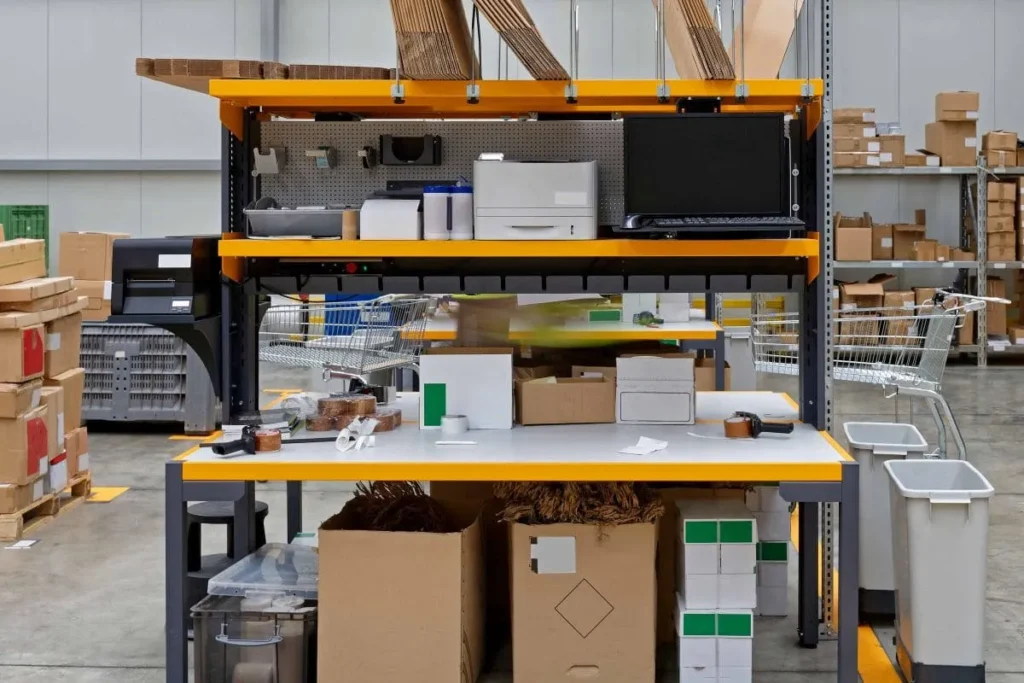
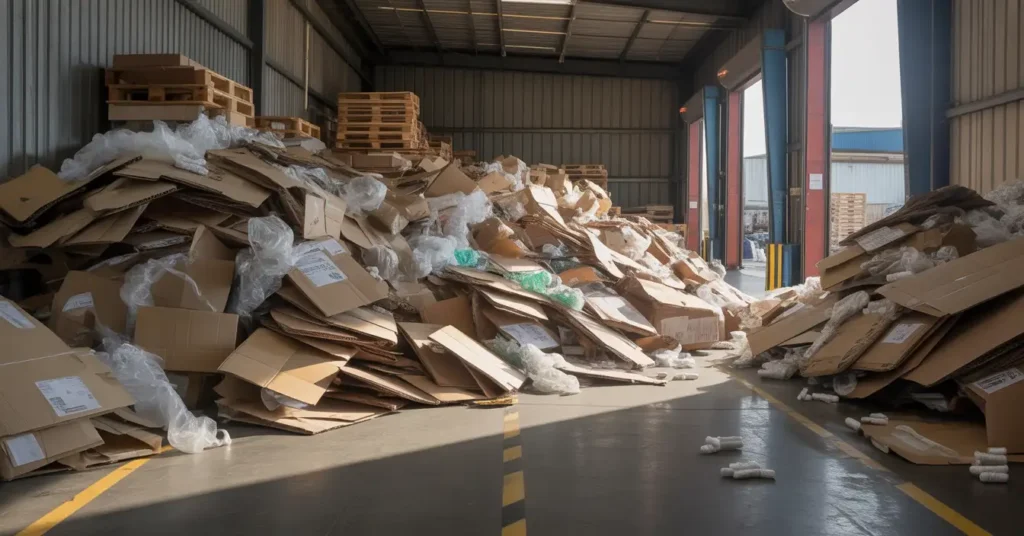
In warehouses, fulfillment centers, and production facilities, used cardboard accumulates quickly as part of normal operations. Without on-site processing, flattened boxes occupy valuable floor space, require repeated handling, and disrupt efficient packaging and storage workflows. As operations scale, unmanaged cardboard waste increasingly affects productivity and organization.
Rising Packaging Costs and Disposal Pressures
Businesses are facing higher costs on both ends of the packaging cycle. Purchased void fill and protective materials continue to increase in price, while waste collection, recycling, and transportation fees add ongoing operational expenses. Managing cardboard purely as waste often results in higher long-term costs and limited flexibility as packaging demand fluctuates.
Sustainability Expectations Driving Smarter Material Use
Sustainability is no longer a secondary consideration in packaging decisions. Customers, partners, and regulatory frameworks increasingly expect businesses to reduce landfill waste and improve material efficiency. Reusing cardboard through on-site shredding allows companies to minimize waste, lower environmental impact, and align packaging operations with broader sustainability goals.
What Is a Cardboard Shredder and How Does It Work?
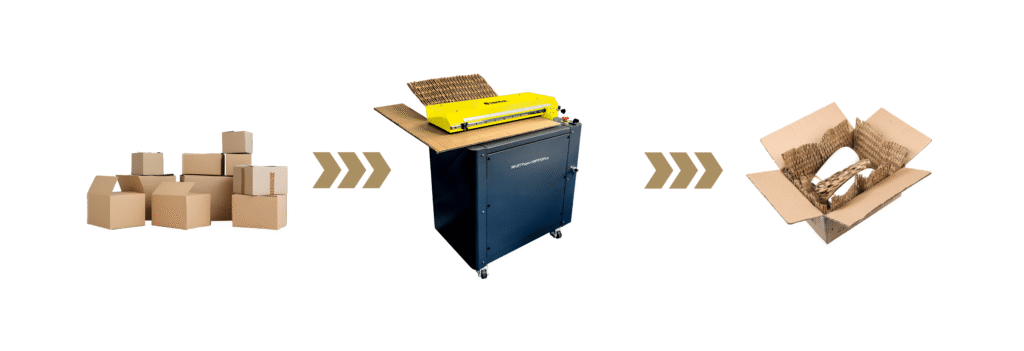
A cardboard shredder for packaging converts suitable corrugated board into connected mesh sheets, separate strips, or both, depending on the cutting system. The terms cardboard perforator and cardboard converter are also used for this equipment. It is not an office paper shredder, and permitted cardboard, feed dimensions, operating cycle, and output vary by model.
For the complete definition, three-step process, output comparison, material limits, and buyer checks, read the cardboard shredder guide for businesses.
Who Should Use a Cardboard Shredder? Common Business Applications
Cardboard perforators are used across a wide range of industries, particularly where packaging volume and material flow are significant.
Warehouses and distribution centers generate large amounts of cardboard from inbound shipments. Shredding allows these facilities to process packaging waste on-site and reuse it for outbound orders, reducing both disposal volume and packaging material purchases.
E-commerce and fulfillment operations benefit from the ability to create void fill on demand. With fluctuating order sizes and seasonal peaks, on-site shredding offers flexibility and reduces reliance on pre-made packaging materials.
Manufacturing and logistics companies often deal with bulky cardboard waste that accumulates quickly. Shredders help maintain cleaner work areas and support internal reuse for product protection during transport.
Retail backrooms and packaging stations face space constraints. Compact shredding solutions allow cardboard to be processed immediately rather than stored for later removal, improving organization and safety.
Frequently Asked Questions About Cardboard Shredders

Do businesses really need a cardboard shredder?
A cardboard perforator makes sense when cardboard waste is generated consistently and packaging materials are purchased regularly.
Below are waste management and recycling policies in selected countries:
a. United Stated
b. Canada
c. European Union
d. United Kingdom
e. Australia
Businesses that pay for both waste removal and void fill are effectively paying twice for the same material. Shredding converts cardboard into a resource, helping balance costs and reduce inefficiencies.
What types of cardboard can be shredded?
Most cardboard perforators handle single-wall and double-wall corrugated cardboard. Light tape and labels are typically acceptable, though excessive staples or reinforced materials must be removed. Moisture content also matters; dry cardboard produces better output and reduces wear on cutting components.
Can a regular paper shredder shred cardboard?
Regular paper shredders are not designed for corrugated materials. Cardboard’s thickness and structure place excessive strain on motors and blades, increasing the risk of mechanical failure. Dedicated cardboard perforators are built to manage this load safely and consistently.
What materials should never be shredded?
Materials such as plastics, metal components, thick laminated boards, and non-paper composites should not be processed. These items can damage blades and compromise safety. Following manufacturer guidelines helps extend machine lifespan and maintain consistent output quality.
What can shredded cardboard be used for?
Shredded cardboard is commonly used as protective void fill, cushioning fragile items during shipping, and separating products within cartons. In some operations, it may also be directed toward recycling or composting streams, depending on local regulations.
What features should businesses look for in a cardboard shredder?
Key features include throughput capacity, feed width, adjustable output size, safety mechanisms, and ease of maintenance. Machines should match daily volume requirements without creating bottlenecks. User-friendly designs reduce training time and minimize downtime.
Are there regulations or compliance considerations?
While cardboard shredding itself is generally unregulated, businesses should follow local waste handling and workplace safety guidelines. Proper training and machine guarding help ensure compliance with internal safety standards.
Key Benefits of Using a Cardboard Shredder
Cost Reduction
On-site shredding reduces the need to purchase external void fill materials and lowers waste disposal expenses. Over time, these savings can offset the initial investment in equipment.
Sustainability and Environmental Impact
Reusing cardboard supports waste reduction and resource efficiency. By keeping materials in use longer, businesses reduce landfill contributions and demonstrate measurable progress toward sustainability goals.
Operational Efficiency
Processing cardboard immediately frees up space and simplifies workflows. Packaging teams gain faster access to cushioning material, and storage areas remain more organized.
How to Choose the Right Cardboard Perforator for Your Business
Selecting the right shredder starts with understanding volume. Small operations may need compact machines, while high-throughput environments require industrial-grade equipment. Budget considerations should include long-term savings and reliability, not just upfront cost.
For a deeper discussion of cardboard perforator selection criteria, see the article below for a detailed buying guide.
Maintenance and Safety Best Practices
Routine inspection, cleaning, and proper loading help maintain performance. Operators should be trained to recognize signs of overload and follow safe operating procedures. Preventive maintenance reduces downtime and extends machine life.
Conclusion
Cardboard perforators offer businesses a practical way to rethink how packaging waste is managed. By converting cardboard into usable material, companies can reduce costs, improve efficiency, and support sustainability objectives. Understanding how these machines work and where they add value helps decision-makers make informed choices.
For businesses exploring on-site cardboard processing, working with experienced packaging equipment providers such as SelectPack can help ensure the solution aligns with operational needs and long-term goals. Contact our team to discuss requirements, evaluate options, and identify the right cardboard shredding solution for your business.