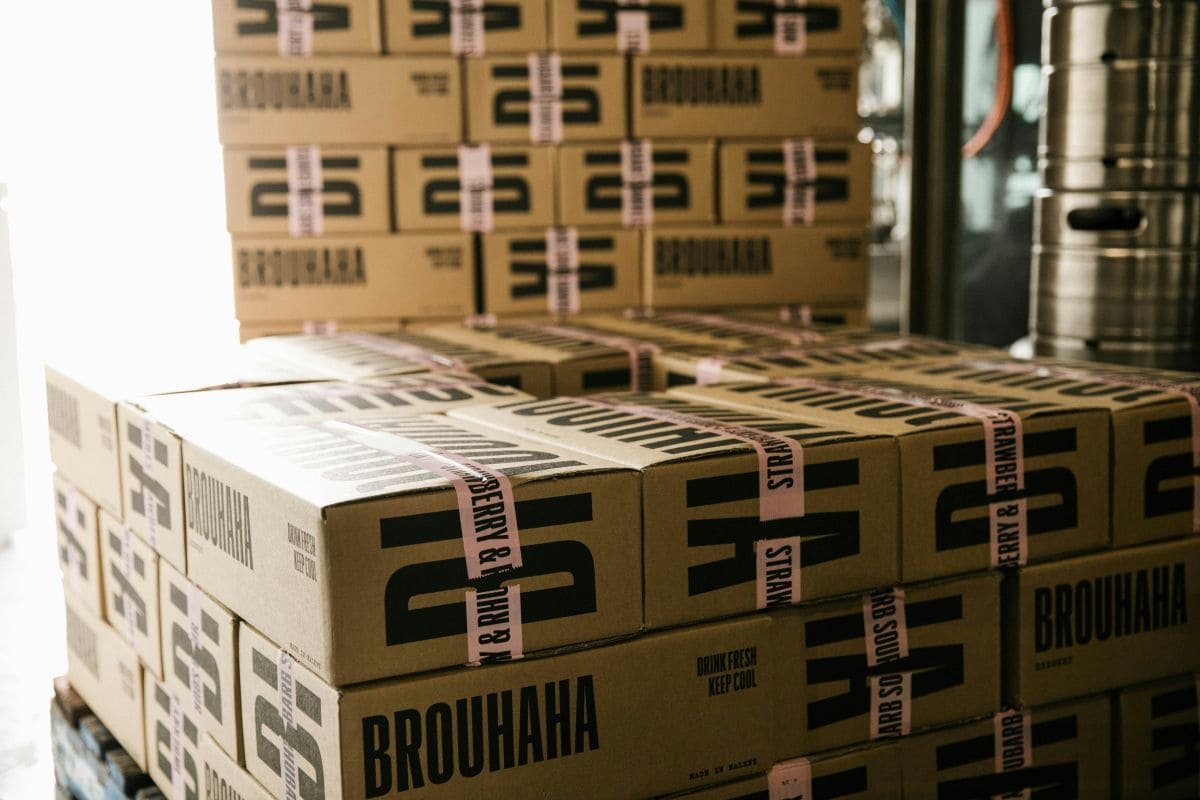
In modern warehouses and e-commerce fulfillment centers, cardboard packaging generates significant waste on a daily basis. Whether it’s an e-commerce order fulfillment center, a retail distribution warehouse, or a manufacturing logistics department, hundreds to thousands of cardboard boxes are discarded every day. Sending these used cartons directly to recycling or disposal not only increases waste management costs but also wastes materials that could be reused. SelectPack on-site cardboard perforators offer an efficient, cost-effective, and sustainable solution, converting used cardboard into cushioning materials, protective pads, or chip fill—significantly lowering packaging costs, reducing storage and handling overhead, and supporting corporate sustainability initiatives.
As regulations around single-use plastic void fill and packaging materials become increasingly strict worldwide, businesses must reduce costs while complying with environmental standards. By recycling and reusing cardboard on-site, companies can cut waste management expenses by 20–40% and reduce their reliance on bubble wrap, plastic void fill, and other single-use packaging materials. This approach not only controls costs but also demonstrates a tangible commitment to sustainable packaging practices. This article explores, from SelectPack’s perspective, how businesses can reuse cardboard on-site, the practical value of perforators, and strategies for selecting and operating the right model.
Hidden Costs of Cardboard Waste: Why Waste Management Is More Expensive Than It Seems
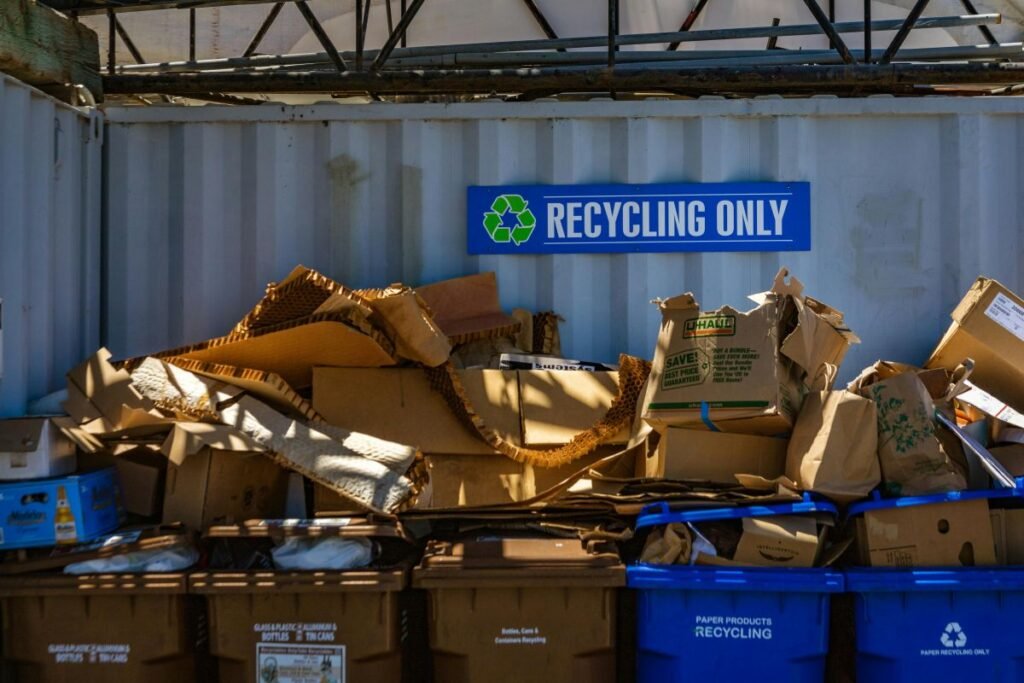
Many businesses focus on the cost of purchasing packaging materials but overlook the hidden expenses of managing cardboard waste. In reality, these costs can surpass the purchase price of packaging materials and include:
- Disposal Fees
Companies often have contracts with recycling providers that charge by weight or volume. For warehouses processing hundreds or thousands of boxes per day, monthly disposal costs can reach several thousand dollars. - Transportation Costs
Moving cardboard from the warehouse to recycling or disposal centers incurs fuel, vehicle maintenance, and logistics costs. In multi-warehouse or multi-station operations, these costs can be significant. - Storage Space Requirements
Storing cardboard waiting for pickup consumes space in receiving areas, storage rooms, and loading docks, impacting workflow efficiency and employee productivity. - Labor Costs
Employees spend time breaking down, stacking, and transporting cardboard, which increases operational labor costs.
Taken together, businesses are effectively paying twice: first to remove waste, and then to purchase new packaging materials for outbound shipments. For medium to high-volume operations, these repeated costs can add up to tens of thousands of dollars annually.
Furthermore, with plastic reduction initiatives and Extended Producer Responsibility (EPR) regulations being implemented in the U.S. and internationally, companies must minimize single-use plastic fill—or risk noncompliance or falling short of customer green procurement standards. SelectPack® perforators help businesses reduce costs while staying fully compliant with these regulations.
How Businesses Reuse Cardboard On-Site
SelectPack® perforators can process used cardboard into multiple packaging outputs, each suited to different product types and shipping requirements:
Loose-Fill Cushioning Net
The perforator cuts used cardboard into a perforated mesh that retains volume and flexibility, making it an ideal loose-fill cushioning material for cartons. This mesh can replace bubble wrap or packing peanuts and is produced on-demand, reducing inventory requirements and procurement costs.
Application Examples:
- E-commerce fulfillment centers: Processing 500–1,000 small orders daily, generating cushioning net on-demand and reducing bubble wrap purchases by approximately 25%.
- Retail distribution warehouses: Protecting lightweight items while reducing packaging inventory storage.
Protective Pads and Layering
For heavier or fragile products, perforators produce dense, uniform cardboard pads that provide cushioning and structural support within cartons.
Application Examples:
- Industrial components: Metal parts or mechanical assemblies use perforated pads to reduce shipping damage by 30–50%.
- Glassware and electronics: Structured pads protect fragile goods where loose-fill alone is insufficient.
These pads can be customized to carton dimensions, ensuring precise protection while replacing plastic inserts and lowering environmental impact.
Chip Fill
Perforators can also cut cardboard into small pieces or chips to fill voids inside cartons, preventing product movement during transit while reducing reliance on plastic filler.
Application Examples:
- High-volume e-commerce fulfillment: Mixed shipments of non-fragile items benefit from fast, on-demand chip fill.
- Retail distribution centers: Using cardboard chips reduces plastic usage while meeting green procurement and sustainability goals.
Through these three output types, businesses can transform waste cardboard into functional packaging materials, achieving cost savings and environmental benefits.
Economic and Operational Value of On-Site Perforators
Companies invest in on-site perforators for several key reasons:
- Reduce Packaging Material Costs
Converting waste cardboard into cushioning or pads reduces the need to purchase bubble wrap, foam inserts, and packing peanuts, saving 20–35% on packaging material costs. - Lower Waste Management Expenses
Cardboard processed on-site is more compact, reducing collection frequency and transportation costs. - Free Up Storage and Operational Space
On-site processing eliminates cardboard stacking, optimizing workspace efficiency. - Enhance Green Packaging Initiatives
By replacing plastic filler, companies demonstrate sustainable practices that align with customer expectations and regulatory standards.
For medium to high-volume operations, these combined benefits often yield a return on investment within 6–12 months.
SelectPack® Perforator Models and Applications
SelectPack® offers a range of perforators to suit different operational scales and output requirements, from desktop units for light operations to high-throughput industrial models.
HIPPO Series – Desktop & Mid-Volume Operations
| Model | Feed Width | Max Layers | Throughput | Ideal Use |
|---|---|---|---|---|
| HIPPO P10 | 325 mm | 1 Layer | ~110 lb/h | Desktop, light packaging |
| HIPPO P20 | 425 mm | 1–2 Layers | ~175 lb/h | Mid-size warehouse & e-commerce |
| HIPPO P30 | 500 mm | 2 Layers | ~220 lb/h | Medium-large workstation, on-demand cushioning |
Features: Compact footprint, flexible placement, easy operation—ideal for processing 50–300 boxes daily in small to medium operations.
HIPPO Plus Series – High-Volume Industrial
| Model | Feed Width | Max Layers | Throughput | Ideal Use |
|---|---|---|---|---|
| HIPPO Plus P50 | 500 mm | 2 Layers | ~350 lb/h | Mid-size warehouse, continuous processing |
| HIPPO Plus P80 | 800 mm | 3 Layers | ~500 lb/h | Large fulfillment center, multi-layer processing |
Features: Durable steel cutting rollers, continuous operation, supports rear chip output or pad production, suitable for high-volume warehouse and industrial applications.
Real-World Applications
- E-commerce Fulfillment Center: Processes 800–1,200 orders daily using HIPPO P30, generating cushioning net and chip fill on-demand, reducing bubble wrap usage by 30%.
- Industrial Parts Distribution: HIPPO Plus P50 produces high-density pads to protect fragile parts, reducing shipping damage by 40%.
- Retail Distribution: Using chip fill in place of plastic, aligning with green procurement requirements and enhancing brand sustainability image.
Perforators can be placed at receiving areas or packing stations, with processed material immediately ready for use, streamlining workflows and improving operational efficiency.
Comprehensive Benefits and Business Impact
- Reduce packaging material costs
- Lower waste management and transportation expenses
- Optimize storage space and operational flow
- Support sustainable packaging initiatives and enhance corporate environmental reputation
SelectPack® perforators cover desktop to high-volume industrial applications, helping businesses achieve cost optimization and green packaging objectives simultaneously.
Contact SelectPack® Experts
Businesses can select the appropriate model based on cardboard volume, throughput requirements, and packaging workflow layout. Samples can also be submitted for testing or on-site demonstrations.
- Email: sales@selectpacktech.com
- Phone: +86 1888 3792 564
The SelectPack® team will recommend the best perforator solution to optimize costs, increase efficiency, and support sustainable packaging goals, with responses guaranteed within 12 hours.