
Why Businesses Are Rethinking Plastic Bubble Wrap
For decades, plastic bubble wrap has been the default cushioning material in warehouses, fulfillment centers, and manufacturing facilities. It is lightweight, easy to use, and widely available. However, packaging operations today are facing new pressures that are forcing decision-makers to reconsider traditional materials.
One of the biggest drivers is increasing pressure to reduce plastic packaging. Governments in multiple regions are introducing plastic reduction targets, recycling mandates, and packaging taxes. At the same time, large retailers and marketplaces are encouraging sellers to move toward recyclable or paper-based alternatives.
Storage and disposal costs are also becoming more visible. Plastic bubble wrap is shipped and stored in bulky rolls that take up significant warehouse space. Once used, it often ends up as non-recyclable waste, adding disposal expenses and environmental impact.
In response, many businesses are exploring paper bubble wrap as an alternative. By replacing plastic air pockets with embossed kraft paper, companies can reduce plastic dependency while maintaining protective performance. The shift is not purely environmental—it is also operational and financial.
What Is Plastic Bubble Wrap?
Plastic bubble wrap is a cushioning material made from polyethylene film with sealed air-filled pockets. These air bubbles absorb impact during shipping, helping protect fragile items from vibration and shock.
The structure is relatively simple: two layers of plastic film are bonded together with trapped air pockets in between. The size of the bubbles can vary depending on the application—small bubbles for lightweight products and larger bubbles for heavier or more fragile items.
In modern packaging operations, plastic bubble wrap is commonly used for:
- Wrapping electronics and glass items
- Interleaving products inside cartons
- Filling void spaces to prevent movement during transit
- Surface protection against scratches
Its main advantages include consistent cushioning performance, moisture resistance, and flexibility. It is also easy to tear and apply without special equipment.
However, plastic bubble wrap has limitations. It occupies significant storage space because the air is pre-filled. It is derived from petroleum-based materials. And although technically recyclable in some regions, in practice it often ends up in general waste streams. For businesses pursuing sustainability goals, these drawbacks are becoming increasingly relevant.
What Is Paper Bubble Wrap?
Paper bubble wrap is a paper-based cushioning material designed to replicate the protective function of traditional plastic bubble wrap without relying on air-filled plastic film.
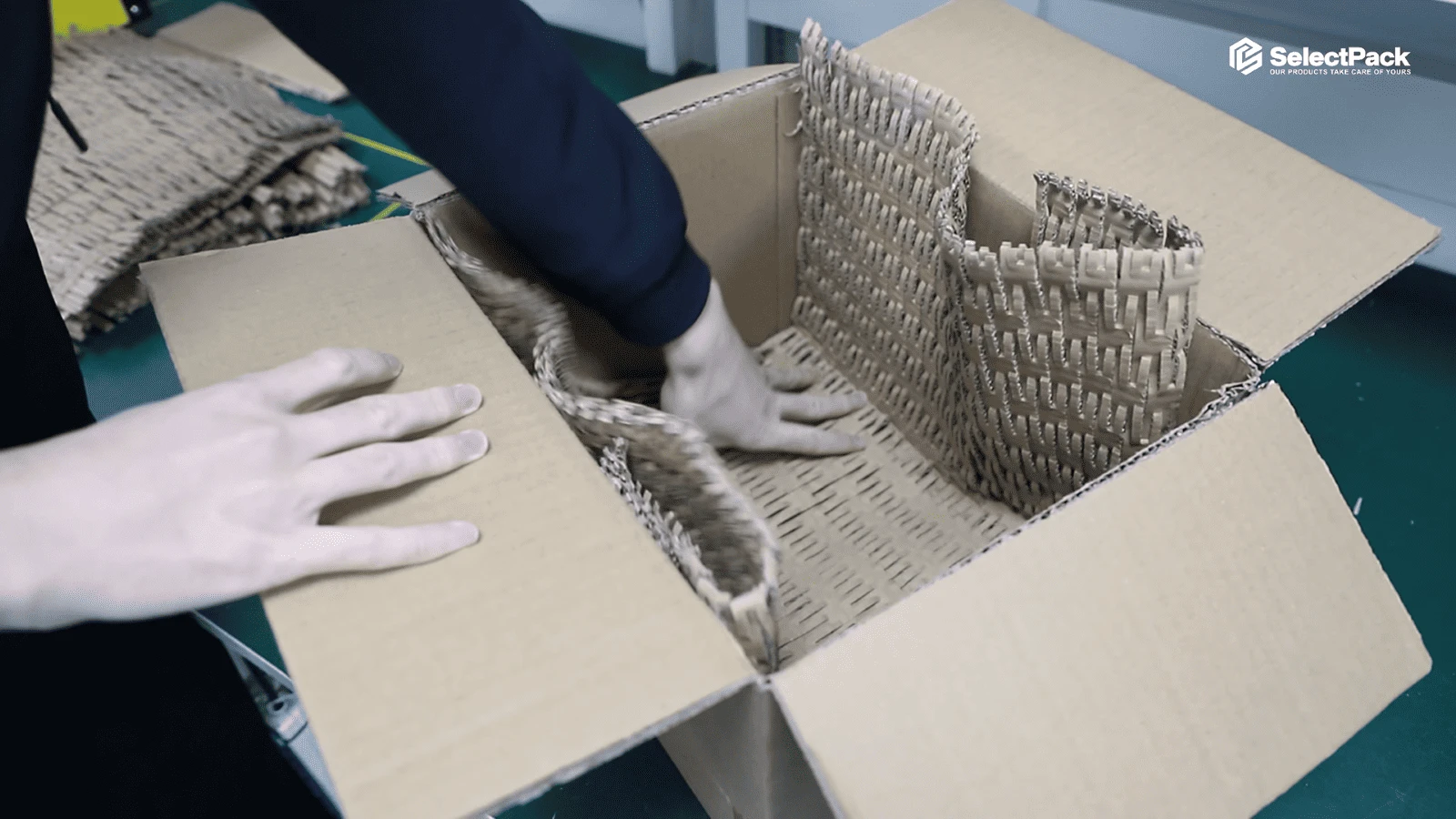
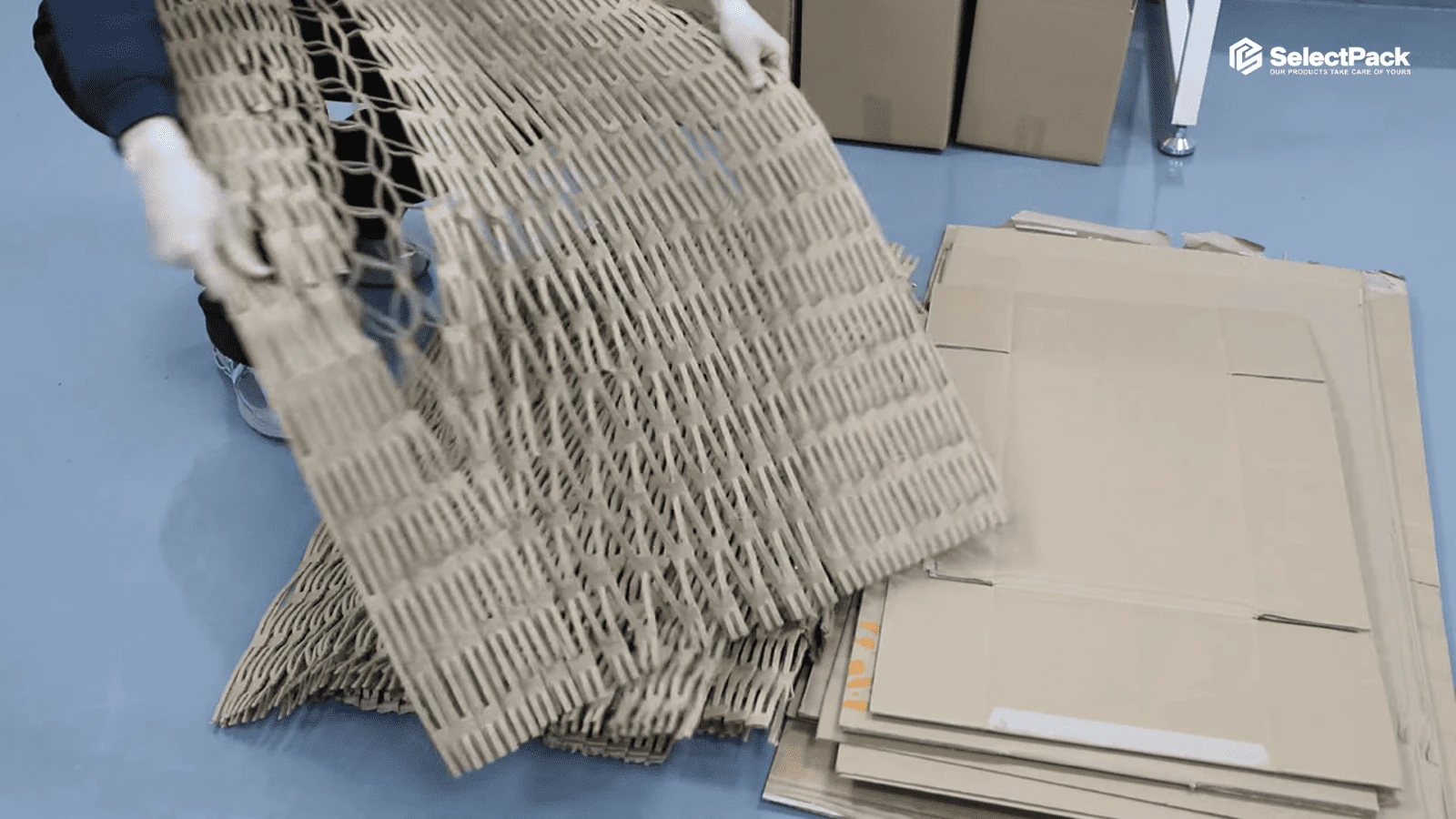
It is sometimes referred to as bubble wrapping paper or bubble paper wrap. Instead of sealed air pockets, it uses mechanically embossed kraft paper to create a raised, textured surface. These concave and convex patterns provide cushioning by absorbing shock and distributing pressure during transit.
Unlike standard flat packing paper, paper bubble wrap has structure and dimensional stability. The embossed pattern creates small air gaps within the material itself, offering protective performance while remaining fully paper-based.
It is important to distinguish paper bubble wrap from honeycomb paper and loose void fill materials. Honeycomb paper relies on an expanded net-like structure for wrapping, while shredded paper primarily fills empty spaces. Paper bubble wrap, by contrast, is designed to mimic the familiar wrapping function of plastic bubble wrap, offering surface protection and light cushioning in a single sheet.
Because it is paper-based, it can typically be recycled within standard paper recycling streams, depending on local regulations. This makes it appealing to brands aiming to reduce mixed-material packaging.
How a Paper Bubble Machine Produces Cushioning On Demand
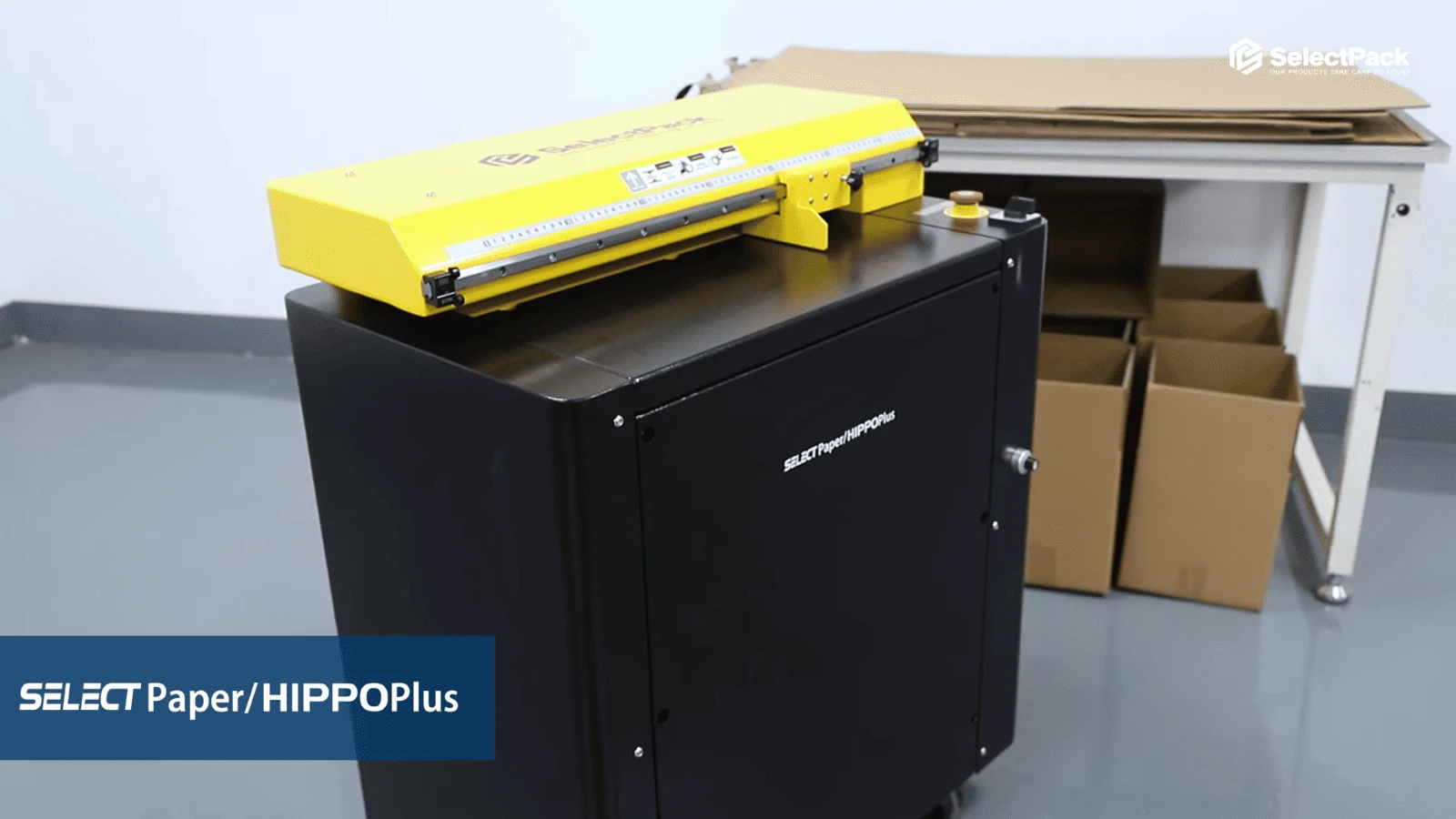
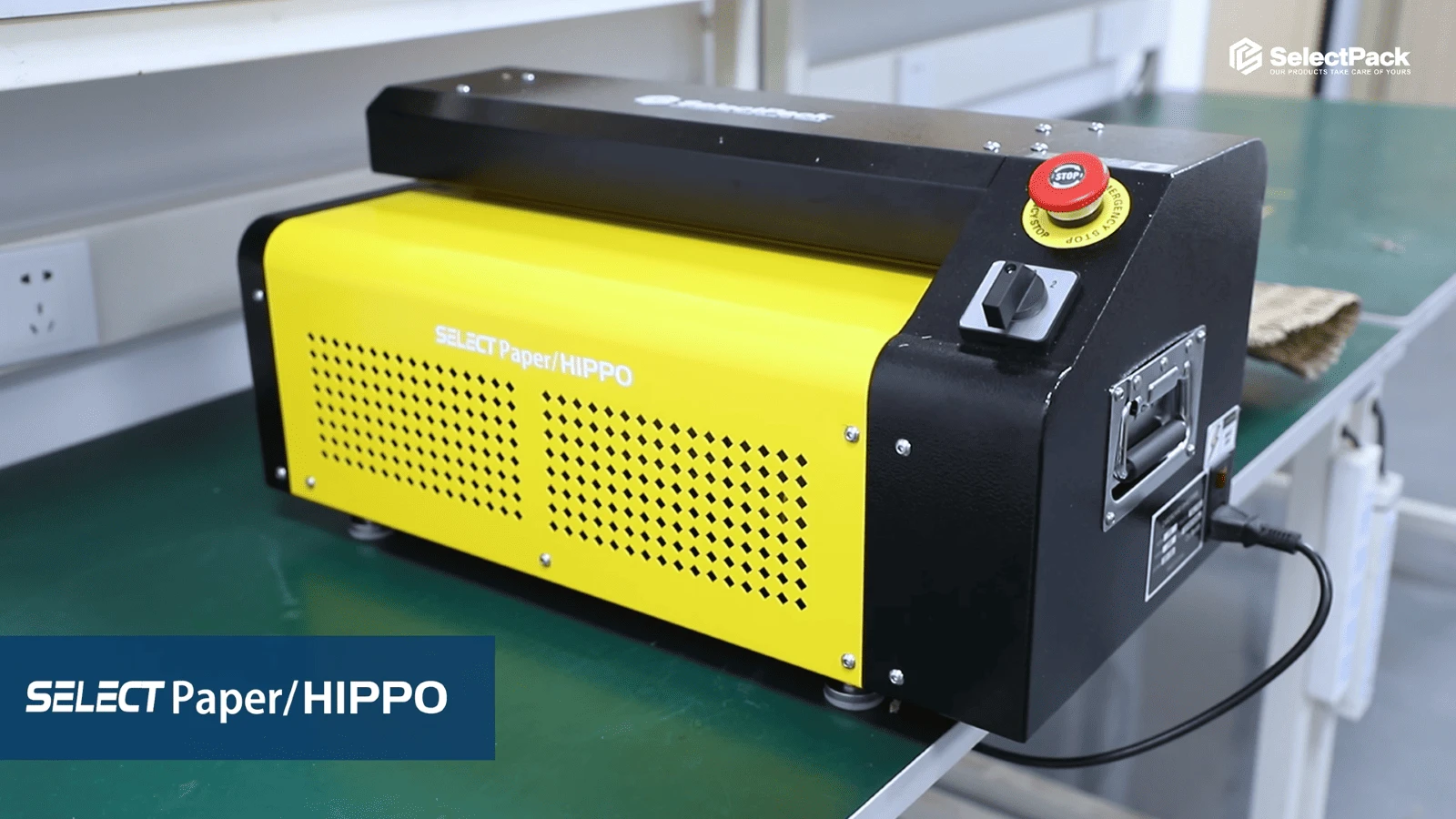
Unlike plastic bubble wrap, which is manufactured off-site and delivered as pre-inflated rolls, paper bubble wrap can be produced directly at the packing station using a paper bubble machine.
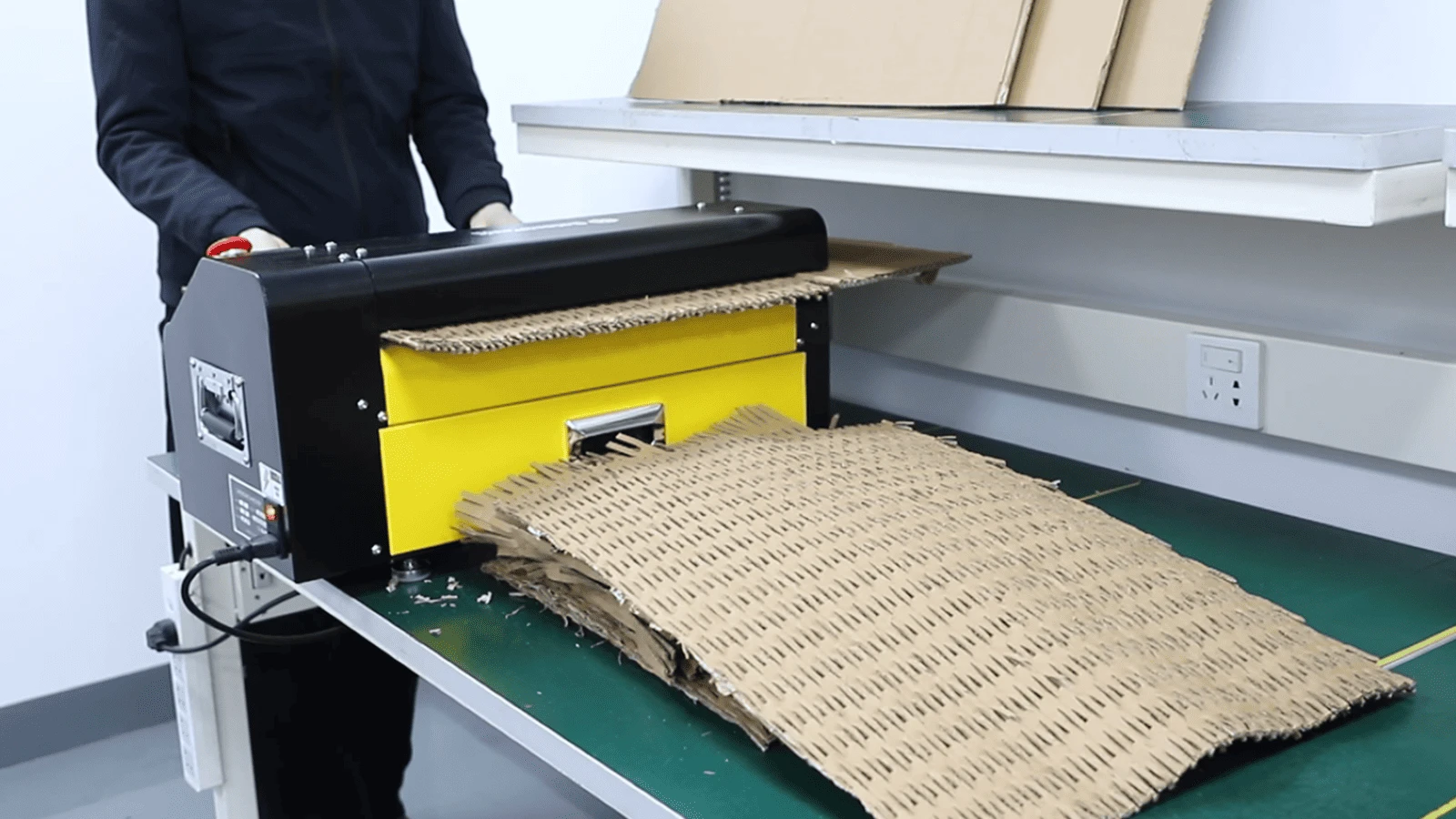
This equipment converts flat kraft paper rolls into embossed cushioning material in real time. The result is bubble paper wrap produced only when needed, reducing storage volume and simplifying material handling.
From Kraft Roll to Bubble Paper Wrap
The process begins with a standard kraft paper roll. As the paper feeds through the paper bubble machine, it passes between specially engineered rollers.
These rollers apply mechanical pressure to create a patterned, three-dimensional texture across the paper surface. The embossing process forms raised sections that act as cushioning points. Unlike plastic bubble wrap, there is no air injection; protection comes from structural shaping rather than trapped air.
Because the paper is flat before processing, it occupies significantly less storage space than pre-made plastic bubble rolls. Only after embossing does it expand into its protective form.
Paper Bubble Wrap Machine in Packing Workflows
A paper bubble wrap machine is typically installed at individual packing stations or centralized packing lines. Operators feed kraft paper rolls into the system and produce cushioning material on demand.
This approach offers several operational advantages:
- Reduced warehouse storage requirements
- Lower freight volume for incoming materials
- Elimination of bulky pre-inflated plastic rolls
- Better inventory control through roll-based supply
In high-volume environments, producing paper bubble wrap on site can streamline workflows. Teams generate only the amount required for each shipment, rather than cutting from oversized plastic rolls.
For businesses evaluating a transition away from plastic, the integration of a paper bubble machine into existing packaging operations becomes a key consideration.
Performance Comparison: Paper Bubble vs Plastic Bubble Wrap
When evaluating cushioning materials, businesses should look beyond familiarity and compare real operational performance. Both plastic bubble wrap and paper bubble wrap provide protective functions, but they perform differently across several criteria.
Cushioning Protection
Plastic bubble wrap relies on sealed air pockets to absorb shock. It performs well for lightweight and moderately fragile goods. Larger bubble formats provide additional impact resistance.
Paper bubble wrap achieves cushioning through embossed structure rather than trapped air. While it may not match heavy-duty industrial plastic bubble grades, it provides sufficient protection for most e-commerce, retail, and light industrial shipments. For wrapping electronics, cosmetics, small appliances, and consumer goods, bubble wrapping paper can deliver reliable performance.
Void Fill Efficiency
Plastic bubble wrap is often used both for wrapping and filling empty spaces inside cartons. However, its pre-inflated design can make it inefficient when used solely as void fill.
Paper bubble wrap is typically optimized for surface wrapping and light interleaving. For large empty spaces, it may be combined with other paper-based void fill materials. In many operations, bubble paper wrap becomes part of a broader paper packaging strategy rather than a standalone filler.
Warehouse Storage Footprint
Storage is where the difference becomes significant. Plastic bubble wrap rolls are bulky because they contain pre-filled air. They require dedicated storage areas and frequent replenishment.
By contrast, kraft rolls used in a paper bubble machine are flat and compact before processing. This reduces incoming freight volume and warehouse space requirements. In operations where floor space directly impacts cost, this can be a deciding factor.
Recyclability and Disposal Impact
Plastic bubble wrap is technically recyclable in specialized streams, but in practice it is often discarded as general waste. This increases landfill contribution and disposal costs.
Paper bubble wrap, when uncoated and free from synthetic additives, can typically enter standard paper recycling streams. This simplifies disposal for end customers and supports corporate sustainability goals.
| Criteria | Plastic Bubble Wrap | Paper Bubble Wrap |
| Cushioning | High | Moderate–High |
| Storage Volume | High | Low |
| Recyclability | Limited | Paper stream |
| On-Demand Production | No | Yes (with machine) |
Cost Analysis for Businesses
Material selection is rarely based on environmental considerations alone. Cost structure plays a central role in packaging decisions.
Material and Freight Costs
Plastic bubble wrap is purchased as finished rolls. Because the material is pre-inflated, transportation involves shipping air. This increases freight volume and storage costs.
Kraft rolls used for paper bubble wrap production are dense and flat before embossing. Shipping efficiency improves because more material fits within the same freight volume. Over time, reduced inbound logistics costs can offset part of the material price difference.
Material cost per square meter varies depending on supplier and region. In some markets, plastic remains cheaper per unit. In others, especially where plastic taxes apply, paper-based materials become more competitive.
Equipment Investment and ROI
Switching to paper bubble wrap typically involves installing a paper bubble machine or paper bubble wrap machine at packing stations.
The financial justification depends on several variables:
- Monthly packaging volume
- Current plastic material spending
- Storage cost per square meter
- Waste disposal fees
- Sustainability compliance requirements
For low-volume operations, continuing with plastic bubble wrap may remain cost-effective in the short term.
For medium to high-volume fulfillment centers, investing in a paper bubble machine can shift costs from recurring plastic purchases to more efficient roll-based supply. Over time, savings in storage, freight, and waste management contribute to return on investment.
The decision should be evaluated as a packaging system upgrade rather than a simple material swap.
Which Businesses Benefit Most from Paper Bubble Wrap?
Not every packaging operation has identical requirements. However, certain sectors are particularly well suited to paper-based cushioning.
E-Commerce Fulfillment Centers
Online retail shipments typically involve lightweight consumer goods. Paper bubble wrap provides sufficient protection while aligning with customer expectations for recyclable packaging. Brands that promote sustainability often favor bubble wrapping paper as part of their unboxing experience.
Electronics and Fragile Goods Packaging
Small electronics, accessories, and components benefit from surface protection and shock absorption. Bubble paper wrap can be combined with cartons and additional paper void fill to create a fully paper-based packaging system.
Sustainable and Eco-Focused Brands
Companies positioning themselves as environmentally responsible often look to eliminate visible plastic from their packaging. Paper bubble wrap supports brand messaging and simplifies recycling for end users.
Retail and Boutique Packaging
For retail environments where packaging aesthetics matter, paper-based cushioning can reinforce a premium and environmentally conscious image. The natural appearance of kraft paper often aligns better with brand identity than clear plastic film.
Final Decision: When to Choose Paper Bubble Wrap Over Plastic
There is no universal answer that applies to every business. The decision depends on operational scale, product fragility, cost structure, and sustainability objectives.
Plastic bubble wrap remains practical for heavy-duty industrial shipments, high-moisture environments, and extremely fragile goods requiring maximum shock absorption.
However, paper bubble wrap becomes a strong alternative when:
- Plastic reduction is a strategic priority
- Warehouse space is limited
- Freight efficiency matters
- Customers expect recyclable packaging
- Long-term operational optimization is being evaluated
For businesses considering a transition, installing a paper bubble wrap machine enables on-demand production and tighter control over packaging material usage. Rather than stocking bulky plastic rolls, operations can generate cushioning as needed.
Ultimately, choosing between plastic and paper is not just about material preference. It is about aligning packaging systems with long-term operational efficiency, cost management, and brand direction.

.webp)