In modern logistics and e-commerce operations, packaging speed is just as important as product protection. When selecting a paper bubble machine, understanding output speed helps businesses optimize their packing workflows and meet shipping deadlines. This guide explains paper bubble machine output speeds, the factors that influence production rates, and how to choose the right machine speed for your operation.
What Is the Typical Output Speed of a Paper Bubble Machine?
The output speed of a paper bubble machine refers to how quickly the machine converts flat kraft paper into bubble-structured cushioning material. Most manufacturers measure this speed in meters per minute (m/min) or feet per minute (ft/min).
In general, commercial paper bubble machines fall into several speed categories depending on their design and intended use:
Small desktop machines designed for light packaging workloads typically operate at speeds of around 5–10 meters per minute. These compact machines are commonly used in small warehouses or businesses with relatively low shipping volumes. They are ideal for small businesses looking to reduce plastic packaging without significant capital investment.
Mid-range machines designed for regular warehouse operations usually produce cushioning at speeds between 10–20 meters per minute. These machines are suitable for e-commerce companies and distribution centers that process a steady flow of packages. They offer a balance between production capacity and operational cost.
Industrial paper bubble machines used in high-volume fulfillment environments can operate at speeds of 20 meters per minute or more. These machines typically include stronger motors, larger paper roll capacities, and more durable feeding mechanisms. They are designed for industrial packaging operations that require continuous production.
While these speed ranges provide a general reference, the actual packaging throughput depends on how the cushioning material is used during packing. For example, small products may require only a short section of cushioning, while larger items may need more protective material. As a result, machine speed ultimately determines how many packages a packing station can prepare within a given period.
How Paper Bubble Machines Produce Cushioning in Real Time
Understanding the production process helps explain why output speed varies between machine types.
The process begins when a kraft paper roll is loaded into the machine. The paper is gradually fed through rollers that guide it into the forming mechanism. Inside the machine, specially designed rollers emboss the paper with a bubble-like pattern. This process creates a textured structure that increases the paper’s thickness and shock-absorbing capability. The resulting material resembles traditional bubble wrap in structure but is made entirely from recyclable paper.
Once the cushioning structure is formed, the machine feeds the finished paper bubble material out through the front of the machine. Operators can pull the material manually or use a foot pedal or automatic cutting function to produce the required length. Because the machine operates continuously, cushioning can be generated exactly when it is needed. This eliminates the need to store large quantities of packaging materials near the packing station.
In many packing environments, the machine is positioned next to or above the packing table so that the cushioning flows directly into the packaging process. This setup allows packers to wrap products, fill voids inside boxes, and prepare shipments without interrupting workflow. Integrating a paper bubble machine into your packing station significantly improves overall efficiency.
Factors That Affect Paper Bubble Machine Output Speed
Although manufacturers specify maximum production speeds, the actual output of a paper bubble machine can vary depending on several operational factors.
Machine Type and Motor Power
Machine design plays a major role in determining production speed. Desktop paper bubble machines usually have smaller motors and compact forming mechanisms, which limits their maximum output. Industrial machines, on the other hand, use more powerful motors and heavier-duty components. These machines can process paper faster and operate continuously for longer periods, making them suitable for high-volume warehouses.
Paper Material and Roll Size
The type of paper used can also influence production speed. Thicker or heavier kraft paper may require more force to pass through the embossing rollers, which can slightly reduce operating speed. Roll size also affects efficiency. Larger paper rolls allow the machine to operate longer without interruption, reducing downtime caused by roll replacement.
Operator Workflow and Station Layout
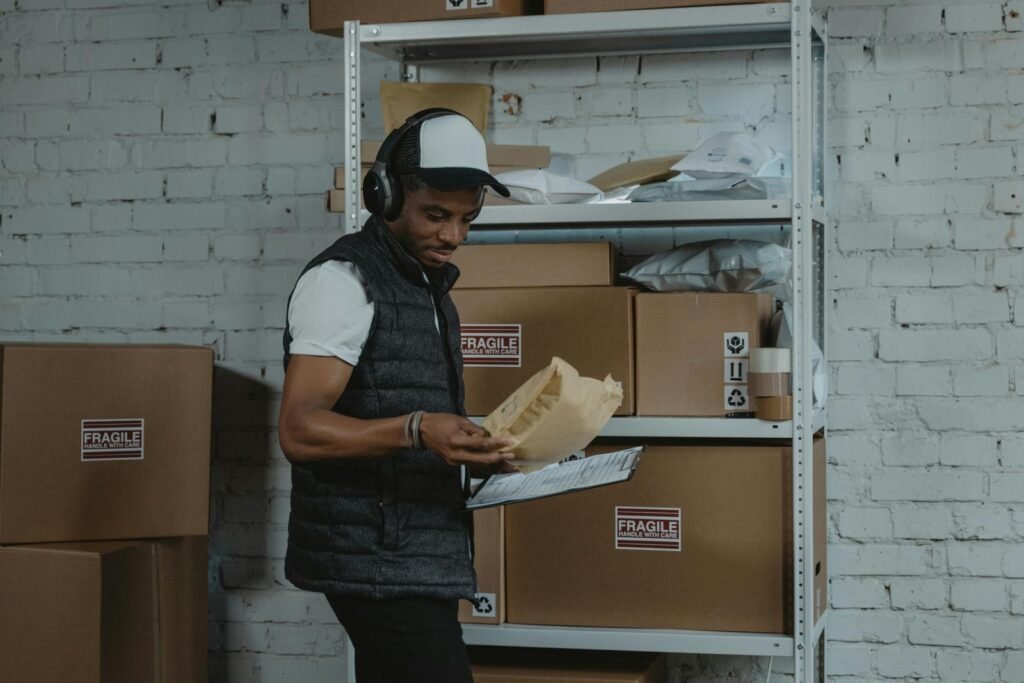
Even when a machine can produce cushioning quickly, the overall packing speed also depends on how efficiently operators work. If packers must frequently stop to cut cushioning or reposition boxes, packaging throughput may decrease. Efficient packing stations typically place the machine close to the work area so cushioning can be pulled directly into the box during packing.
Machine Settings and Operating Mode
Many paper bubble machines allow users to adjust production speed according to packaging requirements. Lower speeds may be used when wrapping fragile products, while higher speeds are suitable for high-volume shipping environments. Some machines also include automatic cutting systems that produce preset lengths of cushioning material, helping standardize packaging processes and improve efficiency.
How Output Speed Impacts Warehouse Packing Efficiency
The speed at which a paper bubble machine produces cushioning directly affects warehouse productivity and labor costs.
Higher production speeds enable packing stations to process more packages per hour, which is critical for e-commerce businesses during peak shipping seasons. A machine operating at 20+ m/min can generate significantly more cushioning material than a 10 m/min machine, allowing operators to pack faster without waiting for material production.
Labor efficiency improves when operators have immediate access to cushioning material. Instead of retrieving pre-made rolls from storage, they can pull fresh cushioning directly from the machine, reducing handling time and physical strain.
Reduced downtime is another key benefit. Faster machines mean less idle time at packing stations, which translates to higher throughput and lower per-unit packaging costs.
However, speed alone does not guarantee efficiency. The machine must be properly integrated into your packing station layout to maximize its benefits. Poor positioning or inadequate operator training can negate the advantages of a high-speed machine.
Paper Bubble Machine Speed vs Traditional Bubble Wrap
When comparing output speed, paper bubble machines offer distinct advantages over traditional pre-made bubble wrap:
On-demand production: Paper bubble machines generate cushioning as needed, eliminating the need to maintain large inventory of pre-made rolls. This is particularly beneficial for businesses with variable packaging requirements.
Consistent availability: Unlike pre-made bubble wrap, which can run out during peak periods, a paper bubble machine with adequate paper supply ensures continuous production.
Cost efficiency at scale: For high-volume operations, the cost per meter of on-demand cushioning is often lower than purchasing pre-made bubble wrap, especially when accounting for storage and inventory management.
For a detailed comparison, see paper bubble vs pre-made cushioning rolls.
How Many Packages Can One Paper Bubble Machine Support?
The number of packages a single machine can support depends on several factors:
•Machine speed: A 20 m/min machine can support approximately 2-3 times more packages per hour than a 5-10 m/min machine
•Average package size: Smaller packages require less cushioning material, allowing faster throughput
•Operator efficiency: Skilled operators can maximize machine utilization
•Packing station design: Well-organized stations with proper machine positioning support higher volumes
For example, a mid-range machine (10-20 m/min) in a well-designed packing station can support 50-100+ packages per hour, depending on product size and packaging complexity.
Choosing the Right Machine Speed for Your Operation
Selecting the appropriate machine speed requires assessing your business needs:
For small businesses with 10-50 daily shipments, a desktop machine (5-10 m/min) is typically sufficient. These machines are affordable and require minimal space.
For growing e-commerce operations with 100-500 daily shipments, a mid-range machine (10-20 m/min) provides the right balance of speed and cost.
For high-volume fulfillment centers with 500+ daily shipments, an industrial machine (20+ m/min) is essential to maintain competitive packing speeds.
When evaluating machines, also consider:
•Whether the machine offers adjustable speed settings for flexibility
•The availability of automatic cutting systems
•Motor power and component durability for continuous operation
•Integration capabilities with your existing packing station
Conclusion: Speed and Efficiency in Modern Packaging Operations
Paper bubble machine output speed is a critical factor in warehouse efficiency and cost management. Understanding the speed capabilities of different machine types—from 5-10 m/min desktop models to 20+ m/min industrial machines—helps businesses make informed purchasing decisions.
The right machine speed depends on your operation’s volume, product types, and growth trajectory. By selecting a machine that matches your needs and properly integrating it into your packing station, you can significantly improve packaging speed, reduce labor costs, and enhance overall operational efficiency.
For guidance on choosing the right paper bubble machine for your specific requirements, contact SelectPack’s packaging specialists today.
FAQ
Q: What is the fastest paper bubble machine available?
A: Industrial paper bubble machines can operate at speeds of 20+ meters per minute, with some premium models reaching 25-30 m/min. However, the fastest machine is only effective if properly integrated into your packing workflow.
Q: Can I adjust the speed of my paper bubble machine?
A: Most modern paper bubble machines include adjustable speed settings, allowing operators to reduce speed for delicate items or increase speed for high-volume packing periods.
Q: How does paper thickness affect machine output speed?
A: Thicker kraft paper requires more force to emboss, which can slightly reduce operating speed. However, thicker paper provides better cushioning protection.
Q: Is a faster machine always better?
A: Not necessarily. A faster machine is only beneficial if your operation can utilize the increased output. Oversizing your machine wastes capital investment and energy.
Q: How often do paper rolls need to be replaced?
A: Replacement frequency depends on roll size and machine speed. Larger rolls reduce replacement frequency, improving overall efficiency.
Q: Can a paper bubble machine run continuously?
A: Yes, industrial paper bubble machines are designed for continuous operation. However, regular maintenance is essential to ensure optimal performance and longevity.
Q: What is the ROI of upgrading to a faster paper bubble machine?
A: ROI depends on your current operation and volume. For high-volume warehouses, upgrading to a faster machine typically pays for itself within 12-24 months through labor savings and increased throughput.
Related Articles
•What Is a Paper Bubble Machine?
•How Does a Paper Bubble Machine Work?
•Paper Bubble Machine ROI: Cost Savings and Efficiency Gains
•How to Choose the Right Paper Bubble Machine
•Industrial Paper Bubble Machines for High-Volume Operations
•Paper Bubble Machine Integration into Packing Stations
•On-Demand Paper Bubble vs Pre-Made Cushioning Rolls
•Paper Bubble Machine Maintenance and Troubleshooting
External Resources
•EPA Guide to Sustainable Packaging Materials