The phrase electric pallet strapper can mean different things to different buyers. Some are looking for a battery-powered handheld strapping tool. Others are looking for an electric or mobile pallet strapping machine that helps operators strap pallets with less manual movement. For B2B buyers, that distinction matters because the best choice depends on workflow, pallet handling, operator movement, and the level of consistency required.
This guide explains how to compare electric strapping tools, battery-powered tools, and mobile pallet strapping machines. It is written for warehouses, fulfillment operations, manufacturers, and logistics teams that want to improve pallet strapping without choosing equipment based only on a keyword.
What Buyers Mean by Electric Pallet Strapper
An electric pallet strapper may refer to a handheld tool used to tension and seal strap around a load. It may also refer to a larger mobile strapping machine designed to assist with pallet strapping in a warehouse environment. Both can be useful, but they solve different problems.
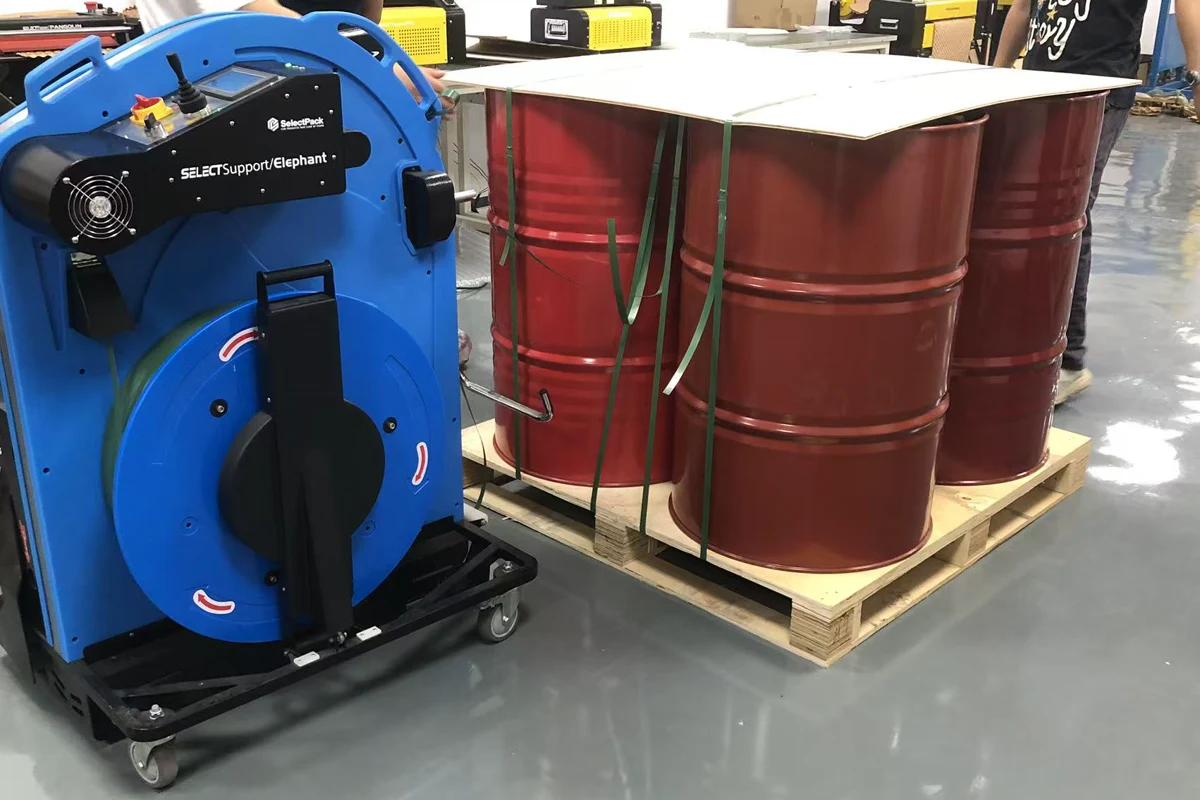
A battery-powered handheld tool is generally about portability and manual flexibility. The operator still works around the pallet, positions the strap, and handles much of the process. A mobile pallet strapping machine is more about workflow support. It can help bring the strapping process to the pallet and reduce some of the repeated manual tasks associated with pallet handling.
Before comparing products, buyers should define the actual problem: Is the goal faster sealing, less walking around pallets, better consistency, reduced operator strain, or better flow through a staging area?
Battery-Powered Tools vs Mobile Pallet Strapping Machines
Battery-powered strapping tools can fit operations where operators need flexible movement and where load variety is high. They may be appropriate for lower-volume work, irregular loads, or situations where a full machine is not practical. Their strength is flexibility.
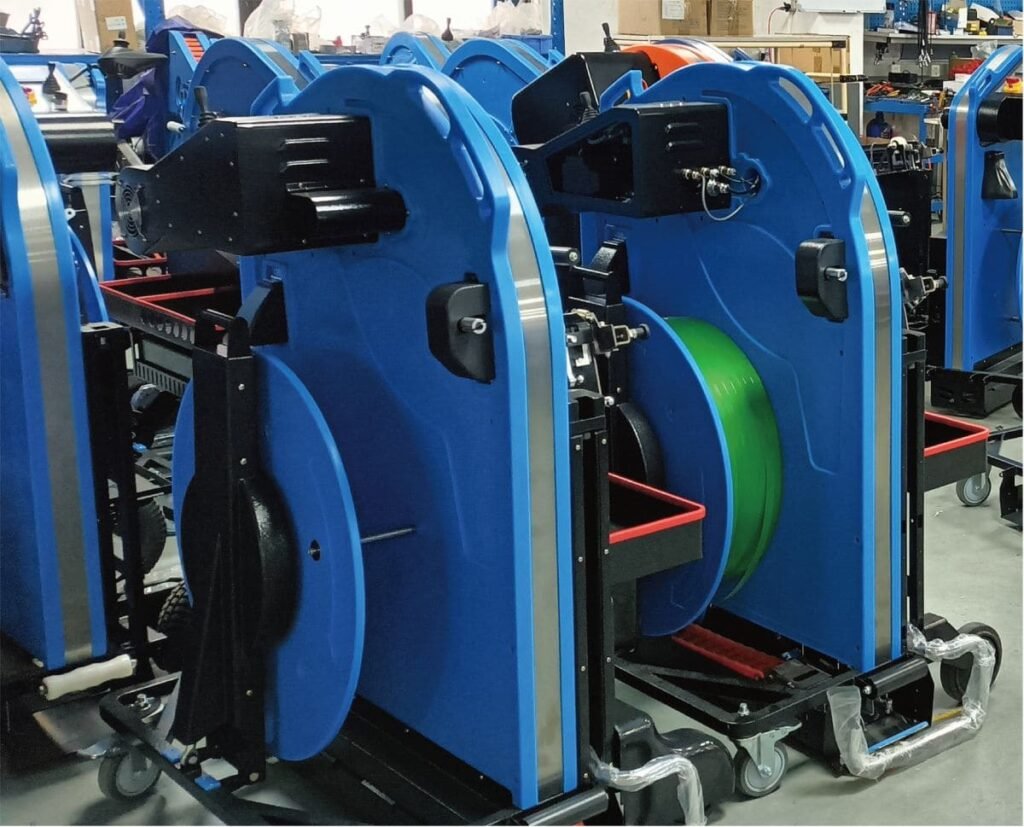
Mobile pallet strapping machines are different. They can support a more structured strapping workflow while still keeping mobility. In facilities where pallets are staged in different areas, a mobile solution can be more practical than moving every pallet to a fixed station. It may also help teams standardize the strapping process across shifts.
The tradeoff is that a mobile machine may require more planning around space, handling, and operator process. A handheld tool may be simpler, but it may not solve workflow pain points such as repeated bending, walking, or manual strap handling.
Workflow Fit Comes First
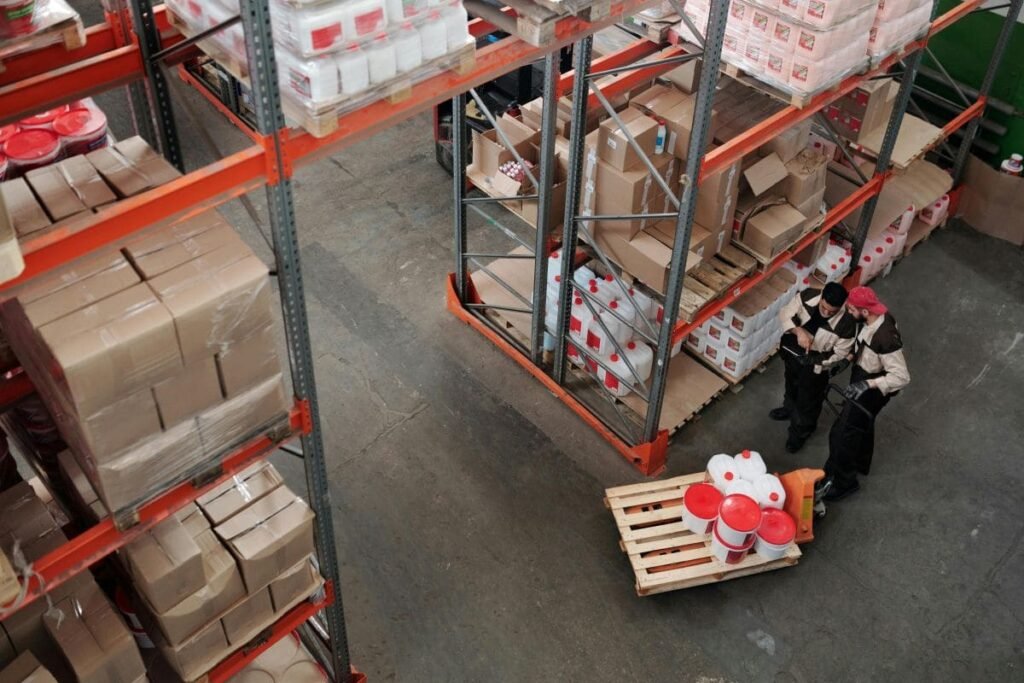
Workflow should drive the equipment decision. Ask where pallets are strapped today, how far operators walk, how many straps are applied per load, and whether pallets are consistent or mixed. If the process happens in multiple staging zones, mobility may be important. If the work happens at a fixed pack station, another setup may fit better.
Also consider how often operators repeat the same motion. If the main issue is tool performance, a battery-powered tool may be enough. If the main issue is pallet movement and operator handling, a mobile pallet strapping machine may deserve closer review.
Ergonomics and Operator Consistency
Ergonomics should be discussed carefully and factually. A better strapping workflow may reduce unnecessary movement or improve process consistency, but buyers should avoid assuming that any machine automatically solves every operator strain issue.
Instead, evaluate the actual task. How often does the operator bend? How is the strap fed? Where is the tool held? How heavy are the loads? Can the pallet be approached safely and consistently? A demo or workflow review can help identify whether the equipment supports the operator’s day-to-day work.
Strap Material, Tension, and Sealing
Equipment choice must match the strap material, tension requirements, and load type. Buyers should confirm whether the tool or machine is compatible with the intended strap and application. Do not assume that every electric solution handles every material or strap size.
If loads vary widely, compatibility checks become more important. A solution that works for one product may not be ideal for another. When requesting guidance, provide the expected strap material, load type, dimensions, and any current issues with tension or sealing.
How to Compare Options in a Real Facility
A useful comparison should happen around the actual pallet flow. Walk through a typical shift and note where the operator picks up the tool, where the strap is stored, how the strap is fed around the pallet, and how often the operator changes location. Also note whether the same person straps every pallet or whether the task changes between shifts.
If the main bottleneck is sealing or tensioning, a battery-powered tool may solve the immediate issue. If the bottleneck is physical movement around pallets, inconsistent staging, or repeated strap handling, the buyer should compare a mobile pallet strapping machine. If the pallet flow is consistent and volume is high, automation may also enter the discussion.
The buyer should also ask how each option affects training. A tool that is easy for one experienced operator may not be easy for a rotating team. A mobile machine may create a more repeatable process, but only if the facility has the space and workflow discipline to use it consistently.
Signs the Search Term May Be Too Broad
The phrase electric pallet strapper is broad. It can attract buyers looking for a handheld tool, a pallet strapping machine, or even general electric strapping equipment. That makes the article useful, but it also requires careful framing. The first section should explain the difference between equipment categories so readers can self-select the right path.
This also protects product fit. SelectPackTech strapping machine guidance should not force a mobile machine recommendation when a handheld tool is the better answer, and it should not treat every battery tool inquiry as a pallet-machine inquiry. The article should guide the buyer toward a fit discussion.
Practical Buying Guidance
Start with a simple comparison: Is the operation mainly trying to improve the tool used by the operator, or is it trying to improve the entire pallet strapping workflow? If the answer is tool performance, compare handheld electric or battery-powered options. If the answer is pallet movement, repeated handling, and workflow consistency, compare mobile pallet strapping equipment as well.
Buyers should also look at support, parts, training, and documentation. A tool or machine is only useful if the team can operate it consistently and maintain it properly. SelectPackTech can help buyers compare application fit before choosing between electric strapping tools and mobile equipment.
If you are comparing electric pallet strappers, send SelectPackTech a short description of your pallet workflow, strap material, load type, and operator process. The team can help narrow the discussion to the equipment category that fits the work.
FAQ
Is an electric pallet strapper the same as a battery-powered strapping tool?
Not always. Some buyers use the terms interchangeably, but a handheld battery tool and a mobile pallet strapping machine are different equipment categories.
When does a mobile pallet strapping machine make more sense?
It may make sense when pallets are staged in multiple areas, when operators spend too much time moving around loads, or when the workflow needs more consistency than handheld tools can provide.
What should I confirm before buying?
Confirm load type, strap material, tension needs, workflow layout, operator process, support expectations, and product compatibility.
Can SelectPackTech help compare options?
Yes. SelectPackTech can review the application and help buyers evaluate whether a handheld tool, mobile machine, or another strapping approach is more practical.