E-commerce growth has dramatically increased the volume of small parcel shipments handled by warehouses and fulfillment centers. Every day, packing stations process hundreds or even thousands of orders that must be protected during transportation. As a result, reliable cushioning materials have become an essential part of modern packaging operations.
Traditionally, plastic bubble wrap has been one of the most widely used protective materials in e-commerce shipping. It provides lightweight cushioning and helps protect products from impact during transit. However, large-scale fulfillment environments are beginning to encounter several limitations with plastic-based packaging. Bulky rolls require significant storage space, and increasing environmental regulations are pushing businesses to reduce plastic use in their packaging operations.
At the same time, brands and logistics providers are actively looking for packaging solutions that improve operational efficiency while supporting sustainability goals. This shift has driven growing interest in paper-based cushioning materials.
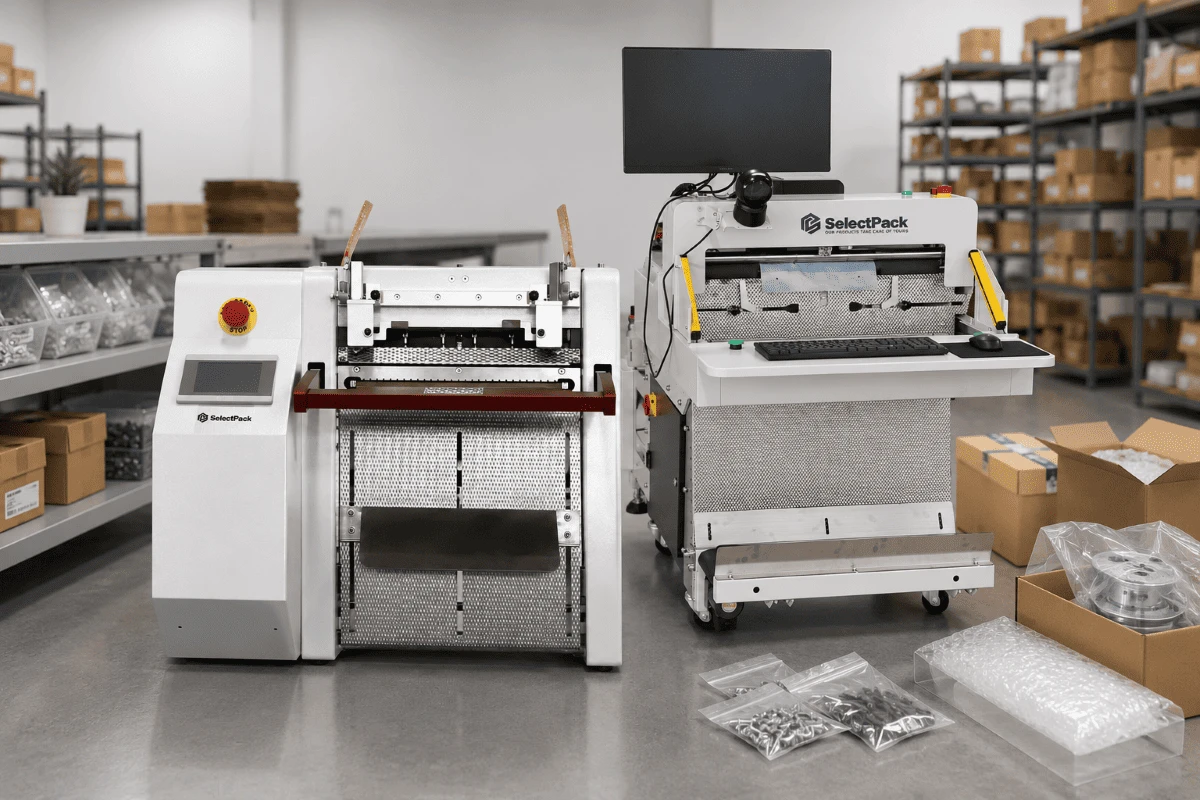
A paper bubble machine addresses many of these challenges by converting kraft paper rolls into structured paper bubble wrap directly at the packing station. Businesses evaluating this technology often start by understanding how a paper bubble machine works and where it fits within modern packaging operations.
Instead of storing bulky plastic cushioning materials, fulfillment centers can produce protective paper bubble packaging on demand. This approach helps streamline packaging workflows while offering a recyclable alternative to traditional plastic bubble wrap.
As e-commerce continues to expand, paper bubble machines are becoming an increasingly practical packaging solution for fulfillment centers and warehouse packing operations.
The Role of Protective Packaging in E-commerce Logistics
Protective packaging plays a critical role in ensuring products arrive safely at their destination, particularly in high-volume e-commerce fulfillment environments. During transportation, parcels are exposed to multiple handling stages, including sorting, loading, unloading, and last-mile delivery. Without proper cushioning, products inside shipping cartons may shift, collide with each other, or experience impact damage.
For e-commerce businesses, shipping damage can lead to product returns, replacement costs, and negative customer experiences. Even small damage rates can significantly affect operational costs when shipment volumes are high. As a result, fulfillment centers rely heavily on cushioning materials to protect products throughout the logistics process.
Paper bubble packaging offers a practical way to provide both surface protection and impact absorption. The embossed paper structure creates air pockets that help distribute pressure and reduce shock during handling. Compared with flat packing paper, this bubble structure provides improved cushioning performance.
Preventing Shipping Damage During Transit
Packages often pass through automated sorting systems and multiple transportation stages before reaching the customer. During these processes, cartons may be stacked, dropped, or compressed. Cushioning materials such as paper bubble wrap help absorb these external forces and protect fragile items inside the box.
By wrapping products or placing cushioning material around them, fulfillment centers can significantly reduce the risk of breakage and surface damage. For more information about protective packaging solutions, see our guide on air cushion packaging.
Maintaining Product Stability Inside Cartons
Another key purpose of protective packaging is maintaining product stability. When empty space remains inside a shipping box, products may move freely during transit. This movement increases the likelihood of impact damage.
Using cushioning materials such as paper bubble wrap helps fill gaps inside the carton and keeps products securely positioned. Stabilizing the contents of the box is especially important for fragile goods, electronics, and items with delicate surfaces.
Product Wrapping Applications for Fragile and Small Items
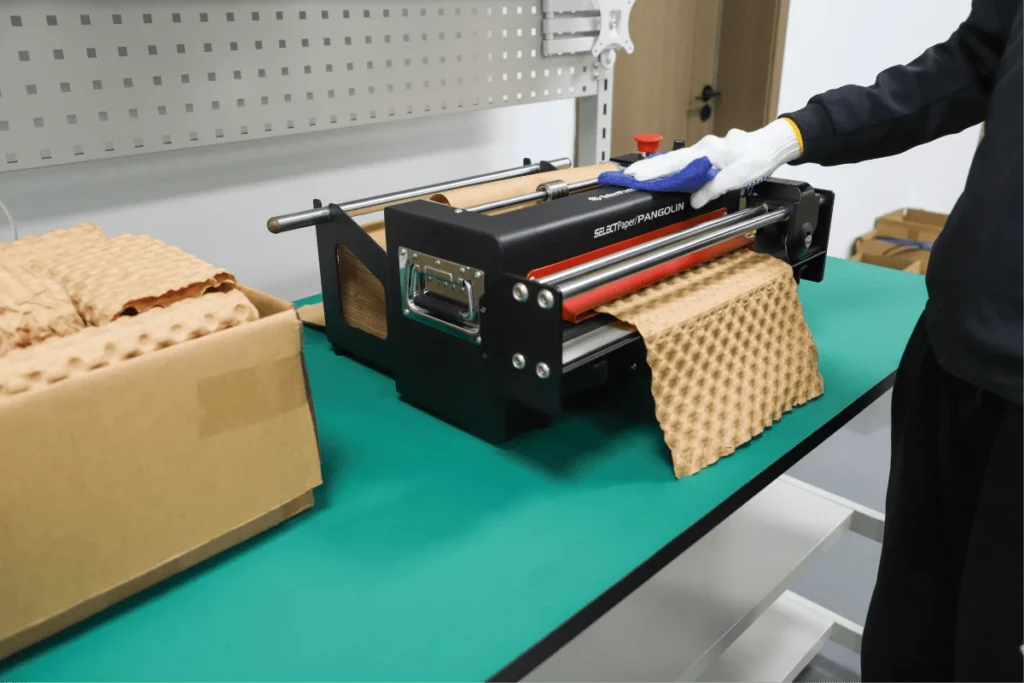
One of the most common applications of paper bubble packaging in e-commerce operations is product wrapping. Before products are placed inside shipping cartons, they are often wrapped with cushioning material to protect their surfaces and edges.
Paper bubble wrap provides a flexible protective layer that conforms to the shape of the product. Because the material is lightweight and easy to handle, it allows packing staff to quickly wrap items during the packaging process.
Protecting Fragile Products
Many e-commerce businesses ship products that are sensitive to impact or pressure. These may include consumer electronics, glass containers, cosmetics, or decorative items. Wrapping these products with paper bubble packaging helps create a protective buffer that reduces the risk of breakage.
The embossed paper structure distributes pressure more evenly around the product surface. This helps absorb shocks that may occur when packages are handled or transported. See our article on paper bubble versus plastic bubble wrap for detailed performance comparison.
Wrapping Lightweight E-commerce Products
Not all items require heavy-duty protective packaging. Many online retailers ship lightweight products such as small consumer goods, accessories, or retail merchandise. For these items, paper bubble wrap provides sufficient protection while keeping packaging materials lightweight.
The material can easily adapt to irregular product shapes and sizes. This flexibility makes it suitable for a wide range of e-commerce packaging applications, from small retail items to moderately fragile goods.
Void Fill for Carton Stabilization
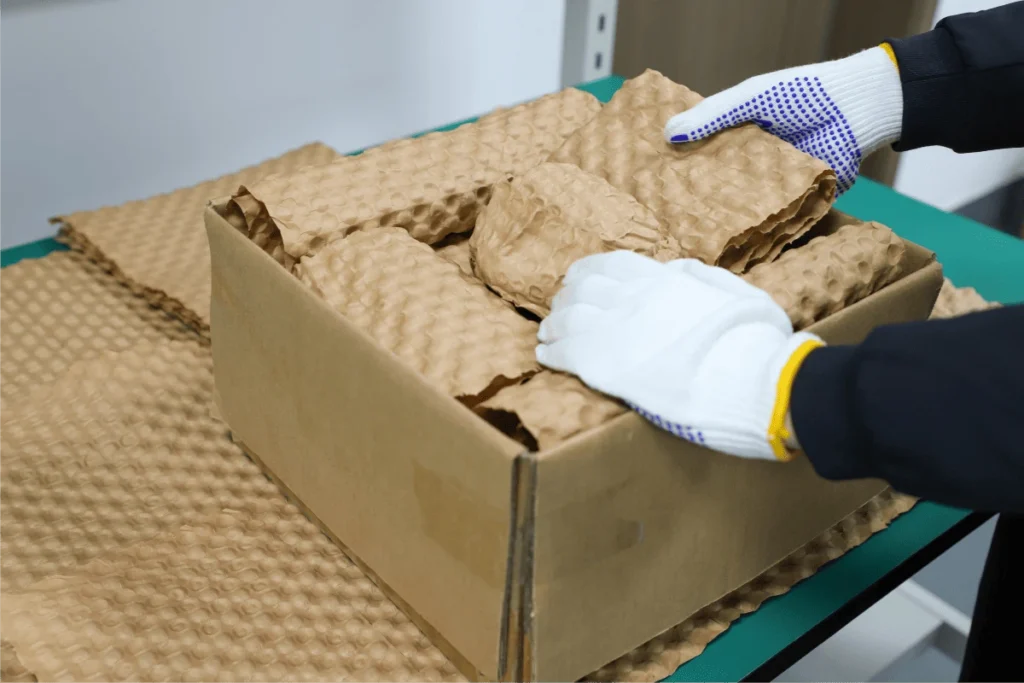
In addition to product wrapping, another important application of paper bubble packaging is void fill. Void fill refers to the use of cushioning material to fill empty spaces inside a shipping carton.
When there is unused space inside the box, products can shift during transportation. This movement increases the likelihood of impacts and collisions between items. Filling these gaps with cushioning material helps stabilize the contents and reduces the risk of damage.
Preventing Product Movement in Shipping Boxes
One of the main goals of void fill is preventing products from moving inside the carton. By placing paper bubble wrap around the product or between multiple items, packing staff can create a more stable packaging environment.
The structured bubble texture provides both cushioning and friction, helping keep products in position throughout the shipping process.
Improving Impact Protection During Transportation
Void fill materials also act as a protective buffer between the product and the outer walls of the shipping box. When external forces are applied to the carton, the cushioning layer absorbs part of the energy before it reaches the product.
Using paper bubble packaging for void fill allows fulfillment centers to improve protection while maintaining efficient packing workflows. Because the material can be produced on demand using a paper bubble machine, warehouses can generate the exact amount of cushioning needed for each shipment without storing large volumes of packaging materials.
Interleaving and Layer Protection in Multi-Item Orders
In many e-commerce shipments, multiple products are packed into a single shipping carton. While this improves logistics efficiency and reduces shipping costs, it can also create new packaging challenges. When products are stacked or placed closely together, friction and pressure between items may cause surface scratches or minor damage.
Paper bubble packaging can be used as an interleaving material to separate products within the carton. This approach provides several benefits:
Preventing Friction and Surface Damage: By placing a layer of paper bubble wrap between products, packing staff can prevent direct contact and friction that may cause scratches or cosmetic damage.
Stabilizing Multi-product Shipments: Interleaving materials help organize products within the carton and reduce shifting during transit. This creates a more stable package that is less susceptible to impact damage.
Improving Packing Station Efficiency with Paper Bubble Machines
On-Demand Cushioning Production
A key advantage of paper bubble machines in e-commerce fulfillment is the ability to produce cushioning material on demand. Instead of pre-ordering and storing finished bubble wrap rolls, fulfillment centers can generate paper bubble packaging as needed.
This approach offers several operational benefits:
Reduced Storage Requirements: Kraft paper rolls are compact and flat before embossing. This dramatically reduces the storage footprint compared to bulky plastic bubble wrap rolls. For fulfillment centers operating in high-cost warehouse locations, this space savings can translate directly into reduced operational overhead.
Improved Inventory Management: By consolidating multiple plastic SKUs into a single paper roll supply, fulfillment centers can simplify procurement and reduce inventory complexity.
Flexible Material Usage: Operators can adjust the length of cushioning material produced for each shipment. This reduces waste and ensures that the right amount of material is used for each order.
For information about equipment options, see our guide on best paper bubble machines for small businesses.
Reducing Packaging Material Storage Requirements
E-commerce fulfillment centers often operate in space-constrained environments where every square foot of warehouse space has significant cost implications. Traditional plastic bubble wrap requires dedicated storage areas for multiple roll sizes and thicknesses.
Paper bubble machines eliminate the need for extensive pre-made material inventory. Instead, fulfillment centers maintain a supply of compact kraft paper rolls that can be processed into cushioning material as needed.
This reduction in storage requirements can free up valuable floor space for other operational activities, such as product staging, sorting, or additional packing stations.
Supporting Sustainable Packaging Goals in E-commerce
Many e-commerce brands are making public commitments to reduce plastic usage and improve packaging sustainability. Adopting paper bubble machines directly supports these goals and provides measurable progress toward environmental objectives.
Replacing Plastic Bubble Wrap with Paper Alternatives: Paper bubble machines convert kraft paper into protective cushioning without relying on petroleum-based plastic materials. This substitution aligns with corporate sustainability initiatives and reduces the environmental footprint of packaging operations.
Using Recyclable Kraft Paper for Protective Packaging: Unlike plastic bubble wrap, which often ends up in landfills or requires specialized recycling infrastructure, paper-based cushioning integrates seamlessly into standard paper recycling streams. This circular approach supports end-to-end packaging sustainability.
Conclusion: Why Fulfillment Centers Are Adopting Paper Bubble Machines
The adoption of paper bubble machines in e-commerce fulfillment centers reflects a broader shift toward sustainable, efficient, and cost-effective packaging solutions. As e-commerce volumes continue to grow, fulfillment centers face increasing pressure to optimize operations while meeting sustainability expectations.
Paper bubble machines address these challenges by:
•Improving operational efficiency through on-demand production and reduced storage requirements
•Supporting sustainability goals by replacing plastic materials with recyclable paper alternatives
•Reducing costs through lower material prices, reduced storage overhead, and improved inventory management
•Maintaining product protection through reliable cushioning performance across diverse product types
For e-commerce businesses, logistics providers, and fulfillment centers, paper bubble machines represent a practical investment in packaging optimization. Rather than simply replacing one material with another, adopting this technology enables a more strategic approach to packaging that balances operational efficiency, cost management, and environmental responsibility.
As customer expectations for sustainable packaging continue to evolve, fulfillment centers that adopt paper-based cushioning solutions position themselves as environmentally conscious operators while improving their bottom line. For more information about our paper bubble machine products and solutions, visit our product page or contact SelectPack today.
FAQ: Paper Bubble Machines in E-commerce Packaging
What is a paper bubble machine used for?
A paper bubble machine converts flat kraft paper rolls into embossed paper bubble wrap. In e-commerce fulfillment centers, it is used to produce protective cushioning material on demand for product wrapping, void fill, and interleaving applications.
Is paper bubble wrap strong enough for shipping?
Yes, paper bubble wrap provides sufficient protective performance for most e-commerce shipments. The embossed structure creates cushioning through mechanical deformation rather than trapped air, offering reliable impact protection for lightweight to moderately fragile items.
Why are fulfillment centers switching to paper bubble packaging?
Fulfillment centers are switching to paper bubble machines for three main reasons: reduced storage requirements, lower environmental impact, and improved operational efficiency. Paper-based cushioning also aligns with corporate sustainability goals and customer expectations for recyclable packaging.
Can paper bubble machines improve packing efficiency?
Yes, paper bubble machines can significantly improve packing station efficiency by enabling on-demand production of cushioning material. This reduces handling time, minimizes waste, and allows operators to produce the exact amount of material needed for each shipment.
What types of businesses use paper bubble machines?
Paper bubble machines are used by e-commerce fulfillment centers, logistics providers, retail warehouses, and any business that ships products requiring protective cushioning. They are particularly valuable for operations handling high shipment volumes and sustainability-conscious brands.
Related Articles
•What Is a Paper Bubble Machine? Complete Guide
•How Does a Paper Bubble Machine Work? From Flat Paper to Protective Cushioning
•Paper Bubble vs Plastic Bubble Wrap: Which Packaging Solution Makes Sense for Businesses?
•Why More Warehouses Are Switching to Paper Bubble Machines
•Industrial Paper Bubble Machines for High-Volume Packaging Operations
•How to Choose the Best Paper Bubble Machine for Small Businesses
•Paper Bubble Machine vs Bubble Wrap Cost: Which Packaging Option Saves More?
•Paper Bubble Machine ROI: Cost Savings for Warehouses and E-commerce Fulfillment Centers
External Resources
•EPA Sustainable Materials Management
•Packaging Dive: E-commerce Packaging and Sustainability
•American Packaging Association – Sustainable Packaging Standards