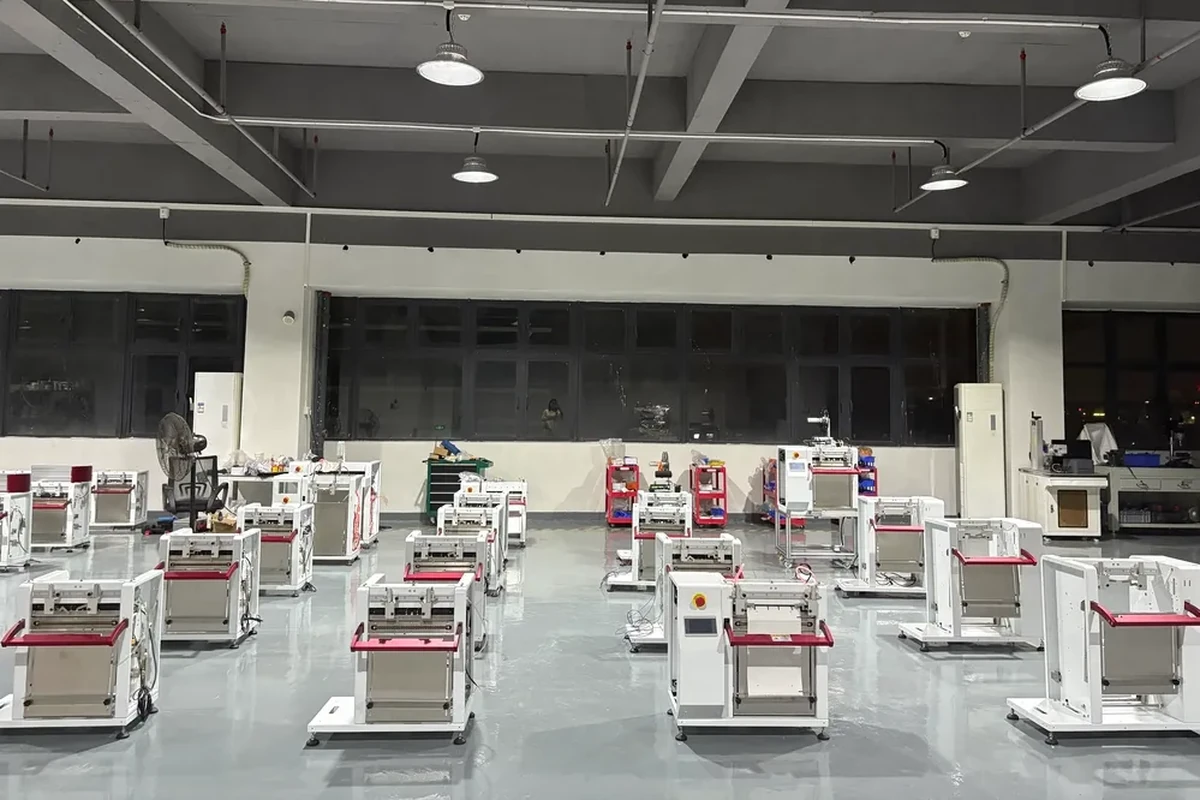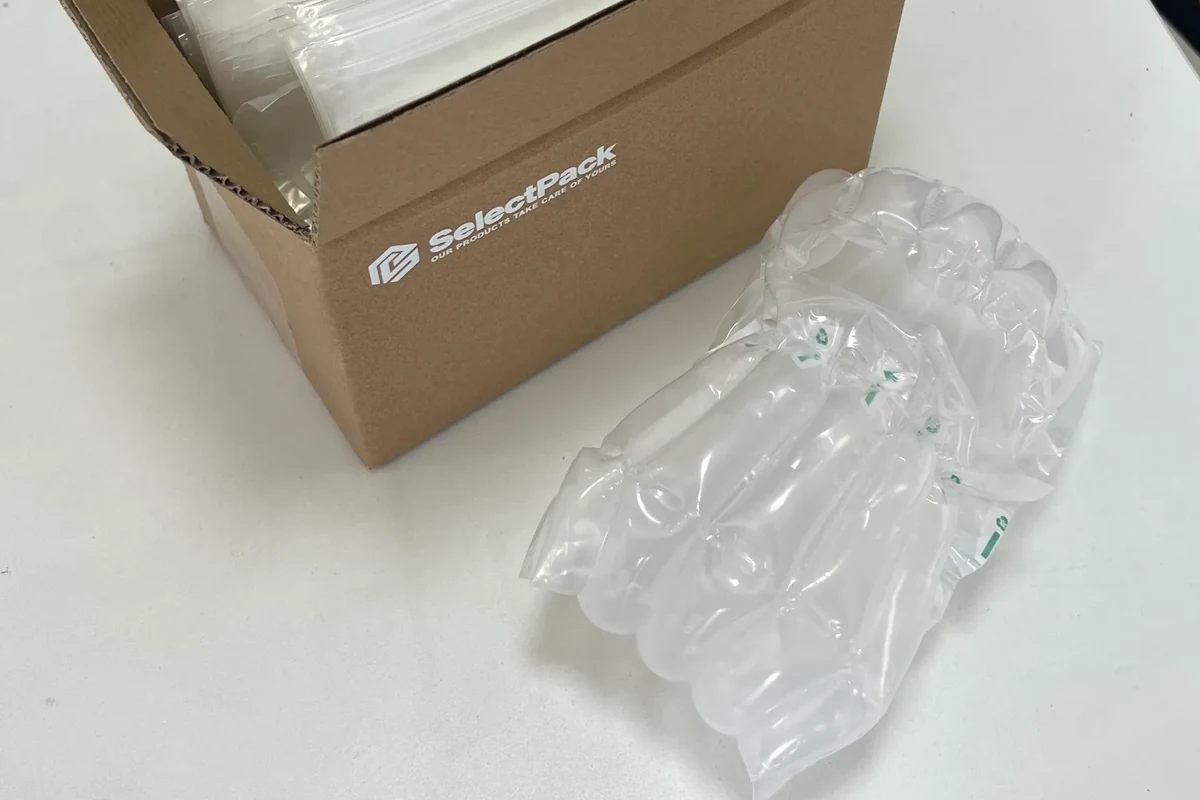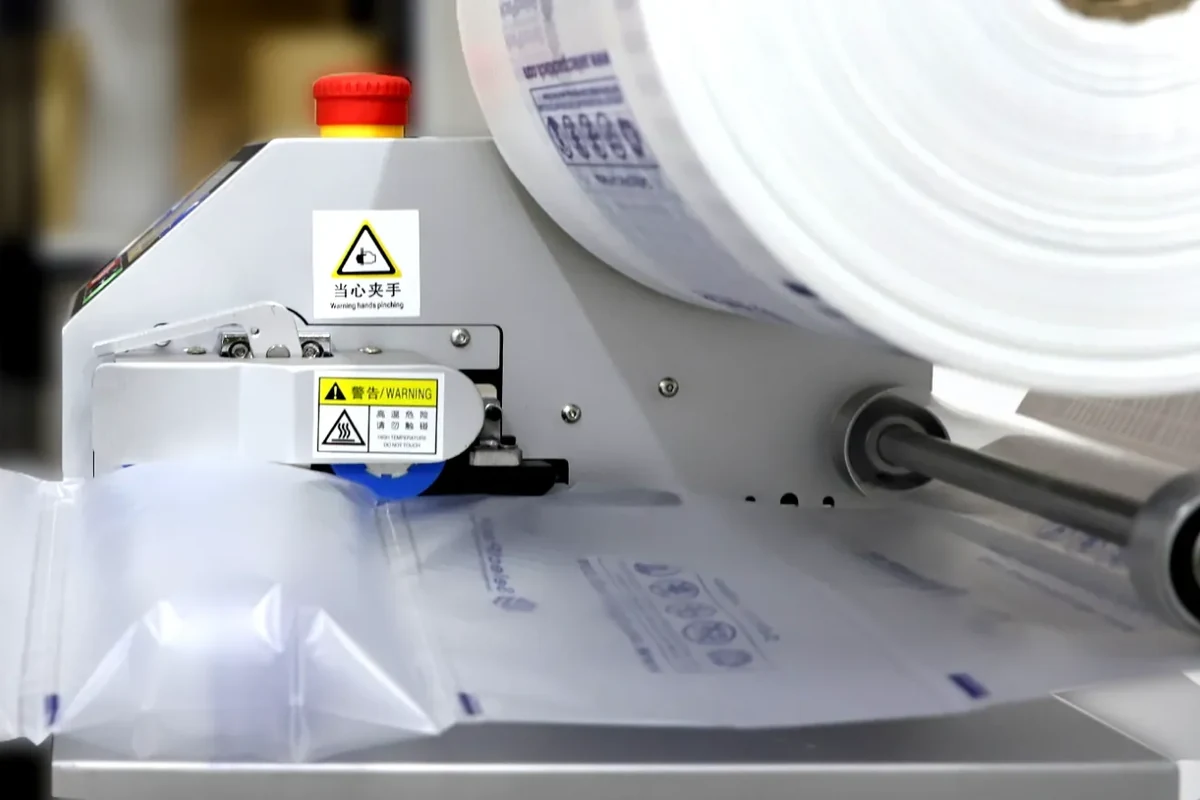
An auto bagger acceptance test should demonstrate the purchased configuration performing agreed tasks with representative products and bags. Define the tasks and pass criteria before the trial, count accepted packs rather than machine cycles, and close recorded deviations before the agreed acceptance decision.
A short demonstration of several good bags is useful for an initial application check. A factory acceptance test, or FAT, needs a documented scope: which machine, accessories, materials, operating conditions, and results the buyer and supplier are approving.
Use the FAT to resolve uncertainty about the proposed packing process. Factory results do not automatically establish performance in the buyer’s facility, validate shipping protection, or certify every safety and regulatory requirement.
Freeze the Configuration That the Test Will Cover
Record the exact equipment configuration before choosing samples. The test result belongs to that configuration, not to every machine sharing the same product-family name.
Identify the bagger model and version, installed accessories, printer where included, control or recipe reference, and the agreed method of loading. Add the product-contact and transfer components relevant to the application. Match these items to the quotation and its equipment list.
Separate included functions from proposed additions. Bag presentation, operator loading, counting, weighing, code inspection, reject handling, and connection to an external system each need a stated responsibility. A manually loaded machine should be evaluated with the intended manual process; an unquoted feeder cannot be treated as part of the accepted result.
Record utility and site assumptions, including the requirements for the exact configuration. If a factory trial uses different material presentation, staffing, or downstream handling from the planned station, identify that difference and the task still requiring confirmation at the buyer’s site.
Changes during the trial need an updated record. If a different bag, guide, print setting, or software version produces the passing result, that revised configuration is the one requiring approval.
Build the Matrix from Products, Bags, and Operating Tasks
Choose samples that expose meaningful application differences. Repeating an easy SKU does not establish handling of the buyer’s sharp hardware, bulky kit, or different bag format.
Record each product’s identity, dimensions, unit weight, relevant shape or edge features, and quantity per bag. For kits, also record the total filled-pack weight and the intended loading or discharge method. Record the bag supplier, material reference, width, length, thickness, format, and batch where relevant. Use material that represents the intended order rather than an unidentified demonstration roll.
The following matrix is a planning example, not a required universal FAT protocol:
| Test task | Sample or condition | Resultado a registrar |
|---|---|---|
| Representative packing | Approved product and bag pair | Accepted packs and observed defects |
| Loading challenge | Kit, bulky shape, or exposed edge | Transfer problems and pack condition |
| Required marking | Approved print job and filled bag | Data, mark position, and specified checks |
| Material replenishment | Normal roll or product refill | Recovery steps and affected packs |
| Normal pause and restart | Approved operating sequence | Pack status and resumed job |
| Job transition | Second released product and bag setup | Clearance and first-pack approval |
Give each row a test ID and link it to its acceptance criteria. Several rows can use the same SKU when they answer different questions. Conversely, products with different loading risks need separate evidence even if their bag sizes match.
For multi-component kits, use the hardware kit packaging checks to define content confirmation. The FAT must distinguish kit assembly and checking from the machine’s bag-handling task.
Set Pass Criteria before Observing the Result
Agree on what constitutes an accepted pack and how each requirement will be assessed. Choosing a threshold after seeing the output makes the acceptance decision unclear.
Describe the required contents, allowed product condition, bag fit, closure condition, and identification. Specify how seal quality will be evaluated for the product and bag. A visually closed bag and a closure that meets the agreed handling requirement are different observations.
Where printing is included, define the required fields, source data, position, and customer acceptance requirements. Use the Guía de verificación de códigos de barras para ensacadoras automáticas to separate symbol quality, encoded content, and association with the filled pack.
Agree on sample quantities, run intervals, inspection frequency, and any required output or reject criteria for the application. This guide does not prescribe a universal test duration or pass percentage. The chosen plan should represent the tasks and variation that prompted the purchase.
State the disposition of trial packs and the approval authority. Tests involving known missing components or incorrect print data need clearly identified, controlled samples and an approved method. They should not require defeating guards, creating unsafe mechanical faults, or sending suspect packs into customer shipments.
Count Accepted Output and Record Operator Intervention
Report accepted-pack output over the agreed interval, together with rejects, trial samples, and interruptions. Machine cycles alone omit failed packs and the work needed to make the process usable.
Define the start and end of the interval and which activities it includes. Record elapsed time, accepted packs, rejected packs, and planned test samples separately. Keep packs awaiting inspection outside the accepted count until their status is resolved. If a startup phase is reported separately, make its duration and output visible rather than silently excluding it.
For an operator-loaded bagger, record the number of operators and the steps they perform: preparing product, loading, confirming contents, starting the cycle, collecting packs, and inspecting. A factory specialist preparing kits outside the timed interval changes the result compared with one operator doing those tasks at the intended station.
Log intervention by reason. Product bridging, a bag-opening problem, print correction, material refill, and downstream congestion point to different causes. Record the affected test ID, time, action, and disposition of the involved packs.
An agreed output target should reflect the entire task under the stated conditions. Keep a supplier’s maximum cycle figure distinct from the demonstrated accepted-pack result.
Observe Replenishment, Restart, and the Next Job
Normal transitions show whether the packing process can return to a controlled state after an interruption. Include the transitions the buyer will actually perform, using the manufacturer’s approved procedures.
Observe a representative roll change or product replenishment. Record access, material identification, setup work, and the checks before production resumes. A refill that adds a new component batch may require traceability confirmation even when machine settings are unchanged.
During a normal stop and restart, account for product in preparation, an open or marked bag, finished packs, and any pending print task. Confirm which job resumes and how the operator identifies material needing inspection. Document the quoted system’s response rather than assuming automatic recovery or rejection.
For mixed-SKU operation, include a transition to a second job. The Lista de verificación para el cambio de la máquina de ensacado provides the material-clearance and first-pack approval sequence. The FAT record should capture both the result and the work required to achieve it, without promising a standard number of minutes.
Manufacturer-specified safety-function testing belongs in a defined procedure performed by qualified personnel. Agree on the required documentation and responsibilities; a buyer’s production trial does not replace those tests or automatically establish regulatory conformity.
Close Deviations with a Documented Retest
A failed requirement remains open until the agreed correction and retest establish its status. A verbal assurance that the supplier will adjust the machine later is not equivalent to a passing result.
Use a deviation log with the requirement, observed result, affected samples, responsible party, corrective action, and retest reference. Distinguish an equipment correction from a change in the buyer’s accepted packaging specification. Both can resolve a problem, but they change different parts of the approval basis.
Retest the corrected task and any related task affected by the change. For example, a setting that improves one bag format still needs review against other formats included in the purchase. Preserve the original result so that the final record explains what changed.
At sign-off, record passed items, any explicitly agreed outstanding items, their owners, and the resulting acceptance status. Confirm which settings, material references, operating instructions, and other agreed documents accompany the delivered configuration.
Turn the FAT Plan into a Specific Application Request
Send SelectPack the proposed matrix with representative products and bags, required identifiers, the operator sequence, and acceptance criteria. Include the factory-versus-site differences that require a separate installation or site acceptance check.
El Gama de máquinas ensacadoras automáticas SelectPack is the commercial starting point for matching that task to an equipment configuration. Ask the supplier to identify which functions are included, which need separate evaluation, and which responsibilities remain in the packing process.
Keep transport-packaging validation separate from bagger acceptance. A machine trial establishes the recorded packaging operation under its test conditions; protection through the distribution route needs its own packaging and testing plan. This leaves procurement with a clear decision: what has been demonstrated, what has been corrected, and what still needs confirmation at the operating site.