In modern e-commerce and warehouse operations, packaging has become one of the most critical parts of the workflow. As order volumes grow rapidly, traditional manual packaging struggles to keep up—efficiency drops, mistakes occur, and issues like missing items, weak seals, and higher return rates arise. At the same time, labor costs continue to climb, and more operators are needed to maintain the same packaging speed, adding pressure on overall operations.
For decision-makers, the main concern when investing in automation isn’t the brand or technical specs—it’s return on investment (ROI): how quickly the money spent can be recovered through cost savings and efficiency gains. ROI is the key metric to evaluate the real value of an auto bagging machine in daily operations.
In this article, we’ll break down the value of an auto bagging machine for e-commerce warehouses, show how to calculate ROI, provide real-world examples, and share strategies to maximize ROI—helping you quickly assess whether the investment makes sense.
What Costs Can an Auto Bagging Machine Help You Save?
An auto bagging machine integrates bag opening, filling, and sealing into a single automated process. It can dramatically boost packaging efficiency while reducing costs across multiple areas:
Labor Costs
Manual packaging depends on operator speed and skill, which can fluctuate. By introducing an auto bagging machine, part of the labor can be replaced, or operators can focus on less repetitive tasks, reducing total labor hours. For example:
- A medium-sized e-commerce warehouse processes 3,000 orders per day. Manual packaging takes 2 minutes per order, totaling ~100 labor hours per day.
- With an auto bagging machine, each order takes 30 seconds, reducing total hours to 25 per day.
- This saves 75 hours daily. At $20/hour labor cost, daily savings reach $1,500, or roughly $45,000 per month.
Packaging Material Costs
Auto bagging machines often work with precise filling systems, controlling the amount of material used per bag and avoiding waste. Compared to manual operations, automation ensures:
- Fewer bags used
- Accurate control of filling material
- Lower overall packaging material costs
For high-volume warehouses, material savings can reach thousands to tens of thousands of dollars per month—especially when plastic or paper filler costs are high.
Returns and Error Costs
Manual packaging can result in weak seals, missing items, or incorrect packing, which leads to returns, re-shipments, and customer complaints. An auto bagging machine can:
- Ensure every bag is securely sealed
- Reduce missing items and packing errors
- Improve customer satisfaction
Reducing returns and errors not only saves direct costs but also minimizes extra logistics and customer service expenses.
Core Metrics for ROI Calculation
To calculate the ROI of an auto bagging machine, focus on these key metrics:
Initial Investment
Includes the purchase price, installation, and supporting equipment like conveyors or stands. Fully automatic machines require higher upfront investment but deliver greater throughput gains.
Annual Operating Costs
Covers electricity, maintenance, and labor. Controlling operating costs is critical, as downtime and inefficient operation directly affect savings.
Efficiency Gains
Auto bagging machines significantly increase packaging speed and throughput, completing more orders per hour. Efficiency gains reduce labor costs and order processing delays.
Total Savings
Combines labor, material, and error/return cost savings into an annual total—this figure is central for ROI calculations.

How to Calculate ROI
Estimating Savings
- Labor Savings: Compare labor hours before and after automation, multiplied by hourly wage.
- Material Savings: Track the difference in packaging material usage pre- and post-automation, multiplied by material cost per unit.
- Error/Return Savings: Use historical return rates, error rates, and associated costs.
Example Calculation
Assume a medium-sized warehouse:
- Initial Investment: $120,000 (equipment + installation + supporting facilities)
- Annual Labor Savings: $540,000
- Annual Material Savings: $60,000
- Error/Return Savings: $30,000
Total Annual Savings: 540,000 + 60,000 + 30,000 = $630,000
ROI: (630,000 ÷ 120,000) × 100% ≈ 525%
Payback Period: 120,000 ÷ 630,000 ≈ 0.19 years (~2–3 months)
This example shows that an auto bagging machine in a medium-sized warehouse can pay for itself quickly and deliver clear economic benefits.
Case Studies
Small Warehouse
- 1,000 orders/day
- Manual packaging: 3 minutes/order
- Auto bagging machine: 45 seconds/order
- Annual labor savings: ~$180,000
- Payback: ~4 months
Large Fulfillment Center
- 10,000 orders/day
- Manual packaging: 1,000 labor hours/day
- Auto bagging machine: 30 seconds/order
- Annual labor savings: $2,000,000
- Material savings: $200,000
- Payback: ~1–2 months
- Order accuracy improves 15%, significantly reducing returns
Investment vs. Savings vs. Payback Example Table
| Warehouse Type | Total Investment | Annual Savings | ROI (%) | Payback Period |
| Small Warehouse | $50,000 | $180,000 | 360% | 4 months |
| Medium Warehouse | $120,000 | $630,000 | 525% | 2–3 months |
| Large Fulfillment | $350,000 | $2,200,000 | 629% | 2 months |
Strategies to Maximize ROI
Choose the Right Model
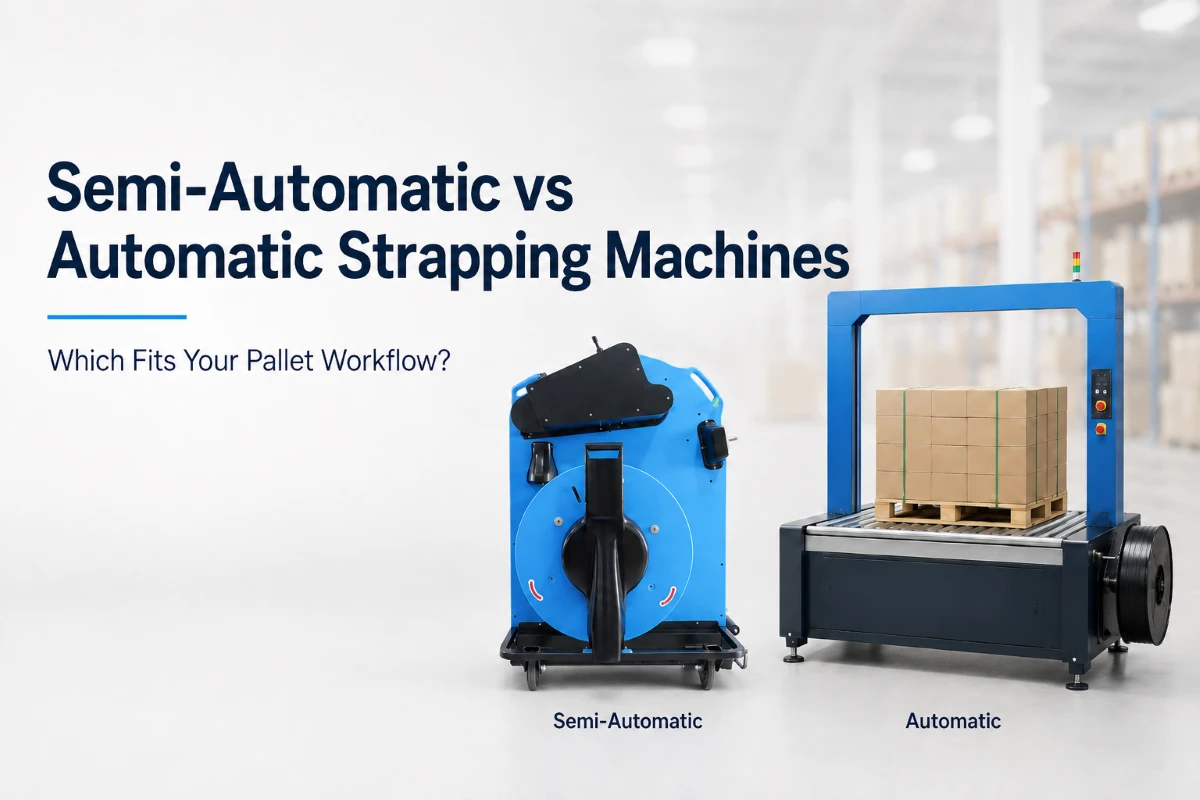
- Select semi-automatic or fully automatic based on order volume and product mix
- Match machine capacity to warehouse needs to avoid under- or over-investment
Optimize Station Layout
- Place the auto bagging machine at key workflow points
- Integrate with conveyors or auxiliary equipment to maximize throughput
Train Staff and Maintain Regularly
- Train operators for proficient machine use
- Schedule regular maintenance to ensure smooth operation
- Prevent downtime that reduces efficiency and increases costs
Conclusion
An auto bagging machine can dramatically reduce labor and material costs while improving packaging speed and order accuracy. Quantifying ROI allows warehouses to:
- Clearly see return and payback periods
- Optimize operations and increase overall efficiency
- Make informed decisions for future upgrades or expansion
Proper ROI assessment is critical when investing in automation—it ensures that every dollar spent delivers real value. With nearly 20 years of packaging experience, we’ve helped many companies optimize their operations and are ready to assist you as well.
FAQ
Q1: How long does it take for an auto bagging machine to pay for itself?
A: Depends on warehouse size and order volume. Medium warehouses: 2–4 months; small warehouses: 4–6 months; large fulfillment centers: 1–2 months.
Q2: Is there a big ROI difference between semi-automatic and fully automatic machines?
A: Fully automatic machines cost more but deliver higher throughput and efficiency, usually resulting in a shorter payback period. Semi-automatic machines are lower cost and suitable for smaller warehouses.
Q3: How can I reduce maintenance costs?
A: Regularly clean and inspect electrical and mechanical parts, train operators properly, and use original manufacturer components to minimize breakdowns and maintenance expenses.
Q4: Is it worth investing in an auto bagging machine for a small warehouse?
A: Yes, especially as order volumes grow. Even small warehouses can save significant labor costs and reduce errors.
Q5: What hidden costs are often overlooked in ROI calculations?
A: Machine downtime, operator training, material waste control, and logistics/returns costs all affect the actual ROI.