
Protective Packaging for Aerospace Components
Evaluate packaging for machined parts, MRO spares, finished assemblies and other sensitive aerospace components—starting with the part, handling risks and validation requirements.
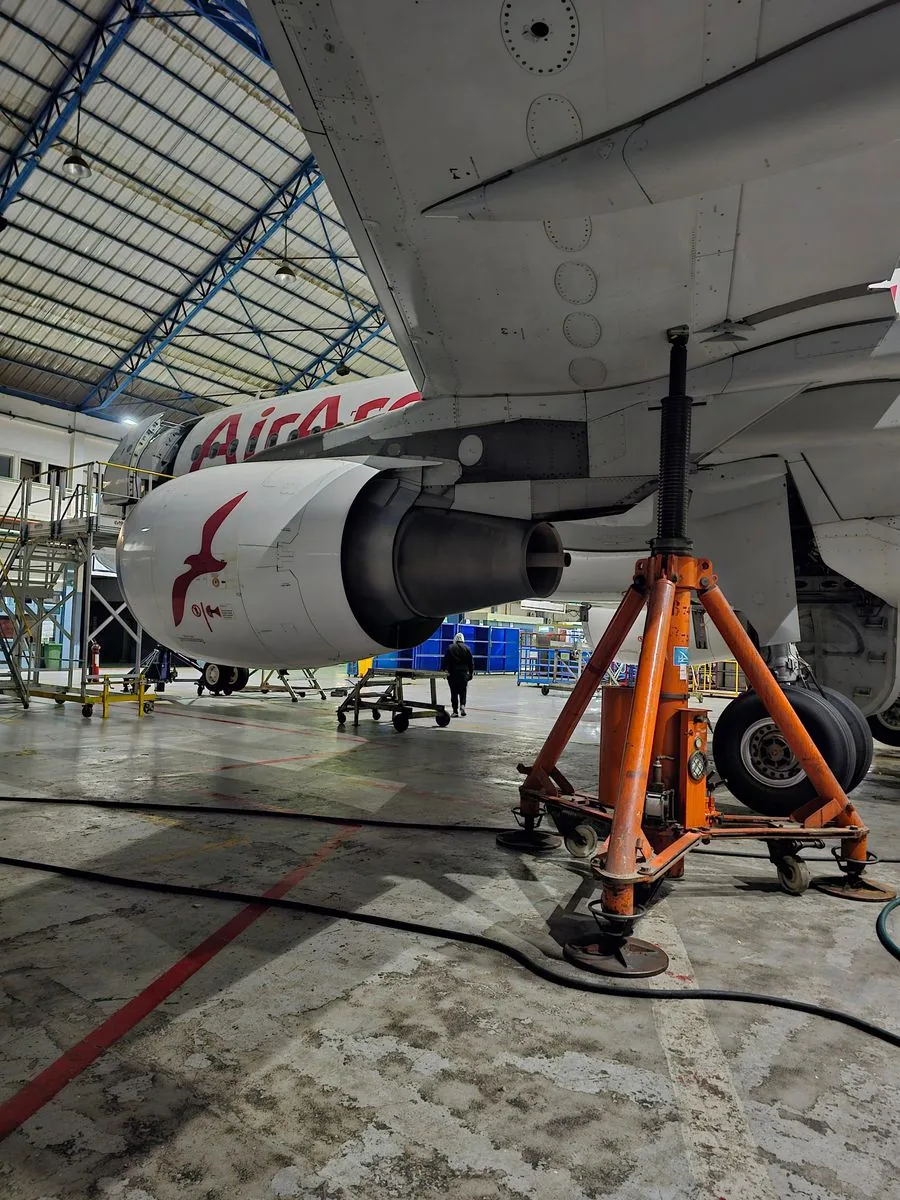
Start with the aerospace packaging requirement.
Aerospace packaging decisions can involve irregular geometry, sensitive surfaces, high-value parts, mixed spares and demanding storage or transport conditions.
Map geometry, mass, center of gravity, coatings, projections, permitted contact areas and the surfaces that cannot carry load.
Consider manufacturing, MRO, storage, export packing, handling frequency, SKU variation and the distribution tests required for release.
Cushioning works within the complete pack. A carton, crate, pallet or base must still provide the structure required for the component and transport load.
A four-stage packaging decision.
We start with the component and its route, then select a packaging method, build a controlled trial and review the test results before release.
Map the component.
Record dimensions, weight, center of gravity, finished surfaces, projections and the areas that can safely carry load.
- Identify scratch-, pressure- or temperature-sensitive surfaces.
- Share photos from multiple angles and note any removable protection.
Define the protection requirement.
Translate the component and distribution risks into restraint, cushioning, separation, surface protection and structural requirements.
- Identify the support paths and contact areas the pack may use.
- Define handling, storage and transport conditions for validation.
Select and trial the solution.
Select a suitable packaging method, build a representative trial pack and refine the arrangement through controlled evaluations.
- Compare protection, material use and packing repeatability.
- Document the proposed equipment settings and operator method.
Validate before release.
Inspect surface compatibility and run packaging tests appropriate to the component, handling environment and distribution route.
- Check movement, compression, marks and carton contact after testing.
- Approve the packaging structure only after the evidence is reviewed.
Current SelectPack Solution: Foam-in-Place Cushioning
This page currently covers foam-in-place cushioning for aerospace projects where the component, surface, handling process and distribution route have been reviewed. Other packaging requirements should be assessed separately.
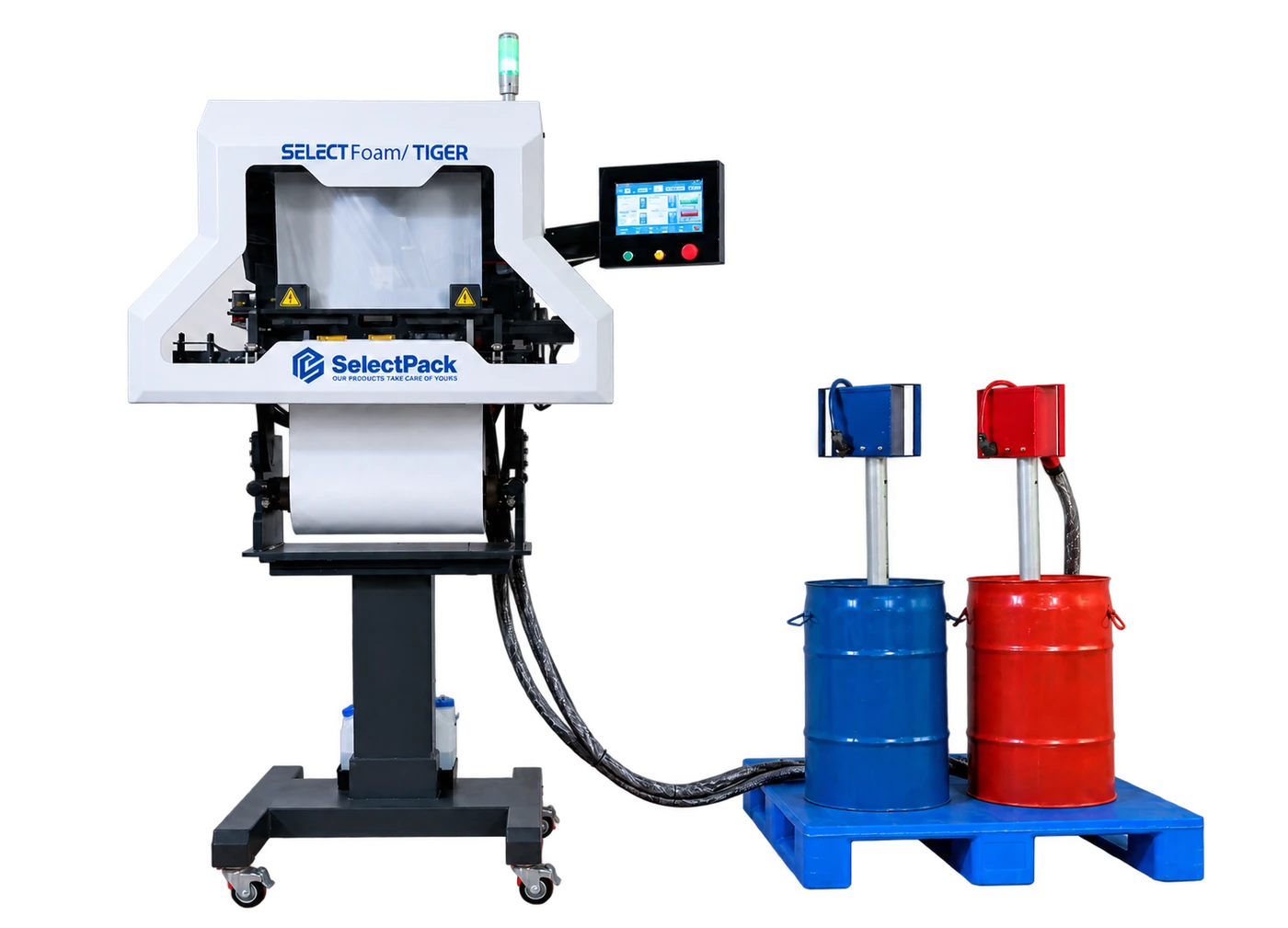
Current aerospace solution · Foam-in-place
Tiger Gen 2 for On-Demand Foam-in-Place Cushioning
When foam-in-place is selected after project review, Tiger Gen 2 produces foam bags on demand and supports programmed bag making, filling, sealing and cutting for repeatable packing workflows.
Use stored settings to standardize documented bag formats for recurring spare-part programs.
Adjust the proposed cushion when part geometry, carton size or support points change.
Keep equipment selection tied to sample packing, material compatibility and the required validation plan.
How SelectPack Supports Aerospace Packaging Projects
Aerospace buyers need more than a machine specification. SelectPack coordinates equipment, consumables and application inputs so each project can be reviewed against the part, packing station and purchasing requirements.
Factory-direct manufacturing
Review the Tiger system directly with the equipment manufacturer, with production, assembly and quality checks managed by SelectPack.
OEM and configurable equipment
Confirm project-specific machine configuration, output format, branding and station requirements before order approval.
Application-based configuration review
Evaluate part geometry, packing volume, SKU mix, destination voltage and the proposed cushion workflow together.
Equipment and consumables coordination
Review the machine together with the dedicated bag film and A/B foam materials required for the proposed packing method.
International project and after-sales support
Support can cover technical communication, shipping coordination, remote installation guidance, troubleshooting and training materials. Model availability and lead time are confirmed at quotation.
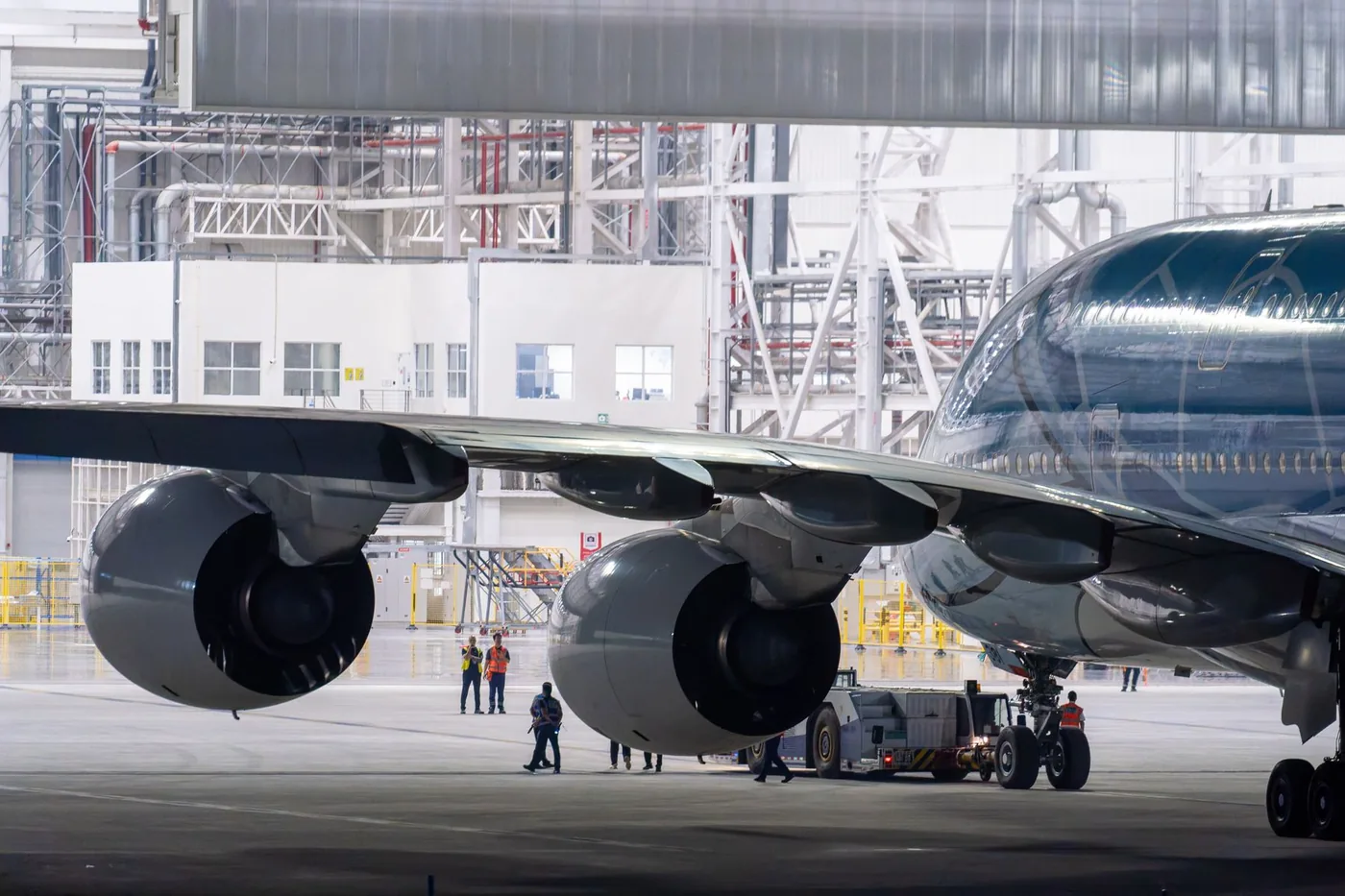
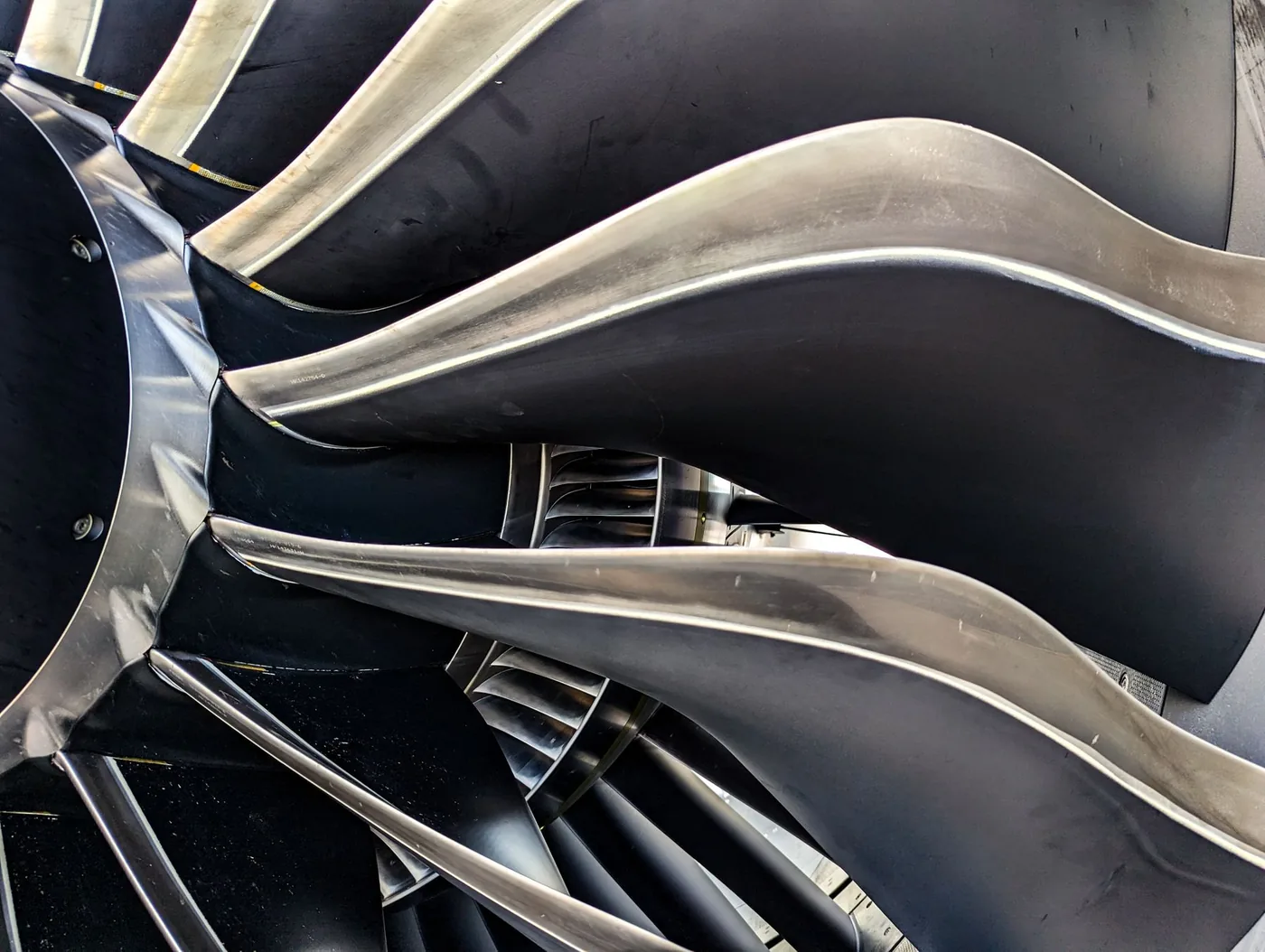
Where aerospace packaging needs arise.
What to send for an aerospace packaging review.
A useful recommendation begins with real component and distribution data. This project brief supports solution selection before machine settings or material details are finalized.
- Part length, width, height and weight.
- Photos showing all sides, projections and intended support areas.
- Surface finish, coating, protective film and temperature restrictions.
- Carton or crate dimensions and the intended cushion arrangement.
- Pack volume, SKU mix and changeover frequency.
- Transport route, storage conditions and required packaging tests.
Questions aerospace packaging teams should ask.
Which packaging solution is currently covered on this page?
The current solution is foam-in-place cushioning produced with Tiger Gen 2. Other packaging requirements should be reviewed against the component, surface, handling process and distribution route before a recommendation is made.
Is foam-in-place suitable for every aerospace component?
No. Surface sensitivity, temperature limits, allowable contact areas, weight and the transport structure must be reviewed for each part family.
How is foam density selected?
Density is evaluated with component weight, size, contact area, geometry, fragile points, storage and distribution risks. Final selection should be confirmed through sample packing and testing.
Can foam-in-place replace a wooden crate?
Not when the crate, pallet or base carries the primary transport load. Foam can provide cushioning and local restraint, but it does not correct an inadequate load-bearing structure.
What if the component has a sensitive coating or bonded film?
Confirm the permitted temperature and pressure exposure, then test for marks, adhesion, coating transfer and other surface changes before release.
Can the pack be approved from dimensions alone?
Dimensions and photos can support an early estimate. Production approval should rely on a representative sample, a controlled trial pack and packaging tests matched to the distribution risk.