
Industrial Packaging Solutions for Pumps & Valves
Protect dense, irregular pumps, valves and fluid-handling equipment during domestic and export shipping. SelectPack helps manufacturers and distributors assess support boundaries, sensitive surfaces, exposed fittings and changing product mixes before choosing a cushioning solution.
Get a Packaging Recommendation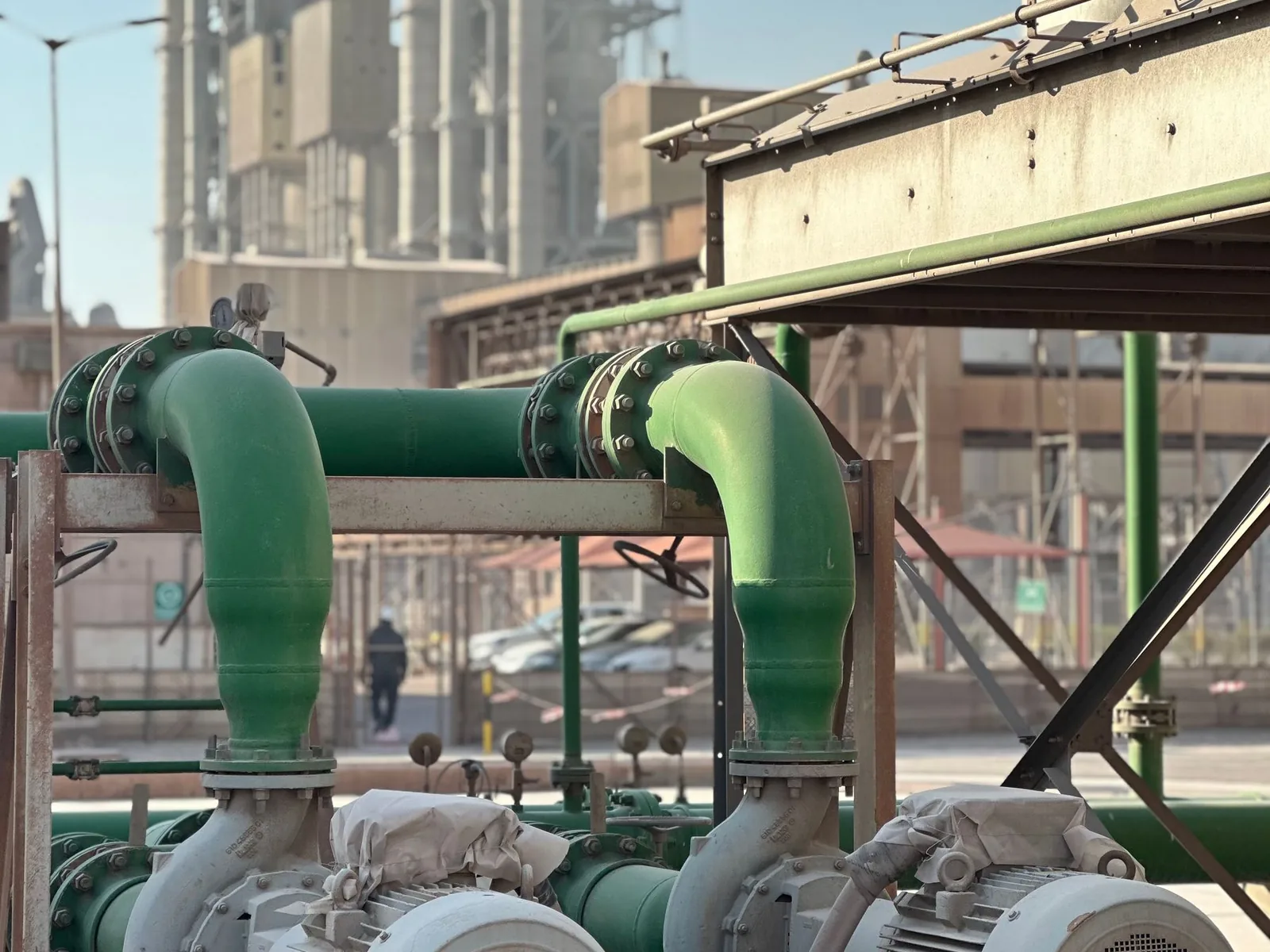
Why pumps and valves are difficult to package
Dense weight, irregular geometry and sensitive interfaces create different support and clearance requirements from one model to the next. These four risks should be reviewed before a cushioning method is selected.
Concentrated weight
Dense housings and uneven centers of gravity require clearly defined support faces, lifting points and shipping orientation.
Sensitive surfaces
Threads, seal faces, shafts, coatings and machined interfaces may require separation, soft layers or controlled contact.
Irregular geometry
Curved housings, flanges and changing accessories can make one fixed insert design difficult to use across the product mix.
Exposed fittings & controls
Gauges, actuators, handwheels, ports and connectors need deliberate clearance so cushioning does not transfer load into them.
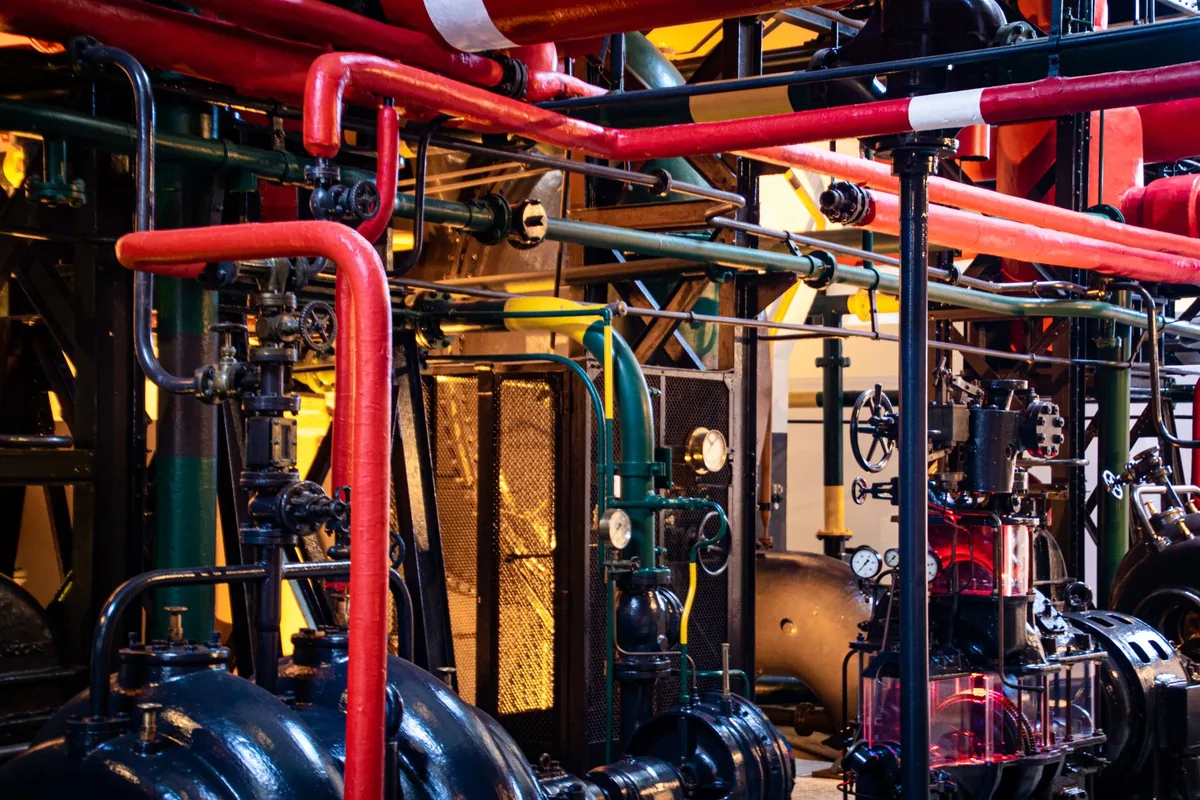
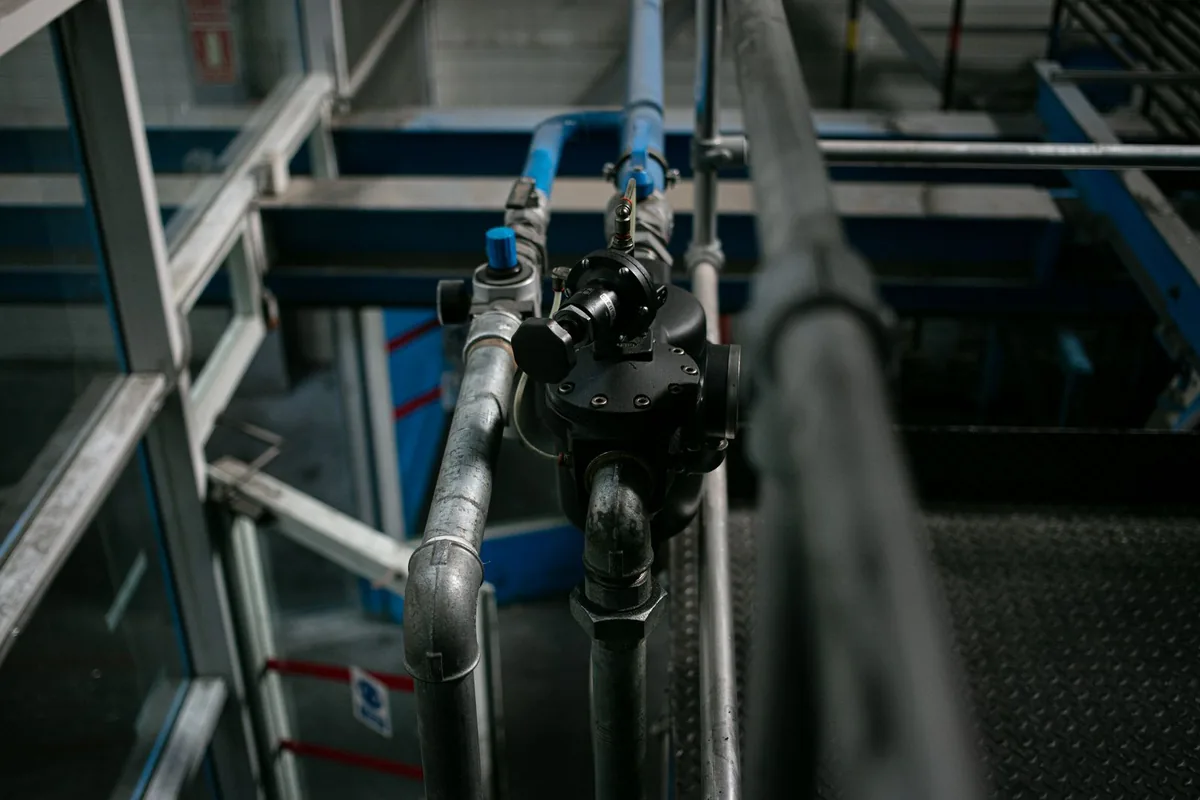
Common packaging requirements for pumps & valves
The packaging method should follow the equipment risk: support the load, protect precision features, control movement and remain workable across the actual product mix.
Crate, pallet or base design, blocking, bracing and corrosion protection remain separate engineering requirements. Foam-in-place cushioning can complement that system but should not be treated as the primary load-bearing structure.
- Load support
- The existing carton, crate, pallet or base must provide stable support for dense housings and uneven weight distribution.
- Movement control
- Flanges, ports, curved housings and protruding controls need a protection strategy that limits movement without stressing sensitive areas.
- Surface protection
- Threads, seal faces, shafts and finished coatings need defined separation, clearance or controlled-contact layers.
- Product variation
- Mixed models, replacement parts and variable orders can make dedicated inserts or a single fixed method difficult to manage.
Packaging solutions for pump & valve applications
SelectPack evaluates where its equipment and materials may fit within the customer's existing carton, crate or pallet system. For irregular and mixed-model pump and valve applications, the featured option on this page is foam-in-place cushioning.
Featured cushioning solution
Foam-in-Place Cushioning
On-demand foam cushioning can help protect irregular pumps, valves and service assemblies while reducing dependence on multiple pre-cut insert designs.
View the Recommended SystemFeatured foam-in-place system
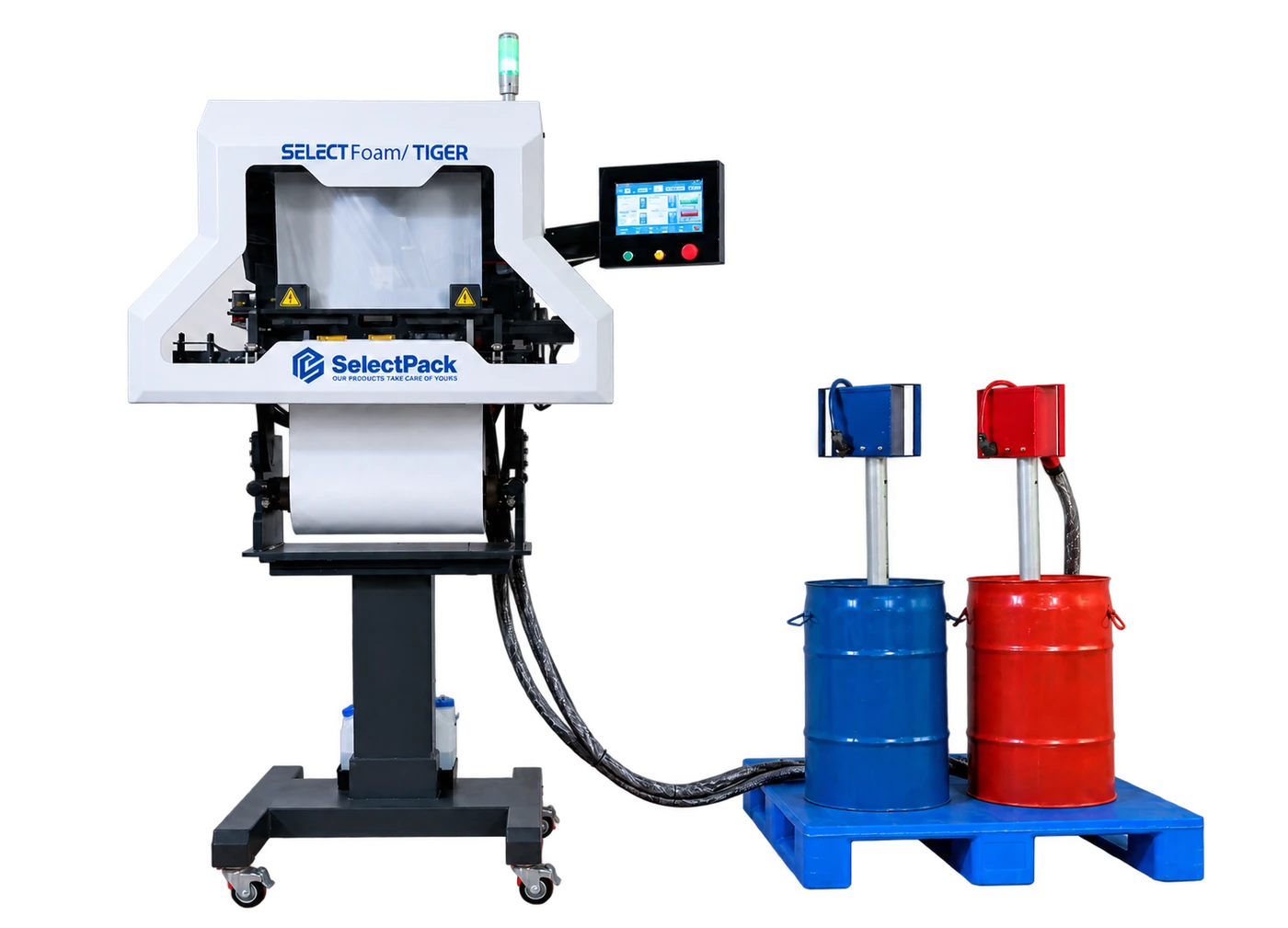
Tiger Gen 2 for pump & valve packaging
Where irregular geometry, mixed models or changing cushion requirements make fixed inserts difficult to manage, Tiger Gen 2 provides an on-demand foam-in-place packaging option.
- On-demand cushion production
- Produce foam cushions at the packing station without maintaining a separate pre-cut insert for every model.
- Adaptable for changing sizes
- Adjust cushion placement for different pump, valve and service-part geometries while respecting approved support and no-contact areas.
- Documented packaging workflow
- Record cushion placement, operating settings and outer-pack assumptions after an agreed sample review.
How we review pump & valve packaging applications
The review focuses on whether SelectPack equipment and materials fit the product and existing outer pack. Structural crate, pallet and transport-validation requirements remain separate unless explicitly agreed.
Review the equipment
Provide dimensions, weight, photos or drawings, center of gravity and sensitive features.
Review the current pack
Describe the carton, crate or pallet, shipping route, handling risks and the packaging problem to solve.
Identify cushioning risks
Map support boundaries, movement, impact, abrasion and no-contact requirements around the equipment.
Evaluate solution fit
Assess whether on-demand foam can complement the existing outer pack without carrying the structural load.
Document application notes
Where a sample review is agreed, record cushion placement, operating settings and outer-pack assumptions for customer approval.
Pump and valve packaging questions
What packaging challenges are common for pumps and valves?
Common challenges include concentrated weight, irregular housings, exposed flanges or controls, machined surfaces, mixed models and changing carton, crate or pallet formats.
How should heavy pumps or valves be secured for shipping?
The responsible packaging or engineering team should define the base, crate or pallet and any required blocking and bracing. Foam cushioning or surface-protection materials can then be evaluated around that load-bearing structure and the actual transport risks.
How can machined faces, seals and exposed fittings be protected?
Mark no-contact and controlled-contact areas before designing the pack. Protective layers, local clearance and suitable support points should then be checked against the actual surface and product requirements.
When is foam-in-place suitable for pump and valve packaging?
It can be useful where irregular geometry, mixed models, service parts or changing cushion requirements make multiple pre-cut inserts difficult to manage. Suitability still depends on weight, support faces, sensitive areas and the outer pack.
What information should we provide for a packaging recommendation?
Share product and outer-pack dimensions, weight, photos or drawings, center of gravity, lifting points, support faces, sensitive features, shipping method and the packaging problem you want to solve.
Can different packaging methods be combined for one shipment?
Yes. A heavy pump or valve may combine a structural base or crate with blocking, bracing, cushioning and surface protection. SelectPack evaluates whether foam-in-place cushioning can complement the customer's load-bearing and outer-pack system.