
Protective Packaging Solutions for Automotive Parts
Automotive parts bring different combinations of fragile surfaces, irregular geometry, dense loads and model variation. A workable protective packaging method starts with the part and distribution risk, then selects the cushioning, restraint and equipment that fit the job.
Discuss an Automotive Packaging Project
Start with the automotive packaging risk.
Before choosing a material or machine, define what the pack must protect, what may touch the part, how the load is carried and what happens through handling and transport.
A headlamp, painted mirror housing and dense metal assembly do not share the same contact, restraint or structural requirements. Each representative part needs its own review.
- Surface integrity
- Lenses, paint, coatings, decorative faces and connectors may require defined non-contact or controlled-pressure zones.
- Movement control
- The packaging must restrain the part without transferring damaging pressure into fragile tabs, shafts, ports or housings.
- Structural load
- Dense components may need a pallet, base, crate, blocking or bracing to carry the main transport load.
- Model variation
- Aftermarket demand and mixed part geometries can make dedicated insert inventories harder to standardize and store.
Different automotive parts create different packaging decisions.
Common automotive applications include headlamps, side mirrors, turbochargers and mixed aftermarket service parts. Each brings different contact, restraint and structural-support requirements.

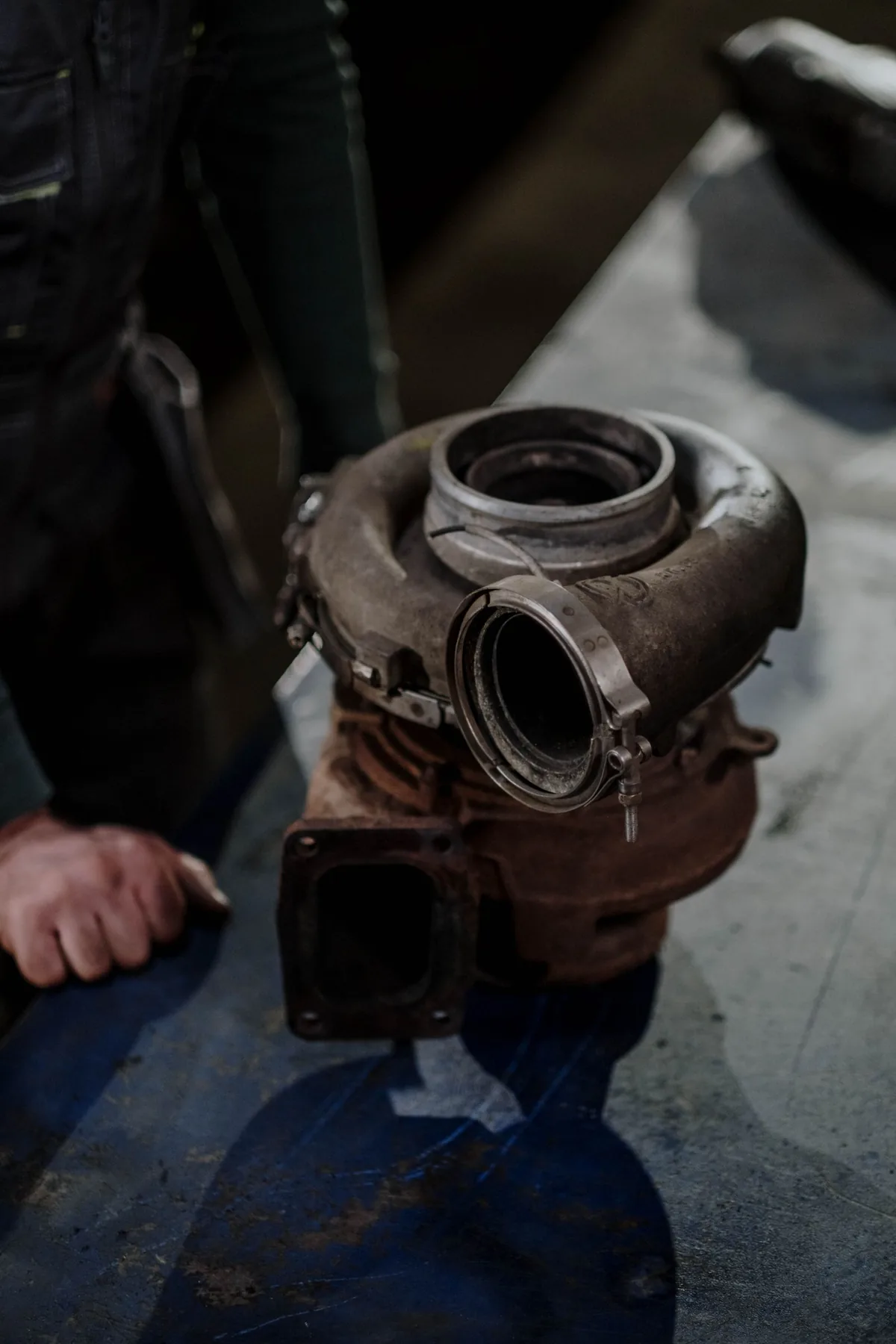
Protective Packaging Methods for Automotive Parts
Select the method from part geometry, surface sensitivity, load path, shipping route and packing volume. Foam-in-place is one method to evaluate when irregular shapes and changing model mixes benefit from adaptable cushioning.
Adaptable cushioning method
Foam-in-Place Packaging
Foam-in-place forms a cushion around the available space in the pack. For automotive parts, its value depends on controlled contact, correct cushion placement and a representative sample that is verified before the method becomes a work instruction.
- Adaptable cushioning for irregular and changing part geometries
- Controlled cushion placement around approved contact zones
- A repeatable packing method for mixed-model service parts
Best-Fit Automotive Applications
Foam-in-place is best suited to irregular and mixed-model automotive parts that benefit from adaptable cushioning and a repeatable pack design without maintaining a dedicated insert for every variation.
Foam cushions do not replace a crate, pallet or base that must carry the main transport load. Heavy parts may still need structural blocking and bracing.
- Mixed models
- Different part geometries move through the same packing area, making dedicated insert inventories harder to maintain.
- Irregular shapes
- Curves, protrusions and changing contact surfaces may benefit from cushions developed around the available space.
- Aftermarket demand
- Service parts may ship in smaller, less predictable batches than stable high-volume production parts.
- Visible surfaces
- Lenses, coatings, paint and decorative faces need a defined contact strategy confirmed with representative samples.
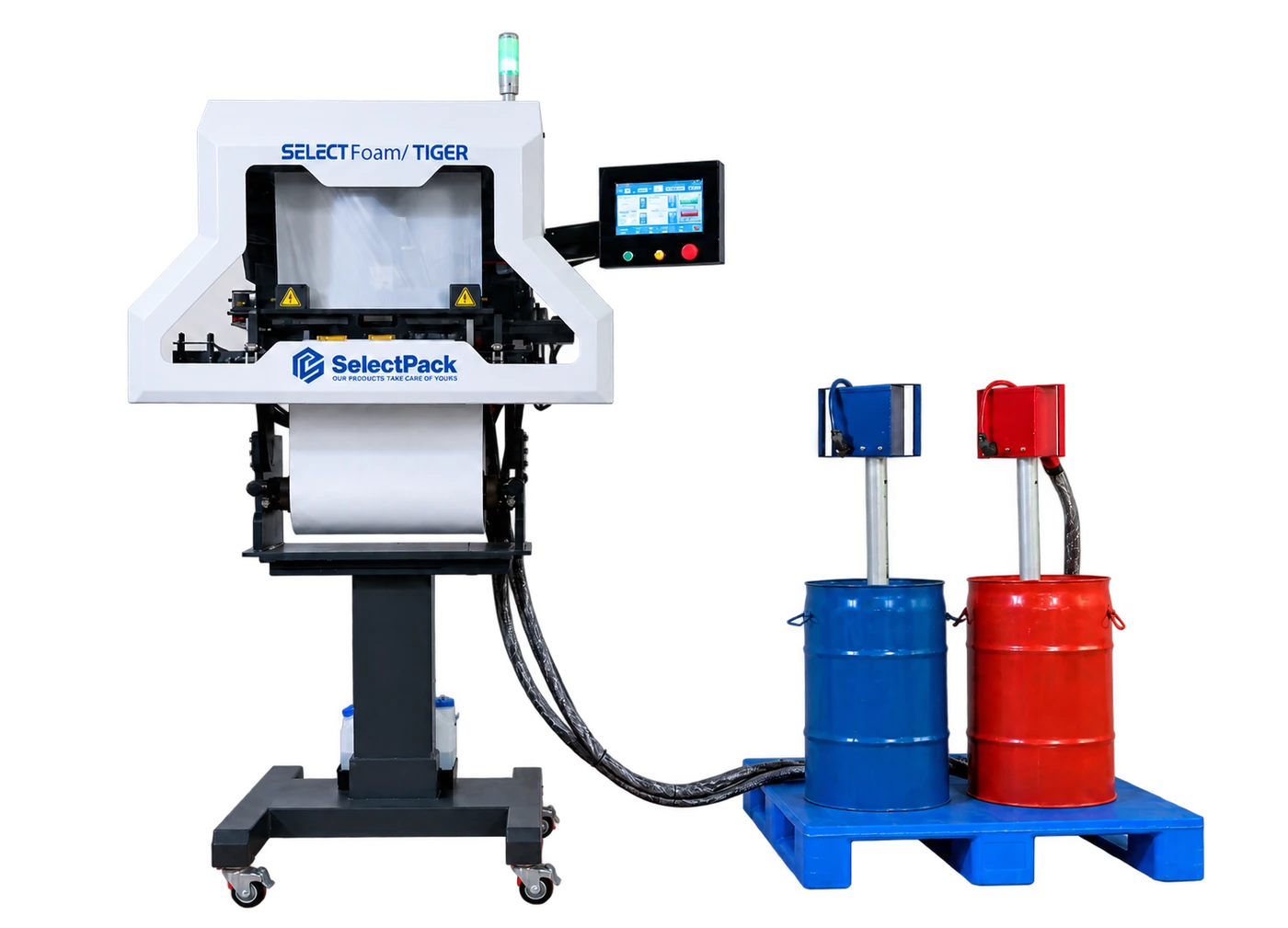
Recommended Equipment: Tiger Gen 2
Tiger Gen 2 is the SelectPack system recommended for developing the foam-in-place applications described here. Final configuration should follow the representative part, carton, cushion layout, utilities, film and A/B material setup.
- Application inputs
- Representative part, carton, packing volume and the approved cushion concept.
- Station configuration
- Footprint, utilities, output format, film and A/B material setup.
- Quotation scope
- Equipment configuration follows the verified packaging method and operating requirements.
How SelectPack Develops an Automotive Packaging Application
The project moves from part data and protection requirements to method comparison, a representative pack and a documented station configuration.
Submit part information
Provide dimensions, weight, photos or drawings, carton details and packing volume.
Define protection requirements
Identify allowed and prohibited contacts, fragile surfaces and load-bearing or support zones.
Compare packaging methods
Review cushioning, restraint, structural support and workflow before selecting equipment.
Build and verify a representative pack
Develop a sample and use checks appropriate to the product and distribution environment.
Configure and document the station
Record the approved pack, equipment, utilities, film or materials and operating instructions.
Why Automotive Packaging Teams Work with SelectPack
Application review and equipment configuration stay connected, helping buyers move from a representative part to a documented packing-station requirement.
- Factory-direct equipment manufacturing
- Communicate directly with the manufacturer to align equipment configuration with the approved packaging method and operating requirements.
- OEM and configuration support
- Review project-specific configuration and OEM requirements against the application instead of treating the machine as a fixed standalone item.
- Application-led equipment selection
- Part geometry, carton, sensitive zones, packing volume, utilities, film and A/B material setup are considered before final configuration.
- Equipment and material coordination
- Coordinate the machine, film and A/B materials as one operating setup so the quotation reflects the approved pack and station requirements.
Automotive parts packaging questions.
How do packaging requirements differ between automotive parts?
Part weight, geometry, fragile zones, surface finish, allowed contact, shipping route and pack volume all change the design. A headlamp and a dense metal assembly should not be approved from the same assumptions.
What information is needed to evaluate packaging for an automotive part?
Provide part and carton dimensions, weight, photos or drawings, sensitive surfaces, current material, packing volume, shipping method and the damage, labour or inventory problem to solve.
How should lenses, painted surfaces and connectors be handled?
Define allowed and prohibited contact zones before designing the cushion or restraint. Representative samples are needed to confirm pressure, rubbing and surface compatibility.
When is foam-in-place worth considering?
It is worth evaluating when models change frequently, parts have irregular geometry, or molded insert tooling, minimum orders and storage become difficult to manage. Stable high-volume parts may still suit another validated method.
Can foam protect a heavy drivetrain or metal assembly by itself?
Do not treat foam as the main load-bearing structure. Heavy assemblies may still need a designed base, crate, pallet, blocking or bracing, with foam used only where appropriate for cushioning or surface protection.
When does Tiger Gen 2 enter the project?
Tiger Gen 2 should be considered after the part, cushion concept, packing volume, station footprint, utilities, film and A/B material requirements are understood well enough to configure and quote the system.