Foam in place packaging systems cost should be evaluated as cost per protected pack, not only as equipment price. A useful model includes equipment scope, consumables, labor, waste, training, maintenance, sample testing, damage context, and shipment volume. Buyers should compare workflows under the same assumptions before deciding whether a machine, foam-in-bag system, direct dispensing route, or expandable bag program is the better fit.
This article is not a price list. Foam-in-place system cost varies by application, system scope, consumable use, and support requirements. The goal is to give purchasing, warehouse, and engineering teams a shared model for comparing options.
Use system scope as one input, but build the cost model around your operation rather than around a generic machine category.
Separate System Cost From Cost per Protected Pack
System cost is what you buy. Cost per protected pack is what you live with.
The system cost may include equipment, startup support, accessories, consumables, training, spare parts, and service terms. Cost per protected pack spreads the practical operating cost across the shipments that actually need foam protection.
That distinction matters because a low equipment price can still create a poor operating result if the process uses too much material, slows the operator, or fails to reduce damage. A higher system cost may be justified if it improves repeatability, pack speed, or damage performance for high-value shipments. The model should make those assumptions visible.
Cost-per-Protected-Pack Formula
Use a simple formula before adding complex finance assumptions:
Cost per protected pack = (validated consumable cost + labor time cost + waste allowance + allocated support or equipment assumptions) / protected packs shipped
The denominator matters. Count only shipments that actually use the foam workflow and need that level of protection. Do not divide the cost across every outbound carton if many products continue to use paper, air, custom inserts, or another material.
The numerator should also stay tied to the tested workflow. If the model compares foam-in-bag against direct dispensing, use the consumable estimate, pack time, waste allowance, and support scope for each workflow separately. A blended number can hide the real cost driver.
Where Foam in Place Packaging Systems Cost Gets Misread
Cost discussions go wrong when the buyer compares unlike options. One quote may include startup support, training, and a recommended sample process. Another may list only equipment and consumables. A third may assume a different product mix or pack volume. The line items look comparable, but the operating risk is different.
Common misreads include:
- Treating equipment price as total system cost.
- Ignoring the cost of failed packs during startup.
- Counting labor savings before the workflow is timed.
- Assuming material use before sample packs are measured.
- Ignoring damage cost because it sits in a different department.
- Comparing a foam-in-bag workflow with a direct dispensing workflow without explaining the operational difference.
The cost model should make these assumptions visible so purchasing, operations, and packaging engineering can debate the same facts.
Inputs for the Cost Model
Build the model with fields your team can update:
| Input | What to capture |
|---|---|
| Protected packs per day | Average and peak volume for products that truly need foam. |
| Product families | Size, weight, fragility, and SKU variation. |
| Workflow type | Direct dispensing, foam-in-bag, expandable bags, or mixed workflow. |
| Consumable use | Estimated material per pack based on sample testing or supplier guidance. |
| Labor time | Pack time, setup, cleanup, and rework. |
| Waste and rejected packs | Material lost during startup, training, or failed packs. |
| Damage context | Current damage rate, repair cost, replacement cost, or customer impact. |
| Support scope | Training, startup help, maintenance, and troubleshooting. |
The model should be conservative until sample testing provides better assumptions.
If the workflow requires chemical documentation, SDS access, or operator training, include that work as an operating assumption rather than treating it as free. OSHA’s Hazard Communication standard is a useful reference for the workplace communication topics that may affect rollout effort.
Compare Workflows at the Same Volume Assumptions
Do not compare one workflow at peak volume and another at average volume. Use the same production assumptions for each option.
For example, compare:
- Direct foam-in-place equipment at the expected daily pack count.
- Foam-in-bag packaging system at the same product mix.
- Expandable foam bags for lower-volume or trial shipments.
- Current packaging method, including damage, rework, and labor.
This comparison often shows that the right workflow depends on product mix. One product family may justify equipment, while another may be better handled with expandable bags or another material.
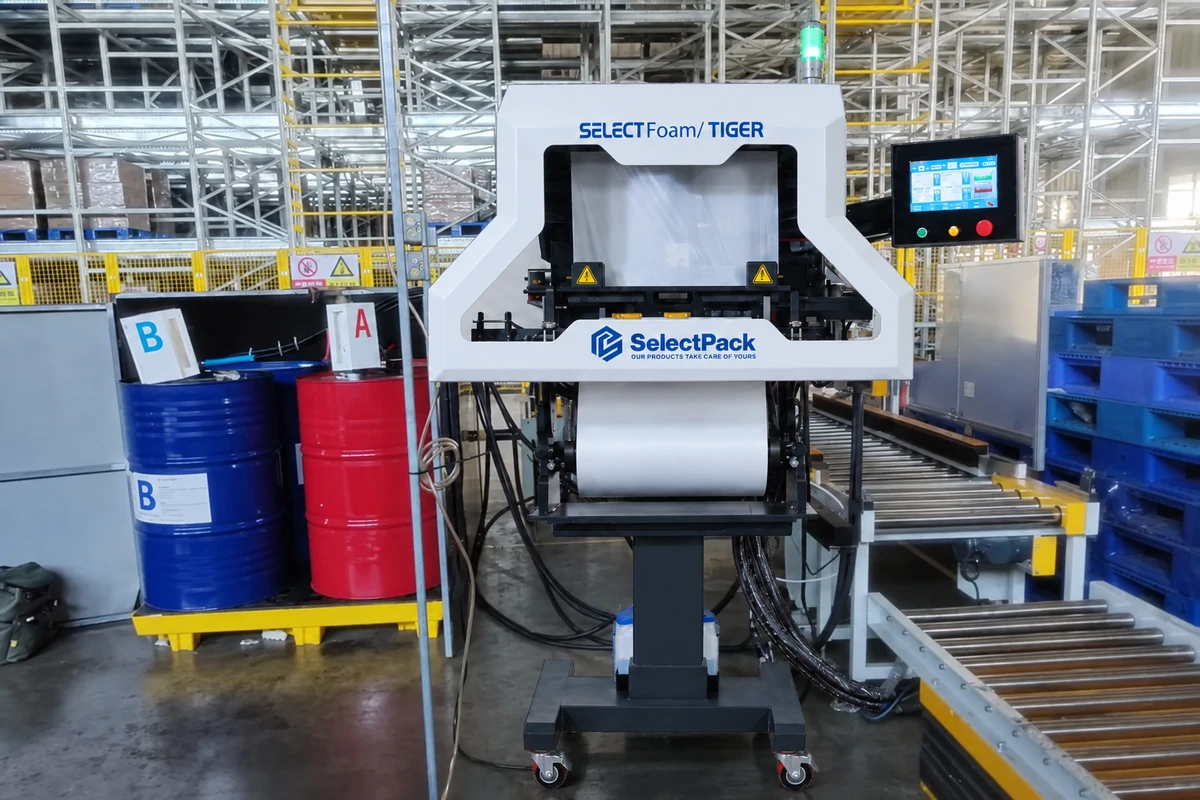
When the team is deciding which workflow options belong in the model, the SelectFoam foam-in-place packaging range can be used to compare direct dispensing, foam-in-bag, expandable bags, or a mixed route under the same volume assumptions.
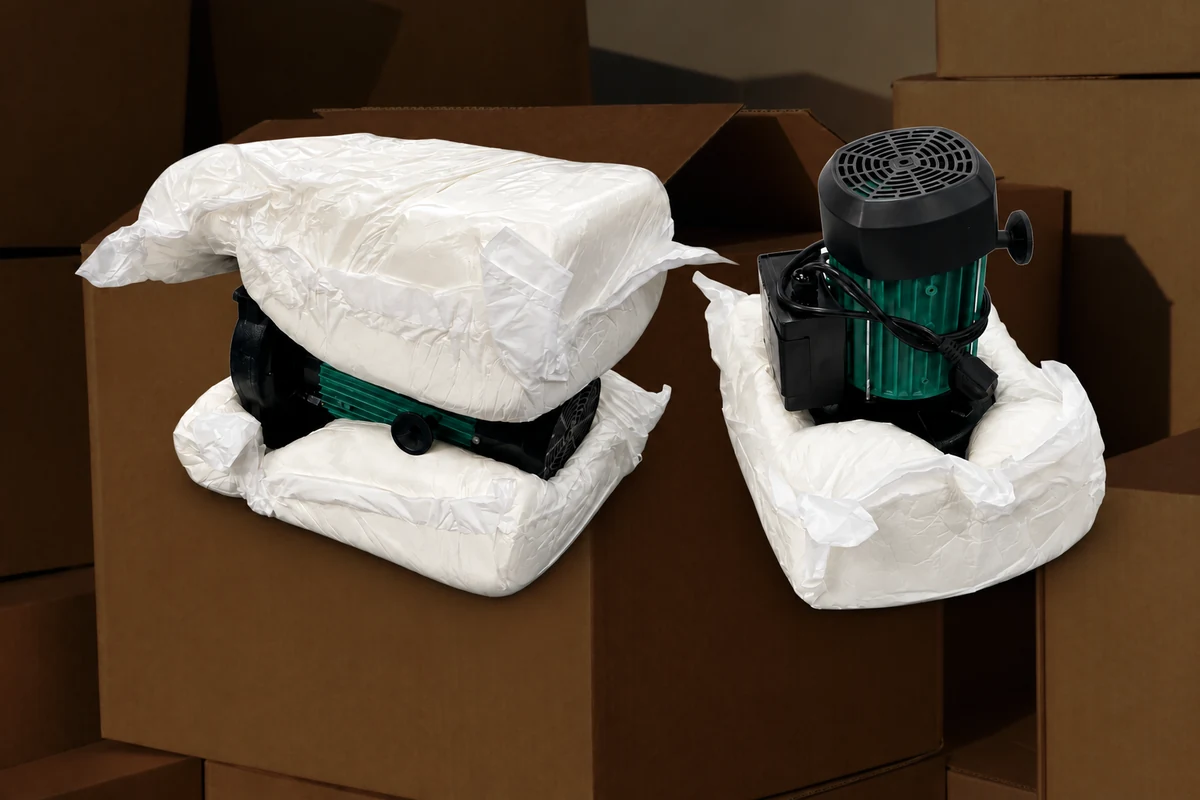
If foam-in-bag is one of the options in the worksheet, the foam-in-bag packaging system guide can help define the workflow assumptions before the cost model turns them into numbers.
A Simple Cost-per-Pack Worksheet
A basic worksheet can be enough for early comparison. Use one row per workflow and keep the assumptions visible:
| Model field | Workflow A | Workflow B | Notes |
|---|---|---|---|
| Products included | Do not count products that do not need foam. | ||
| Packs per day | Use the same volume assumptions. | ||
| Consumable estimate | Update after sample testing. | ||
| Operator time | Include setup and rework if relevant. | ||
| Waste allowance | Startup and training may create extra use. | ||
| Damage context | Use actual history when available. | ||
| Support included | Training and troubleshooting affect rollout. |
This worksheet is not a substitute for a supplier quote. It helps the team decide what questions the quote must answer.
What Not to Put in the Model Too Early
An early cost model should stay honest about uncertainty. Some numbers are tempting to include because they make the model look complete, but they can mislead the team if they are not validated.
Avoid locking in:
- Exact consumable use before sample packs.
- Exact labor savings before timing the workflow.
- Damage reduction percentages before shipment evidence.
- Maintenance assumptions that the supplier has not confirmed.
- ROI claims based on one ideal product.
- Disposal or storage assumptions copied from another material.
Use ranges, notes, or “to be confirmed” fields when the data is not ready. A cautious model is more useful than a precise model built on weak assumptions.
Add Damage and Labor Context Carefully
Damage reduction can be a major reason to consider foam-in-place, but it should be handled carefully. Do not assume a fixed return on investment before testing. Instead, document:
- Current damage examples.
- How often the damage occurs.
- Whether the damage is caused by cushioning, outer packaging, handling, or product design.
- Cost of replacement, repair, rework, or customer escalation.
- What sample testing will prove before approval.
Labor should be treated the same way. Foam may reduce some packing steps, add others, or improve consistency without reducing time. Measure the process rather than guessing.
Cost Model Red Flags
Be careful when a cost model:
- Uses a machine price without consumables.
- Ignores sample testing.
- Assumes zero waste or perfect operator performance.
- Counts all shipments, even those that do not need foam.
- Treats damage reduction as guaranteed before validation.
- Excludes training, maintenance, or support.
- Compares suppliers with different system scopes.
A weak model can make the cheapest option look better than it is, or make a useful system look too expensive because the value of protection is not captured.
How to Use the Model in an RFQ
When requesting a quote, send the cost model fields to suppliers and ask them to respond within the same structure. If detailed machine price factors are still unclear, compare them separately in a quote-factor review such as Foam Packaging Machine Price: Quote Factors Buyers Should Confirm. The cost-per-pack model should stay focused on operating assumptions.
Ask suppliers to clarify:
- What is included in the system scope.
- What assumptions drive consumable use.
- What support is included during startup.
- What the buyer must provide at the site.
- What should be tested before production approval.
- Which workflow they recommend and why.
The purpose of the model is not to force a single answer. It helps teams compare foam-in-place system cost in a way that reflects the real packaging job.
Before finalizing the RFQ, confirm that the site inputs behind the numbers are complete. The foam-in-place packaging equipment site checks can keep station space, operator flow, consumable storage, and startup support from being treated as afterthoughts.