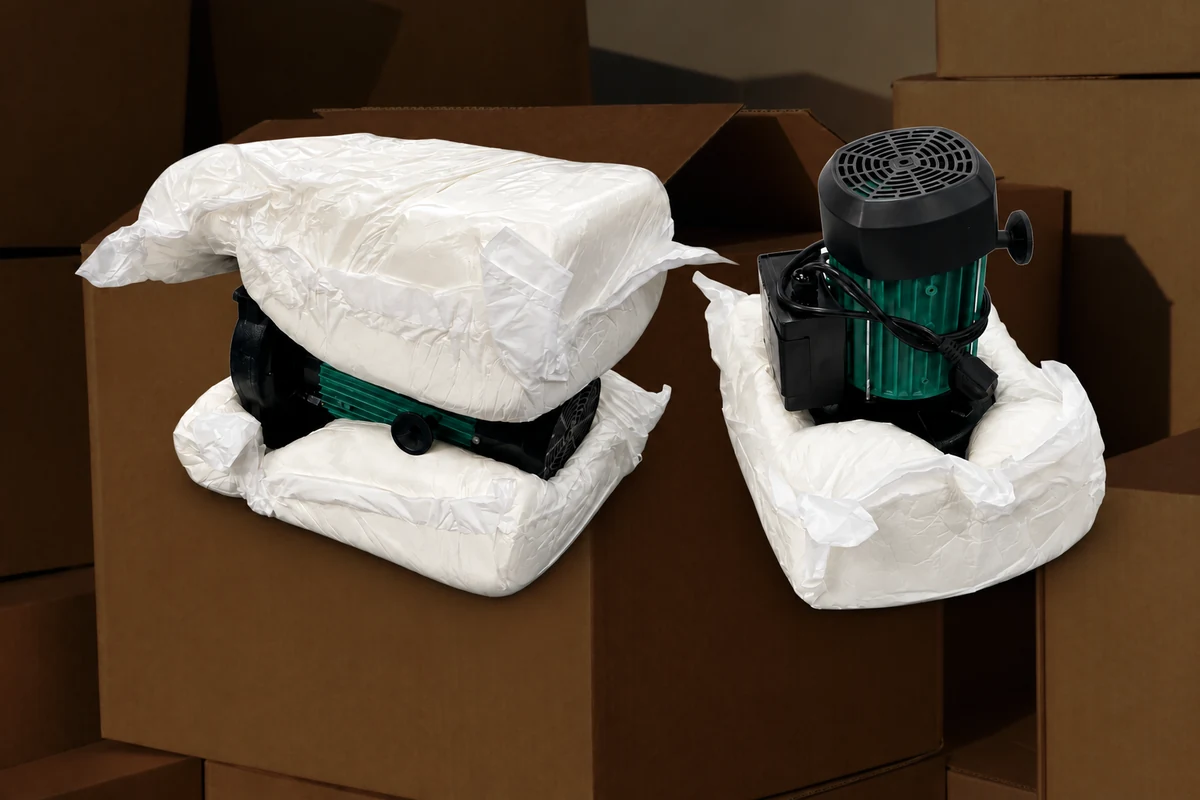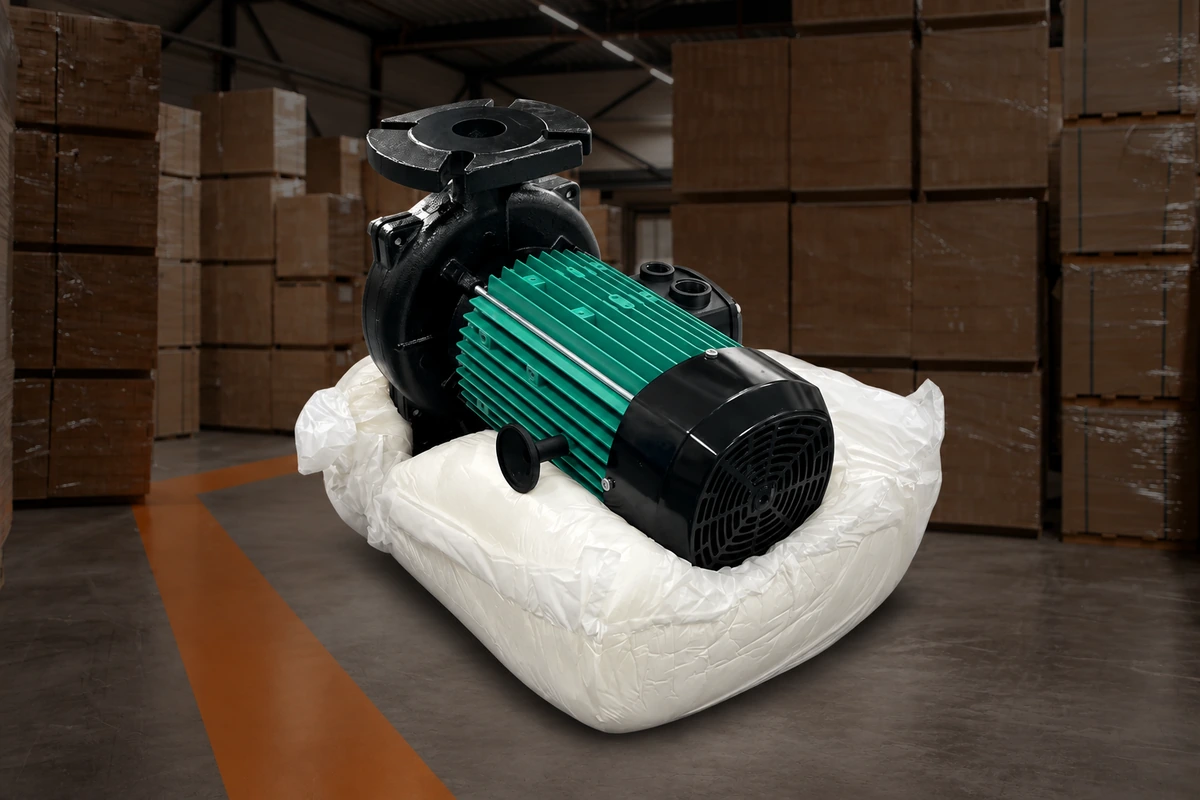
Chemical expanding foam bags are packaging consumables that expand to create protective cushioning inside a carton or pack. Before buying them, confirm the product fit, bag size, activation process, storage instructions, handling documents, operator training needs, sample test plan, and reorder process. The important point is not only whether the bag expands, but whether your team can use it repeatably and safely in the real packing workflow.
This topic is especially relevant when buyers like the flexibility of expanding foam bags but are unsure what the word “chemical” means for purchasing, storage, and day-to-day operation. The answer should come from the supplier’s product documentation, not assumptions.
For a packaging-focused route, buyers should first confirm the bag format, test method, and supplier instructions. The final specification should come from sample packs and product documentation, not from the generic term “chemical.”
What Chemical Expanding Foam Bags Mean in a Buying Conversation
In practical buying language, chemical expanding foam bags usually refer to foam packaging bags that create cushioning after activation. The word “chemical” does not tell you enough to approve a purchase. It should trigger a set of questions about documentation, storage, handling, use conditions, and disposal.
Ask the supplier to explain:
- What bag formats and sizes are available.
- How the bag is activated and placed in the package.
- What operator steps are required.
- What handling documents are provided.
- What storage and rotation rules apply.
- What testing is recommended before production use.
Do not fill in missing details from generic foam knowledge. Consumables can vary by supplier and product format.
Questions Before the First Order
Before ordering, connect the bag to a real shipment. A sample that works for one product may not work for another.
| Question | Why it matters |
|---|---|
| What product will the bag protect? | Size, weight, edges, finish, and fragility determine whether expanding foam is suitable. |
| What is the current damage mode? | Bags should solve a defined problem, such as movement or impact, not just replace another material. |
| What carton or outer package is used? | The outer package still carries compression, handling, and shipping loads. |
| How much space is available around the product? | Too little or too much void space can create poor results. |
| How will operators position the bag? | Placement determines whether the foam supports the product correctly. |
| How will success be judged? | Damage reduction, unpacking condition, product surface, and pack time should be reviewed together. |
If these answers are unclear, place a small test order before committing to a larger consumable supply.
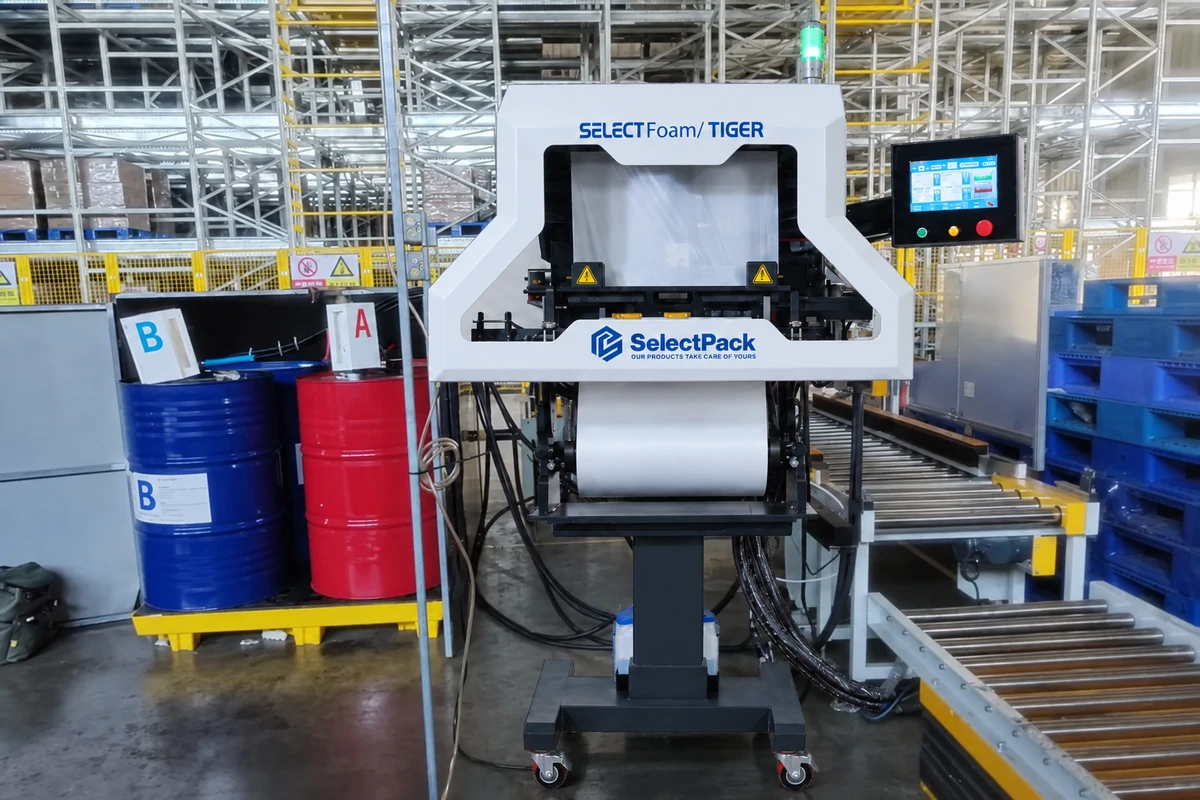
If the flexible bag route looks relevant, SelectPack’s SelectFoam foam-in-place and expanding bag options can be reviewed alongside Foamigo expandable foam bags after the buyer has defined the product, carton, and approval method.
For shipment-focused fit questions before ordering, the expanding foam bags for shipping guide can help separate bag use cases from broader foam-in-place equipment decisions.
Storage and Handling Topics to Confirm With the Supplier
The supplier should provide the controlling instructions for storage and handling. Buyers should not invent shelf life, temperature limits, personal protective equipment, or disposal methods. Confirm the following directly:
For U.S. workplaces, SDS access, container labels, and employee training should be handled through the site’s hazard communication program. OSHA’s Hazard Communication standard is a useful reference for the type of documentation buyers should expect to manage internally.
- Storage environment and rotation method.
- Packaging labels and lot identification.
- Handling instructions for operators.
- What documents should be available at the packing area.
- What to do with unused, damaged, or expired material.
- Spill, cleanup, or disposal guidance if applicable to the product format.
- Training expectations for new operators.
For purchasing teams, these details affect more than safety. They affect inventory planning, receiving checks, warehouse storage, and reorder timing.
Receiving and Inventory Controls
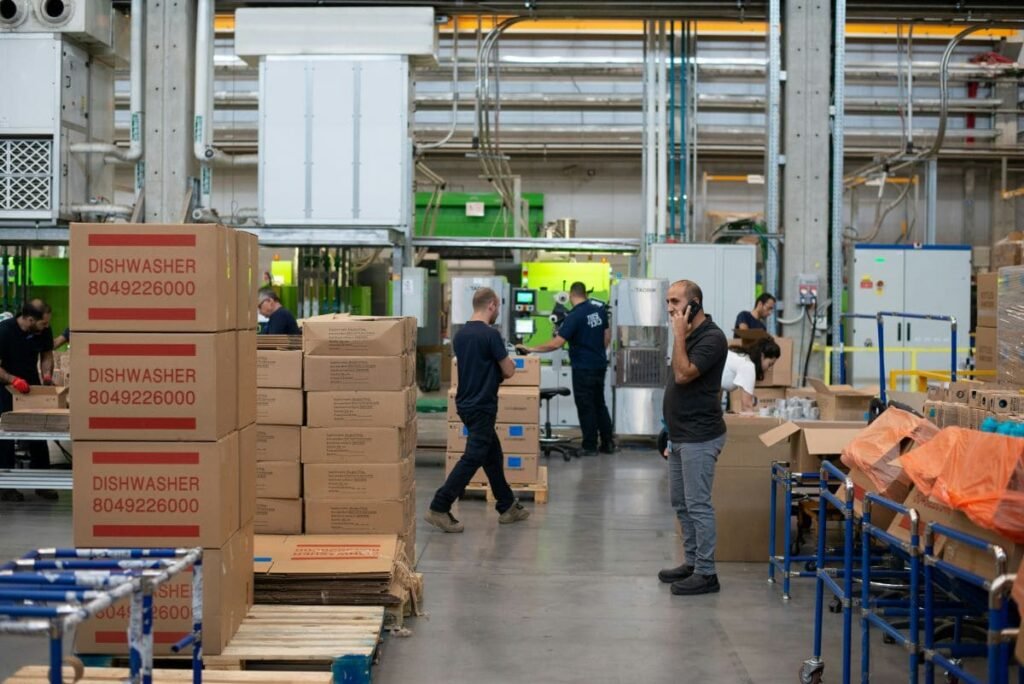
Chemical expanding foam bags should be treated as controlled packaging consumables, not loose office supplies. If the wrong bag size is pulled, if old stock is mixed with new stock without rotation, or if operators cannot identify the approved format, package performance can change without anyone noticing.
Set up a simple receiving and inventory process:
- Match received product codes to the approved pack method.
- Keep supplier labels and lot information visible.
- Store approved bag sizes separately if several formats are used.
- Train operators to use the approved bag for each product family.
- Record any supplier change, bag format change, or packaging change before production use.
- Retest if a new carton, product revision, or shipping route changes the pack condition.
This level of control is especially useful for service parts, expensive components, and shipments where one damaged item costs more than the packaging material.
How to Test Bags Without Over-Ordering
Testing should happen before a large order because expanding foam bags are highly dependent on product shape and pack method. A practical test can be simple:
- Choose the product family with the highest damage risk or highest shipment value.
- Prepare the actual carton, dunnage, product wrap, and paperwork used in production.
- Test more than one bag size or placement method if the supplier recommends it.
- Pack multiple samples, not just one ideal pack.
- Check product movement, surface condition, carton bulge, unpacking effort, and pack time.
- Document the approved method with photos or station instructions for internal use.
The goal is a repeatable pack, not a single successful demonstration.
Operator Instructions That Should Be Written Down
When expanding foam bags work in testing but fail later, the reason is often process drift. One operator places the bag differently. Another changes the carton. A third adds extra material because the pack “looks safer.” The result is no longer the tested pack.
Write down the parts of the method that matter:
- Which bag size is approved for each product family.
- Where the bag is placed before expansion.
- Whether the product needs a wrap, liner, or separation layer.
- How the product should sit in the carton.
- What a finished pack should look like before closing.
- What conditions require supervisor review.
The instruction can be short. The point is to make the approved method repeatable across shifts, not dependent on memory.
When Chemical Expanding Foam Bags Are the Wrong Route
Expanding foam bags are not the answer for every shipment. Consider another packaging method when:
- The product is too heavy for foam bags to act as the main restraint.
- The outer carton or crate is underspecified.
- The product surface cannot tolerate the selected bag contact or pressure.
- The pack has almost no void space for expansion.
- The item only needs low-cost void fill.
- The operation needs high-speed automation that a manual bag workflow cannot support.
In those cases, a foam-in-place machine, a custom insert, a stronger outer package, or a different protective material may be a better fit.
Change-Control File to Keep on Hand
Once a bag format is approved, keep a short change-control file that includes:
- Approved bag size or product code.
- Approved product families.
- Pack method and placement notes.
- Supplier handling sheet or use instructions.
- Safety data sheet if supplied or required for the product format.
- Storage, rotation, cleanup, and disposal guidance if applicable.
- Supplier lot, label, or change-notice information.
- Reorder lead time and minimum order quantity.
- Internal owner for training and change control.
- Conditions that require retesting, such as a new product, carton change, or shipping route change.
This reduces the risk that a working sample turns into inconsistent production packing. For chemical expanding foam bags, the real value comes from controlled use, supplier-confirmed instructions, and a clear record of what changed.