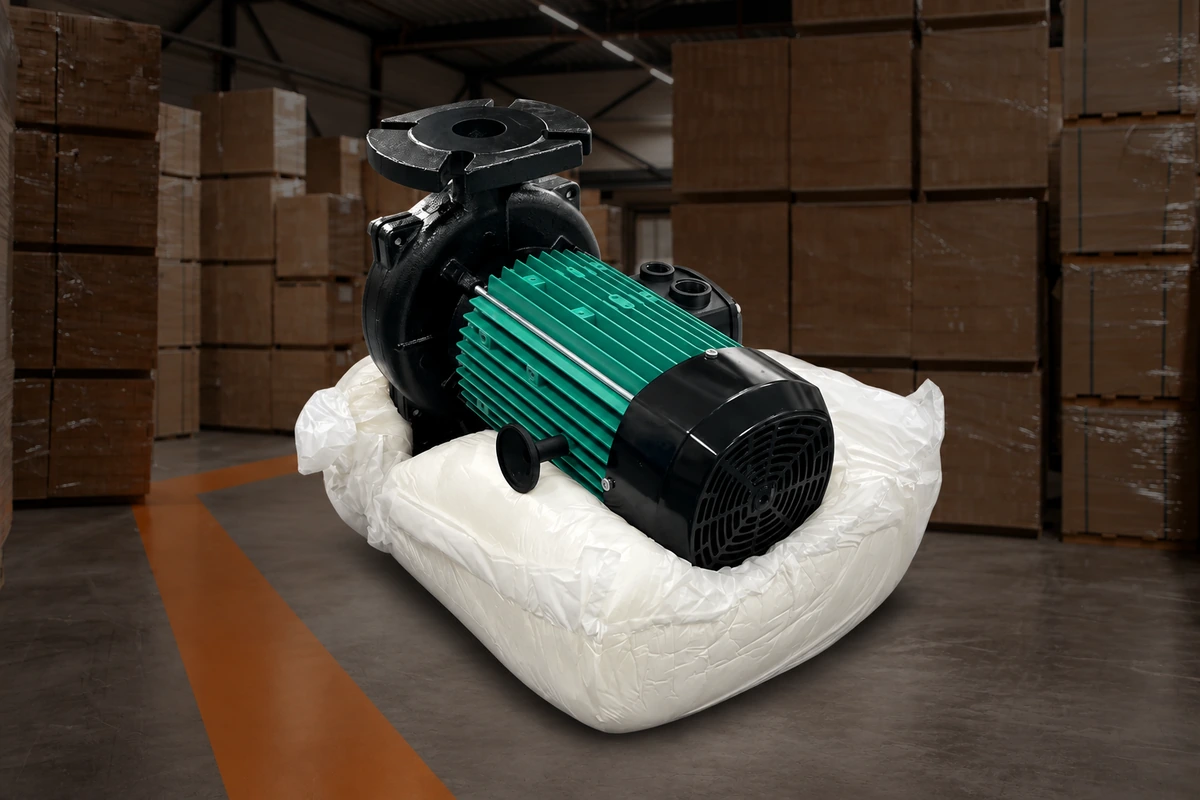
Protective foam packaging is a strong choice when the damage problem is caused by movement, impact at corners, irregular product geometry, or a product that is too dense for light void fill. Foam-in-place is not the default answer for every shipment; it is one material path inside a broader protective packaging decision.
Start with the failure mode, not the material name. If the carton collapses, choose a stronger outer package first. If the product shifts, shaped cushioning may help. If the customer needs a neat retail presentation, a custom insert may beat foam. If the product is low risk and lightweight, paper or air may be enough.
This article uses a material decision matrix so buyers can decide when a SelectFoam foam-in-place solution deserves evaluation and when another protective packaging method is more practical.
Start With the Damage Mode
Most material mistakes happen because the buyer starts with a material preference instead of a damage problem. Use the table below to narrow the options.
| Damage or packing problem | Materials to consider first | When foam-in-place becomes a better candidate |
|---|---|---|
| Product shifts inside the carton | Corrugated retention, paper blocking, air cushions, foam-in-place | Foam is stronger when the shape is irregular or the item is dense enough to move through lighter fill. |
| Corners, housings, brackets, or protrusions break | Foam-in-place, pre-cut foam, molded inserts | Foam is useful when the geometry changes across SKUs and fixed inserts are hard to manage. |
| Surface scuffs or cosmetic marks | Wrap, sleeves, film barriers, custom inserts | Foam may work only with a barrier bag or liner; direct pressure on the finish must be tested. |
| Carton crushes or stacks poorly | Stronger carton, crate, pallet, dividers | Foam should not be the first fix if the outer package is structurally weak. |
| Low-value item has empty box space | Paper, air, loose fill, carton resizing | Foam is usually too much unless damage cost is high. |
| Heavy part moves in freight | Blocking, bracing, crate, pallet restraint, foam cushioning | Foam can cushion contact points but should not replace structural restraint. |
This matrix keeps protective foam packaging in the right role: useful for shaped support, not a universal replacement for every cushion or package design.
Material Decision Matrix
| Material or workflow | Best use | Buyer watchout |
|---|---|---|
| Foam-in-place machine workflow | Repeated fragile or irregular products that need shaped cushions at the packing station | Requires equipment, consumables, training, and controlled pack instructions. |
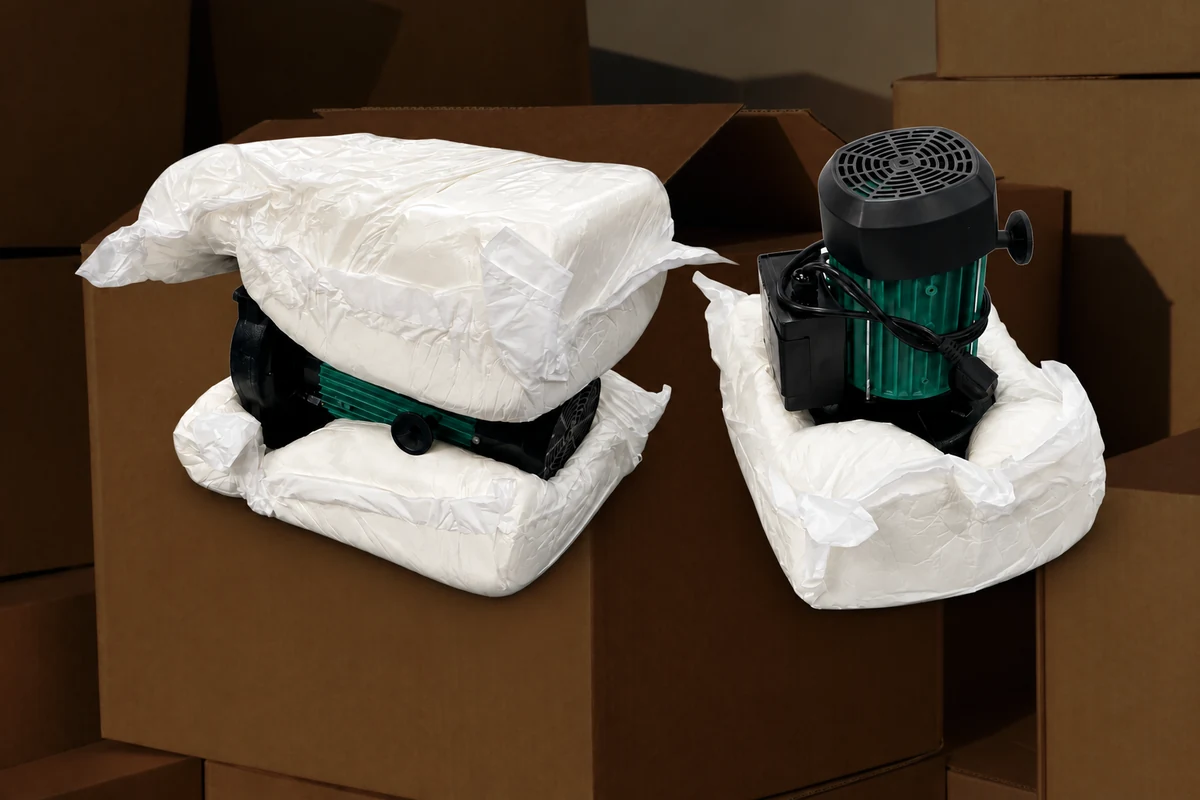
| Expandable foam bags | Lower-volume shaped cushioning, returns, samples, service parts, or no-equipment locations | Bag size, placement, activation steps, and cost per shipment must be checked. |
| Pre-cut foam | Stable products with repeated dimensions and predictable pack design | Less flexible when SKUs change often. |
| Molded pulp or formed inserts | Repeated products, brand presentation, and standardized pack geometry | Tooling and design work may not fit short runs or mixed SKUs. |
| Paper cushioning | Light-to-medium void fill, wrapping, blocking, and sustainable packaging programs | May not restrain dense or irregular products without high material use. |
| Air cushions or air pillows | Lightweight void fill and simple ecommerce shipments | Can shift or crush under dense products. |
| Corrugated retention or inserts | Flat, regular, or kit-style products that can be locked in position | May not support complex shapes or fragile protrusions. |
For many operations, the best answer is a combination. Foam may protect the product shape while the carton, divider, or crate carries the structural work.
When Foam-in-Place Is Too Much Packaging
Foam-in-place can be over-specified. That matters because over-packaging adds material cost, operator steps, storage needs, and handling requirements without solving a bigger problem.
Use a simpler material first when:
- The product is light, uniform, and already has low damage rates.
- The main problem is an oversized carton that can be right-sized.
- The shipment needs light void fill, not shaped support.
- The product is inexpensive and damage cost does not justify custom cushioning.
- A standard corrugated insert or molded pulp tray already controls movement.
If a simpler material solves the failure mode, foam-in-place is not the right first recommendation.
When Foam Is Under-Specified
The opposite problem also happens: buyers keep adding paper, air, or bubble wrap when the product really needs shaped support.
Foam-in-place deserves a closer look when:
- Operators use large amounts of loose material to stop movement.
- Damage appears on the same corners or protrusions across shipments.
- Dense parts crush air cushions or push through paper.
- SKU variation makes fixed inserts expensive or hard to stock.
- The current pack depends heavily on an experienced operator’s judgment.
- Damage cost is high enough that a more controlled pack is justified.
These are the situations where a machine workflow, handheld dispensing, or expandable foam bags may create a more repeatable pack. For no-machine bag use cases, see the expanding foam bags for shipping guide.
Choose the Foam Workflow Only After the Material Fit Is Clear
Once foam is the right material family, choose the workflow:
| If the product problem is… | Evaluate… |
|---|---|
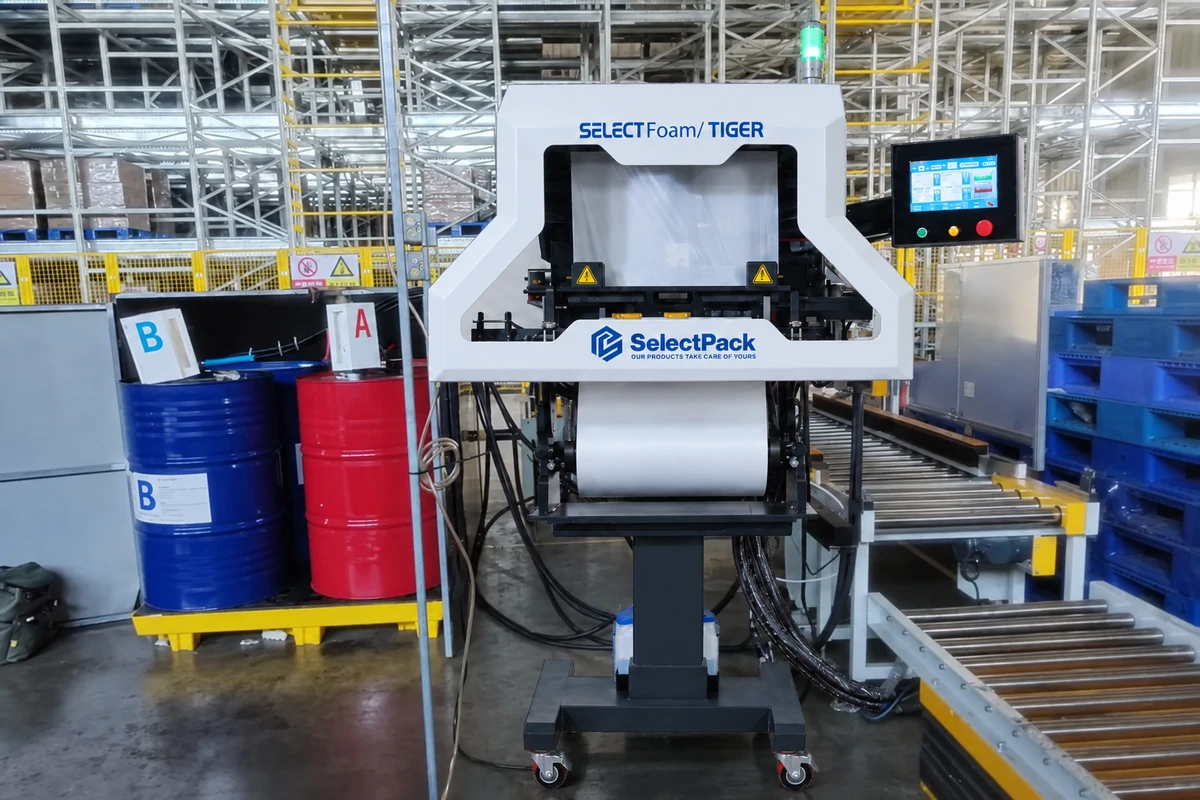
| Repeated product and carton combinations | SelectFoam/Tiger expanding foam packaging machine for controlled foam bag output. |
| Mixed products needing direct placement | SelectFoam/Jaguar handheld foam-in-place machine for operator-controlled dispensing. |
| Low-volume or occasional shaped cushioning | Expandable foam bags as a no-machine or lower-setup workflow. |
Do not choose equipment before confirming that foam is the correct protective material. The material decision and equipment decision are related, but they are not the same step. If the next question is workflow choice, use the foam-in-bag packaging system guide.
Buyer Notes by Product Type
Electronics, Instruments, and Assemblies
Foam can be useful when the item has housings, brackets, screens, or fragile corners. Check surface sensitivity, ESD needs, vents, labels, and whether a film barrier is needed.
Industrial Parts and Repair Components
Foam often fits when parts are dense, irregular, or shipped in small batches. Confirm sharp edges, weight, and whether the part needs blocking in addition to cushioning.
Lightweight Ecommerce Goods
Protective foam packaging is often unnecessary unless the item is unusually fragile or high value. Paper, air, or carton resizing may be a better first step.
Large Equipment
Foam can cushion contact points, but the package must still handle structure and restraint. Review the crate, pallet, blocking, bracing, and lift method before choosing cushion material. The large equipment foam-in-place bags guide covers this boundary in more detail.
What to Compare in a Sample Pack
Keep the sample comparison focused on the damage mode:
- Did the product move?
- Did corners or protrusions stay protected?
- Did the carton close cleanly without bulge?
- Did the cushion create pressure on a sensitive surface?
- Did the material add avoidable labor or storage burden?
- Could a less complex material solve the same problem?
If foam wins the comparison, then move into machine, bag, or consumable planning. If it does not, the article’s job is still successful: it has kept the buyer from choosing the wrong material.