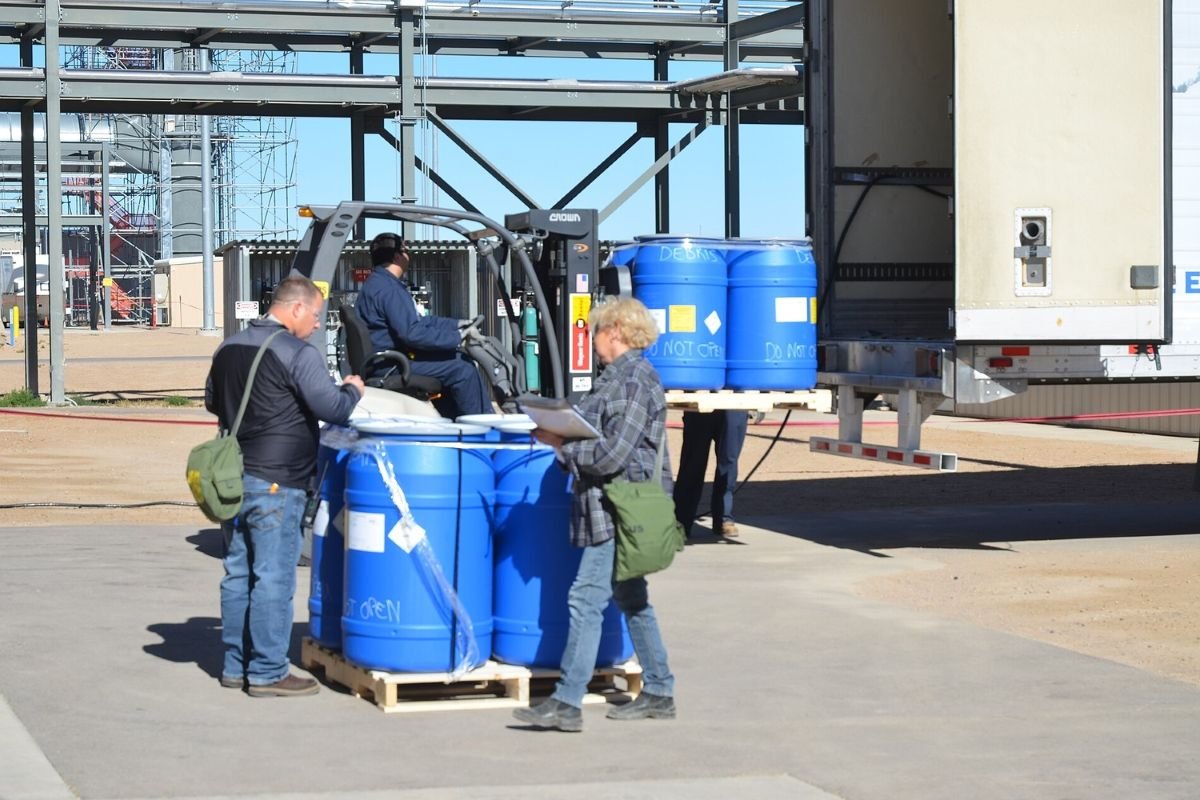
Si su equipo fleja solo unas pocas cajas, paquetes o palés, y el trabajo varía de un encargo a otro, las flejadoras, selladoras, cortadoras y dispensadoras manuales pueden ser suficientes. Si el flejado se repite durante todo el turno, si los operarios se agachan o rodean los palés en cada ciclo, o si la tensión y la calidad del sellado varían según el operario, una flejadora o una solución móvil de flejado de palés suele ser la mejor opción.
Seleccione según el cuello de botella, no según el nombre de la herramienta. Si la correa está floja, revise el paso de tensado. Si se producen fallos en la unión, revise la selladora y el método de sellado. Si el rollo se enreda o se desplaza por el suelo, empiece por el dispensador. Si varios pasos son lentos, agotadores o inconsistentes, el problema ya no reside en una sola herramienta deficiente, sino en todo el proceso de flejado.
Antes de comprar, confirme el tipo de carga, el material, el ancho y el grosor de la correa, la cantidad diaria de correas, el movimiento del operario, el acceso a la paleta y el costo de una correa defectuosa. Estos detalles determinan si una actualización de herramientas de bajo costo es suficiente o si el proceso requiere un control a nivel de máquina.
Tabla de decisiones rápidas
| Problema actual | Mejor punto de partida | Qué verificar antes de comprar |
|---|---|---|
| Flejado ocasional de cajas, paquetes o palés ligeros. | Tensor, sellador, cortador y dispensador manual | Material de la correa, ancho de la correa, tipo de sello y alcance del operador |
| La correa enrollable se suelta, se enreda o crea desorden en el suelo. | Carro dispensador o de flejado | Diámetro del rodillo, tamaño del núcleo, control de frenado, ruedas y almacenamiento de herramientas |
| Los operarios no pueden aplicar una tensión de correa uniforme. | Mejor tensor o herramienta manual eléctrica | Rango de tensión, peso de la herramienta, grosor de la correa y riesgo de aplastamiento de la carga. |
| La correa se desliza o se rompe en la articulación. | Método correcto de sellado, sellado o soldadura | Material de la correa, tamaño del sello, calidad del engaste o soldadura y fuerza del operador |
| Cortar las correas provoca daños en el producto o riesgos para la seguridad. | Cortador de flejes adecuado | Material de la correa, protección de la hoja, comodidad del mango y riesgo de retroceso. |
| Flejado repetido de cajas en una estación | Máquina flejadora de cartón semiautomática o automática | Rango de tamaño de la caja, altura de la mesa, ritmo del ciclo y recorrido de la correa |
| El flejado de palés requiere agacharse, caminar o pasar la correa por debajo del palé. | Flejadora móvil de tarimas | Espacio inferior del palé, ancho de la carga, material de la correa, disposición de la plataforma y rutina de carga. |
| Las cargas de alto riesgo se aflojan durante el almacenamiento o el transporte. | Proceso a nivel de máquina más especificación correcta de la correa | Tensión retenida, protección de bordes, consistencia del sellado y pruebas de transporte reales. |
Utilice la tabla como primer filtro. La decisión final debe basarse en la observación del ciclo de flejado actual y en la identificación del paso que genera mayor retrabajo, fatiga o variación.
¿Qué problema resuelven realmente los tensores de flejado?
Los tensores de flejado facilitan el proceso de tracción. El operario envuelve la correa alrededor de la carga, la tensa con el tensor y, a continuación, la cierra con un sellador, una hebilla, una soldadura u otro método de unión, según el sistema.
Son más adecuados cuando:
- El volumen de flejado es bajo o irregular.
- Las cargas se manipulan en diferentes zonas del almacén.
- El tamaño del producto cambia con frecuencia.
- El equipo necesita una configuración flexible y de menor coste.
- Los operarios pueden acceder a la carga de forma segura.
- La carga puede tolerar variaciones de tensión manuales.
La limitación reside en la repetibilidad. La tensión manual depende de la fuerza del operario, su postura, el estado de la herramienta, el material de la correa y la dificultad para alcanzar la carga. Un tensor puede mejorar el proceso de tracción, pero no solucionará un sellado deficiente, un rollo de correa enredado, un espacio inadecuado entre palés o una disposición que obligue a los operarios a rodear cada carga.
Antes de elegir un tensor, confirme:
- Material de la correa: PP, PET, acero, material compuesto o correa tejida.
- Rango de ancho y grosor de la correa.
- Ya sea que la herramienta sea manual, a batería, neumática o de otro tipo.
- Si la herramienta coincide con el método de sellado, hebilla o soldadura.
- Si la carga es sensible al aplastamiento.
- Cuántas veces repite cada operario el movimiento por turno.
- Ya sea que el trabajo se realice a la altura de la cintura, por debajo de la rodilla o por encima de la altura de los hombros.
Para especificaciones de correas no metálicas, los compradores pueden utilizar ASTM D3950 como punto de referencia al hablar de las propiedades de las correas y las expectativas de las pruebas con los proveedores.
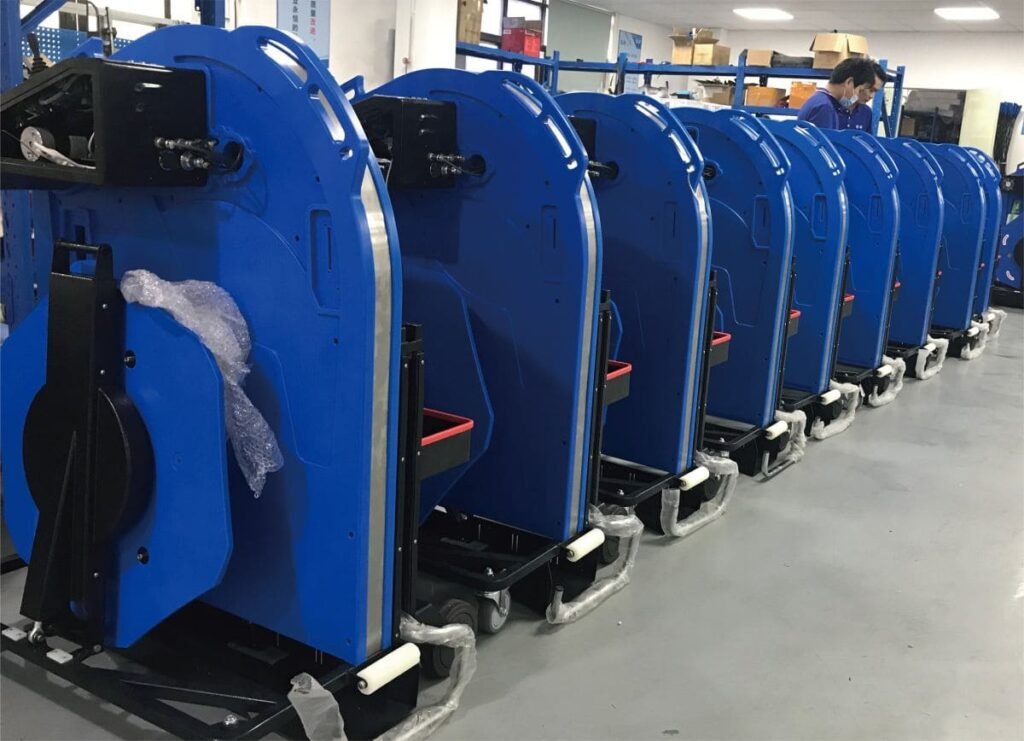
Los selladores deciden si la junta resiste.
Una máquina selladora de flejes cierra la correa después de tensarla. Según el material y el nivel de equipamiento, la unión puede realizarse mediante un sello metálico, un engaste, una soldadura por fricción, un sellado térmico, una hebilla u otro método de cierre.
Es necesario revisar detenidamente el sellador, ya que la unión suele ser el primer punto débil. Una correa resistente con una unión débil sigue dando como resultado un paquete frágil.
Revise el sellador cuando:
- Las correas se deslizan en la articulación.
- Las juntas metálicas se deforman de forma desigual.
- Los operarios necesitan aplicar una fuerza manual excesiva.
- La calidad del sellado varía según el operador.
- El equipo cambia el ancho, el grosor o el material de la correa.
- A menudo, la reparación comienza en la zona sellada.
La cuestión a la hora de comprar no es solo qué selladora es más barata. También influyen factores como si la selladora crea una unión fiable con la correa, el riesgo de carga, la habilidad del operario y el número de ciclos por turno.
Si la junta es el único punto débil, un mejor sellador, un tipo de sellador diferente o una herramienta manual eléctrica podrían ser suficientes. Si el operario también debe alimentar, tirar, sellar, cortar y mover la carga varias veces por turno, el flujo de trabajo más amplio podría requerir una máquina en lugar de otra herramienta manual.
Las cuchillas son herramientas pequeñas con un impacto real en la seguridad.
Una cortadora de flejes elimina el exceso de fleje o corta los flejes ya aplicados durante la recepción, el reprocesamiento o el desembalaje. Aunque parezca un accesorio menor, influye en los daños al producto, la seguridad del operario y la velocidad de recepción.
Los cortes improvisados no son una buena forma de ahorrar dinero. Los cuchillos pueden resbalar, rayar los productos, cortar cajas o soltar una correa de forma incontrolada. Las correas de acero y PET bajo tensión requieren un manejo especialmente cuidadoso, ya que su retroceso repentino puede lesionar a los operarios o dañar la mercancía cercana.
Seleccione los cortadores en función de:
- Material y grosor de la correa.
- Si la correa suele estar bajo tensión cuando se corta.
- Protección de la cuchilla.
- Comodidad al manipular el arma con y sin guantes.
- Riesgo de la superficie del producto.
- Lugar donde se realiza el corte: muelle de recepción, área de reprocesamiento, célula de producción o estación de empaquetado.
Si el corte es frecuente, la herramienta de corte debe considerarse parte integral del flujo de trabajo, en lugar de un elemento secundario. Una herramienta de corte más segura puede reducir los daños y disminuir la probabilidad de que los operarios utilicen atajos peligrosos.
Los dispensadores controlan la estación de trabajo manual.
Un dispensador o carro de flejado sostiene el rollo de fleje y permite al operario extraer el material de forma controlada. Esto reduce los enredos, la torsión del fleje, el desbordamiento, el fleje suelto en el suelo y el tiempo perdido buscando herramientas o sellos.
El flejado manual suele volverse ineficiente antes de que falle la herramienta principal. Los operarios pierden tiempo evitando que el rollo se descontrole, arrastrando la cinta por el suelo, trasladando los precintos entre las áreas de trabajo o llevando herramientas separadas al siguiente palé.
Un dispensador es útil cuando:
- Los rollos de correas son pesados o difíciles de manejar.
- Los operarios se desplazan entre las diferentes zonas de embalaje.
- El suelo debe permanecer despejado.
- La torsión de la correa ralentiza la alimentación.
- Las cortadoras, selladoras y sellos necesitan un único lugar de almacenamiento.
- Las herramientas manuales siguen siendo el nivel de equipamiento adecuado.
Para una estación fija, verifique el diámetro del rollo, el tamaño del núcleo, el control de frenado, el almacenamiento de herramientas y si el operario puede tirar de la correa sin apartarse de la superficie de trabajo. Para su uso en almacenes móviles, verifique también la calidad de las ruedas, el ancho del pasillo, las rampas, el tráfico de montacargas, la altura del asa y dónde se puede estacionar el carro sin que represente un peligro.
Si el dispensador organiza la zona, pero los operarios siguen agachándose, caminando o empujando las correas debajo de los palés en cada ciclo, el problema principal probablemente reside en el flujo de trabajo de los palés, más que en el control del rollo.
Cuando una máquina flejadora se convierte en la mejor opción
Una máquina flejadora controla gran parte del ciclo. Según el tipo de máquina, puede alimentar, tensar, sellar y cortar la cinta con menos trabajo manual y mayor repetibilidad.
Las máquinas tienen más sentido cuando:
- El proceso de sujeción se realiza varias veces por turno.
- Las cajas se mueven a través de una estación de embalaje estándar.
- Los palets se sujetan con correas en zonas de preparación predefinidas.
- Es necesario estandarizar la tensión y la calidad del sellado.
- Los operarios pierden tiempo caminando, agachándose o alimentando la correa manualmente.
- Reparar las correas sueltas o rotas resulta costoso.
- La formación debe ser más uniforme entre todos los operadores.
La mejora no se limita a la velocidad, sino que también implica un mayor control del ciclo. Una máquina puede reducir la variabilidad cuando el trabajo manual depende demasiado de la fuerza, la postura, la memoria o la técnica del operario.
Para una comparación de equipos más amplia, revise las categorías principales en un Guía de tipos de máquinas flejadoras antes de elegir entre herramientas manuales, máquinas semiautomáticas, máquinas automáticas y equipos móviles de flejado de palés.
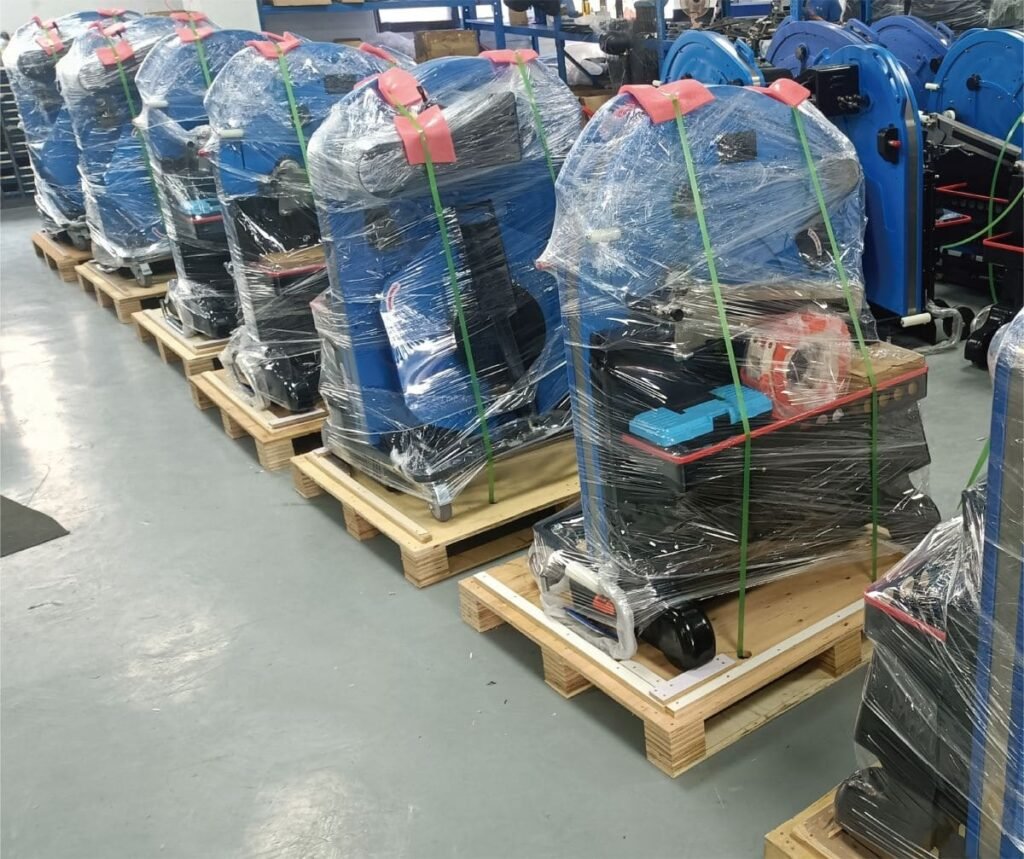
Las cajas de cartón y los palés requieren un enfoque diferente.
El flejado de cajas suele ser un problema de la estación de embalaje. El producto normalmente se puede llevar a la herramienta o máquina, por lo que las preguntas principales son el rango de tamaño de la caja, la altura de la mesa, el ritmo del ciclo, la tensión del fleje, la consistencia del sellado y si la máquina necesita conectarse a una cinta transportadora o a una mesa de embalaje.
El flejado de palés suele implicar dificultades de movimiento. Los operarios pueden necesitar agacharse, rodear la carga, pasar la correa por la abertura del palé, trabajar cerca del tráfico de carretillas elevadoras o flejar cargas en varias zonas de preparación. En ese caso, la herramienta manual es solo una parte de la decisión.
Utilice esta división al evaluar el siguiente paso:
| Flujo de trabajo | Las herramientas manuales pueden encajar cuando | Una máquina puede encajar cuando |
|---|---|---|
| Cajas | El volumen es bajo, los tamaños varían y el tiempo de ciclo no es un cuello de botella. | Las cajas se sujetan repetidamente en una estación fija. |
| Paquetes | Los operadores necesitan ubicaciones flexibles y manejo sencillo. | El tamaño del paquete es consistente y la salida repetida importa. |
| Palets | Los palets son ocasionales y de fácil acceso. | Los operarios se agachan, caminan o introducen la correa debajo de los palés en cada ciclo. |
| Trabajo mixto en almacén | La flexibilidad importa más que la velocidad. | El retrabajo, la fatiga o la inconsistencia se han vuelto medibles. |
Para flujos de trabajo de palets donde el doblado y la alimentación por debajo del palet son el principal problema, se necesita una máquina flejadora semiautomática móvil Puede que abarque más aspectos del flujo de trabajo que un nuevo tensor manual.
Dónde encaja la solución de palets móviles de SelectPack
La flejadora semiautomática móvil SelectPack resulta especialmente útil cuando la carga ya está paletizada y la parte más compleja consiste en colocar la fleje debajo o alrededor del palé. Se trata de una solución para el flujo de trabajo de paletización, no de un reemplazo general para todas las flejadoras.
Puede ser adecuado cuando:
- Los palés están sujetos con correas en varias zonas del almacén.
- Una estación de flejado fija generaría movimientos adicionales de montacargas.
- Actualmente, los operarios tienen que agacharse o rodear los palés para coger cada correa.
- Se utiliza fleje de plástico PP o PET.
- La parte inferior del palé tiene una abertura suficiente para un mecanismo de alimentación de flejes.
- El equipo busca un sistema de flejado de palés más uniforme sin necesidad de instalar una línea completa con cinta transportadora.
Puede que no sea la primera opción correcta cuando:
- El trabajo consiste principalmente en flejar cajas de cartón ligeras en un banco de trabajo.
- Los palets tienen plataformas cerradas, muy poca altura libre en la parte inferior o vías de sujeción bloqueadas.
- Se requiere flejado de acero.
- El principal problema reside simplemente en un sellado deficiente en un proceso manual que, por lo demás, es aceptable.
- Las cargas son demasiado inestables antes de ser flejadas y requieren primero un sistema de sujeción, envoltura elástica, protección de bordes o un rediseño del embalaje.
Para los compradores que aún están definiendo la categoría de equipo, el ¿Qué es una guía para máquinas flejadoras? Explica el concepto general de la máquina antes de comparar modelos específicos.
La ergonomía debería formar parte de la decisión de compra.
El flejado manual es un trabajo físico repetitivo. La herramienta puede parecer sencilla, pero el agarre, el tirón, la flexión, el corte y el caminar repetidos pueden convertirse en un verdadero coste cuando la tarea se repite durante un turno.
Al evaluar herramientas o máquinas manuales, compruebe lo siguiente:
- Con qué frecuencia se repite el movimiento por turno.
- Tanto si los operarios trabajan por encima de la altura de los hombros como por debajo de la altura de las rodillas.
- Si el peso de la herramienta provoca fatiga.
- Si el mango se adapta a las manos enguantadas.
- Si los operarios tienen que girar alrededor de los palés.
- Ya sea que los rollos de cinta se transporten, se empujen o se controlen mediante un dispensador.
- Si el proceso crea atajos que reducen la calidad de la correa.
Lugar de trabajo general Guía ergonómica de OSHA es útil al revisar tareas manuales repetitivas y Guía de ergonomía para herramientas manuales Puede ayudar a los compradores a pensar más allá del precio de compra al comparar el agarre, la fuerza, la postura y el uso repetido.
Esto no significa que todas las operaciones deban automatizarse. Significa que la decisión debe tener en cuenta el esfuerzo del operario, no solo el coste de la herramienta.
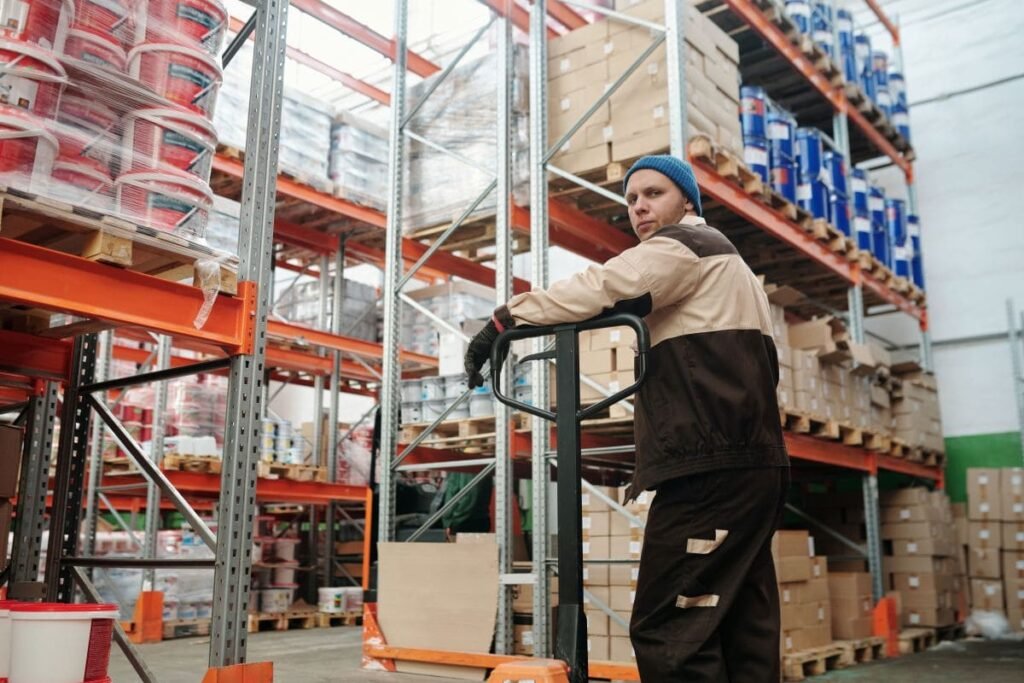
Qué enviar a un proveedor antes de solicitar un presupuesto.
Una recomendación útil requiere más que el nombre del producto. Antes de solicitar tensores de flejado, selladoras, cortadoras, dispensadores o cualquier otra máquina, prepare los detalles del proceso actual.
Enviar al proveedor:
- Tipo de carga: caja de cartón, paquete, palé, bandeja o cargas mixtas.
- Peso del producto, dimensiones y zonas sensibles a la compresión.
- Material de la correa, ancho, grosor, diámetro del rollo y tamaño del núcleo.
- Método de sellado actual y puntos de fallo comunes.
- Número de correas aplicadas por turno.
- Vídeo corto o fotos del ciclo de sujeción actual.
- Lugar donde se realiza el trabajo: banco de trabajo fijo, línea de embalaje, área de recepción o zona de preparación de palés.
- Tipo de palé, abertura inferior y tráfico de carretillas elevadoras si se utiliza flejado de palés.
- Ya sea que los operarios informen sobre fatiga, dificultades para alcanzar objetos o necesidad de rehacer el trabajo.
- Cualquier fallo de almacenamiento o transporte relacionado con correas sueltas, rotas o deslizadas.
Si el proveedor solo recomienda una categoría de producto sin hacer estas preguntas, el presupuesto puede basarse en el tipo de equipo en lugar de en su idoneidad para la aplicación.
Lista de verificación práctica para la compra
Antes de aprobar una compra, pruebe el equipo comparándolo con el proceso real.
Utilice esta lista de verificación:
- ¿La herramienta o máquina se ajusta al material, ancho y grosor de la correa?
- ¿El método de sellado se ajusta al riesgo de la correa y la carga?
- ¿Pueden los operarios aplicar una tensión constante sin dañar el producto?
- ¿Funciona la cuchilla de forma segura cuando la correa está bajo tensión?
- ¿El dispensador controla el rollo sin que se desborde ni se retuerza la correa?
- ¿El equipo se ajusta a la altura de trabajo real y a la distribución del suelo?
- En el caso de los palets, ¿puede la correa pasar sin problemas a través de la abertura del palet?
- ¿Funciona el proceso con la carga más pesada, más alta, más inestable y más difícil de manejar?
- ¿Son fáciles de manejar las piezas de desgaste, las cuchillas, las baterías, las juntas y los ajustes?
- ¿La prueba incluye a operadores habituales, y no solo una demostración del proveedor?
Errores comunes al comprar
Evita estos errores:
- Comprar un tensor cuando el verdadero problema es una junta defectuosa.
- Comprar una selladora cuando el verdadero problema es la fatiga del operario.
- Comprar un dispensador y esperar que solucione el problema de la alimentación por debajo del palé.
- Es importante elegir la máquina antes de comprobar el ancho, el grosor y la compatibilidad del material de la correa.
- Comparación del precio de compra sin tener en cuenta las modificaciones, los productos dañados ni el tiempo de mano de obra.
- Utilizar una sencilla prueba con una caja de cartón para aprobar equipos que se utilizarán en palés difíciles.
- Ignorar el espacio libre en la parte inferior del palé antes de elegir una solución móvil de alimentación de flejes.
- Suponiendo que una máquina pueda corregir una carga inestable que deba rediseñarse antes del flejado.
La mejor elección de equipo suele provenir de la observación del ciclo de flejado real, no de la comparación de nombres de herramientas.
Cómo tomar la decisión final
Los tensores, selladores, cortadores, dispensadores y máquinas de flejado resuelven diferentes partes de un mismo flujo de trabajo. Los tensores aprietan la correa. Los selladores crean la unión. Los cortadores mejoran la extracción y la seguridad. Los dispensadores controlan la manipulación de los rollos y la organización de las herramientas. Las máquinas controlan una mayor parte del ciclo cuando el volumen, la fatiga o la inconsistencia se vuelven significativos.
Comience por el cuello de botella. Si el problema radica en un solo paso manual, una herramienta mejor podría ser suficiente. Si todo el proceso de flejado es repetitivo, físicamente exigente o poco fiable, compare la configuración manual con una flejadora o una solución móvil de flejado de palets utilizando cargas reales, operarios reales y la distribución real del almacén.