If water-activated tape is not sticking, check three separate conditions: whether the adhesive was activated evenly, whether the carton surface accepts that tape, and whether the strip was placed and pressed correctly. Hold the affected cartons for inspection and change one variable at a time. A stronger backing or extra water is not a reliable correction without identifying the failure.
Use the tape supplier’s instructions and the dispenser’s operating manual for activation settings and approved care. There is no single water temperature, wetting amount or waiting time that applies to every adhesive, machine and carton.
Preserve a failed closure before changing the setup
A failed carton provides useful evidence only if its tape, surface and application conditions remain identifiable. Retain a representative sample before replacing tape, changing cartons or adjusting the dispenser.
Record the tape grade and lot, dispenser model, carton supplier and surface, operator sequence and when the failure became visible. Note whether the failure affects every box, one carton family, a new tape lot or only a particular part of the strip.
Inspect the observed failure without treating appearance as a complete diagnosis. Does the tape lift cleanly from the carton? Does the backing tear? Is the closure loose at the seam but attached to the panels? Does one edge release while the other remains attached? Those are different observations and deserve different checks.
Do not dispatch cartons that fail the agreed closure criteria. Apply the site’s approved rework method after the cause is understood; repeatedly covering a failed strip can hide the condition rather than establish a sound closure.
Use the failure pattern to choose the first check
The location and timing of a failure help prioritize checks, but they do not prove a cause on their own. Compare the failed closure with a known acceptable closure made under controlled conditions.
| Beobachtung | First checks | Useful comparison |
|---|---|---|
| One edge repeatedly releases | Wetting coverage and strip contact | Same grade on the same carton with verified application |
| Only one carton type fails | Liner, coating, dust and seam geometry | Current tape on an approved reference carton |
| Failures begin with a new tape lot | Grade identity, storage and lot condition | Retained acceptable tape on the same carton |
| Adhesion varies between operators | Placement, pressure and handling sequence | One agreed application method across operators |
| Tape attaches to panels but closure opens | Flap fit, gap and contents pushing outward | Correctly fitted carton with the same closure pattern |
| Backing tears during handling | Material grade and package stresses | Approved grade under the same handling check |
When the backing is the concern, evaluate the reinforced versus non-reinforced tape choice. Reinforcement changes the tape structure; it does not resolve an adhesive-to-carton failure.
Check adhesive activation within the approved procedure
Uneven or unsuitable activation needs to be corrected using the exact dispenser and tape instructions. Increasing water or heat by guesswork replaces a controlled setting with another unverified condition.
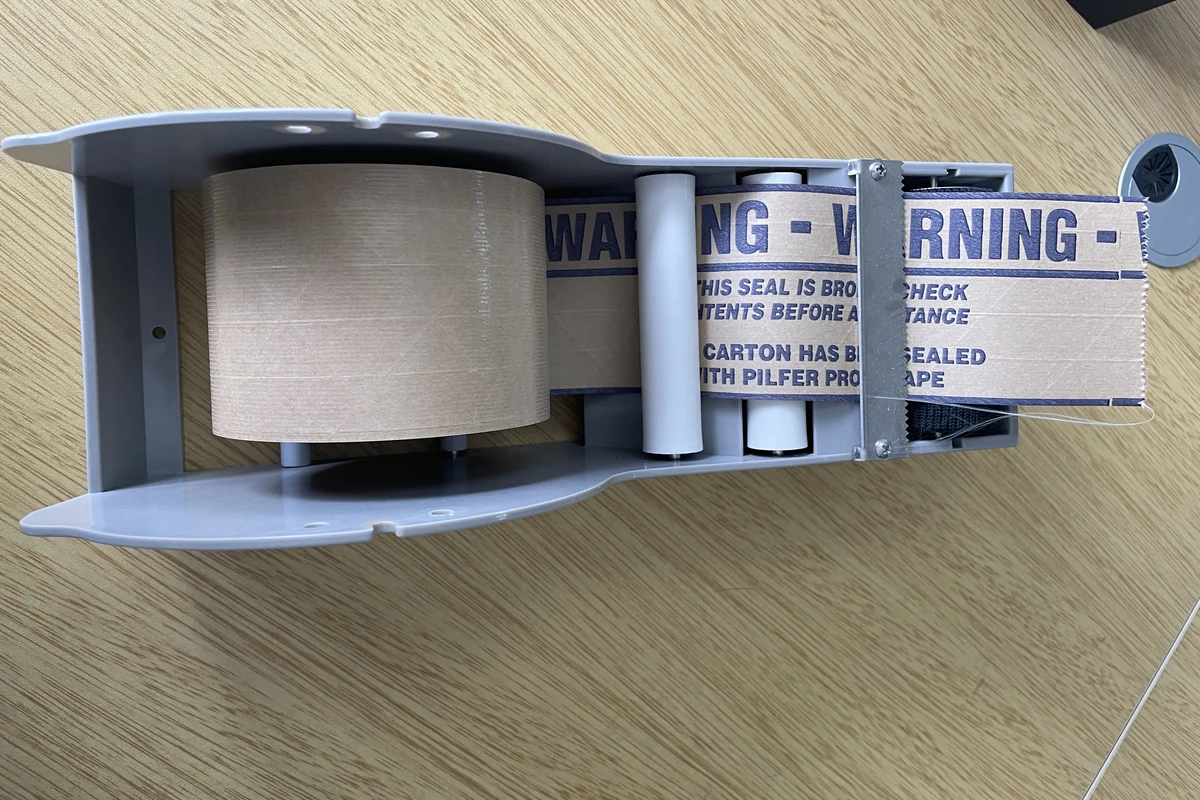
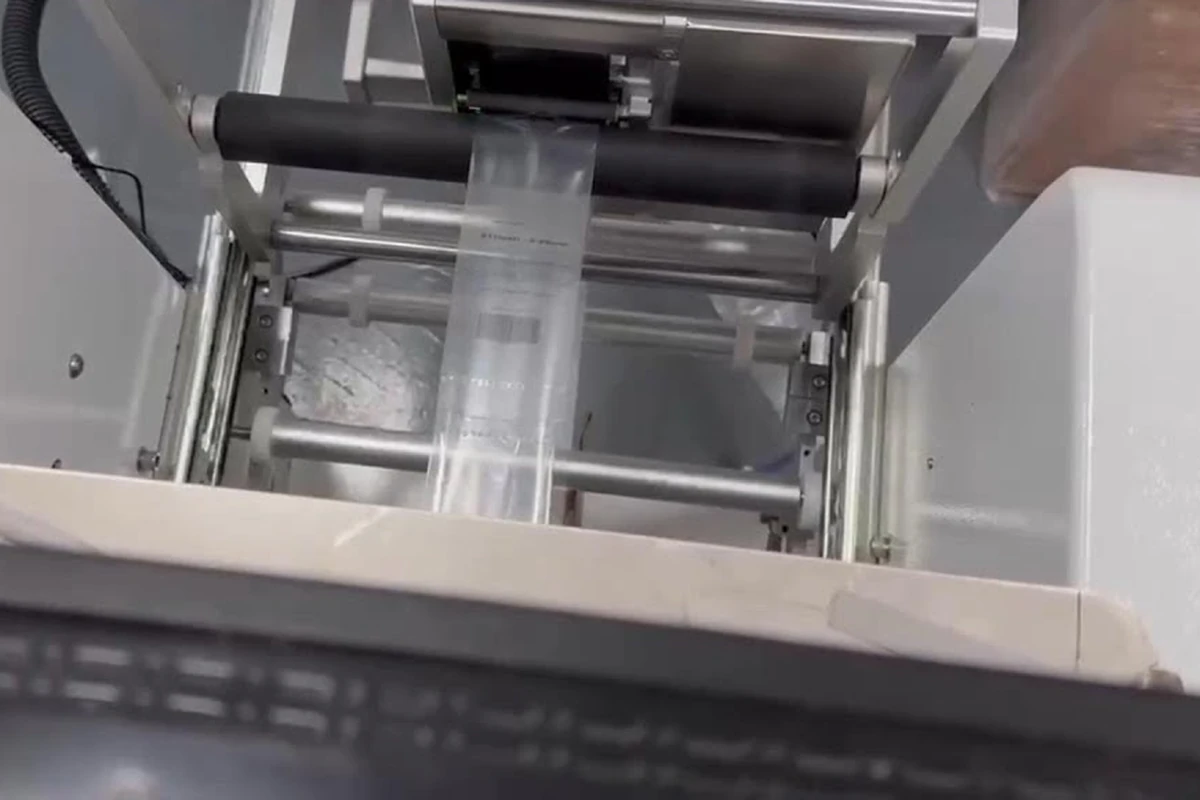
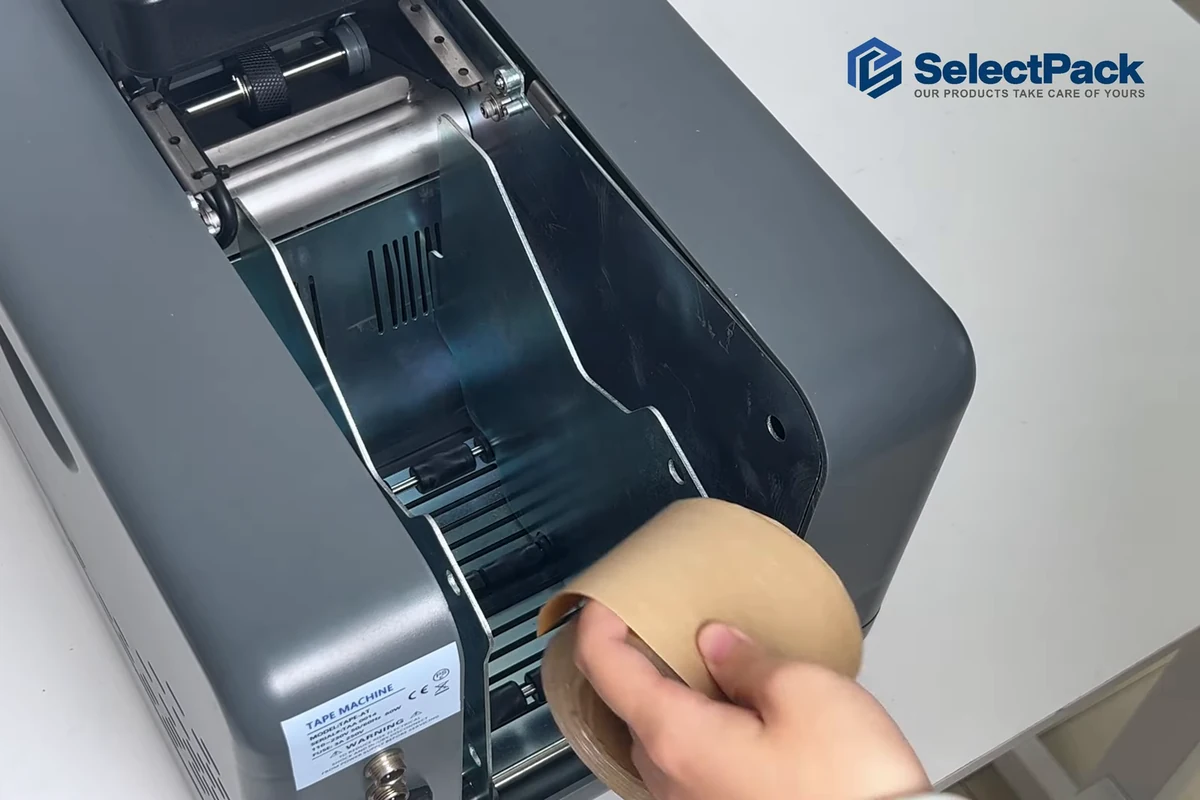
Confirm that the machine has the required water supply or reservoir condition and that the tape follows the specified wetting path. Observe the dispensed strip for uneven wetting, dry bands or other changes from an acceptable reference. Record those observations for the supplier rather than applying a universal “wet enough” rule based on appearance alone.
Perform only operator care permitted by the manual. Water-contact parts require the manufacturer’s approved cleaning method and schedule. Follow the specified shutdown and isolation procedure before any care task that requires it. Do not open electrical compartments, reach into the cutter or improvise brush, blade or heater repairs.
If the dispenser includes heating, use the approved settings for the configuration and tape. Heating does not approve a coated carton, compensate for an unsuitable adhesive grade or guarantee a faster usable bond.
A tape that wanders, folds or cuts incompletely also needs a feed check. Review the roll and dispenser compatibility requirements before treating those symptoms as purely an adhesive problem.
Test the carton surface as a separate variable
A carton surface that differs from the approved trial needs its own compatibility check. Record the liner and finish rather than assuming all brown corrugated boxes behave alike.
Check for dust, contamination, dampness, coating and heavy printing beneath the tape. Inspect new and reused cartons separately. Also examine whether crushing or surface damage prevents full contact across the required area.
Make a controlled comparison using the current tape on a retained acceptable carton and the suspect carton, with the same approved activation and application method. If the result differs, investigate the carton specification and surface condition before purchasing a different dispenser.
Do not add solvents, primers or other treatments without an approved material procedure. For an unfamiliar coating or liner, ask the tape supplier to assess samples and confirm the proposed grade. The appropriate result might be a different tape grade, a revised carton surface or a different closure method; extra water is not the default answer.
Check contact across the seam and panels
Water-activated tape needs the required panel contact as well as a correctly activated adhesive. A strip that bridges a flap gap, wrinkles or receives pressure only in the center does not represent a controlled application.
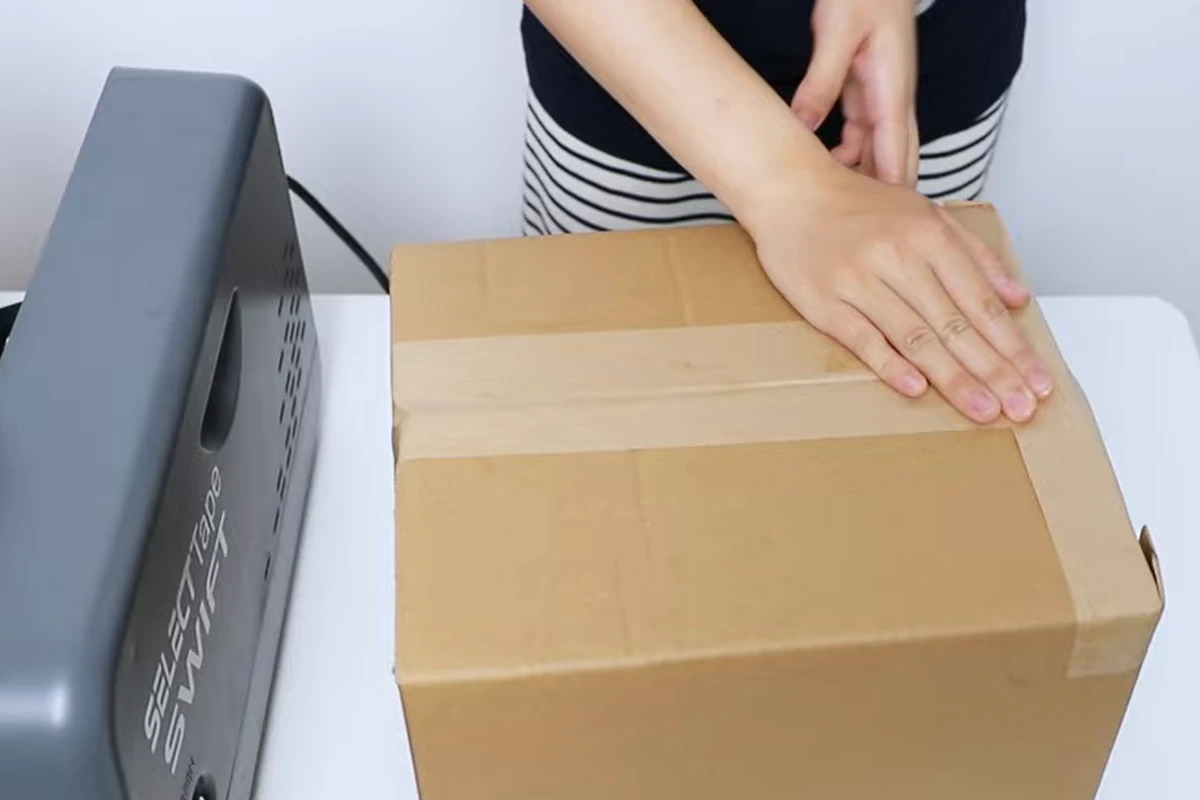
Observe the complete operator sequence. Confirm that carton flaps close as intended, the strip covers the specified seam and overlap, and pressure is applied over the required contact area. Follow the tape supplier’s instructions for handling the activated strip and the dispenser’s instructions for dispensing.
Record the interval from wetting to placement and pressing, especially when the operator pauses or prepares several strips in advance. Apply the strip within the tape supplier’s stated application window. An evenly wetted strip at the dispenser does not establish that the adhesive remained in the required condition when it reached the carton.
Avoid placing a new strip over dust, loose tape or an unapproved previous repair. Check long strips for folds and short strips for inadequate panel overlap. If contents push the flaps outward, review box fit and packout rather than asking the tape to compensate for an unsuitable carton.
Use the agreed conditioning interval before judging the closure. Record when the carton is handled and when it is inspected. Immediate lifting and inspection after storage are different conditions, so neither should be reported without its timing.
Make a controlled comparison, then validate the correction
Change one input at a time so the result identifies a useful cause. Start with a known acceptable tape, carton and approved procedure wherever those references are available.
For example, compare two carton surfaces using one tape lot and one operator method. In a separate comparison, change the tape lot while keeping the carton and procedure fixed. If several settings change together, an improved closure does not show which change was necessary.
Log the sample identity, changed variable, application conditions, inspection timing and result. Repeat the corrected closure on the representative carton range and under the handling checks required for the shipment. A single satisfactory strip does not establish production repeatability or transport protection.
Escalate with a specific failure record
Persistent activation problems, feeding faults or abnormal machine behavior require supplier support or authorized service. Stop use in accordance with the manual when the condition falls outside permitted operator checks.
Provide the machine identifier, tape grade and roll specification, carton surface details, failure samples or photographs, and the controlled comparisons already performed. State whether the strip fails at the carton interface, in the backing or because the seam remains open. These details make a support request more useful than “the tape does not stick.”
For a SelectTape station, use the SelectPack tape and dispenser range to identify the equipment and consumable involved. Request a compatibility or application review with the failure record. Confirm the corrective procedure and its acceptance criteria before returning the affected closure to ordinary production.