
Across warehouses, fulfillment centers, and manufacturing facilities, cardboard boxes are everywhere. Inbound goods arrive packed in corrugated cartons, products are repacked for outbound shipping, and empty boxes quickly pile up at the end of each shift. For many businesses, this used cardboard is treated as an unavoidable by-product — something to bale, store, and pay to have removed. At the same time, those very same operations are spending significant money on void fill materials such as bubble wrap, foam, or air pillows to protect outbound shipments.
A cardboard shredder for packaging connects these two problems with a single solution. Instead of discarding used cartons, businesses can process them on site and turn them into effective void fill. What was once packaging waste becomes a practical cushioning material that supports products in transit, reduces purchasing costs, and aligns with sustainability goals.
This article explains how cardboard shredders work, how shredded cardboard is used as void fill, and why more businesses are adopting this approach as part of their everyday packaging operations.
Why Cardboard Waste Is a Challenge for Businesses
Cardboard is one of the most common packaging materials in global supply chains. Its strength, low cost, and recyclability make it ideal for transporting goods. However, once cartons are unpacked, they immediately become waste that must be managed.
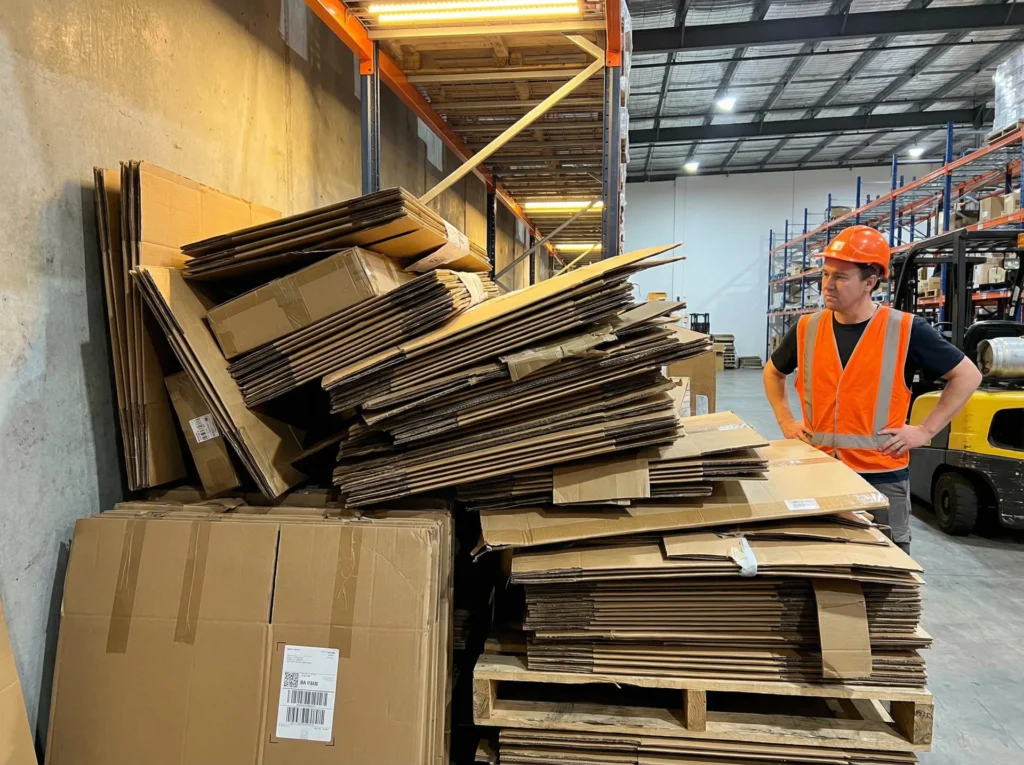
High Volumes of Corrugated Cardboard
Warehouses and distribution centers can generate large volumes of cardboard waste every day. Inbound shipments from multiple suppliers often arrive in different box sizes and formats, many of which cannot be reused directly. E-commerce operations may also receive returns, damaged cartons, or oversized boxes that are unsuitable for outbound shipping.
As a result, used corrugated cardboard accumulates rapidly, taking up valuable floor space and requiring frequent handling.
Ongoing Disposal and Recycling Costs
While cardboard is recyclable, recycling is not free. Businesses must factor in labor for collection and sorting, space for storage or baling, and regular pickup or disposal fees. In some regions, recycling services charge by volume or weight, making cardboard waste a recurring operational cost rather than a neutral activity.
For growing operations, these costs tend to rise alongside order volume, creating a scaling problem rather than a one-time expense. If you’re weighing the numbers, our detailed guide on cardboard shredder vs. buying void fill walks through the full cost comparison.
Sustainability and Waste Reduction Pressure
Beyond cost, businesses face increasing pressure to reduce waste. Customers, partners, and regulators are paying closer attention to packaging practices. Excessive waste — especially when combined with single-use plastics — can conflict with corporate sustainability targets and environmental commitments.
Managing cardboard waste efficiently is no longer just a housekeeping issue. It is part of a broader conversation about responsible packaging and resource use.
What a Cardboard Shredder Is and How It Works
A cardboard shredder, sometimes referred to as a cardboard perforator, is a packaging machine designed to process used corrugated cartons into cushioning material. Unlike traditional shredders that reduce material to small fragments, these machines transform cardboard into structured strips or pads that retain strength and volume.
Basic Working Principle
The process begins by feeding flattened cartons into the machine. Inside, rotating shafts with cutting and perforating blades slice the cardboard in a controlled pattern. Depending on the design, the output may be expanded, honeycomb-like material or layered strips that can be stretched to increase volume.
This structure is what makes shredded cardboard suitable for packaging. Instead of becoming loose waste, the cardboard gains cushioning properties that allow it to absorb shock and fill empty space inside shipping boxes.
On-Site Cardboard Processing
One of the key advantages of a cardboard shredder is that it operates directly within the packaging area. There is no need to send cardboard off site for processing or wait for recycled material to return. Waste cartons are converted into usable void fill within minutes, right where packing takes place.
This on-site approach reduces handling steps and keeps material flow simple and predictable. For a full overview of the machines available, explore SelectPack’s cardboard shredder range.
Output as Paper-Based Cushioning
The processed cardboard can be used immediately or stored temporarily near packing stations. The expanded structure makes it easy to tear, fold, or layer into boxes, adapting to different product shapes and sizes. Because the material originates from corrugated cardboard, it maintains a balance of rigidity and flexibility that works well for many shipping applications.
How Cardboard Is Turned into Void Fill Packaging
Turning used cartons into void fill is a straightforward process that fits naturally into daily packaging routines.
Collecting and Preparing Used Cartons
The first step is collecting empty boxes from receiving areas or unpacking stations. Tape, labels, and minor contaminants are usually not an issue, though excessively reinforced cartons may require simple preparation, such as removing thick plastic straps.
Flattening cartons helps ensure smooth feeding into the shredder and reduces the risk of jams.
Shredding and Expanding the Material
Once fed into the machine, the cardboard is cut and perforated. Many systems expand the material as it exits, increasing its volume and improving cushioning performance. The output can often be adjusted depending on the type of cardboard and the desired void fill density.
This flexibility allows businesses to tailor the material to their specific packaging needs. For guidance on selecting the right machine, see our guide on how to choose the right cardboard shredder for your business.
Using Processed Cardboard as Void Fill
At the packing station, shredded cardboard is placed around products inside shipping cartons. It fills empty spaces, prevents movement, and provides a buffer against impacts during transport. The material can be layered at the bottom of the box, wrapped around items, or placed on top as needed.
After delivery, the end customer can recycle the cardboard along with the box itself, simplifying disposal — a meaningful advantage over plastic void fill that often ends up in landfill.
Benefits of Shredded Cardboard for Packaging
Cost Efficiency
One of the most immediate benefits of using shredded cardboard as void fill is cost reduction. By repurposing existing waste, businesses reduce or eliminate the need to purchase traditional void fill materials. Over time, this can lead to significant savings, especially for high-volume shippers.
In addition, converting waste on site reduces disposal volumes, which can lower recycling or waste handling fees. The combination of reduced purchasing and reduced disposal costs improves overall packaging economics. For a detailed breakdown, see Cardboard Shredder vs. Buying Void Fill: Cost & Sustainability Comparison.
Sustainability
Shredded cardboard is a paper-based, recyclable material. Using it as void fill keeps cardboard in circulation longer and reduces reliance on plastic alternatives. This approach supports waste reduction goals and aligns with circular economy principles by maximizing the use of existing resources.
For businesses aiming to improve their environmental profile, cardboard-based void fill offers a visible and practical step toward more sustainable packaging. According to the American Forest & Paper Association, corrugated cardboard has a recycling rate of over 91 percent in the United States — the highest of any packaging material — making it one of the most responsibly managed materials in the supply chain.
Shipping Protection
From a functional standpoint, shredded cardboard provides reliable protection for many types of goods. Its structure absorbs shocks, fills voids effectively, and stabilizes products during transit. While it may not replace specialized materials for every application, it performs well for a wide range of products, from consumer goods to industrial components.
Because the material is generated in-house, packers can easily adjust the amount used, ensuring consistent protection without over-packing. For applications requiring more structured cushioning, paper cushioning machines offer a complementary solution.
Businesses That Benefit Most from Cardboard Shredders
E-Commerce Fulfillment Centers
E-commerce operations handle large volumes of inbound and outbound cartons daily. Returns, repackaging, and order consolidation all generate cardboard waste. A cardboard shredder allows fulfillment centers to reuse this material immediately, reducing dependence on purchased void fill and improving packing efficiency.
Warehouses and Distribution Centers
Distribution hubs often receive goods in bulk packaging that must be removed before onward shipment. Shredding this cardboard on site turns a disposal challenge into a resource that supports outbound logistics. For operations evaluating a full packaging equipment upgrade, explore SelectPack’s protective packaging solutions.
Manufacturing and Assembly Facilities
Manufacturers frequently unpack components and materials before assembly. The resulting cardboard waste can be processed into void fill for shipping finished goods, creating a closed-loop packaging system within the facility.
Third-Party Logistics Providers
3PLs manage packaging for multiple clients, each with different requirements. Using shredded cardboard as a flexible void fill solution allows them to adapt quickly while controlling material costs and waste volumes.
Cardboard Shredders vs. Traditional Void Fill Materials
Traditional void fill materials include bubble wrap, foam inserts, air pillows, and molded plastics. While each has its place, cardboard-based void fill offers distinct advantages in most general packaging scenarios.
| Factor | Shredded Cardboard | Plastic Bubble Wrap | Air Pillows | Foam Inserts |
| Material cost | Near zero (from waste) | Ongoing purchase cost | Ongoing purchase cost | High |
| Storage footprint | Minimal (raw cartons) | High (pre-made, bulky) | Moderate | High |
| Recyclability | ✅ Fully recyclable | ❌ Difficult to recycle | ❌ Difficult to recycle | ❌ Rarely recyclable |
| Cushioning performance | Good for general use | Good | Moderate | Excellent for fragile items |
| Setup complexity | Low (machine at station) | None | Requires air machine | Custom tooling needed |
| End-user disposal | Curbside recycling | Specialist drop-off | Specialist drop-off | Landfill |
For fragile or high-value products, foam inserts or air cushion packaging systems may still be the right choice. But for general void fill across a wide range of everyday shipments, shredded cardboard delivers a compelling combination of cost, sustainability, and practicality.
Key Factors to Consider When Choosing a Cardboard Shredder
Selecting the right machine depends on operational requirements and packaging volume.
Throughput and Feed Width
The amount of cardboard processed daily determines the required throughput. Feed width should accommodate the typical carton sizes used in the facility to minimize preparation time. Most commercial cardboard shredders accept standard single-wall and double-wall corrugated formats.
Space and Noise Considerations
Some operations prefer compact machines near individual packing stations, while others benefit from centralized systems. Noise levels may also be a factor, especially in environments where multiple machines operate simultaneously.
Desktop vs. Floor-Standing Machines
Smaller operations may find desktop models sufficient, while larger facilities often require floor-standing units designed for continuous use. Matching machine capacity to actual demand ensures efficiency without unnecessary investment. Our guide on common cardboard shredder FAQs covers the most frequently asked questions about machine selection in more detail.
Integrating Cardboard Shredding into Packaging Operations
Successful integration depends on workflow design. Placing the shredder near unpacking or packing areas reduces unnecessary movement and keeps material flow smooth. Training staff to collect and process cardboard as part of their normal routine ensures consistent output and minimizes disruption.
Over time, shredded cardboard becomes a standard packaging material rather than an alternative, simplifying processes and improving overall efficiency. For operations looking to build a more comprehensive sustainable packaging system, combining a cardboard shredder with on-demand paper cushioning equipment creates a fully paper-based, recyclable packaging workflow.
Conclusion
A cardboard shredder for packaging transforms the way businesses think about waste. Instead of treating used cartons as a disposal problem, companies can convert them into a valuable void fill resource that supports shipping, reduces costs, and aligns with sustainability objectives.
By integrating cardboard shredding into everyday packaging workflows, businesses create a practical, scalable solution that turns waste into value — one box at a time. If you’re ready to evaluate the right system for your operation, contact the SelectPack team for a tailored recommendation.
Related reading:
•Cardboard Shredder vs. Buying Void Fill: Cost & Sustainability Comparison
•How to Choose the Right Cardboard Shredder for Your Business
•Cardboard Shredder FAQs for Businesses
•Explore All Protective Packaging Solutions
References
1.American Forest & Paper Association. Paper Recycling Success Story. https://www.afandpa.org/our-work/sustainability/recycling
2.U.S. Environmental Protection Agency. Containers and Packaging: Product-Specific Data. https://www.epa.gov/facts-and-figures-about-materials-waste-and-recycling/containers-and-packaging-product-specific
3.Packaging Dive. 9 Stats About US Packaging Recycling. January 24, 2025. https://www.packagingdive.com/news/epa-packaging-materials-recycling-infrastructure-data/738151/