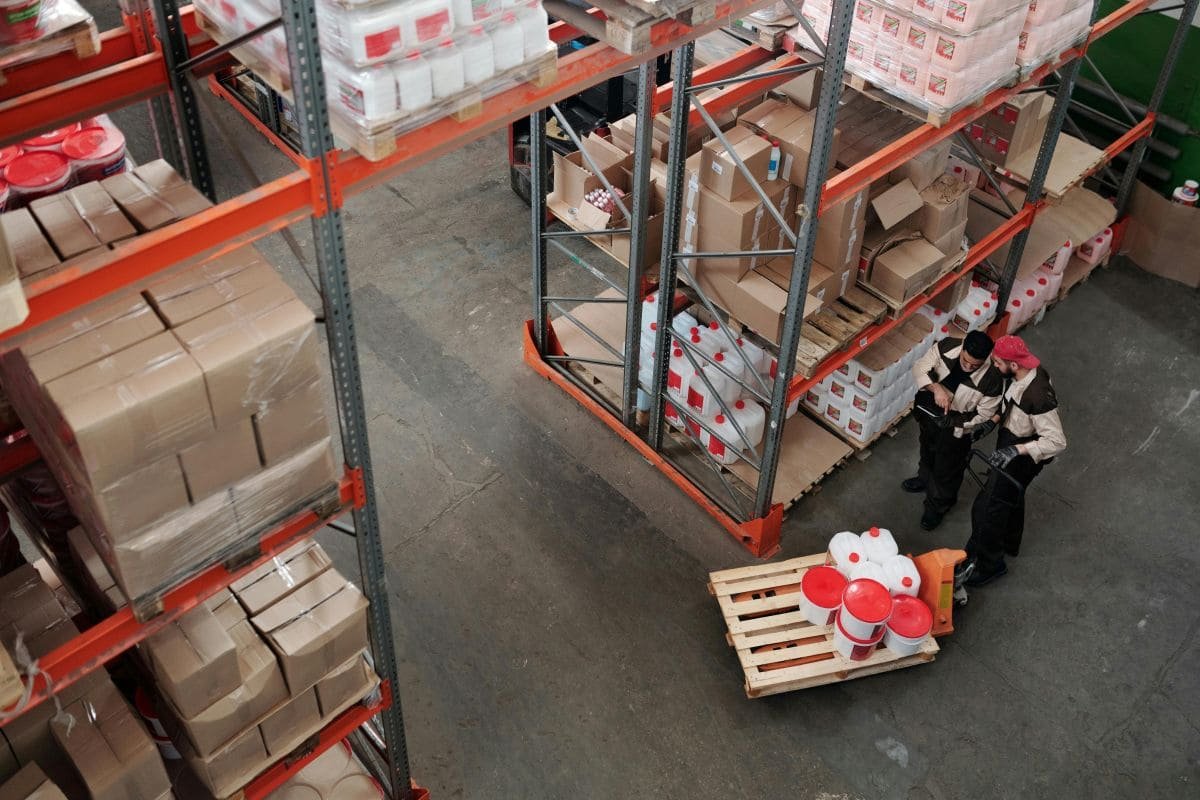
In e-commerce fulfillment, warehouse shipping, and factory packaging, “throughput” often directly determines order processing capacity, staffing pressure, and overall operational costs. Many companies encounter bottlenecks not because orders aren’t coming in fast enough, but because their packaging speed can’t keep up, slowing down the shipping rhythm.
This is why more and more businesses are paying attention to automatic bagging machines. Compared with manual bagging, automatic machines not only increase packaging speed, but also make the entire process more stable, continuous, and easier to manage. Yet, in practice, even after introducing automatic bagging equipment, many companies find their actual output falls short of expectations. The reason is simple: throughput is influenced by much more than just the machine’s rated speed.
To truly improve packaging efficiency, it’s not just about buying a “faster machine.” It’s about understanding: what is slowing down the packaging process? What problems can an automatic bagging machine solve? And how can the machine’s efficiency be fully realized?
What is Packaging Throughput
When evaluating packaging equipment, many first look at “how many bags per hour” it can handle. While this metric is important, it doesn’t fully represent real-world efficiency.
For a packaging line, throughput is not just the peak speed at a single moment, but the number of effective packages that can be consistently completed over time. In other words, what really impacts shipping capacity is not how fast a machine can theoretically go, but whether it can reliably complete bag opening, filling, sealing, labeling, and conveying without interruption.
For example, a machine rated at 800 bags per hour might produce far fewer if it frequently pauses due to difficult bag openings, inconsistent consumables, label printing delays, or slow manual feeding. Conversely, a seemingly slower machine that runs smoothly, experiences fewer faults, and handles changeovers efficiently may achieve higher actual throughput.
If you’re interested in how the bagging machine works, you can check out our previous articles for more details.
Why Many Companies Struggle to Increase Packaging Efficiency
At many sites, the issue appears to be “packaging is too slow,” but deeper analysis shows that multiple small issues compound to reduce throughput.
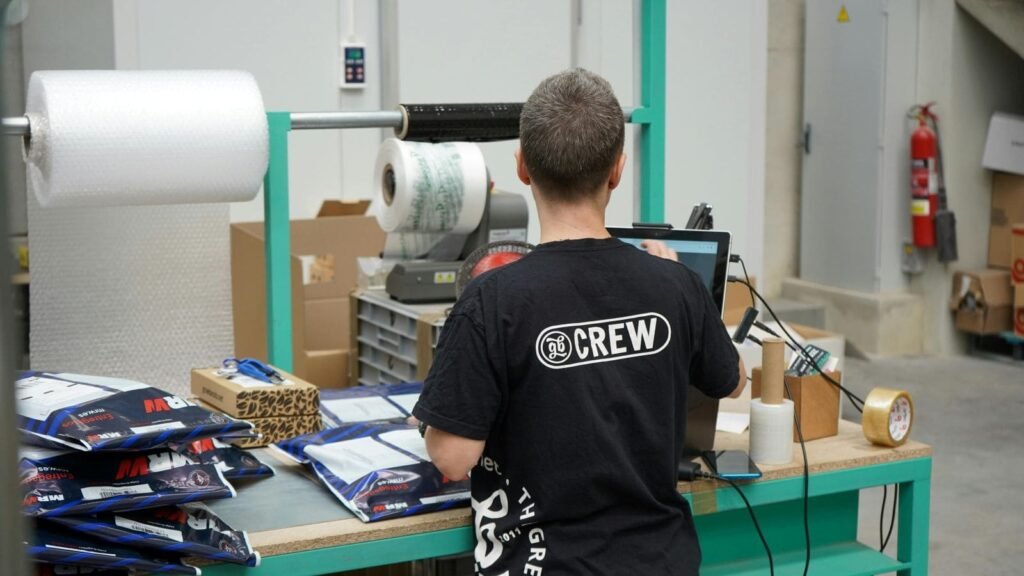
In manual bagging, each step—opening the bag, placing the product, adjusting the bag mouth, sealing, labeling—relies on the operator’s skill and stamina. Speed may start strong, but drops over time. During peak periods or overtime, workers may slow down, make more errors, and fail to maintain consistent rhythm.
Packaging efficiency isn’t just about one station; it’s about smooth integration of the whole workflow. If barcode scanning, order data retrieval, label printing, or material replenishment don’t sync with the machine, even a fast machine will end up “waiting for people” or “waiting for data.”
Bag thickness, size tolerances, bag opening quality, and roll material all affect stability. Many downtime issues are not machine malfunctions, but challenges in opening bags, achieving consistent seals, or frequent bag changes. These small issues may seem minor, but over time they erode actual throughput.
Some companies assume that once an automatic bagger is running, it can operate non-stop, ignoring routine tasks like cleaning, checking wear parts, maintaining sealing units, and inspecting sensors. The result: frequent alarms, downtime, and resets during critical periods.
How Automatic Bagging Machines Improve Throughput
In high-volume warehouses and fulfillment centers, manual bagging speed varies greatly among operators and shifts. Once an automatic bagger is set up, it can maintain a consistent pace over extended periods. This continuous, stable output is often more valuable than peak speed at a given moment.
Another major advantage is simplified management and minimal training. Manual bagging requires extra labor, training, and workstation adjustments when order volume increases. An automatic machine only requires extended operation time. This benefit is especially noticeable during peak seasons.
Automatic baggers also improve consistency in packaging results. Whether it’s bag sealing, packaging rhythm, or integration with printing and scanning systems, automated equipment facilitates standardized management—boosting overall throughput.
Key Factors Affecting Actual Throughput
The real value of automatic baggers depends on:
- Matching the machine to the product and packaging needs
Products differ in size, weight, and shape. Mismatched equipment can cause jams, poor placement, or inconsistent sealing, slowing down the process. - Stable and compatible consumables
Bag thickness, material, size precision, and roll quality all impact opening, feeding, and sealing. Many efficiency issues stem from unstable consumables rather than machine capability. - Operator and machine coordination
Automatic doesn’t mean fully hands-off. Operators are often needed for feeding, checking, or handling downstream flow. Poor workstation design or misaligned workflow can slow even fast machines. - Smooth printing, labeling, and system integration
Packaging includes barcode scanning, order matching, label printing, and system communication. Delays or errors here reduce effective throughput. For ERP/WMS integration, machine speed is just one component; data flow matters too. - Routine maintenance
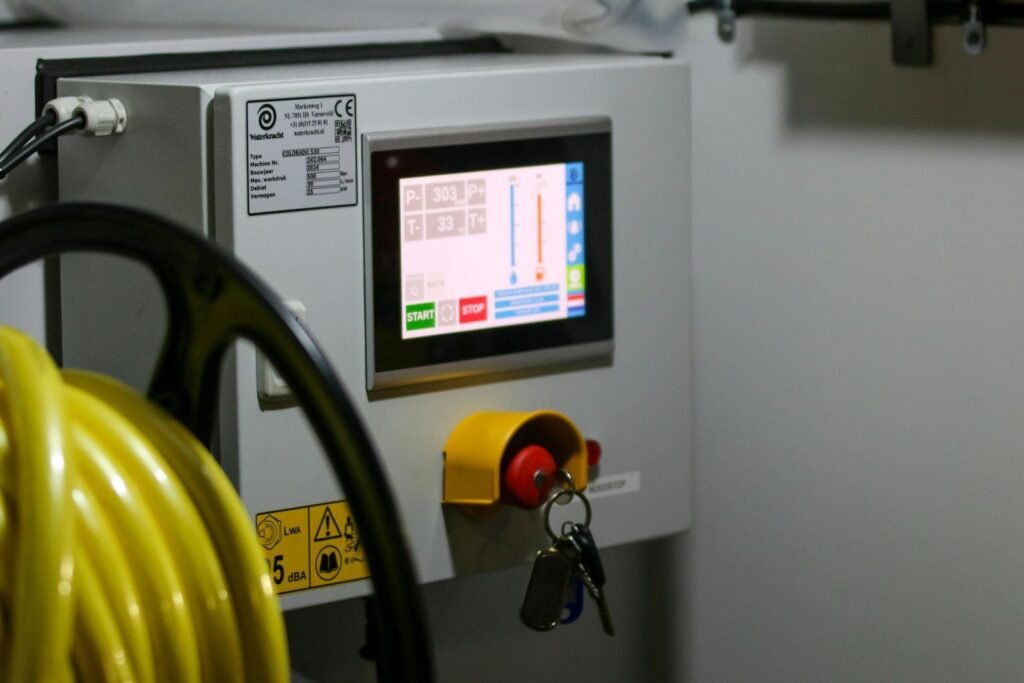
Regular upkeep of sealing units, sensors, conveyors, and cutters is crucial for consistent operation. Neglect can lower efficiency or cause downtime at critical times.
How to Truly Boost Automatic Bagging Throughput
To maximize efficiency:
- Define core goals: increased output, reduced labor dependency, or peak-period stability. Goal clarity guides equipment choice and workflow optimization.
- Focus on the entire packaging process, not just one machine: smooth feeding, timely order data retrieval, synchronized labeling, and prompt downstream handling all affect throughput.
- Standardize consumables and procedures: stable bags, consistent specs, and clear changeover protocols make machines run smoother.
- Train operators: quick troubleshooting, efficient changeovers, and fast recovery during anomalies ensure high effective operating time. High-performing packaging lines rely on optimized human-machine collaboration, not zero human involvement.
- Prioritize stability and sustainable operation over peak speed: a smooth-running, easy-to-maintain, compatible machine often outperforms a theoretically faster but frequently interrupted one.
Is an Automatic Bagging Machine Worth the Investment?
For companies with growing order volumes, high manual labor pressure, or a need for stable shipping, automatic bagging machines are usually worth considering. Their value is not just “faster than manual,” but standardizing and controlling the packaging process, making it easier to scale.
Investment decisions should consider product types, order structure, packaging rhythm, and future growth. The key question is: where is the current bottleneck, and can the machine truly address it to deliver long-term efficiency gains?
Conclusion
The critical question is not “how fast can the machine go,” but “can it consistently improve shipping efficiency, reduce labor pressure, and simplify the packaging workflow in my actual business scenario?” Evaluating equipment and optimizing processes with this goal in mind reveals the true value of an automatic bagging machine.
If you have further questions, feel free to contact us. We promise a reply within 24 hours and are eager to provide practical guidance and professional packaging solutions. You’re welcome to check out our automatic bagging machine as well.
FAQ
1. How many bags per hour can an automatic bagging machine handle?
There’s no universal number. Speeds vary by model, typically customizable from 500 to 1800 bags per hour. Consult the manufacturer for specifics.
2. Are automatic baggers always more efficient than manual packaging?
In most repetitive, high-frequency scenarios, automatic baggers are more efficient, especially for large, standardized orders. If product specifications vary frequently or order volume is small, efficiency gains may be less immediate.
3. What factors affect actual throughput?
Common factors include machine-product compatibility, bag quality, operator feeding efficiency, printing/labeling integration, and routine maintenance. Throughput discrepancies are usually process-related, not just machine-related.
4. What should companies focus on when selecting a machine?
Compatibility with common bag types and sizes, ease of changeover, stability, maintainability, and integration with printing, scanning, or management systems are more important than peak speed. The real value is a machine that runs reliably over time and consistently improves packaging efficiency.