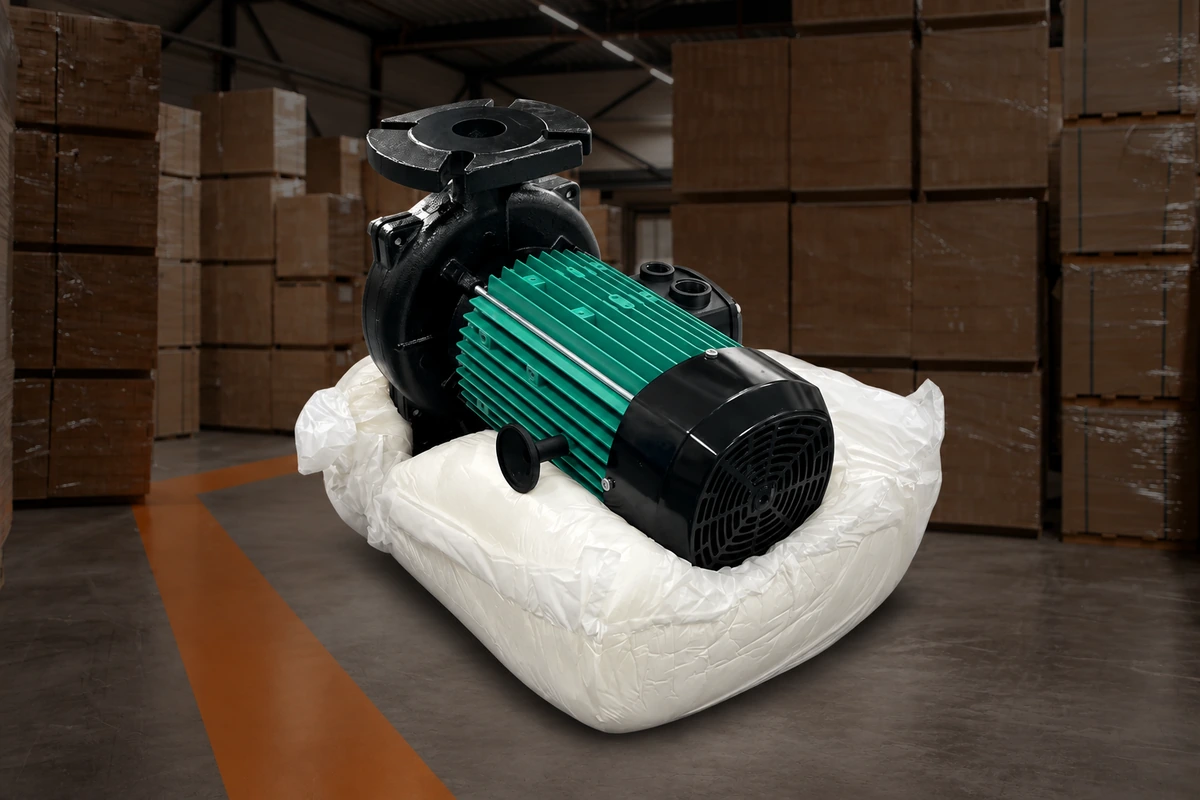
Paper bubble machines have become essential equipment in modern packing operations, offering a sustainable and cost-effective alternative to pre-made plastic bubble wrap. However, like any industrial equipment, paper bubble machines require proper maintenance and occasional troubleshooting to maintain optimal performance.
When a paper bubble machine operates smoothly, it delivers consistent cushioning material on demand, reduces packaging waste, and improves packing station efficiency. But when problems arise—whether paper feeding issues, uneven output quality, or cutting problems—downtime can quickly impact your fulfillment operation.
Understanding common paper bubble machine issues and knowing how to address them is critical for maintaining reliable packaging operations. This guide covers the most frequent maintenance and troubleshooting challenges that warehouse managers and packing station operators encounter, along with practical solutions to keep your equipment running smoothly.
Whether you operate a desktop paper bubble machine at a small packing station or an industrial paper bubble machine in a large fulfillment center, understanding how to maintain and troubleshoot your equipment will help reduce downtime and extend machine lifespan.
Why Paper Bubble Machine Maintenance Matters
Preventive maintenance is the foundation of reliable paper bubble machine performance. Regular maintenance routines help prevent unexpected equipment failures, reduce downtime, and ensure consistent cushioning quality throughout your packing operation.
When maintenance is neglected, paper bubble machines are more likely to experience paper jams, produce uneven output, or suffer mechanical failures that require expensive repairs. In contrast, facilities that implement structured maintenance schedules experience fewer disruptions and maintain higher packing efficiency.
Reducing Downtime in Packing Operations
Downtime in a fulfillment center or packing station directly impacts productivity and customer satisfaction. Every hour that a paper bubble machine is offline means packing staff must either use alternative cushioning materials or wait for the machine to be repaired.
By implementing preventive maintenance practices, you can significantly reduce unplanned downtime. Regular inspections, cleaning, and component checks help identify potential issues before they become serious problems.
Maintaining Consistent Output Quality
One of the primary reasons to maintain a paper bubble machine is to ensure consistent cushioning quality. When machines are not properly maintained, they may produce uneven bubble formation, inconsistent material thickness, or poor cushioning performance.
Consistent output quality is essential for protecting products during shipping and maintaining customer satisfaction. For more information about how these machines work, see our guide on how a paper bubble machine works.
Extending Equipment Lifespan
Paper bubble machines represent a significant investment for warehouses and fulfillment centers. Proper maintenance helps extend the operational lifespan of your equipment, protecting your investment and delaying the need for replacement.
Regular cleaning, lubrication, and component inspection can add years to your machine’s service life, making maintenance one of the most cost-effective investments you can make in your packaging operation.
Common Paper Bubble Machine Problems in Daily Operation
Understanding the most common issues that affect paper bubble machines is the first step toward effective troubleshooting. Most problems fall into a few key categories: paper feeding issues, output quality problems, cutting and mechanical issues, and performance inconsistencies.
The good news is that many of these problems can be prevented or quickly resolved with proper maintenance and troubleshooting knowledge. Let’s explore each category in detail.

Paper Feeding Problems and How to Fix Them
Paper feeding problems are among the most common issues that paper bubble machine operators encounter. These problems can range from minor misalignment to complete paper jams that halt production.
Incorrect Paper Loading
One of the most frequent causes of paper feeding problems is incorrect paper loading. If the kraft paper roll is not properly aligned or secured in the machine, it may feed unevenly or jam during operation.
How to fix it:
1.Stop the machine completely before attempting to adjust paper loading
2.Remove the paper roll from the machine
3.Inspect the roll for damage or deformation
4.Reload the paper ensuring the roll is centered and fully seated in the loading mechanism
5.Check alignment by running the machine briefly without embossing to verify smooth paper movement
Paper Jam Issues
Paper jams occur when the kraft paper gets caught or crumpled inside the machine. This typically happens when paper is not properly aligned, when foreign objects are present in the feed path, or when the paper has moisture damage.
Prevention strategies:
•Store kraft paper rolls in a dry environment to prevent moisture absorption
•Inspect paper rolls for visible damage before loading
•Keep the paper feed path clear of debris and foreign objects
•Ensure proper paper roll alignment before starting the machine
How to clear a jam:
1.Stop the machine immediately using the emergency stop button
2.Open the machine access panels to locate the jammed paper
3.Carefully remove the jammed paper by gently pulling in the direction of normal paper movement
4.Inspect the feed rollers for damage or residue
5.Clean the feed area with a soft brush to remove any paper fragments
6.Reload the paper and test the machine at low speed
Paper Compatibility Issues
Not all kraft paper rolls are compatible with every paper bubble machine model. Using incompatible paper—whether due to incorrect thickness, width, or material composition—can cause feeding problems and poor output quality.
Ensure paper compatibility by:
•Verifying the paper weight and thickness match your machine specifications
•Confirming the roll width fits your machine’s feed mechanism
•Using kraft paper specifically designed for paper bubble machine applications
•Consulting your machine manual or manufacturer for approved paper types
For detailed guidance on material selection, see our article on paper bubble versus plastic bubble wrap.
Why a Paper Bubble Machine May Produce Uneven Cushioning
Uneven cushioning output is a quality issue that affects the protective performance of your packaging material. When a paper bubble machine produces inconsistent bubble formation or uneven material thickness, it reduces the effectiveness of your cushioning.
Inconsistent Bubble Formation
Inconsistent bubble formation occurs when the embossing rollers are not applying uniform pressure across the paper width. This can result in some areas having well-defined bubbles while other areas appear flat or poorly formed.
Causes and solutions:
| Cause | Solution |
| Worn embossing rollers | Replace rollers according to maintenance schedule |
| Improper roller tension | Adjust tension mechanisms to ensure even pressure distribution |
| Debris on roller surfaces | Clean rollers with appropriate cleaning materials |
| Misaligned paper feed | Verify paper alignment and adjust feed mechanism |
Poor Cushioning Quality
Poor cushioning quality may result from several factors: incorrect machine settings, incompatible paper, or mechanical wear. When cushioning quality is compromised, products are at greater risk of shipping damage.
To improve cushioning quality:
1.Verify machine settings match your paper type and desired output
2.Inspect embossing rollers for wear or damage
3.Check paper compatibility with your machine specifications
4.Test output quality regularly by examining bubble structure and consistency
5.Adjust pressure settings if your machine has adjustable embossing pressure
Uneven Paper Feed
Uneven paper feed can cause the material to wrinkle, fold, or produce inconsistent output. This typically results from misalignment, worn feed rollers, or tension issues.
How to address uneven feed:
•Inspect feed rollers for wear or debris
•Verify paper roll is properly centered in the machine
•Check tension mechanisms for proper adjustment
•Clean the feed path to remove any obstructions
•Replace feed rollers if they show significant wear
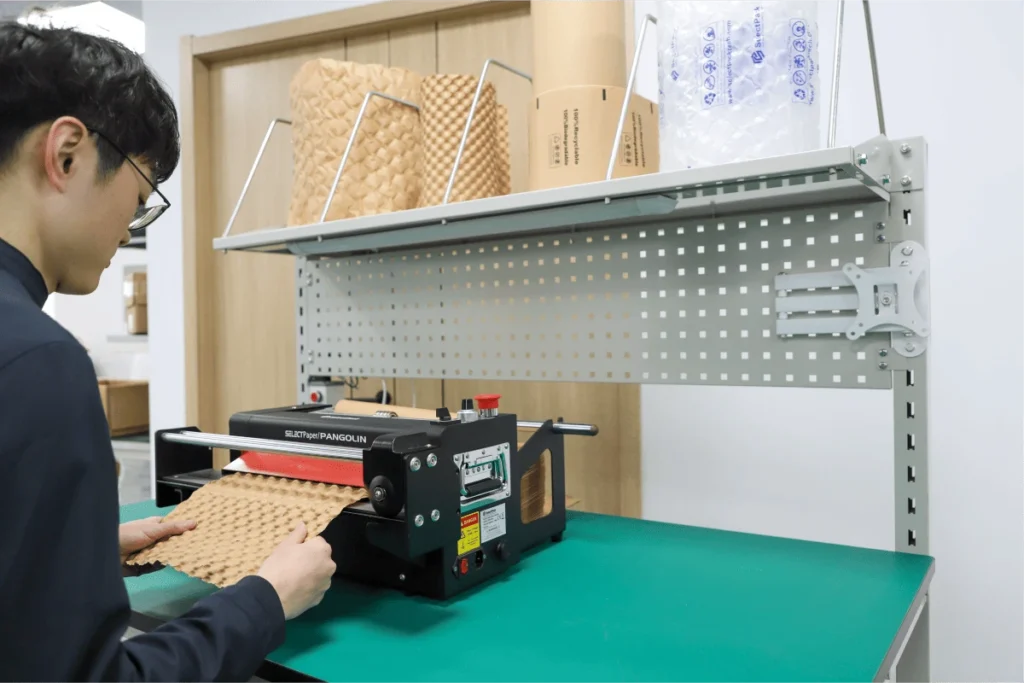
Cutting and Output Issues: Common Causes and Solutions
Cutting and output problems directly affect the usability of your cushioning material. When cutting blades are dull, misaligned, or damaged, they may produce jagged edges, inconsistent lengths, or incomplete cuts.
Dull or Damaged Cutting Blades
Cutting blades naturally dull over time with repeated use. Dull blades produce jagged, uneven cuts that can compromise the appearance and functionality of your cushioning material.
Signs of dull cutting blades:
•Ragged or torn edges on the output material
•Incomplete cuts requiring manual finishing
•Increased vibration or noise during cutting
•Reduced cutting precision
Solution: Replace cutting blades according to your machine’s maintenance schedule. Most manufacturers recommend blade replacement every 6-12 months depending on usage volume.
Cutting Blade Misalignment
Misaligned cutting blades may cut at an angle, produce uneven material lengths, or fail to cut completely through the paper.
How to correct blade alignment:
1.Stop the machine and ensure it is powered off
2.Access the cutting blade assembly according to your machine manual
3.Inspect blade position relative to the paper path
4.Adjust blade alignment using the adjustment mechanisms provided
5.Test the machine at low speed to verify proper cutting
Inconsistent Cut Lengths
Inconsistent cut lengths can result from blade wear, misalignment, or sensor calibration issues. This problem makes it difficult for packing staff to use the material efficiently.
To ensure consistent cut lengths:
•Verify cutting blade alignment and sharpness
•Check sensor calibration if your machine uses automatic length detection
•Test output regularly to identify length variations
•Adjust cutting parameters according to your machine manual
Preventive Maintenance Tips for a Paper Bubble Machine
Preventive maintenance is far more effective than reactive troubleshooting. By implementing a structured maintenance routine, you can prevent most common problems before they occur.
Daily Maintenance Checklist
Daily tasks (5-10 minutes):
•Visually inspect the machine for obvious damage or debris
•Check that paper rolls are properly loaded and aligned
•Verify output quality by examining a sample of cushioning material
•Clean the output area to remove paper fragments
•Check for any unusual sounds or vibrations during operation
Weekly Maintenance Tasks
Weekly tasks (15-20 minutes):
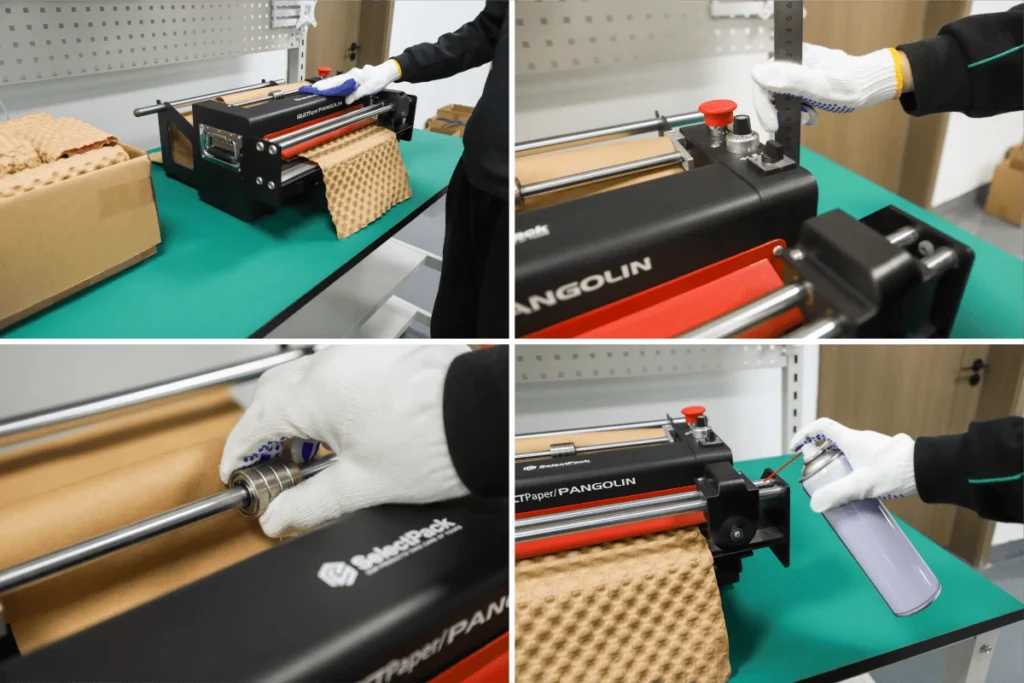
•Clean feed rollers with a soft brush to remove dust and paper particles
•Inspect the paper feed path for debris or obstructions
•Check cutting blade sharpness and alignment
•Verify all moving parts operate smoothly
•Test emergency stop functionality
Monthly Maintenance Procedures
Monthly tasks (30-45 minutes):
•Perform a thorough cleaning of all accessible machine components
•Inspect embossing rollers for wear or damage
•Check and adjust tension mechanisms as needed
•Lubricate moving parts according to manufacturer specifications
•Verify all safety features are functioning properly
Quarterly Deep Maintenance
Quarterly tasks (1-2 hours):
•Perform comprehensive equipment inspection
•Check electrical connections and safety systems
•Inspect and clean internal components if accessible
•Replace any worn or damaged parts identified during inspection
•Document maintenance activities in your maintenance log
Creating a Maintenance Schedule
A structured maintenance schedule ensures that critical tasks are completed on time. Consider creating a maintenance log where operators record:
•Date and time of maintenance activities
•Tasks completed
•Any issues identified
•Parts replaced or serviced
•Operator name and signature
This documentation helps track machine performance over time and provides valuable data for identifying patterns or recurring issues.
When Machine Problems Are Actually Selection Problems
Not all paper bubble machine problems result from maintenance issues or equipment failure. Sometimes, what appears to be a “problem” is actually a mismatch between machine capabilities and operational requirements.
Capacity Mismatches
If your paper bubble machine frequently cannot keep up with packing demand, the issue may not be that the machine is broken—it may be that you selected a machine with insufficient capacity for your operation.
Signs of capacity mismatch:
•Machine runs continuously with no idle time
•Packing staff frequently wait for material to be produced
•Output quality declines during high-demand periods
•Machine shows signs of stress or overheating
Solution: If you operate a small desktop paper bubble machine but have high-volume packing requirements, upgrading to an industrial paper bubble machine may be the appropriate solution.
Paper Compatibility Problems
Sometimes output quality issues result not from machine malfunction, but from using incompatible paper. Different kraft paper types have different thicknesses, moisture content, and material compositions that affect how they perform in the embossing process.
To ensure paper compatibility:
•Verify your paper specifications match machine requirements
•Test new paper batches before committing to large orders
•Work with your paper supplier to confirm material compatibility
•Consult your machine manufacturer about approved paper types
Functional Mismatch
Different paper bubble machine models offer different features and capabilities. An automatic machine with programmable settings may be necessary for high-volume operations, while a manual or semi-automatic machine may be adequate for smaller facilities.
Consider your operational needs:
•High-volume fulfillment centers benefit from automatic machines with programmable settings
•Mid-size packing stations may use semi-automatic machines with manual length adjustment
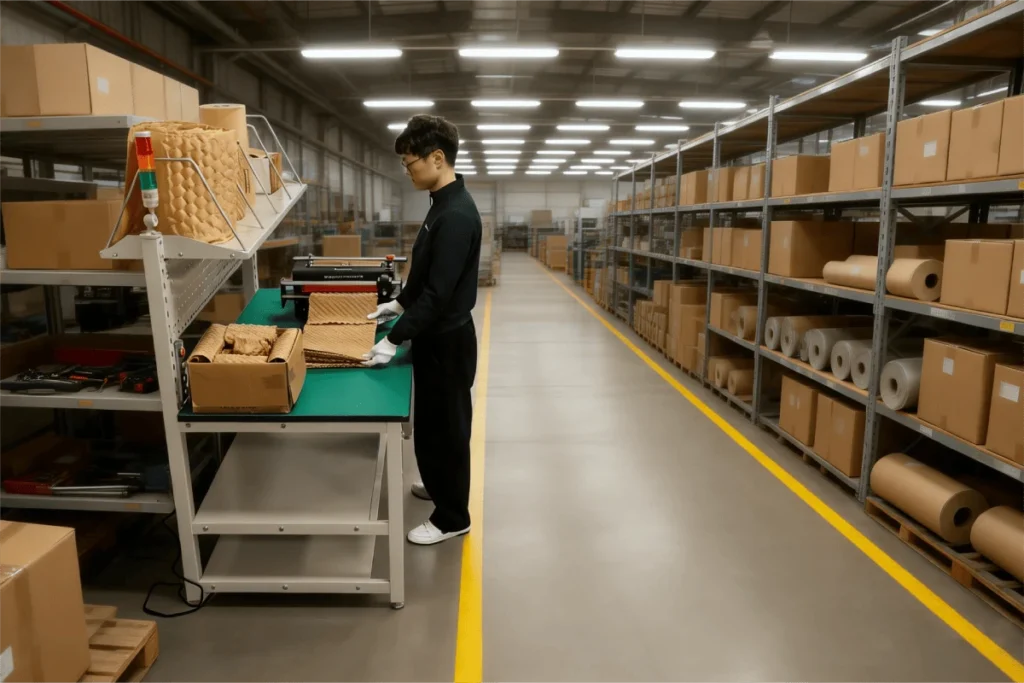
•Small operations or retail locations can use compact desktop machines for on-demand production
Selecting the right machine for your specific use case prevents many problems that might otherwise appear to be equipment failures.
FAQ About Paper Bubble Machine Troubleshooting and Maintenance
Q: How often should I maintain a paper bubble machine?
A: Implement daily visual inspections and quick cleanings, weekly detailed maintenance, monthly comprehensive checks, and quarterly deep maintenance. The exact schedule depends on your machine’s usage volume and manufacturer recommendations.
Q: What paper should be used in a paper bubble machine?
A: Use kraft paper specifically designed for paper bubble machine applications. Verify the paper weight, thickness, and width match your machine specifications. Consult your machine manual for approved paper types and suppliers.
Q: What should I do if my paper bubble machine stops working?
A: First, check for obvious issues like paper jams, misalignment, or debris in the feed path. Verify the machine is properly powered and all safety switches are engaged. If basic troubleshooting doesn’t resolve the issue, contact your machine manufacturer or authorized service provider.
Q: How can I prevent paper jams in my paper bubble machine?
A: Store paper rolls in a dry environment, inspect rolls before loading, ensure proper alignment before starting the machine, keep the feed path clear of debris, and follow your machine’s loading procedures exactly.
Q: Why is my paper bubble machine producing uneven output?
A: Uneven output typically results from worn embossing rollers, improper tension settings, misaligned paper feed, or debris on roller surfaces. Inspect these components and make appropriate adjustments or replacements.
Q: Can I use any kraft paper in my paper bubble machine?
A: No. Different paper types have different properties that affect machine performance. Always use kraft paper that meets your machine’s specifications. Using incompatible paper can cause feeding problems and poor output quality.
Q: How long do cutting blades last?
A: Cutting blade lifespan depends on usage volume and paper type. Most manufacturers recommend blade replacement every 6-12 months. Monitor blade performance and replace when you notice jagged cuts or reduced cutting precision.
Q: What is the best way to clean a paper bubble machine?
A: Use a soft brush to clean feed rollers and the paper path. For embossing rollers and other components, follow your machine manual’s cleaning recommendations. Never use harsh chemicals or abrasive materials that could damage machine components.
Q: How do I know if I need a more powerful paper bubble machine?
A: If your current machine runs continuously during peak hours, cannot meet packing demand, or shows signs of stress, you may need a higher-capacity machine. Consider upgrading to an industrial model if you operate a high-volume fulfillment center.
Q: What should I include in my maintenance log?
A: Record the date, maintenance tasks completed, any issues identified, parts replaced, operator name, and any relevant observations about machine performance. This documentation helps track patterns and plan future maintenance.
Conclusion: Keeping Your Paper Bubble Machine Running Smoothly
Paper bubble machine maintenance and troubleshooting are essential skills for warehouse managers, packing station operators, and fulfillment center supervisors. By understanding common issues and implementing preventive maintenance practices, you can minimize downtime, maintain consistent output quality, and extend your equipment’s operational lifespan.
The key to reliable paper bubble machine performance is a combination of:
• Regular preventive maintenance to catch problems before they become serious
• Proper operator training to ensure correct machine usage and basic troubleshooting
• Appropriate machine selection to match your operational capacity and requirements
• Quality paper sourcing to ensure material compatibility and consistent performance
When problems do arise, remember that not all issues are equipment failures. Sometimes the solution is as simple as proper paper loading, blade sharpening, or selecting a machine better suited to your operational needs.
For more information about paper bubble machine selection, operation, and applications, explore our comprehensive guides on how to choose the best paper bubble machine for small businesses, industrial paper bubble machines for high-volume operations, and paper bubble machine ROI.
If you have specific questions about your paper bubble machine or need assistance selecting the right equipment for your operation, contact SelectPack today. Our team of packaging experts is ready to help you optimize your packing operations.
Related Articles
•What Is a Paper Bubble Machine? Complete Guide
•How Does a Paper Bubble Machine Work? From Flat Paper to Protective Cushioning
•Paper Bubble vs Plastic Bubble Wrap: Which Packaging Solution Makes Sense for Businesses?
•Why More Warehouses Are Switching to Paper Bubble Machines
•Paper Bubble Machine Applications in E-commerce and Fulfillment Centers
•Industrial Paper Bubble Machines for High-Volume Packaging Operations
•How to Choose the Best Paper Bubble Machine for Small Businesses
•Paper Bubble Machine ROI: Cost Savings for Warehouses and E-commerce Fulfillment Centers
External Resources
•EPA Maintenance and Equipment Efficiency Guidelines
•Packaging Dive: Equipment Maintenance and Operational Excellence
•American Packaging Association – Equipment Standards and Best Practices