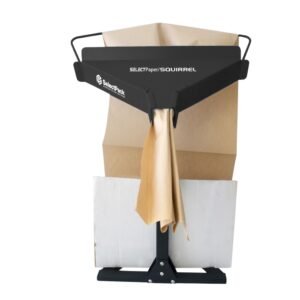
*Código HS da fragmentadora de papelão: 8441100000
Zona de Embalagem
Centros de Distribuição / Centros de Logística
Exportadores com embalagem própria
Padrões de embalagem para vários locais
| Modelo | SelectPaper/HippoPlus P50 |
|---|---|
| Velocidade de corte | 18 m/min |
| Largura de alimentação | 550 mm |
| Tensão | 110 / 220 / 380 V |
| Potência | 1500W |
| Tamanho | 740 x 461 x 850 mm |
| Peso líquido | 143,5 kg (110 V) / 140,8 kg (220 V, 380 V) |
| Espessura máxima do papelão | 15 mm |
| Dimensões da máquina | 740 x 461 x 850 mm |
| Peso (embalagem de papelão) | Peso líquido / Peso bruto (110 V): 143,5 kg / 165 kg Peso líquido / Peso bruto (220 V, 380 V): 140,8 kg / 162 kg |
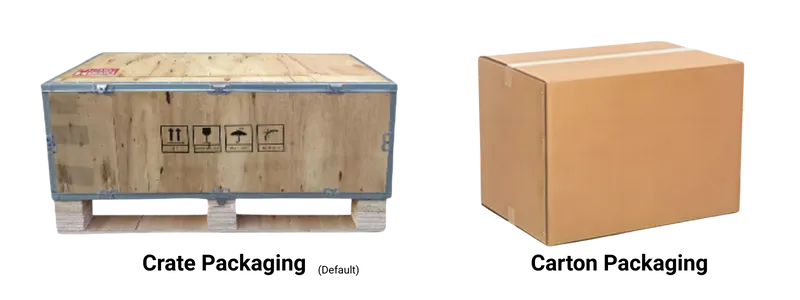
| Dimensões da embalagem | 860 x 585 x 1020 mm |
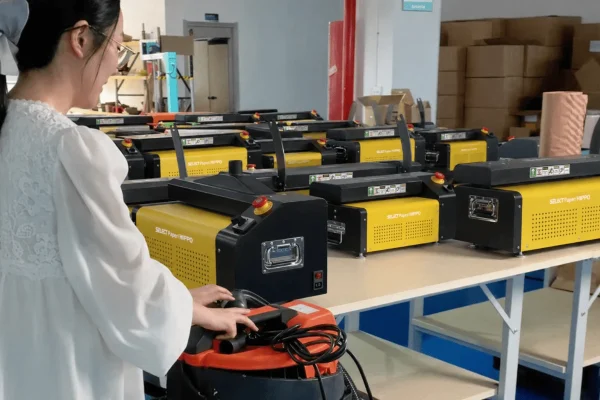
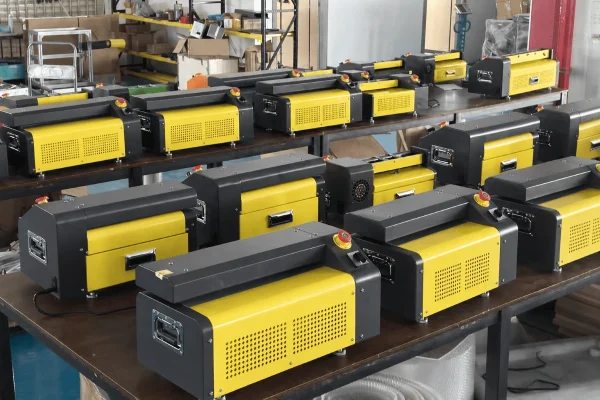
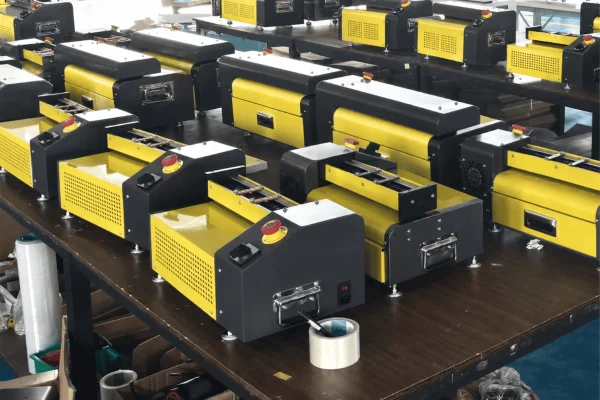
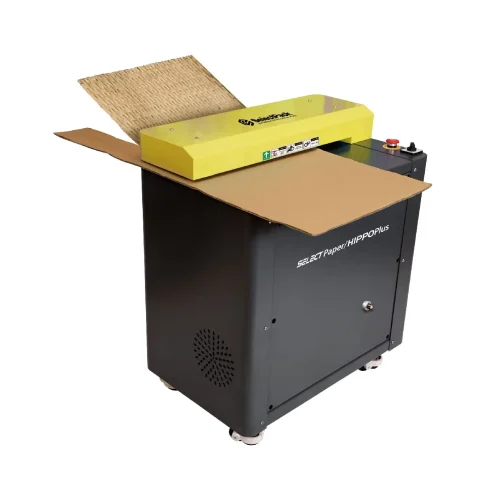
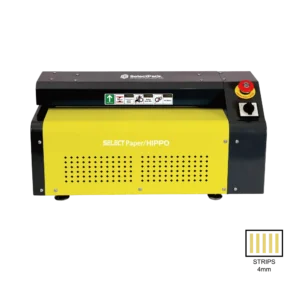
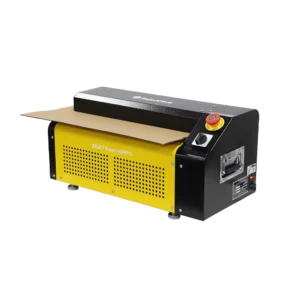
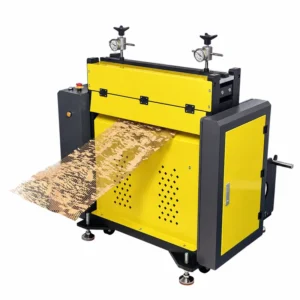
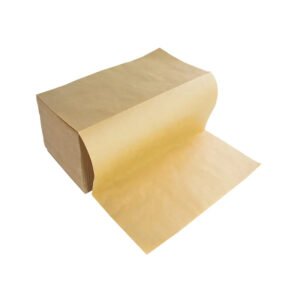
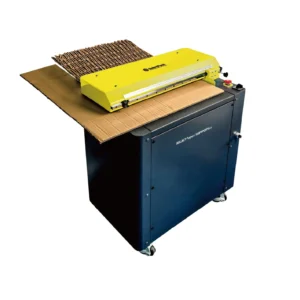
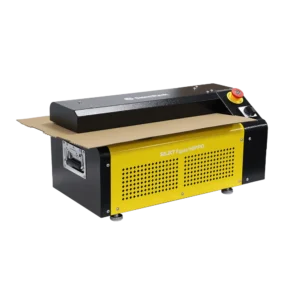
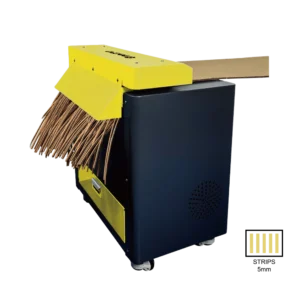
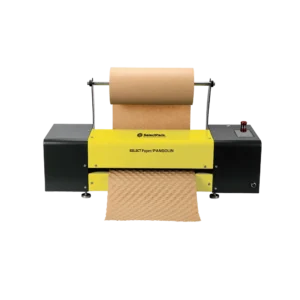
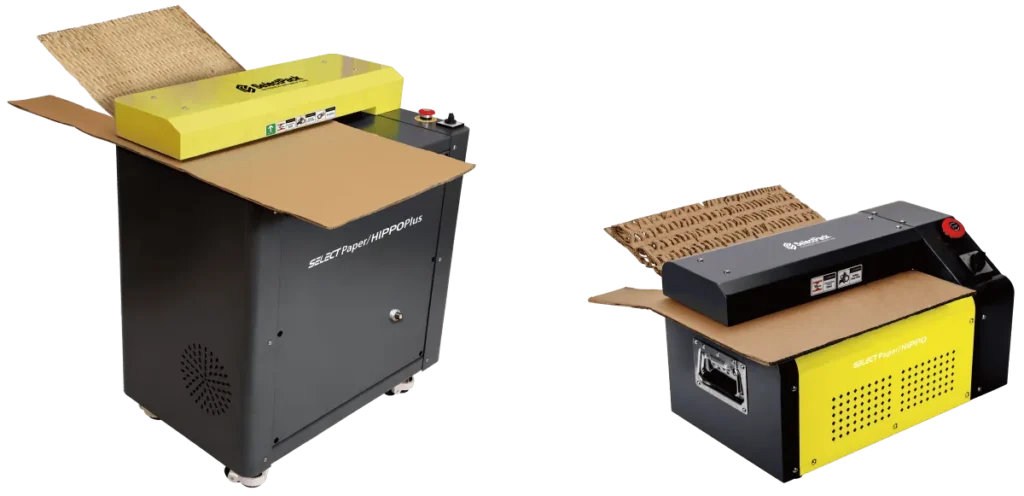
Usando o SelectPaper/HippoPlus A P50/P80 é simples e eficiente. Basta pegar uma caixa de papelão usada, achatá-la e inseri-la na abertura de alimentação de 550 mm de largura. A máquina puxa automaticamente o papelão e o processa através de lâminas de alta resistência, cortando e perfurando o material em um acolchoamento flexível semelhante a uma rede. Esse material pode ser usado imediatamente para preencher espaços vazios, embrulhar ou proteger mercadorias dentro de caixas de transporte.
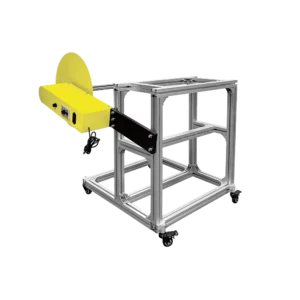
Graças ao motor potente e à estrutura de piso, SelectPaper/HippoPlus Manipula com facilidade múltiplas camadas e caixas maiores — ideal para estações de embalagem movimentadas com demanda contínua.
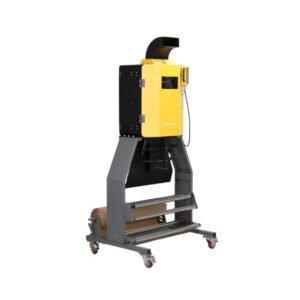
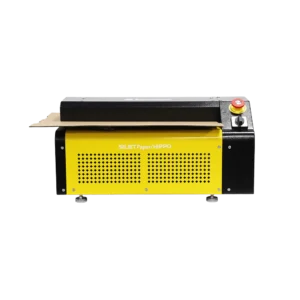
A Hippo P50 é uma fragmentadora de papelão ondulado de chão, desenvolvida para operações de embalagem com volumes diários mais elevados, incluindo armazéns, centros de distribuição e ambientes de produção. Equipada com uma abertura de alimentação mais ampla e um mecanismo de corte robusto, ela é capaz de processar caixas de papelão ondulado maiores e mais espessas de forma contínua, suportando o uso rotineiro e repetitivo. Como uma unidade independente, a P50 se integra facilmente às áreas de embalagem existentes e oferece às empresas uma solução interna escalável para transformar resíduos de papelão em material de enchimento protetor.

O desperdício de papelão é uma realidade diária para armazéns, centros de distribuição e operações de embalagem de todos os portes. Embora as caixas de papelão sejam essenciais para o transporte e armazenamento, o descarte eficiente e econômico das embalagens usadas tornou-se um desafio constante para muitas empresas.
Existem diversas maneiras de lidar com o papelão descartado, desde serviços externos de reciclagem até a compra de materiais prontos para preenchimento de espaços vazios. No entanto, uma solução cada vez mais prática é o uso de uma perfuradora de papelão, que permite às empresas processar caixas usadas no local e reutilizá-las como material de embalagem protetora.
Neste guia, vamos analisar mais detalhadamente como funcionam as fragmentadoras de papelão ondulado, por que são usados em operações de embalagem e quais fatores são mais importantes na hora de selecionar a máquina certa para o seu negócio.
Você está no lugar certo — vamos dar uma olhada mais de perto.
Neste guia, você aprenderá:
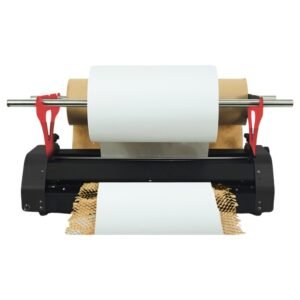
A máquina de processamento de papelão É uma máquina de embalagem projetada para processar papelão ondulado usado, transformando-o em material de embalagem flexível e protetora. Em vez de tratar as caixas de papelão como resíduos que precisam ser descartados ou enviados para reciclagem externa, as empresas podem convertê-las no local em material de preenchimento, embalagem ou amortecimento para envios.
Ao contrário dos trituradores de papel comuns, projetados para papel fino de escritório, as fragmentadoras de papelão são fabricados para lidar com a estrutura e a resistência do papelão ondulado. Eles geralmente utilizam eixos de corte reforçados, lâminas endurecidas e motores de alto torque para perfurar, cortar ou expandir as folhas de papelão sem emperrar ou superaquecer. O resultado final mantém a integridade estrutural, ao mesmo tempo que se torna flexível o suficiente para uso em embalagens.
Para empresas com uso constante de caixas de papelão, as fragmentadoras de papelão representam um método prático de reutilizar materiais já disponíveis no local, transformando resíduos de embalagens em um recurso funcional em vez de um fardo operacional.
O papelão é um dos materiais mais comuns utilizados em operações de logística, armazenagem e comércio eletrônico. Embora as caixas de papelão sejam essenciais para o transporte e armazenamento, o gerenciamento do papelão usado frequentemente apresenta desafios recorrentes. Taxas de descarte, mão de obra para manuseio, espaço de armazenamento e dependência de serviços externos de reciclagem adicionam custos contínuos às operações diárias.
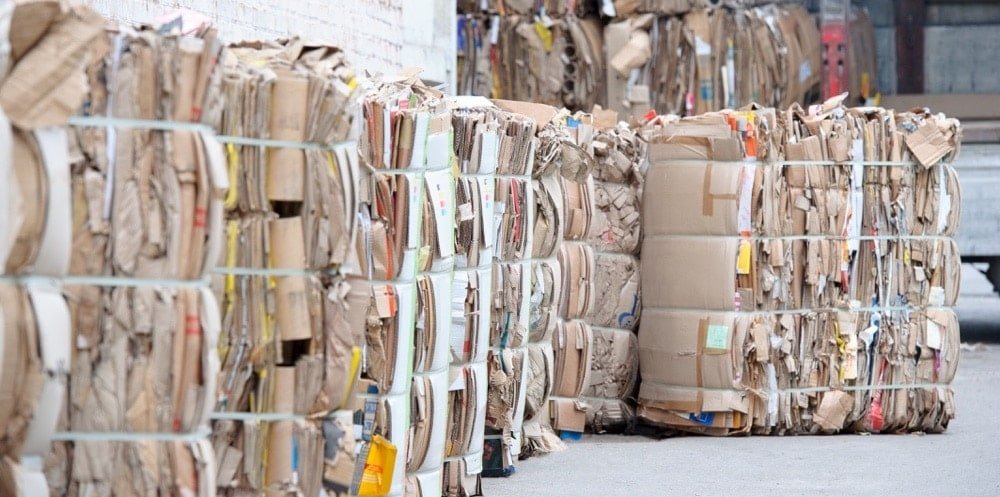
O uso de uma fragmentadora de papelão permite que as empresas enfrentem esses desafios diretamente. Ao processar o papelão internamente, o volume de resíduos que precisam ser descartados é significativamente reduzido. Em muitos casos, as caixas que seriam achatadas, empilhadas e removidas das instalações podem ser imediatamente reaproveitadas como material de embalagem.
Do ponto de vista de custos, essa abordagem ajuda a compensar a despesa com a compra de materiais de preenchimento, como papel, almofadas de ar ou espuma. Em vez de comprar materiais de embalagem repetidamente, as empresas geram material de embalagem sob demanda, utilizando papelão que já possuem. Com o tempo, isso pode levar a reduções consideráveis nos custos de embalagem e gestão de resíduos.
A eficiência operacional é outro fator crucial. Com uma perfuradora de papelão posicionada próxima à bancada de embalagem, os operadores podem produzir enchimento conforme necessário, sem interromper o fluxo de trabalho. Não há necessidade de aguardar a entrega de materiais de embalagem nem de reservar espaço para o armazenamento de consumíveis volumosos. Isso contribui para um processo de embalagem mais ágil e eficiente.
As considerações ambientais também desempenham um papel importante. A reutilização interna do papelão reduz a produção de resíduos e apoia práticas de embalagens sustentáveis sem exigir grandes mudanças nas operações existentes. Para muitas empresas, uma fragmentadora de papelão ondulado oferece uma solução equilibrada que combina controle de custos, eficiência operacional e uso responsável de materiais.
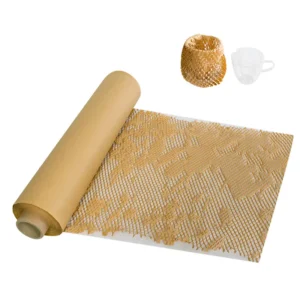
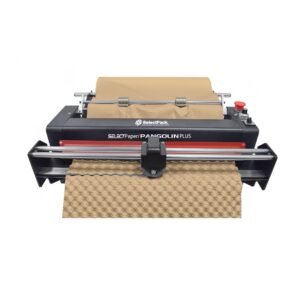
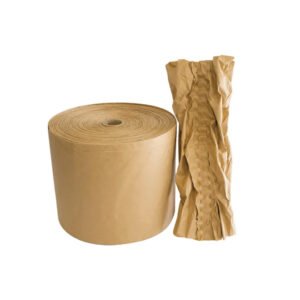
Dentro da máquina, eixos rotativos equipados com lâminas ou elementos de corte entram em contato com o papelão. Ao cortar um padrão regular no papelão, permitem que o material se estique e expanda, criando uma estrutura tridimensional que absorve o impacto e preenche o espaço vazio nas caixas.
O papelão processado sai da máquina pronto para uso imediato. Como o processo é mecânico e contínuo, o material de embalagem pode ser gerado sob demanda, acompanhando o ritmo das operações de embalagem. Isso elimina a necessidade de pré-produzir ou armazenar grandes quantidades de material de enchimento.
É importante destacar que as fragmentadoras de papelão são projetadas com foco em segurança e confiabilidade. Recursos como botões de parada de emergência, áreas de corte fechadas e mecanismos de alimentação controlada ajudam a garantir uma operação segura em ambientes de embalagem movimentados.
As fragmentadoras de papelão estão disponíveis em diversas configurações, cada uma adequada a diferentes necessidades operacionais e volumes.
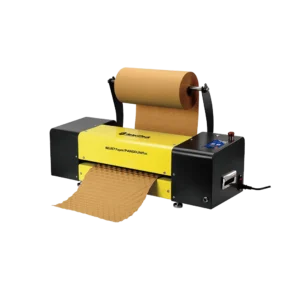
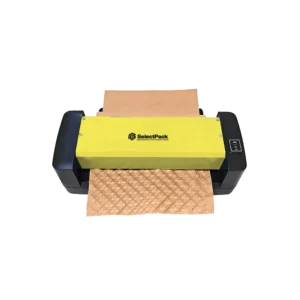
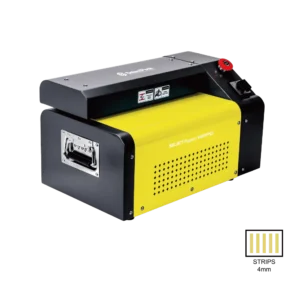
Fragmentadoras de papelão de mesa ou bancada são projetados para pequenas estações de embalagem, estúdios de e-commerce e ambientes de baixo volume. Essas máquinas são compactas, fáceis de instalar e geralmente funcionam com fontes de alimentação padrão. São ideais para empresas que processam um número limitado de caixas por dia, mas desejam reduzir o desperdício e os custos de embalagem.
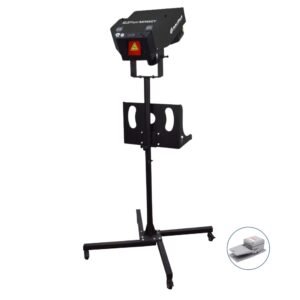
Fragmentadoras de papelão de alta resistência são projetados para maior produtividade. Com aberturas de alimentação mais amplas e sistemas de corte mais robustos, eles podem processar caixas maiores e mais espessas continuamente. Essas máquinas são comumente usadas em armazéns, centros de distribuição e fábricas onde o volume de embalagens é consistente e previsível.
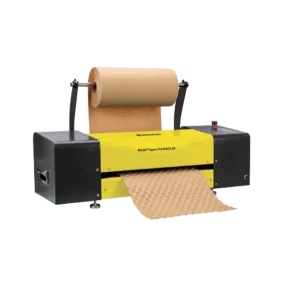
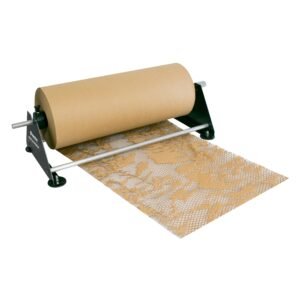
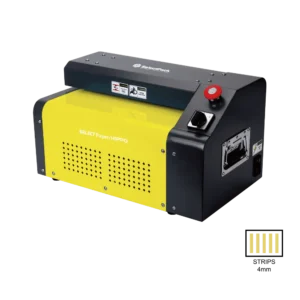
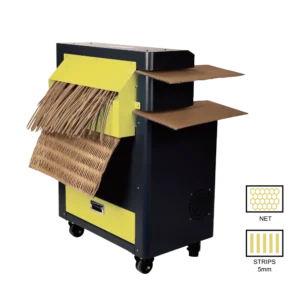
Alguns modelos são otimizados para tipos de saída específicos, como material cortado em tiras para embalagem ou malha expandida para preenchimento de espaços vazios. Outros oferecem configurações ajustáveis, permitindo que os operadores adaptem a saída a diferentes requisitos de embalagem.
A escolha do tipo certo de máquina de processamento de papelão depende de fatores como o volume diário de caixas, o espaço disponível e como o material produzido será utilizado no processo de embalagem.
Nem todo papelão é igual, e a compatibilidade é um fator importante ao usar uma perfuradora de papelão. A maioria das máquinas é projetada para processar papelão ondulado padrão, inclusive caixas de parede simples e alguns tipos de parede dupla. A espessura, a qualidade do material e o teor de umidade podem afetar o desempenho.
Papelão ondulado de alta qualidade proporciona o melhor resultado para embalagens. O papelão limpo e seco expande uniformemente e mantém sua resistência estrutural após ser triturado ou perfurado. Papelão muito contaminado, úmido ou laminado pode não ser adequado para processamento.
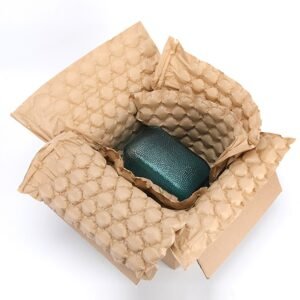
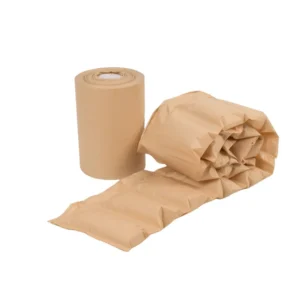
O material resultante da trituração de papelão ondulado pode ser utilizado de diversas maneiras. O papelão expandido é comumente usado como enchimento para evitar movimentação dentro de caixas de transporte. O material cortado em tiras pode ser usado para envolver produtos ou como separador entre itens.
A escolha da fragmentadora de papelão ideal começa com a compreensão das necessidades operacionais. Um dos fatores mais importantes é o volume diário de papelão. Operações de pequena escala podem exigir apenas uma máquina compacta, enquanto ambientes de alto volume se beneficiam de modelos de chão mais potentes, projetados para uso contínuo.
A largura de alimentação e a espessura máxima do papelão também devem ser consideradas. O triturador deve ser capaz de processar as maiores caixas de papelão comumente usadas na operação, sem a necessidade de pré-corte excessivo ou preparação manual.
O layout do espaço de trabalho também desempenha um papel importante. Máquinas de mesa encaixam-se facilmente ao lado de bancadas de embalagem, enquanto unidades maiores exigem espaço dedicado no chão. O nível de ruído, os requisitos de energia e a facilidade de manutenção também podem influenciar a decisão.
Por fim, as empresas devem considerar como o material produzido será utilizado. Operações que necessitam principalmente de preenchimento de espaços vazios podem priorizar a perfuração e a expansão, enquanto aquelas focadas em embalagem ou separação podem preferir diferentes estilos de corte.
Pronto para encontrar a fragmentadora de papelão ideal para sua operação?
Entre em contato para discutir suas necessidades de embalagem ou explore os modelos Hippo disponíveis para encontrar a solução ideal para sua operação.
A maioria das perfuradoras de papelão processa papelão ondulado de parede simples e de parede dupla. Fitas adesivas e etiquetas leves geralmente são aceitáveis, embora grampos em excesso ou materiais de reforço devam ser removidos. O teor de umidade também é importante; papelão seco produz melhores resultados e reduz o desgaste dos componentes de corte.
Trituradores de papel comuns não são projetados para materiais ondulados. A espessura e a estrutura do papelão exercem uma pressão excessiva sobre os motores e as lâminas, aumentando o risco de falhas mecânicas. Perfuradores de papelão específicos são construídos para lidar com essa carga de forma segura e consistente.
Materiais como plásticos, componentes metálicos, placas laminadas espessas e compósitos que não sejam de papel não devem ser processados. Esses itens podem danificar as lâminas e comprometer a segurança. Seguir as diretrizes do fabricante ajuda a prolongar a vida útil da máquina e a manter a qualidade consistente da produção.
O papelão picado é comumente usado como material de enchimento protetor, para amortecer itens frágeis durante o transporte e para separar produtos dentro das caixas. Em algumas operações, ele também pode ser encaminhado para reciclagem ou compostagem, dependendo das regulamentações locais.
As principais características incluem capacidade de produção, largura de alimentação, tamanho de saída ajustável, mecanismos de segurança e facilidade de manutenção. As máquinas devem atender às necessidades de volume diário sem criar gargalos. Projetos intuitivos reduzem o tempo de treinamento e minimizam o tempo de inatividade.
Embora a trituração de papelão em si geralmente não seja regulamentada, as empresas devem seguir as diretrizes locais de manuseio de resíduos e segurança no trabalho. Treinamento adequado e proteção das máquinas ajudam a garantir a conformidade com os padrões internos de segurança.
Não é necessária nenhuma instalação especial. Os modelos de mesa Hippo são máquinas plug-and-play que podem ser colocadas diretamente ao lado de uma bancada de embalagem e conectadas a uma fonte de alimentação padrão. Os modelos de chão são entregues como unidades completas e requerem apenas posicionamento básico e conexão de energia antes do uso.
Os modelos de mesa Hippo são projetados para estações de embalagem com espaço limitado e requerem uma área mínima. Os modelos de chão exigem espaço adicional para alimentação e manuseio seguros de materiais, mas não necessitam de sala dedicada nem de modificações estruturais.
Em muitas operações, sim. O papelão expandido produzido pelos trituradores Hippo é comumente usado para substituir o papel de enchimento, almofadas de ar ou espuma para preenchimento de espaços vazios e separação de produtos. O nível de substituição depende do tamanho da caixa e dos requisitos do produto.
Dependendo do modelo, as fragmentadoras de papelão SelectPack produzem diferentes formatos de saída, como malha perfurada ou material cortado em tiras, adequados para aplicações de amortecimento, embalagem ou preenchimento de espaços vazios.
A manutenção de rotina é mínima e consiste principalmente em manter a área de alimentação limpa, inspecionar periodicamente os componentes de corte e seguir as diretrizes de limpeza padrão. O uso adequado do material ajuda a garantir o desempenho a longo prazo.
Sim. As caixas de papelão impressas padrão são geralmente processadas sem afetar o desempenho da trituração ou a qualidade do resultado.
Os modelos Hippo são projetados para ambientes de embalagem ativa. Os níveis de ruído são controlados para se manterem adequados para armazéns e áreas de distribuição, permitindo que os operadores trabalhem nas proximidades sem grandes interrupções.
Os modelos de mesa são destinados ao uso diário intermitente a moderado, enquanto os modelos de chão Hippo Plus são projetados para operação contínua e repetitiva em ambientes de embalagem de alto volume.
Sim. A SelectPack avalia os tamanhos das caixas, o volume diário, o espaço disponível e os fluxos de embalagem para recomendar o modelo Hippo mais adequado a cada operação.
Sinceramente, vamos reduzir seus custos e melhorar sua qualidade,
e fornecer seus equipamentos mais rapidamente do que nunca.
Insira seu e-mail para acessar o link de download do folheto do produto & dos certificados