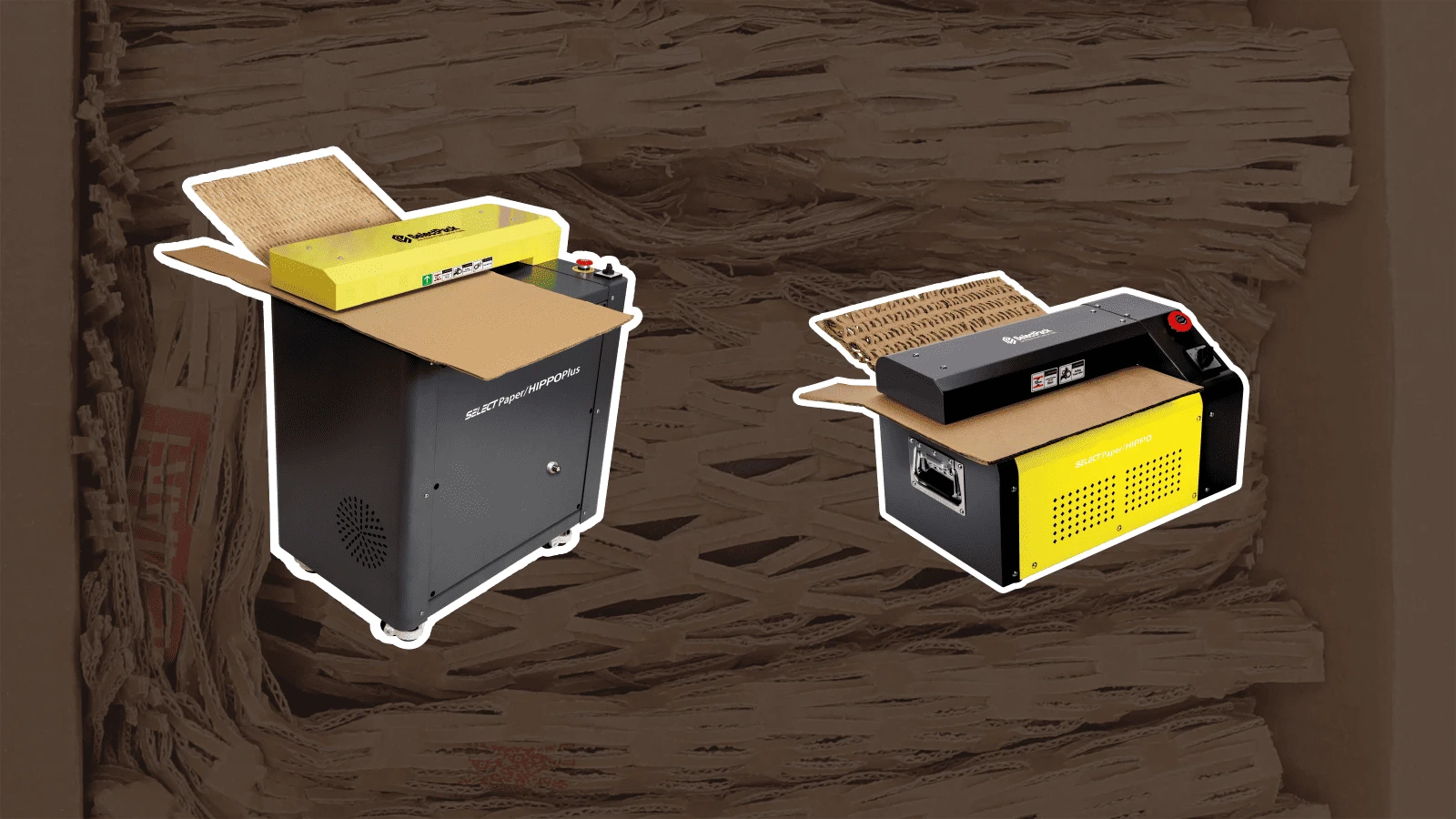
Protective packaging is essential for modern e-commerce and shipping operations. Even small online stores and warehouses need reliable cushioning materials to prevent damage during transportation. As order volumes grow, many small businesses are looking for packaging solutions that are efficient, practical, and cost-effective.
Plastic bubble wrap has long been the most common cushioning material. While it provides good protection, it also has limitations for small operations. Large rolls require storage space, and handling them during packing can slow down workflows. In addition, many companies are now searching for ways to reduce plastic packaging.
As a result, paper-based cushioning solutions are becoming increasingly popular. Paper bubble machines allow businesses to produce protective paper cushioning directly at the packing station using kraft paper rolls.
Instead of storing large quantities of pre-made packaging materials, small businesses can generate cushioning on demand. This helps improve packaging efficiency, reduce storage requirements, and support more sustainable shipping practices.
What Is a Paper Bubble Machine and How Does It Work?
A paper bubble machine is a packaging device that converts flat kraft paper into embossed cushioning material used to protect products during shipping. The finished material has a bubble-like structure similar to plastic bubble wrap but is made entirely from paper.
The machine feeds kraft paper through rollers and forming components that create raised patterns in the paper. This process allows businesses to create paper bubble wrap as an alternative to traditional plastic bubble wrap. These structured layers provide cushioning and shock absorption during transportation. The paper bubble material can then be used to wrap products or fill empty spaces inside cartons.
Unlike traditional packaging materials that must be purchased and stored in large quantities, paper bubble machines produce cushioning only when it is needed. Operators simply load a kraft paper roll and generate packaging material directly at the packing station.
While plastic bubble wrap relies on air-filled bubbles for protection, paper bubble cushioning uses structured paper layers to absorb impact and prevent product movement inside the box. Both materials serve the same purpose, but paper bubble packaging offers a recyclable alternative.
Because the material is produced on demand, paper bubble machines are particularly suitable for flexible packaging environments such as small warehouses and e-commerce operations.
Why Paper Bubble Machines Are Ideal for Small Businesses
Small businesses often work with limited storage space, small teams, and growing order volumes. Packaging equipment therefore needs to be efficient, simple to operate, and adaptable. Paper bubble machines offer several advantages in these environments.
Reduce Packaging Material Storage
Traditional cushioning materials like plastic bubble wrap or air pillows take up significant storage space. For small packing areas, storing large packaging rolls can quickly become inconvenient.
Paper bubble machines solve this problem by producing cushioning materials on demand. Businesses only need to store kraft paper rolls, which take up less space and can generate large amounts of packaging material when needed.
This makes paper bubble systems especially suitable for compact packing stations.
Improve Packing Efficiency
Packing speed is an important factor for small businesses processing daily orders. Handling large rolls of bubble wrap can slow down the workflow, especially when workers must repeatedly pull and cut the material.
Paper bubble machines simplify this process by producing cushioning directly at the packing station. Workers can generate the exact amount of material required without leaving their workspace, helping streamline the packing process and improve productivity.
Support Sustainable Packaging Goals
Many businesses are looking for ways to reduce plastic packaging and adopt more environmentally responsible solutions. Packaging choices can also influence how customers perceive a brand.
Paper bubble cushioning is typically made from recyclable kraft paper, making it easier to dispose of and recycle compared with plastic packaging materials. By replacing plastic bubble wrap with paper-based cushioning, businesses can reduce plastic usage while maintaining reliable product protection.
Reduce Packaging Material Waste
Another advantage of paper bubble machines is the ability to produce cushioning only when needed. With traditional materials, workers often use more packaging than necessary to ensure product protection.
On-demand production allows operators to create the exact amount of cushioning required for each shipment. This reduces material waste and improves packaging consistency.
Key Factors to Consider When Choosing a Paper Bubble Machine
Not all paper bubble machines are designed for the same packaging environments. Understanding the key selection factors can help small businesses choose equipment that fits their packaging workflow and order volume.
Production Speed and Output Capacity
Production speed is one of the most important considerations. The machine should be able to produce cushioning fast enough to support the packing process.
For small businesses, extremely high-capacity industrial machines are often unnecessary. Machines with moderate output speeds are typically sufficient to support daily packaging operations.
Machine Size and Workspace Requirements
Workspace limitations are common in small warehouses and packing areas. Some paper bubble machines are designed as compact desktop units that can be placed directly on a packing table.
These smaller machines are often ideal for small packing stations. Larger industrial machines are typically intended for high-volume fulfillment centers and require more space.
Paper Compatibility and Material Options
Paper bubble machines use kraft paper as the main material, but machines may support different paper widths or thicknesses.
Businesses should confirm which types of paper rolls are compatible with the equipment. The thickness and structure of the paper can influence the cushioning performance of the finished material.
Ease of Operation
Packaging equipment used by small teams should be easy to operate. Machines with complicated controls may slow down operations and increase the risk of errors.
Most modern paper bubble machines are designed with simple controls and quick paper loading systems, allowing workers to operate them with minimal training.
Maintenance and Reliability
Reliability is also important for daily packaging operations. Machines with durable components and stable feeding systems are less likely to experience downtime.
Routine maintenance usually involves basic cleaning and checking that paper feeds smoothly through the rollers.
Recommended Machine Capacity for Small Businesses
Finally, businesses should select a machine that matches their packaging volume. Small operations rarely need large industrial equipment designed for high-volume fulfillment centers.
Entry-level machines are often suitable for low-volume packing stations, while growing e-commerce businesses may benefit from mid-capacity machines that provide higher output speeds.
Cost Considerations for Small Businesses
Cost is an important factor when investing in packaging equipment. Businesses should evaluate both the initial equipment price and the long-term operational costs.
Equipment Investment
Paper bubble machines are available in different sizes and price ranges. Entry-level machines designed for small packing stations are usually more affordable and require minimal installation.
Businesses should choose a machine that matches their packaging volume rather than investing in oversized equipment.
Packaging Material Costs
Traditional plastic bubble wrap must be purchased as pre-made rolls and replaced regularly. Paper bubble machines use kraft paper rolls, allowing businesses to produce cushioning only when needed.
This approach can reduce excessive material usage and improve packaging efficiency.
Long-Term Operating Efficiency
Producing cushioning directly at the packing station can improve workflow efficiency. Workers spend less time retrieving packaging materials and can generate cushioning immediately when needed.
Return on Investment
Although a paper bubble machine requires an initial investment, the long-term benefits can include reduced storage requirements, lower packaging waste, and improved packing efficiency.
Paper Bubble Machine vs Plastic Bubble Wrap for Small Businesses
Both paper bubble cushioning and plastic bubble wrap are designed to protect products during shipping, but they differ in several ways.
Plastic bubble wrap typically requires large storage space because it is purchased as pre-made rolls. Paper bubble machines produce cushioning on demand using compact kraft paper rolls, which can save storage space.
From a sustainability perspective, paper-based cushioning is generally easier to recycle than plastic packaging. Many businesses are therefore adopting paper solutions to reduce plastic use.
Operational efficiency can also improve with paper bubble machines because workers can generate cushioning directly at the packing station instead of manually cutting bubble wrap. For many small businesses, paper bubble systems provide a practical alternative to traditional plastic bubble wrap while improving packaging efficiency.
How to Set Up a Paper Bubble Machine in a Small Packing Station
Installing a paper bubble machine in a small packing station is relatively simple. The machine should be placed close to the packing table so workers can easily produce cushioning during the packing process.
Businesses should also integrate the machine into their existing workflow alongside boxes, tape dispensers, and labeling equipment. This allows operators to generate cushioning immediately when packing fragile products.
Basic staff training ensures workers understand how to load paper rolls and operate the machine safely.
Conclusion: Choosing the Right Paper Bubble Machine for Your Business
As shipping volumes increase, small businesses need packaging solutions that are efficient and practical. Paper bubble machines allow companies to produce protective cushioning on demand using kraft paper.
By reducing storage requirements, improving packing efficiency, and minimizing plastic packaging, these machines can support more sustainable packaging operations.
When choosing a machine, businesses should consider factors such as production speed, machine size, material compatibility, and overall cost. Selecting equipment that matches packaging volume helps ensure smooth and efficient operations.
For small businesses seeking a more efficient and sustainable packaging solution, investing in the right paper bubble machine can be an important step toward improving both packaging performance and operational efficiency.