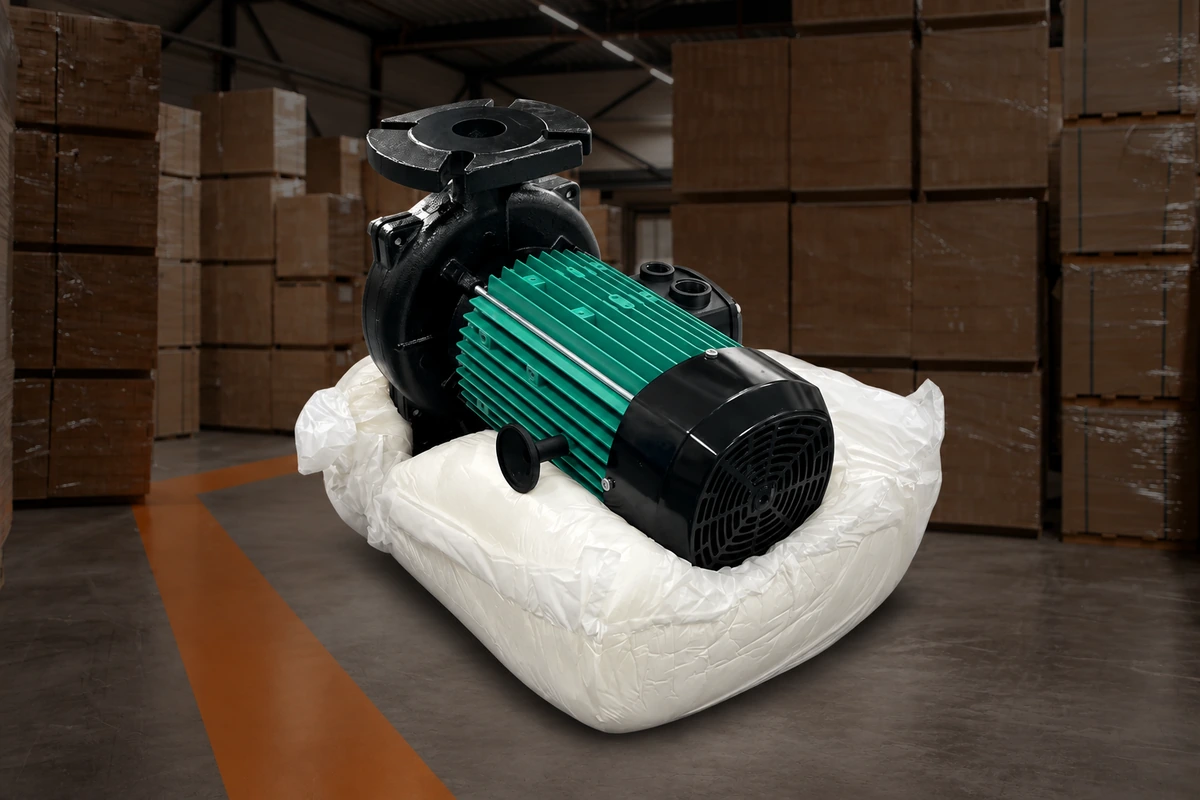
Custom foam packaging and foam-in-place packaging solve different shipping problems. Custom cut foam inserts can be a strong fit for repeat products, stable SKUs, and presentation-sensitive packs. Foam-in-place can be a better fit when product shapes vary, shipment volume is mixed, or the team needs on-demand cushioning around irregular items. The right choice depends on SKU stability, inventory, pack volume, protection requirements, and the shipping route.
This comparison is a boundary guide. It does not imply that every custom foam insert is supplied by SelectPack. Buyers should use it to decide whether a custom insert supplier or an on-demand foam-in-place workflow deserves the next test.
Where Custom Inserts Win
Custom foam packaging is often strongest when the product is repeatable. If the same product ships again and again, a designed insert can create consistent fit, fast packing, and a controlled customer presentation.
Custom inserts may fit well when:
- The SKU is stable and shipment volume is predictable.
- The product shape does not change often.
- Presentation and organized unpacking matter.
- The packaging team can hold insert inventory.
- The pack needs defined cavities for parts or accessories.
- Engineering has time to approve a specific design.
The tradeoff is flexibility. If product dimensions change, if the SKU mix is broad, or if insert inventory becomes hard to manage, custom foam may become less efficient.
If Custom Inserts Are the Better Route
Sometimes the honest answer is to keep the project with a custom insert supplier. That is most likely when the SKU is stable, the pack needs presentation quality, or the insert design must be tied closely to a finished product.
Ask the custom insert supplier about:
- Drawings or CAD requirements for the insert and product.
- Dimensional tolerances and what happens when the product changes.
- Minimum order quantity, lead time, and reorder process.
- Revision control for insert part numbers.
- Storage volume and packaging for unused inserts.
- Fit testing ownership and who signs off before production.
- Whether accessories, labels, or customer-facing presentation are part of the insert design.
These questions keep the comparison fair. Foam-in-place should not be positioned as a substitute when the buyer really needs a controlled, repeatable insert program.
When Custom Foam Packaging Becomes a Purchasing Problem
Custom inserts can solve a packaging problem and create a purchasing problem at the same time. Each insert style needs a part number, storage location, reorder point, and change-control process. If the product range grows, the packaging inventory can become complicated.
Watch for:
- Many similar inserts that are easy to mix up.
- Slow-moving SKUs that tie up storage space.
- Product revisions that make old inserts obsolete.
- Minimum order quantities that do not match demand.
- Long lead times when a new product launches.
- Operators using the wrong insert because it looks close enough.
When these issues start to matter, foam-in-place may deserve a closer look even if custom inserts still provide good protection.
Where Foam-in-Place Wins
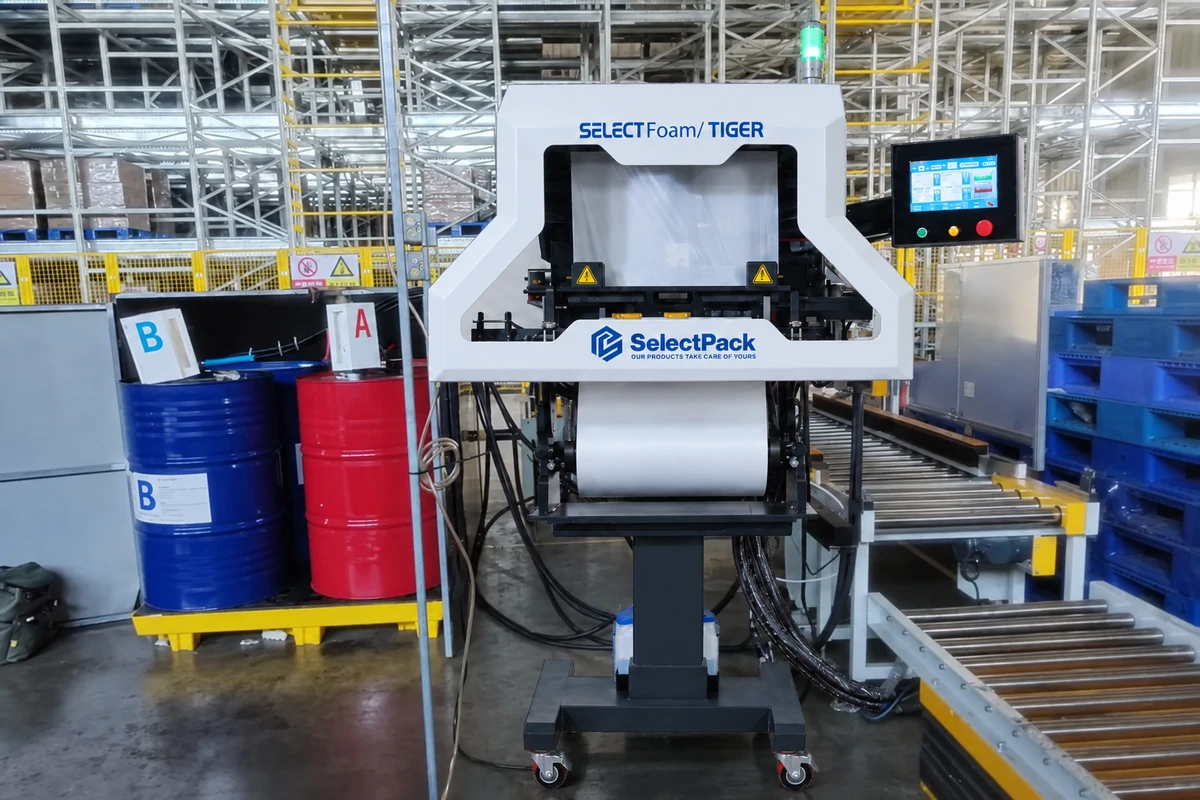
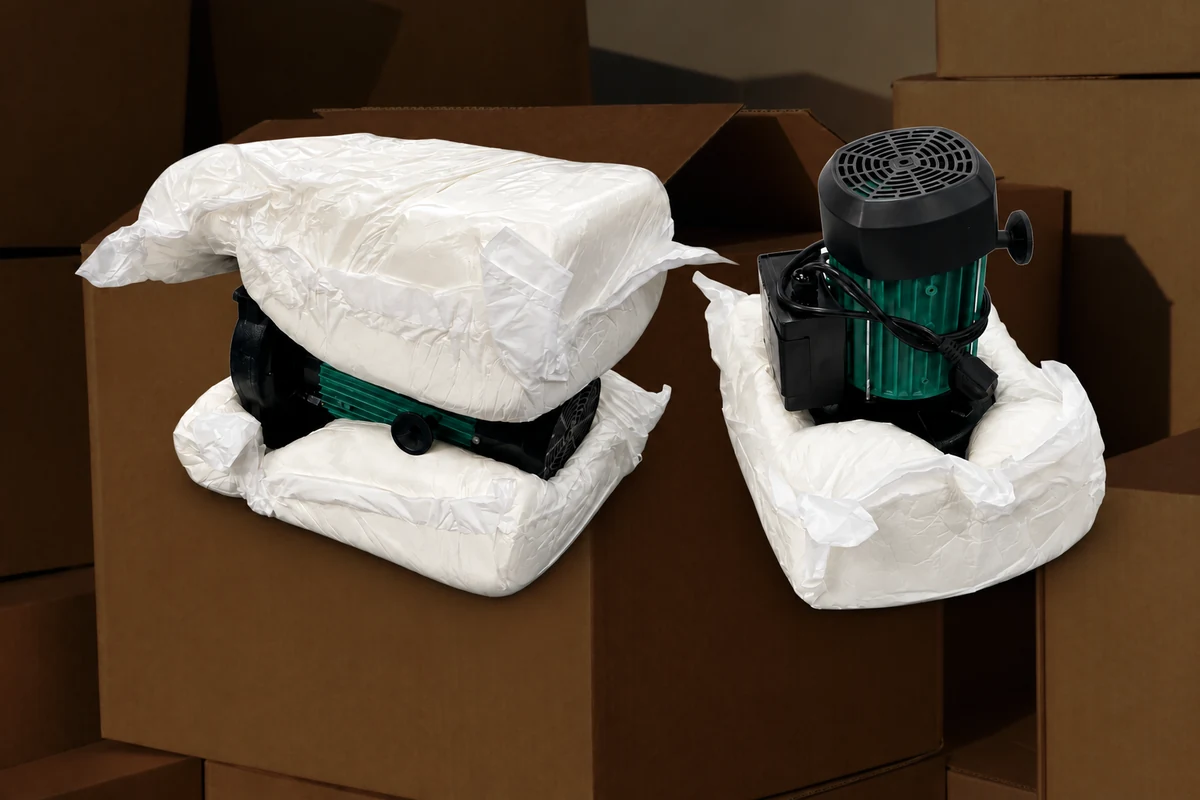
Foam-in-place packaging creates protection around the product during the packing process. It can be useful when the item is irregular, product mix changes often, or the operation does not want to stock many insert styles.
Foam-in-place may fit when:
- Products vary by shape or size.
- Shipment volume is lower or mixed.
- Damage risk is high enough to justify a protective workflow.
- The package needs conforming cushioning.
- Operators can follow a controlled pack method.
- The buyer wants to test foam before committing to dedicated inserts.
This flexibility is useful, but it still requires process control. Foam placement, carton size, product position, and operator training all affect the final package.
For buyers considering on-demand foam workflows, the SelectFoam foam-in-place range is the relevant path to evaluate alongside custom insert options after the insert boundary is understood.
If the team is not yet sure whether the issue is cushioning, restraint, surface protection, or outer-package weakness, start with the protective foam packaging guide before comparing insert and foam-in-place purchasing paths.
Decision Factors Buyers Should Compare
| Factor | Custom foam packaging | Foam-in-place packaging |
|---|---|---|
| SKU stability | Best when SKUs are stable | Better for varied products |
| Inventory | Requires insert storage | Requires consumables and equipment or bags |
| Changeover | Easy for repeat parts, harder for changes | Flexible, but operator method matters |
| Presentation | Strong for organized product display | More functional unless designed carefully |
| Testing | Validate insert fit and transit protection | Validate foam amount, placement, and package performance |
| Volume fit | Strong for repeat volume | Strong for mixed or lower-volume high-value shipments |
This table is only a starting point. The real decision should be based on actual products and shipping conditions.
How to Brief Suppliers Without Overstating Scope
Because “custom foam packaging” can mean many things, buyers should be precise when asking suppliers for help. If you are evaluating foam-in-place, state that you want to compare on-demand foam protection against custom cut inserts. Do not imply that one supplier must provide every type of foam solution unless that has been confirmed.
A clear brief can say:
- We currently use or are considering custom inserts.
- Our SKU mix changes often, or insert inventory is becoming difficult.
- We want to know whether foam-in-place could protect the same product families.
- We need to understand pack time, material control, unpacking, and sample testing.
- We are not asking for a generic material list; we need a workflow recommendation.
This keeps the conversation practical and avoids turning the article into a claim that every custom foam route is part of the same product line.
When the buyer is solving a damage problem rather than comparing material formats, foam-in-place packaging solutions gives a better diagnostic path before the team decides whether custom inserts or on-demand foam should be tested first.
Test Both Methods on the Same Product Family
When the decision is close, test custom foam packaging and foam-in-place against the same product family. Otherwise, the comparison becomes unfair. A custom insert tested on a stable product and foam-in-place tested on a difficult mixed product will not reveal which method is better for the actual workflow.
Use the same:
- Product or representative product family.
- Carton or outer package.
- Shipping route assumption.
- Surface protection requirement.
- Unpacking review.
- Pack time measurement.
- Damage or handling test criteria.
This makes the decision practical. The result may show that custom inserts fit the core repeat SKU, while foam-in-place is better for service parts, low-volume products, or special shipments.
If both methods are being compared for shipping approval, use the same test basis for both packages. ASTM’s D4169 standard page can help the buyer define a consistent distribution-test discussion instead of judging one method from a bench sample and the other from a shipment trial.
Inventory and Changeover Tradeoffs
Inventory is often the deciding factor. Custom foam inserts can simplify packing, but each insert style must be stored, reordered, and controlled. If a product changes dimension, the insert may no longer fit.
Foam-in-place shifts the inventory burden toward consumables and equipment support. Instead of stocking many shapes, the operation creates cushioning as needed. That can help with mixed SKUs, but it also means operators must understand how to build a repeatable pack.
For seasonal products, service parts, and variable assemblies, this tradeoff can be more important than material cost alone.
Shipping and Unpacking Considerations
Both options should be judged by what happens after the package leaves the station.
Review:
- Does the product stay in place during handling?
- Does the outer carton or crate provide enough strength?
- Can the receiver unpack without damage?
- Are accessories visible and controlled?
- Does the packaging create unnecessary waste or disposal difficulty?
- Does the package need a clean presentation or only transport protection?
Custom inserts can make unpacking predictable. Foam-in-place can conform to unusual shapes, but the pack method should be documented so the result is not dependent on one experienced operator.
If route risk is driving the decision, the foam-in-place shipping guide can help test whether the outer package, carrier mode, or return process matters more than the foam format.
When to Test Both
Test both custom foam packaging and foam-in-place when the product is high value, damage history is unclear, or the operation is about to standardize a packaging method across many shipments.
A practical test compares:
- Product condition after handling or shipment simulation.
- Pack time.
- Material and inventory requirements.
- Unpacking experience.
- Changeover effort.
- Operator training needs.
Do not choose custom foam only because it looks cleaner, and do not choose foam-in-place only because it feels more flexible. Choose the method that protects the product repeatably within the workflow your team can actually run.