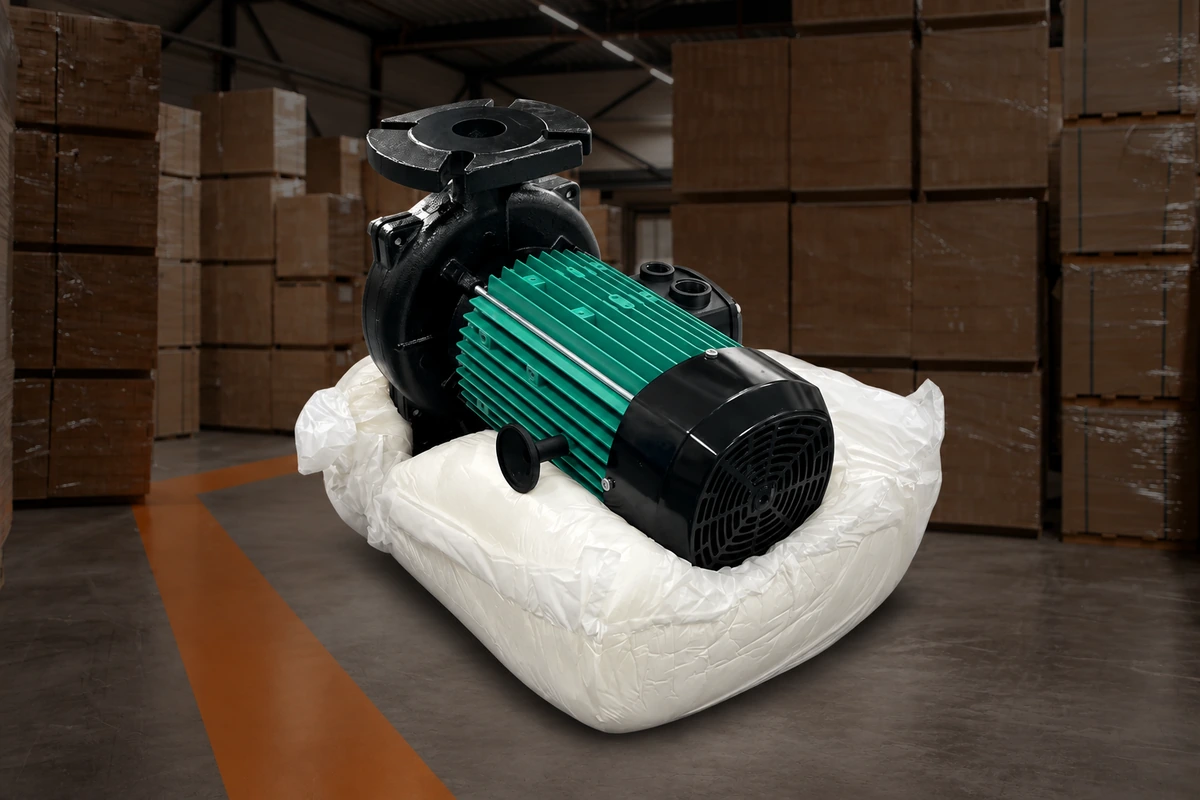
In modern packaging operations, protective cushioning is no longer limited to plastic materials. A paper bubble machine transforms flat kraft paper rolls into structured paper bubble wrap, offering a recyclable alternative to traditional plastic cushioning materials.
Unlike plastic film that relies on trapped air, this system converts flat paper into engineered bubble wrapping paper through a mechanical embossing process. The result is a flexible yet protective bubble paper wrap that can be produced directly at the packing station.
Understanding how a paper bubble wrap machine works is essential for businesses evaluating sustainable packaging equipment. The working mechanism directly affects cushioning strength, production speed, material efficiency, and long-term operating costs. Instead of storing bulky plastic rolls, companies can produce paper-based cushioning on demand from compact kraft paper rolls.
From a simple flat sheet to a three-dimensional protective structure, the transformation process is mechanical, precise, and highly efficient. The following sections explain exactly how this conversion takes place.
Core Components of a Paper Bubble Machine
Although designs vary slightly by model, most paper bubble machines share the same structural components. Each part plays a specific role in converting flat paper into finished paper bubble wrap.
Paper Feeding System
The feeding system holds the kraft paper roll and guides it into the machine. It ensures stable material input and consistent alignment, which is critical for producing uniform bubble wrapping paper without distortion. For detailed information about choosing the right paper bubble machine, paper width compatibility is an essential consideration.
Tension Control Mechanism
Tension control maintains consistent resistance as the roll unwinds. If tension is unstable, the forming process may create uneven bubble paper wrap patterns. Proper tension ensures smooth feeding and consistent embossing quality. This precision is especially important in high-volume operations.
Embossing / Forming Rollers
This is the core of the paper bubble wrap machine. Precision-engineered rollers with concave and convex patterns apply controlled pressure to reshape the paper fibers. As flat kraft paper passes between them, the surface is molded into a raised bubble texture.
Unlike plastic bubble wrap that traps air between sealed film layers, paper bubble wrap relies on structural deformation to create thickness and cushioning resilience. The embossing process is what distinguishes this technology from simple paper dispensers.
Drive System and Motor
The motor powers the rotation of the forming rollers and feeding components. Adjustable speed settings allow operators to control production output based on packaging demand. For information about output capabilities, see our guide on paper bubble machine output speed.
Cutting System
Some paper bubble machines include integrated cutting systems, either manual or automatic. This allows operators to produce customized sheet lengths of bubble wrapping paper for wrapping, interleaving, or void fill applications. The flexibility to produce exact lengths reduces material waste.
Control Panel
The control panel includes power switches, speed adjustment, forward and reverse functions, and emergency stop controls. Modern machines are designed for straightforward operation in fast-paced packaging environments. User-friendly interfaces enable quick adjustments without extensive training.
Step-by-Step: How a Paper Bubble Machine Works
The working process of a paper bubble machine follows a clear mechanical sequence. Each stage transforms flat kraft paper into finished paper bubble wrap ready for packaging use.
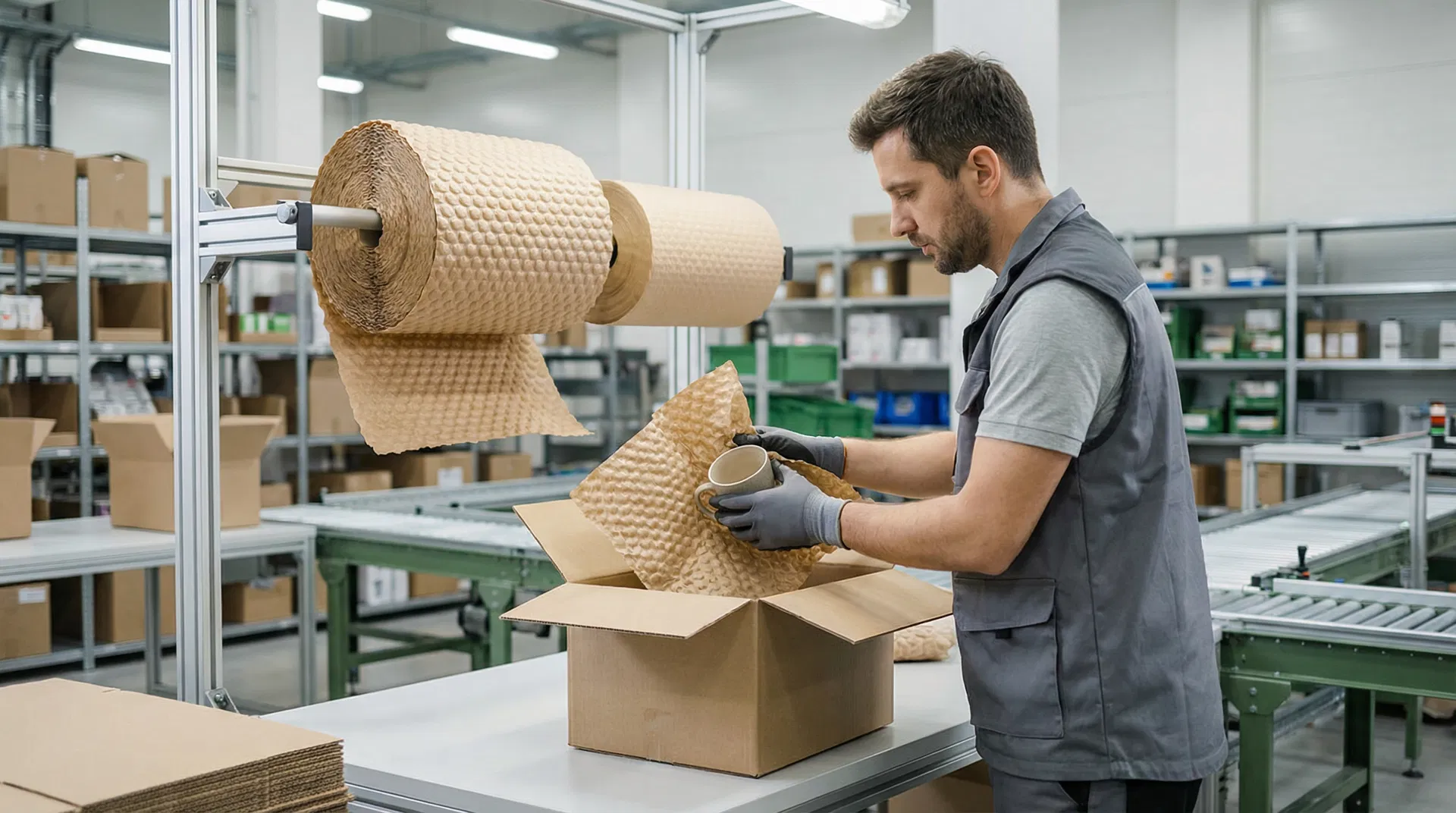
Step 1: Loading the Kraft Paper Roll
A kraft paper roll is mounted onto the feeding shaft. Paper weight and width are selected based on the desired strength of the final bubble paper wrap. Different GSM (grams per square meter) ratings provide varying levels of cushioning performance. For more information, see our article on paper specifications and material compatibility.
Step 2: Paper Feeding and Alignment
Once activated, the feeding system draws the paper into the machine. Alignment guides ensure the material enters evenly, preventing wrinkles that could affect the quality of the finished bubble wrapping paper. Proper alignment is critical for consistent output quality across the entire production run.
Step 3: Embossing Through Structured Rollers
As the paper passes between the patterned rollers, controlled pressure reshapes the fiber structure. The concave and convex molds compress and expand the paper in a defined pattern, forming the raised texture associated with paper bubble wrap.
This mechanical deformation increases material thickness and creates a cushioning geometry without relying on air pockets. The pressure application is calibrated to optimize both protective performance and material efficiency.
Step 4: Bubble Structure Formation
The embossed pattern forms consistent raised chambers across the surface. These chambers provide structural integrity and shock resistance. The cushioning effect comes from engineered geometry and fiber elasticity rather than trapped air.
The three-dimensional bubble structure is designed to distribute impact forces evenly, protecting products during shipping and handling. This structural approach makes paper bubble wrap suitable for e-commerce fulfillment, industrial applications, and retail environments.
Step 5: Cutting and Output
After embossing, the finished material exits the paper bubble wrap machine. If equipped with a cutter, the machine trims the material into preset lengths. The final bubble paper wrap is immediately ready for use at the packing station.
The entire conversion process takes only seconds, enabling continuous on-demand production. This rapid transformation eliminates the need to pre-stock bulky pre-made cushioning materials.
How the Paper Bubble Structure Provides Cushioning Protection
The protective performance of paper bubble wrap is based on structural design rather than inflation. The raised geometry distributes impact forces and stabilizes products inside cartons.
Compression Resistance
The embossed bubble pattern increases material thickness and distributes external pressure across multiple structural points. When compressed, the structure absorbs force and gradually rebounds, maintaining protective integrity. This resilience is comparable to traditional bubble wrap in many common packaging scenarios.
Shock Absorption and Energy Dispersion
During shipping impacts, the structured chambers disperse energy across the surface area instead of concentrating it in a single location. This reduces the risk of product damage. The layered structure acts as a shock absorber, protecting fragile items during transport.
Structural Flexibility
The three-dimensional bubble geometry allows bubble wrapping paper to conform to product shapes. It wraps securely around items and maintains void stability within cartons. This flexibility makes it suitable for irregular product shapes and varying package sizes.
Void Fill Stabilization
When used as void fill, bubble paper wrap prevents movement inside shipping boxes. Its textured surface increases friction, helping products remain stable during transport. This stabilization is particularly valuable in e-commerce fulfillment centers where boxes are handled multiple times.
Compared to plastic alternatives, paper bubble wrap provides a recyclable, paper-based solution while maintaining reliable protective performance in many packaging applications. For a detailed comparison, see our article on paper bubble versus plastic bubble wrap.
Paper Specifications and Material Compatibility
The performance of this system depends not only on its mechanical structure but also on the quality and specifications of the kraft paper used. Material selection directly influences cushioning strength, flexibility, and production consistency.
Kraft Paper GSM Range
Most equipment in this category operates within a defined GSM range. Lighter paper grades produce more flexible cushioning suitable for wrapping lightweight products or filling small voids. Heavier grades generate a denser embossed structure, increasing compression resistance for heavier or more fragile items.
Selecting the correct paper weight should be based on product fragility, shipping distance, and carton size. Matching material strength with packaging requirements helps optimize both protection and cost efficiency.
Recycled Paper Options
Many operations choose recycled kraft paper to align with sustainability goals. High-quality recycled fiber can perform well during embossing, provided the paper maintains consistent density and fiber integrity. Inconsistent fiber composition may affect pattern clarity or structural stability.
Using recycled material supports environmentally responsible packaging practices while maintaining reliable cushioning performance. This aligns with sustainable packaging initiatives that many businesses are adopting.
Paper Thickness and Structural Performance
Paper thickness affects both flexibility and resilience. Thicker paper creates a more rigid three-dimensional surface, improving load distribution inside cartons. Thinner material enhances conformability, allowing the cushioning layer to wrap tightly around irregular product shapes.
Packaging teams often conduct small-scale trials to determine the most suitable paper specification for their workflow. Testing different weights and thicknesses helps optimize performance for specific product types.
Single-Layer and Layered Configurations
Depending on the model, some systems support layered feeding configurations. Layering can increase cushioning density for industrial applications but may require specific machine settings. Proper calibration ensures smooth feeding and uniform embossing results.
Understanding material compatibility helps maintain stable output quality and reduces the risk of feeding disruptions or inconsistent results.
Paper-Based Cushioning vs Plastic Bubble Systems
When evaluating protective packaging equipment, businesses often compare paper-based cushioning systems with conventional plastic bubble wrap production.
Material and Production Differences
Traditional plastic bubble wrap is created by sealing air between two layers of polyethylene film. In contrast, this paper-based process forms cushioning through mechanical embossing, reshaping the fiber structure to create thickness and resilience.
The absence of air inflation eliminates the need for sealed chambers, reducing dependence on plastic film materials. This fundamental difference makes paper bubble wrap an attractive alternative for businesses seeking to reduce plastic usage.
Environmental Considerations
Paper-based cushioning can typically be recycled through standard paper waste streams. Plastic bubble materials often require specialized recycling processes and may not be accepted in all municipal systems.
As environmental regulations tighten and consumer expectations shift, many businesses are reassessing their material choices in favor of recyclable alternatives. For detailed environmental impact analysis, see our comparison of paper bubble versus plastic bubble wrap.
Storage and Operational Efficiency
Pre-inflated plastic rolls occupy significant storage space due to trapped air volume. Flat kraft paper rolls require considerably less warehouse capacity before processing. On-demand production further reduces excess inventory, allowing operators to produce only what is needed for each shipment.
This streamlined approach can improve workflow efficiency and simplify packaging material management. For more information about operational benefits, see our guide on on-demand paper bubble versus pre-made cushioning rolls.
Integration into Modern Packaging Workflows
Paper-based cushioning equipment is designed to integrate directly into packing stations and assembly lines. Its compact footprint makes it suitable for both high-volume fulfillment centers and smaller packing environments.
E-Commerce Fulfillment
In fast-paced fulfillment operations, operators benefit from producing cushioning material at the exact moment it is required. This reduces handling steps and eliminates the need to measure or pre-cut protective materials in advance. Learn more about paper bubble machines for e-commerce fulfillment.
Manufacturing and Industrial Shipping
Industrial environments often ship components with varying dimensions and protection requirements. On-demand embossing allows teams to adjust material usage based on product size and weight, improving packaging precision. For high-volume industrial operations, see our guide on industrial paper bubble machines.
Retail and Small Packing Stations
For retail or small warehouse operations, in-house cushioning production reduces reliance on pre-supplied packaging materials. Lower storage requirements can free up valuable floor space for inventory or operational activities. See our guide on choosing the best paper bubble machine for small businesses.
Supply Chain Flexibility
Producing cushioning from flat paper rolls reduces dependency on external suppliers of pre-formed plastic materials. This can improve supply chain resilience, especially during periods of material shortages or shipping disruptions. For cost analysis, see our article on paper bubble machine versus bubble wrap cost.
Conclusion: From Flat Paper to Engineered Protective Performance
A paper-based embossing system transforms a simple kraft paper roll into structured cushioning through a controlled mechanical process. Feeding precision, tension stability, and patterned rollers work together to create a three-dimensional surface capable of absorbing impact and stabilizing products inside cartons.
By understanding how this equipment operates—from paper loading to final output—businesses can make more informed decisions about packaging efficiency, material usage, and sustainability goals.
As companies continue to seek alternatives to plastic protective materials, mechanically formed paper cushioning offers a practical balance between operational performance and environmental responsibility. For more information about our paper bubble machine products and solutions, visit our product page or contact SelectPack today.
Related Articles
•What Is a Paper Bubble Machine? Complete Guide
•Industrial Paper Bubble Machines for High-Volume Packaging Operations
•How to Choose the Best Paper Bubble Machine for Small Businesses
•Paper Bubble Machine vs Bubble Wrap Cost: Which Packaging Option Saves More?
•Paper Bubble Machine ROI: Cost Savings for Warehouses and E-commerce Fulfillment Centers
•On-Demand Paper Bubble vs Pre-Made Cushioning Rolls
•How Fast Can a Paper Bubble Machine Produce Cushioning?
•Paper Bubble vs Plastic Bubble Wrap
External Resources
•EPA Sustainable Materials Management