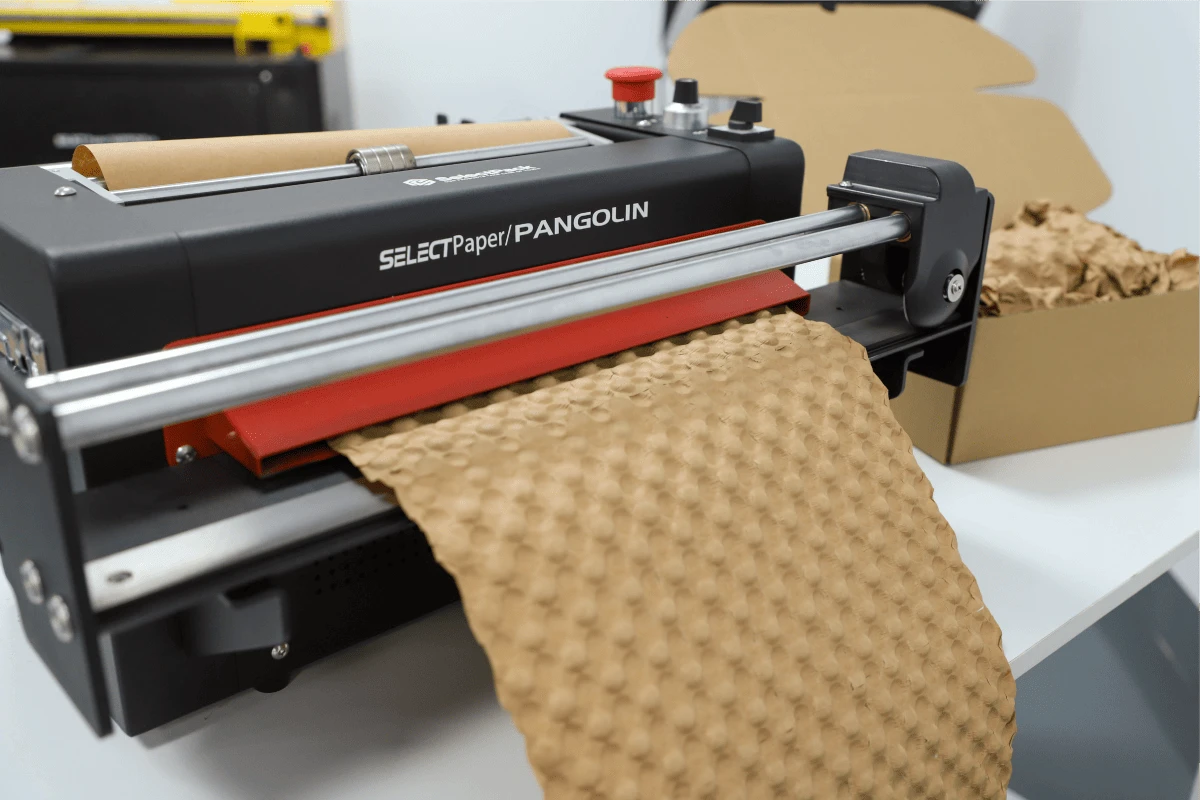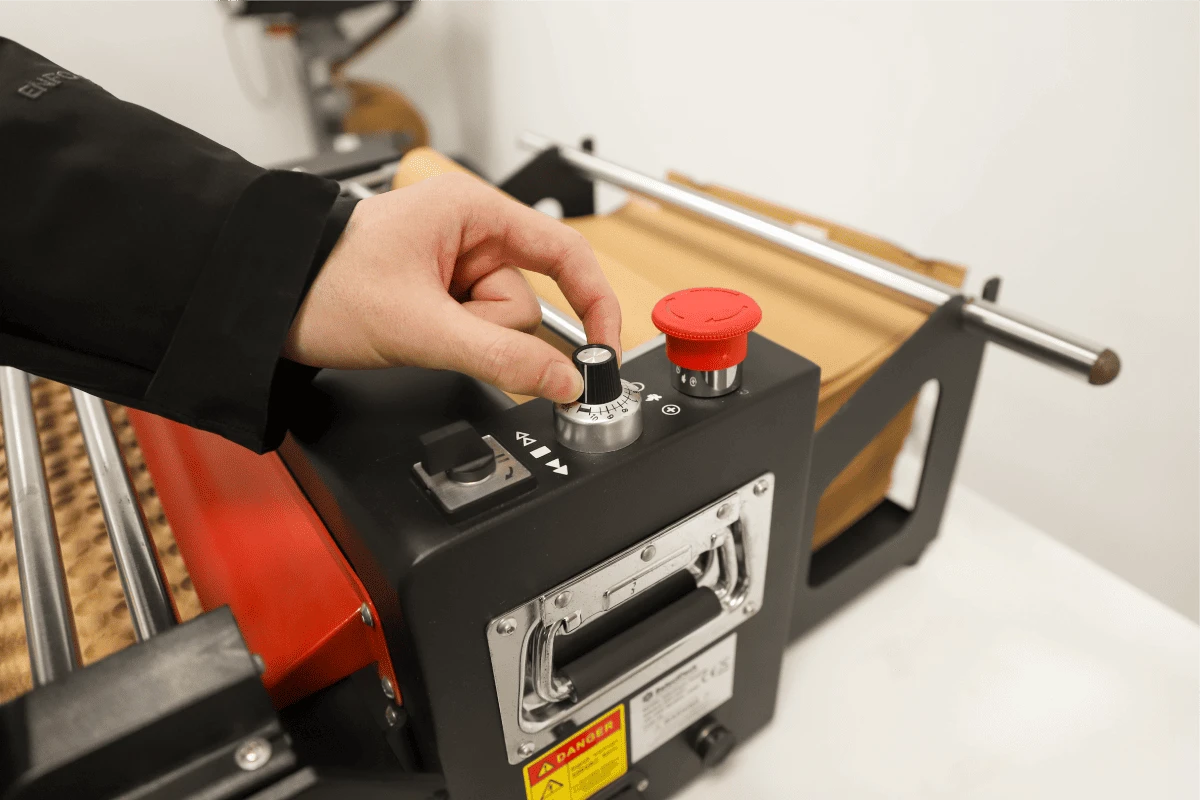
Protective packaging is one of the most critical factors in shipping and logistics. The right cushioning material can mean the difference between a satisfied customer who receives an undamaged product and a disappointed customer dealing with a damaged item and return process.
For decades, plastic bubble wrap has been the default choice for protective packaging. However, paper bubble wrap is increasingly becoming the preferred solution for many industries and product categories. Not only does it provide excellent protection, but it also offers environmental benefits and cost advantages.
But not all products are equally suited to paper bubble packaging. Understanding which items benefit most from this protective material—and how to apply it correctly—is essential for businesses looking to optimize their packaging strategy.
Why Paper Bubble Packaging Works So Well
Before we discuss specific product categories, it’s important to understand why paper bubble wrap is such an effective protective material.
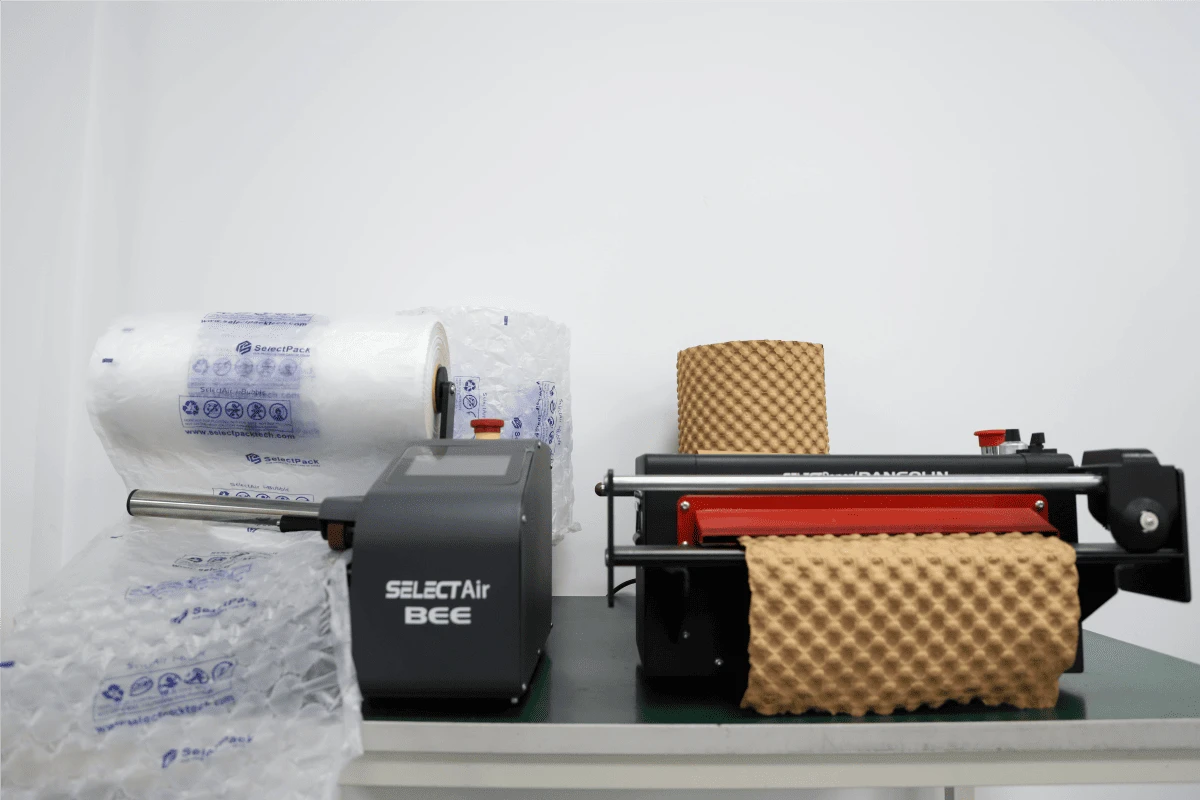
Paper bubble wrap consists of kraft paper with air-filled bubble columns. These bubbles absorb impact energy during shipping and handling, protecting the contents from damage. The embossed bubble structure creates a cushioning layer that distributes pressure evenly across the wrapped item.
Unlike plastic bubble wrap, paper bubble packaging offers several advantages:
• Recyclability: Paper bubble wrap is 100% recyclable and biodegradable, aligning with modern sustainability goals
• Cost efficiency: Paper is less expensive than plastic, and paper bubble machines allow on-demand production
• Aesthetic appeal: Many customers prefer the natural appearance of kraft paper packaging
• Regulatory compliance: Paper-based cushioning helps meet increasingly strict plastic packaging regulations
The key question is: which products should you prioritize for paper bubble packaging?
Electronics and Computing Devices
Electronics are among the most common products protected with paper bubble wrap, and for good reason. Smartphones, tablets, laptops, and other computing devices are expensive, fragile, and highly susceptible to impact damage.
Why paper bubble works for electronics:
• Absorbs shock from drops and impacts during shipping
• Protects screens and delicate components from scratches
• Can be layered for extra protection of particularly fragile items
• Provides cushioning without adding significant weight
Best practices for electronics packaging:
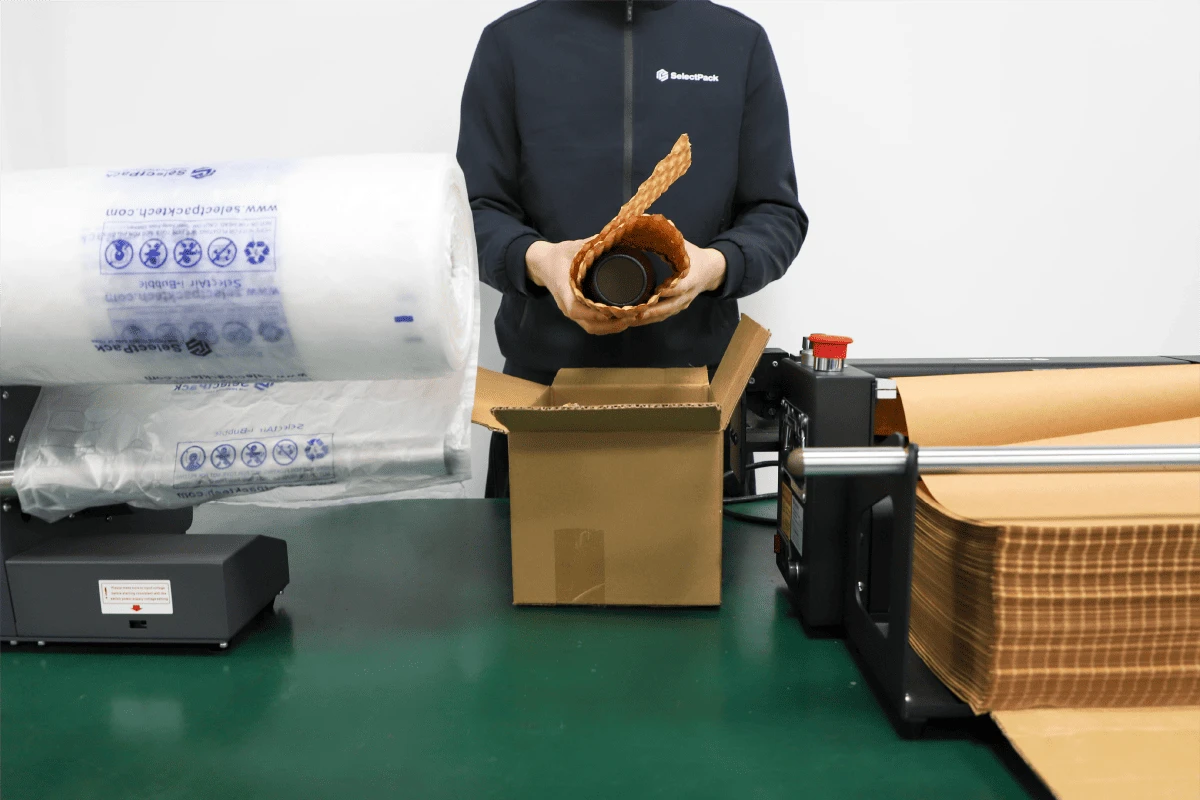
Wrap individual devices in paper bubble material, paying special attention to corners and edges where damage is most likely to occur. For particularly valuable items like laptops or high-end tablets, consider using multiple layers of paper bubble wrap or combining it with other protective materials.
The embossed bubble structure is especially effective for electronics because it creates consistent protection across the entire surface of the device.
This is also relevant for companies sourcing cable assemblies from a wire harness manufacturer, especially when bundled harnesses and connector-based components need light protective wrapping during storage or shipment.
Glassware and Ceramics
Glassware and ceramic products represent another major category that benefits significantly from paper bubble packaging. Drinking glasses, decorative items, dinnerware sets, and other ceramic products are extremely fragile and prone to breakage during shipping.
Why paper bubble works for glassware:
• Provides excellent shock absorption for fragile items
• Protects against vibration damage during transit
• Can be wrapped tightly around irregular shapes
• Allows for multiple layers of protection
Best practices for glassware packaging:
For drinking glasses and similar items, wrap each piece individually in paper bubble material. For dinnerware sets or collections of items, wrap each piece separately and then place them in a box with additional paper bubble cushioning between layers. The paper bubble material should fill any empty spaces to prevent items from shifting during transport.
Ceramics and glassware are ideal candidates for paper bubble packaging because they require consistent, reliable protection—exactly what paper bubble wrap provides.
Automotive and Industrial Parts
Automotive parts, machinery components, and industrial equipment often require protective packaging during shipping and storage. Paper bubble wrap is particularly effective for these applications because it can protect both small precision components and larger parts.
For manufacturers handling welded assemblies or fabricated metal parts, it can also be useful to understand common resistance welding methods when evaluating how finished components should be protected during storage and shipment.
Why paper bubble works for automotive parts:
• Protects against rust and corrosion during storage
• Cushions parts during transport and handling
• Can be used for surface protection of finished components
• Accommodates irregular shapes and sizes
Best practices for automotive packaging:
For small precision parts like sensors or connectors, wrap individually in paper bubble material. For larger components, wrap the entire item, paying special attention to any protruding elements or delicate features. The wider-format paper bubble machines available through SelectPack are particularly useful for this application, as they can produce broader sheets suitable for larger components.
Automotive suppliers and distributors benefit significantly from industrial paper bubble machines that can handle high-volume production while maintaining consistent quality.
Fragile Home and Kitchen Items
Beyond glassware, many home and kitchen products benefit from paper bubble packaging protection. This category includes decorative items, small appliances, cookware, and other household goods.
Products in this category:
• Coffee makers and blenders
• Decorative vases and figurines
• Cookware and bakeware
• Picture frames and artwork
• Small kitchen appliances
• Decorative lighting fixtures
Why paper bubble works:
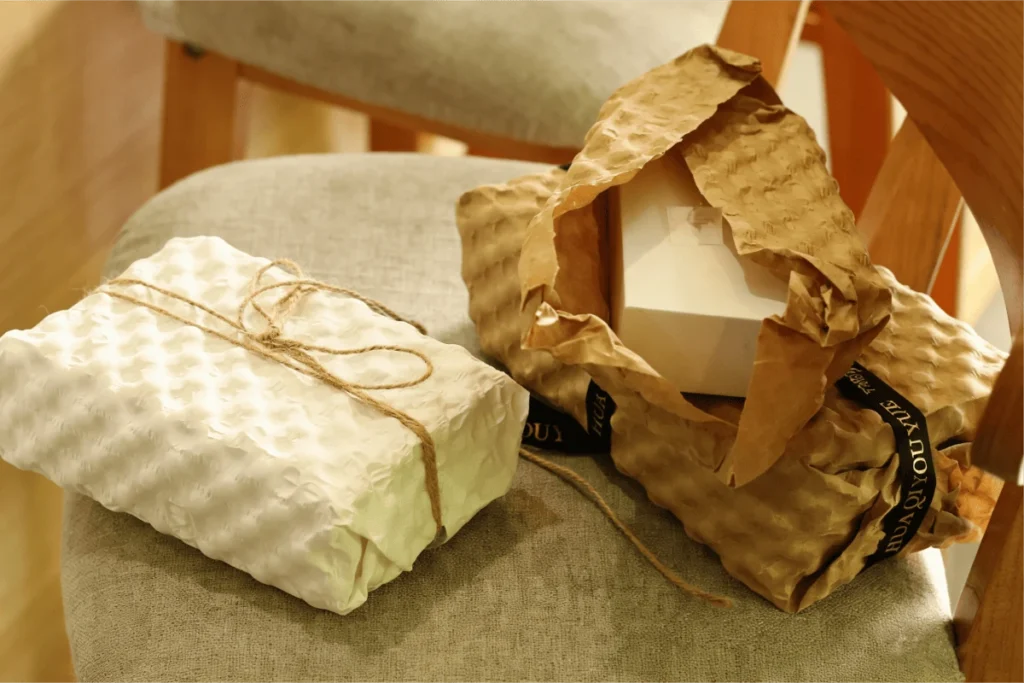
Paper bubble wrap provides reliable protection for these items without adding excessive weight to shipments. It’s particularly effective for items with delicate surfaces or components that could be damaged by direct contact with packaging materials.
E-commerce and Retail Packaging
For e-commerce businesses, paper bubble packaging offers significant advantages. Online retailers typically ship a wide variety of products, many of which are fragile or susceptible to damage during transit.
Why paper bubble is ideal for e-commerce:
• Provides reliable protection for diverse product types
• Can be produced on-demand using paper bubble machines, reducing storage requirements
• Improves customer perception through sustainable packaging
• Reduces return rates due to damage
• Supports faster packing operations when material is produced on-site
E-commerce packaging strategy:
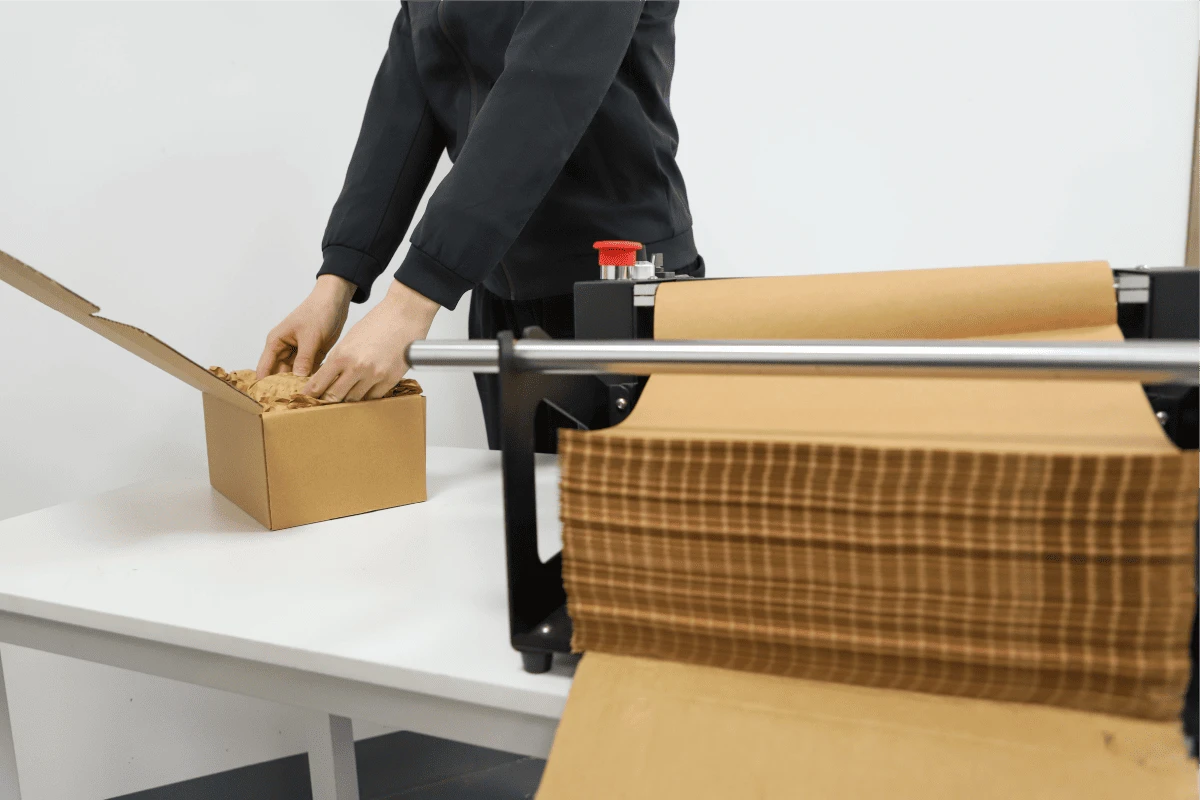
Many e-commerce fulfillment centers are adopting paper bubble machines to produce cushioning material on-demand. This approach reduces storage space, improves efficiency, and demonstrates environmental commitment to customers.
The ability to produce exactly the right amount of cushioning material for each shipment—no more, no less—is a significant advantage for high-volume e-commerce operations.
Specialty and High-Value Items
Certain product categories require premium protective packaging. These include luxury goods, collectibles, artwork, and other high-value items.
Products in this category:
• Fine art and original paintings
• Collectible figurines and memorabilia
• Luxury watches and jewelry (in protective cases)
• High-end audio equipment
• Antique and vintage items
• Designer handbags and accessories
Why paper bubble works for specialty items:
For high-value items, paper bubble packaging can be combined with other protective materials to create a comprehensive packaging solution. The natural appearance of kraft paper also aligns well with the premium positioning of luxury goods.
Many specialty retailers appreciate that paper bubble packaging demonstrates environmental consciousness without compromising on protection—an important consideration for eco-conscious luxury consumers.
Medical and Pharmaceutical Products
The healthcare and pharmaceutical industries have specific packaging requirements, and paper bubble wrap is increasingly being adopted in these sectors.
Why paper bubble works for medical products:
• Provides reliable protection for sensitive medical devices
• Paper-based materials align with healthcare facility sustainability goals
• Can be used in combination with other protective materials
• Supports compliance with healthcare packaging standards
Best practices for medical packaging:
Medical device manufacturers should work with packaging specialists to ensure that paper bubble wrap meets all relevant regulatory requirements. In many cases, paper bubble material is used as an outer protective layer, with other materials providing inner protection.
The key consideration is ensuring that the packaging material does not interfere with sterilization processes or product functionality.
Food and Beverage Packaging
While less common than other applications, paper bubble wrap can be used in certain food and beverage packaging scenarios, particularly for specialty items.
Suitable applications:
• Artisanal food products in protective gift boxes
• Specialty beverages in protective packaging
• Gourmet food gift sets
• Fragile food-related items (decorative serving pieces, etc.)
Important considerations:
For direct food contact, ensure that the paper bubble material meets food safety standards. In most applications, paper bubble wrap is used as an outer protective layer rather than direct contact material.
Products NOT Ideal for Paper Bubble Packaging

While paper bubble wrap is versatile, some products are better suited to alternative protective materials:
• Heavy items requiring rigid support: Very heavy items may require more rigid protective materials
• Extremely sharp or pointed items: Items with sharp edges may puncture paper bubble material
• Moisture-sensitive items: In very humid environments, paper may absorb moisture
• Items requiring anti-static protection: Standard paper bubble wrap is not anti-static; specialized materials may be needed for ESD-sensitive electronics
For these applications, combining paper bubble wrap with other protective materials often provides the best solution.
Optimizing Your Packaging Strategy with Paper Bubble Machines
If your business ships a variety of products, investing in a paper bubble machine can significantly optimize your packaging operations.
Benefits of on-demand production:
• Produce exactly the right amount of material for each shipment
• Reduce storage space requirements
• Improve packing efficiency
• Support sustainability goals
• Reduce packaging material costs
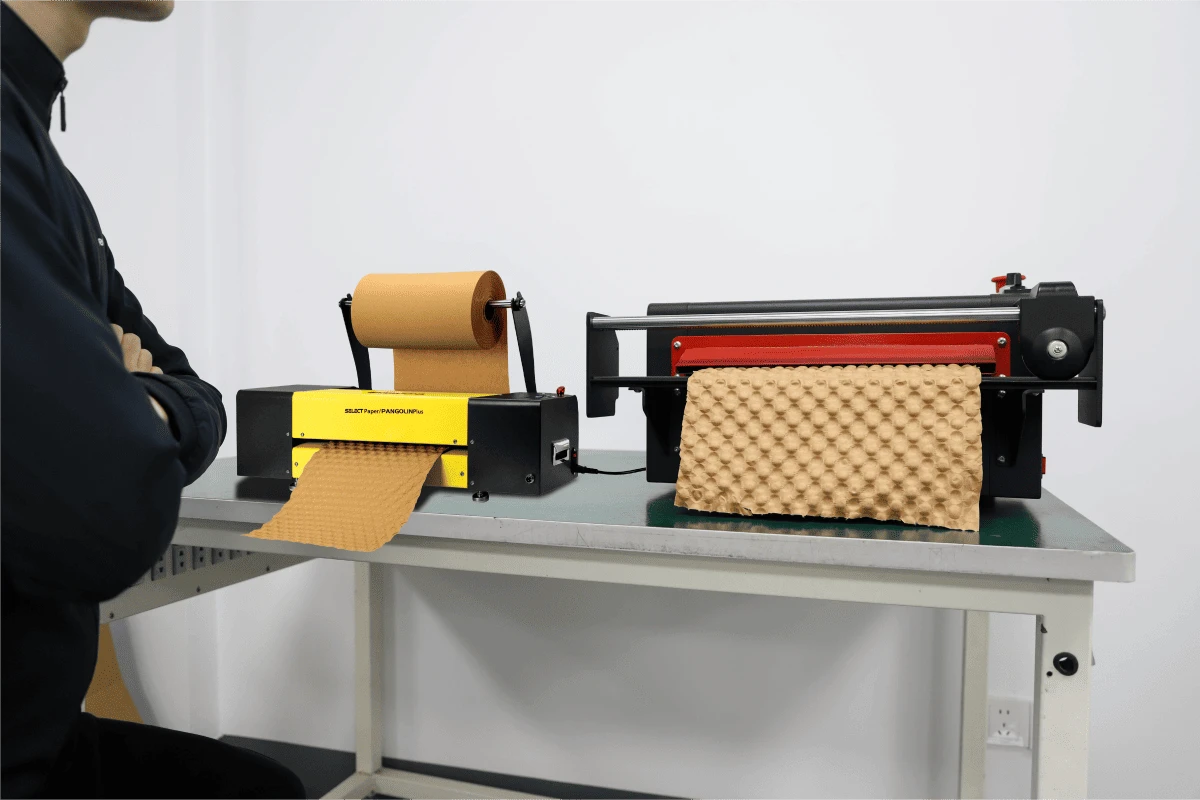
Paper bubble machines are available in various sizes and capacities. Small businesses can use compact desktop models, while high-volume operations benefit from industrial-grade machines.
Best Practices for Paper Bubble Packaging
Regardless of the product type, following these best practices ensures optimal protection:
1. Choose the right wrapping technique:
• For small items: Wrap tightly with 2-3 layers
• For medium items: Wrap with 1-2 layers, focusing on corners and edges
• For large items: Use multiple wrapping passes or combine with other materials
2. Ensure complete coverage:
• Avoid gaps or exposed areas
• Pay special attention to corners and edges
• Use overlapping wraps for maximum protection
3. Secure the wrapping:
• Use tape to secure the paper bubble wrap
• Ensure the wrapping doesn’t shift during transport
• Test that items don’t move within the wrapping
4. Consider box placement:
• Place wrapped items in the center of the shipping box
• Fill empty spaces with additional cushioning material
• Ensure items don’t contact the box walls directly
5. Label appropriately:
• Mark boxes as “Fragile” or “Handle with Care”
• Include directional indicators if applicable
• Provide clear shipping instructions
The Environmental Advantage
Beyond protection and cost efficiency, paper bubble packaging offers a significant environmental advantage. By switching from plastic bubble wrap to paper-based alternatives, businesses can:
• Reduce plastic waste sent to landfills
• Meet regulatory compliance requirements
• Appeal to environmentally conscious consumers
• Support corporate sustainability goals
• Contribute to circular economy principles
For many businesses, the environmental benefits are as important as the practical advantages of paper bubble packaging.
Conclusion: Choosing Paper Bubble Packaging for Your Products
Paper bubble wrap is an excellent protective packaging solution for a wide range of products. From electronics and glassware to automotive parts and specialty items, paper bubble packaging provides reliable, cost-effective, and environmentally responsible protection.
The key to success is understanding which products in your catalog benefit most from this material and implementing a packaging strategy that maximizes both protection and efficiency.
Whether you’re a small e-commerce business or a large fulfillment center, paper bubble machines can help you optimize your packaging operations while supporting your sustainability goals.
For businesses looking to implement paper bubble packaging at scale, SelectPack offers a range of paper bubble machines designed for different operational needs. Contact our team to discuss the best solution for your specific requirements.
FAQ
Q: Is paper bubble packaging as protective as plastic bubble wrap?
A: Yes, paper bubble wrap provides comparable protection to plastic bubble wrap for most applications. The embossed bubble structure effectively absorbs impact and protects fragile items. For some applications, multiple layers of paper bubble wrap may be needed to match plastic bubble wrap protection.
Q: Can I use paper bubble packaging for all my products?
A: Paper bubble packaging works well for most products, but some items (very heavy items, extremely sharp objects, or moisture-sensitive items) may require alternative or supplementary protective materials. Assess your specific product needs to determine the best approach.
Q: How much does paper bubble packaging cost compared to plastic?
A: Paper bubble wrap is typically less expensive than plastic bubble wrap, especially when produced using on-demand paper bubble machines. The cost savings increase with volume.
Q: Is paper bubble packaging recyclable?
A: Yes, paper bubble wrap is 100% recyclable and biodegradable. This is one of its major advantages over plastic bubble wrap.
Q: Can I produce paper bubble wrap in-house?
A: Yes, paper bubble machines allow businesses to produce cushioning material on-demand. This approach reduces storage requirements and improves efficiency.
Q: What’s the best way to wrap electronics with paper bubble?
A: Wrap individual devices in paper bubble material, paying special attention to corners and edges. For valuable items, use multiple layers. Ensure complete coverage to protect screens and delicate components.
Q: Does paper bubble packaging work for international shipping?
A: Yes, paper bubble packaging is suitable for international shipping. It meets most international packaging standards and provides reliable protection across long distances.
Q: How do I choose between different paper bubble machine sizes?
A: Consider your order volume, product mix, and workspace. Small businesses typically use compact desktop models, while high-volume operations benefit from industrial-grade machines.
Related Articles
•What Is a Paper Bubble Machine and How Does It Work?
•How Does a Paper Bubble Machine Work?
•Paper Bubble vs Plastic Bubble Wrap: Complete Comparison
•How to Choose the Best Paper Bubble Machine for Small Businesses
•Industrial Paper Bubble Machines for High-Volume Packaging Operations
•Paper Bubble Machine Applications in E-commerce and Fulfillment
•Paper Bubble Machine Output Speed: How Fast Can It Produce?
•Paper Bubble Machine Maintenance and Troubleshooting Guide
•Paper Bubble Machine vs Honeycomb Paper Machine: Which Is Better?
•How to Integrate a Paper Bubble Machine into Your Packing Station
External Resources
•Packaging Dive: Industry News and Trends
•American Packaging Association: Standards and Best Practices